Pine Cone
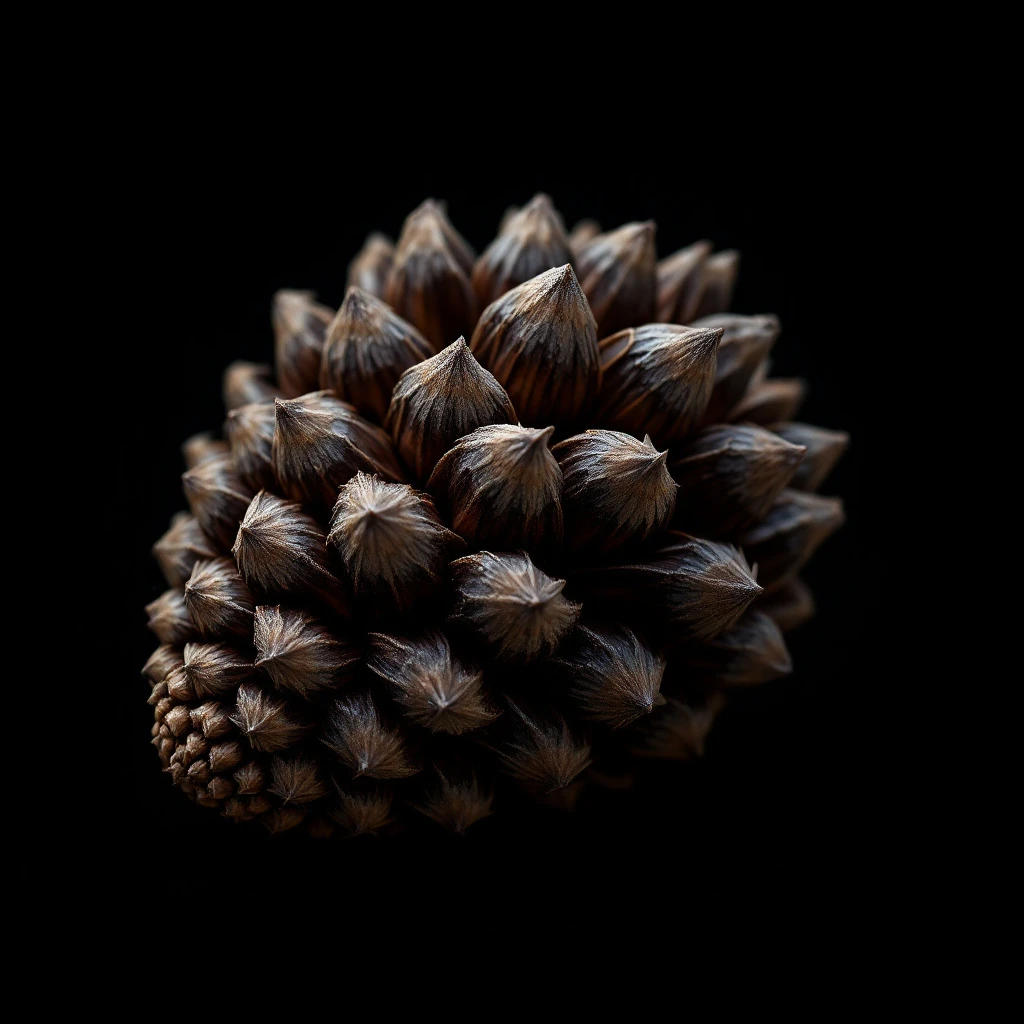
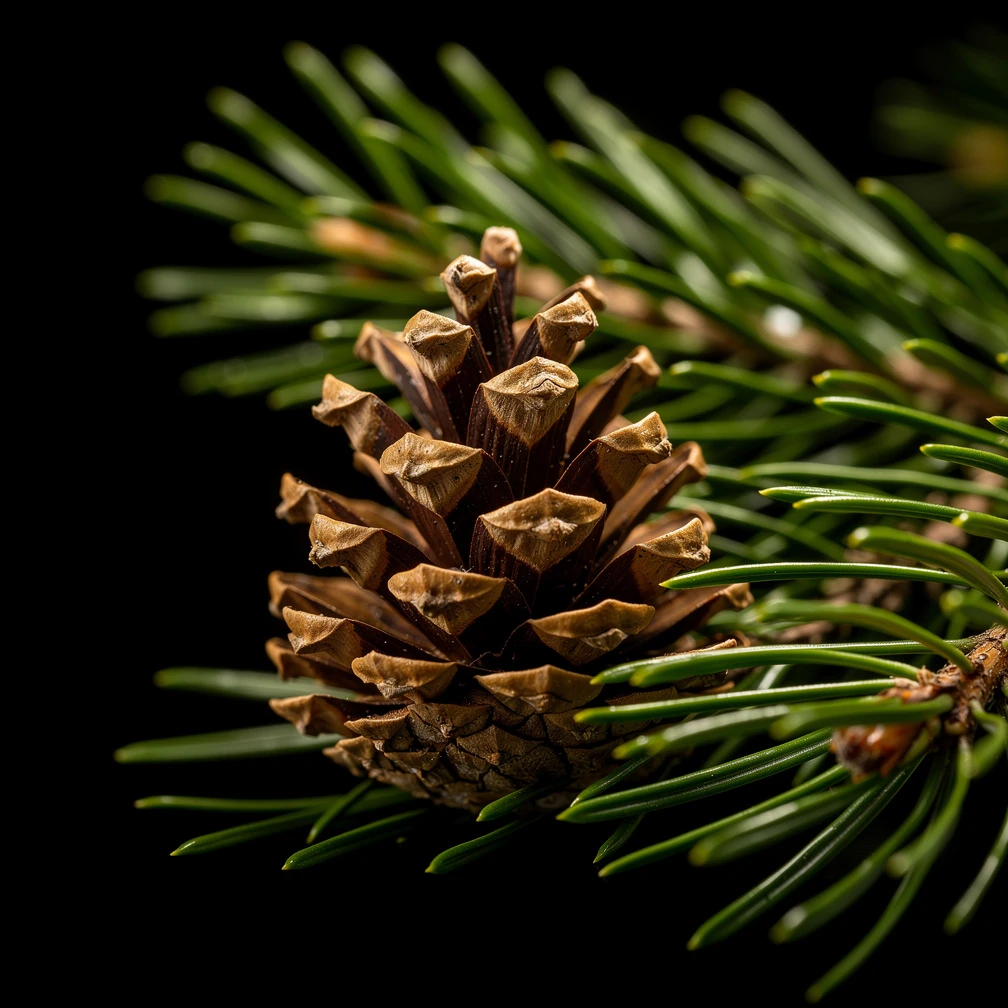
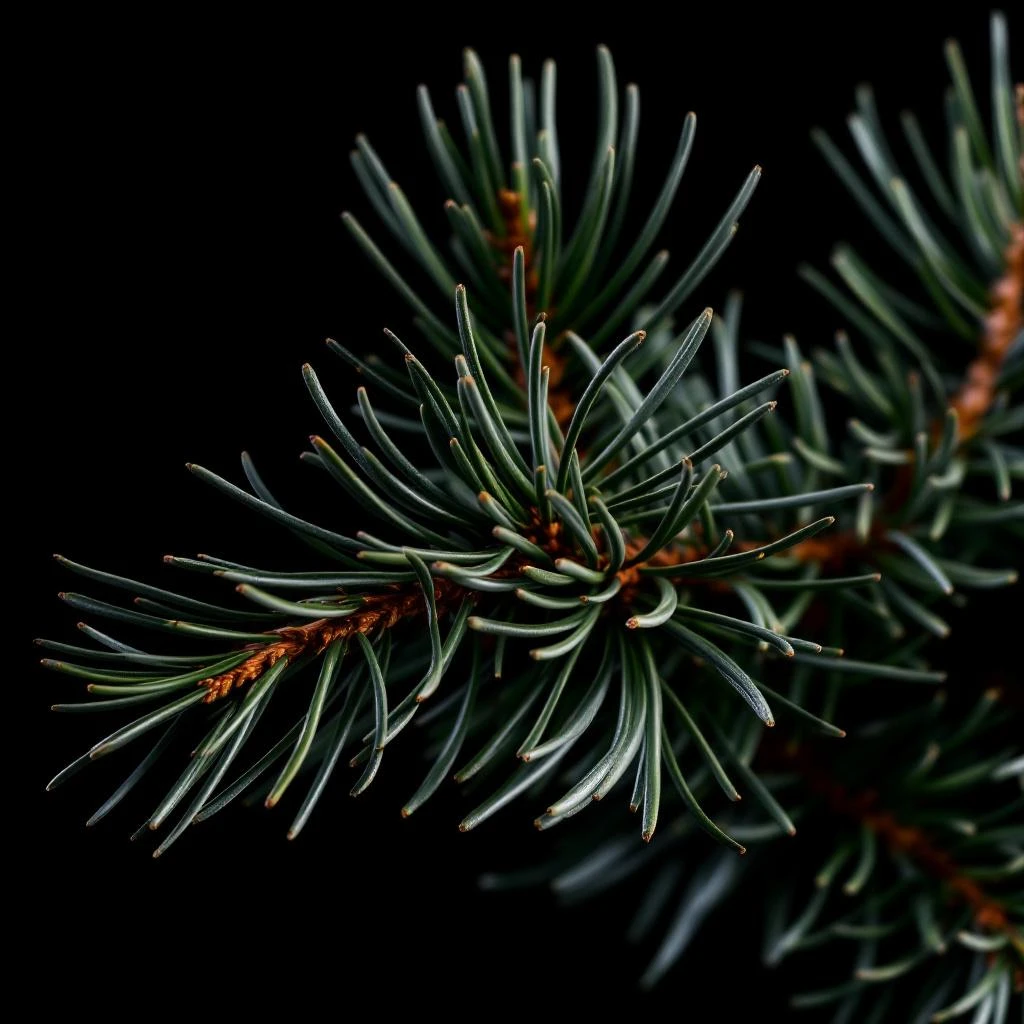
Pine cones carry the unmistakable scent of forest air — fresh, resinous, and grounding. This note brings crisp evergreen character and a natural wilderness quality to fragrances, evoking crisp winter walks through a living woodland.
Character
How it smells
The forest distilled into a single note.
Pine cones can stay sealed shut for years, only opening when conditions are dry enough for seeds to disperse — nature's perfect timing mechanism.

Origin
France
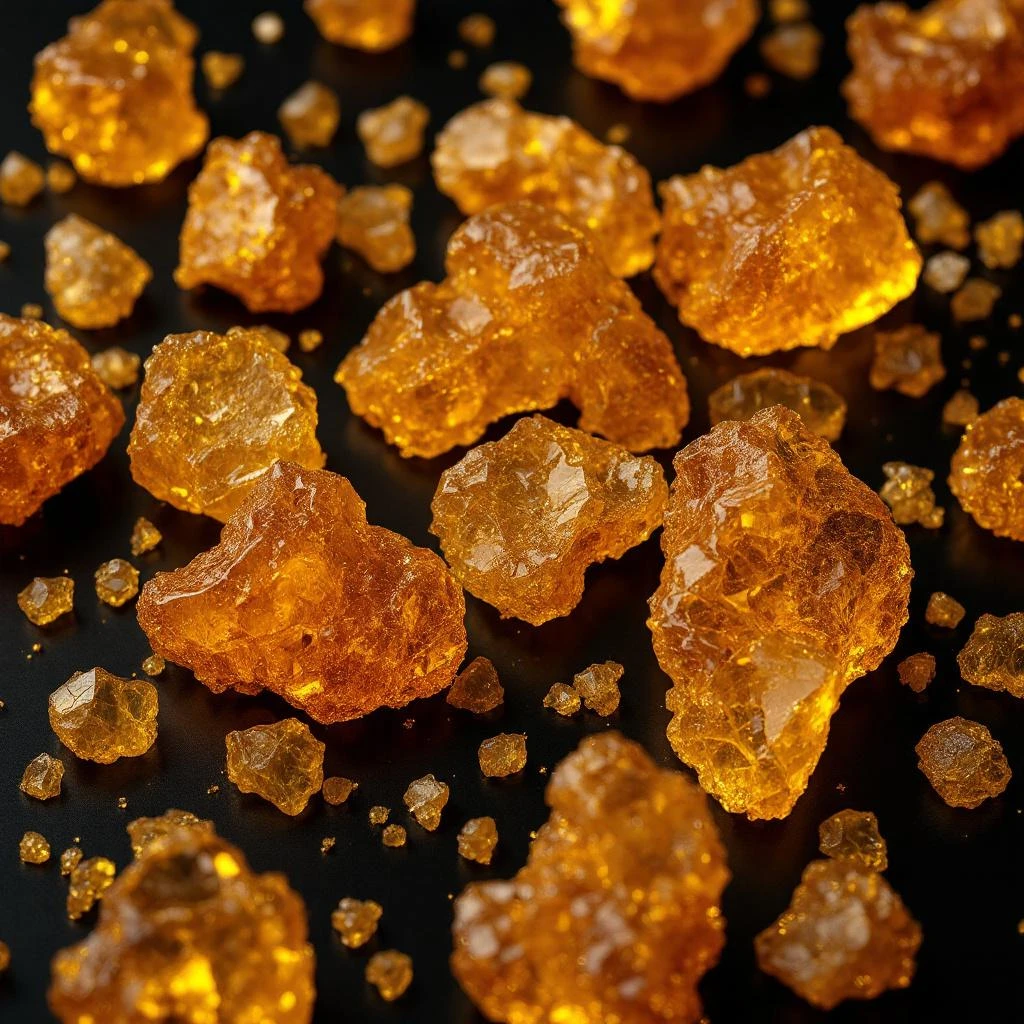
Pine resin has served humanity for thousands of years. Ancient Egyptians and Greeks burned pine resin during rituals to purify spaces and create calming atmospheres, recognizing its grounding and clarifying properties long before perfumery existed. The shift from ritual smoke to refined fragrance came gradually as extraction methods evolved.
By the 19th century, steam distillation made it possible to isolate the aromatic compounds responsible for pine's distinctive scent. Modern perfumery adopted pine oil as a cornerstone of the aromatic and fougère families, where it continues to bring a crisp, outdoorsy quality that feels both timeless and immediate.
Wears it best
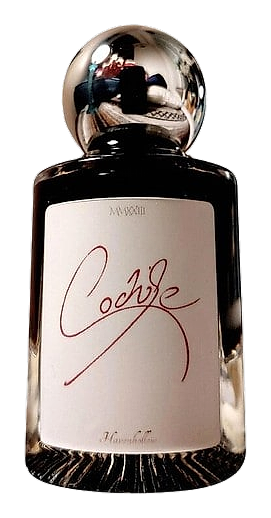
Fragrances featuring Pine Cone
Brands
Brands known for Pine Cone
Good to know
Questions, answered
The essentials on Pine Cone in perfumery: how it smells, where it comes from, and how it behaves on skin.
What does pine cone smell like in perfume?
Pine cone in perfume smells fresh, resinous, and woody. The note captures the crisp, evergreen character of a forest after rain, grounding fragrances with a natural, outdoorsy quality that feels immediate and alive.
How is pine cone oil extracted?
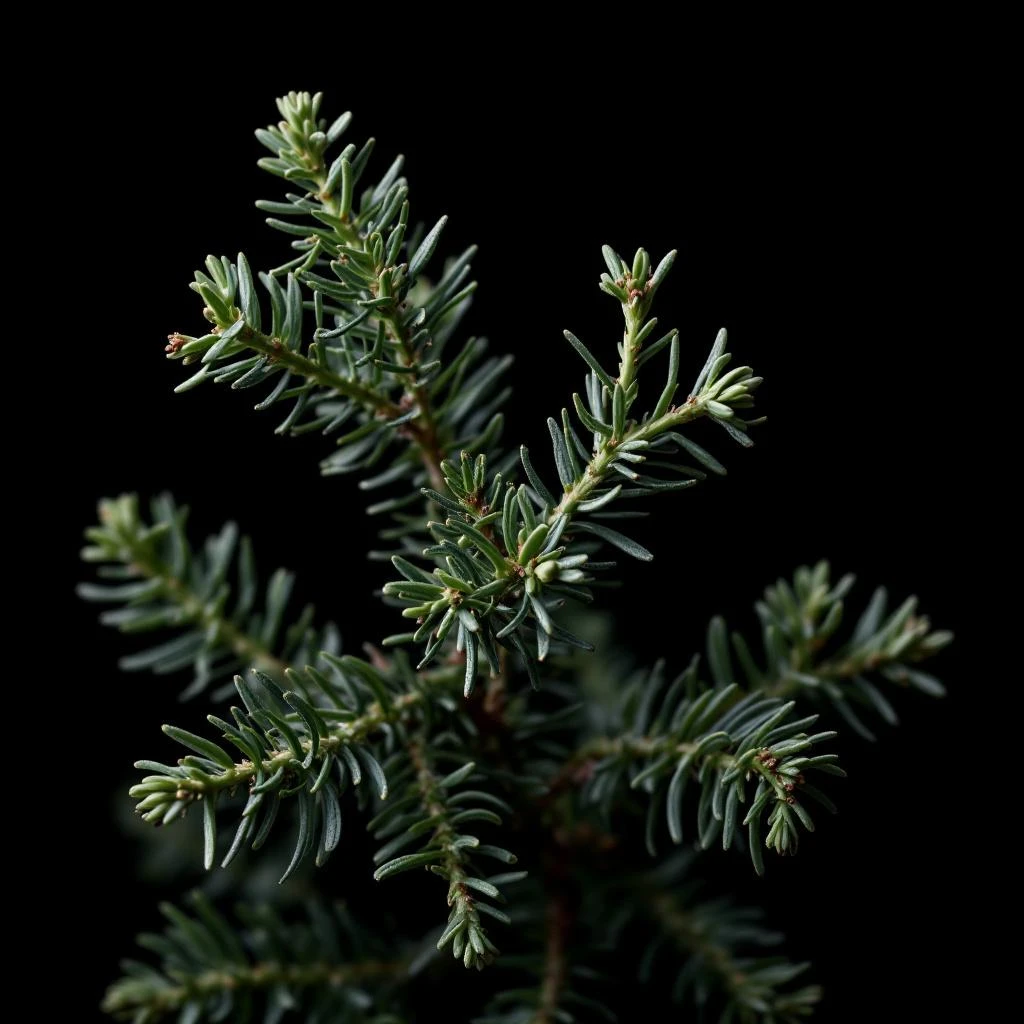
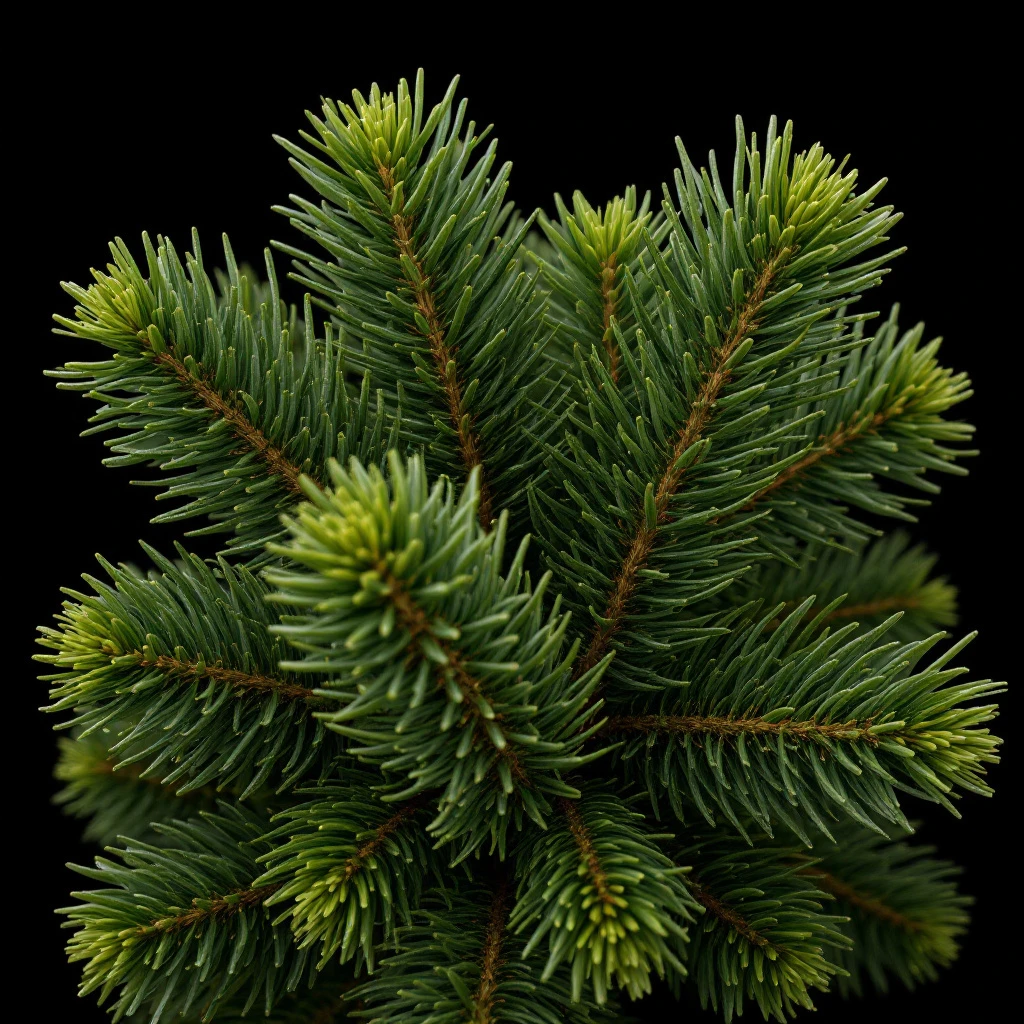
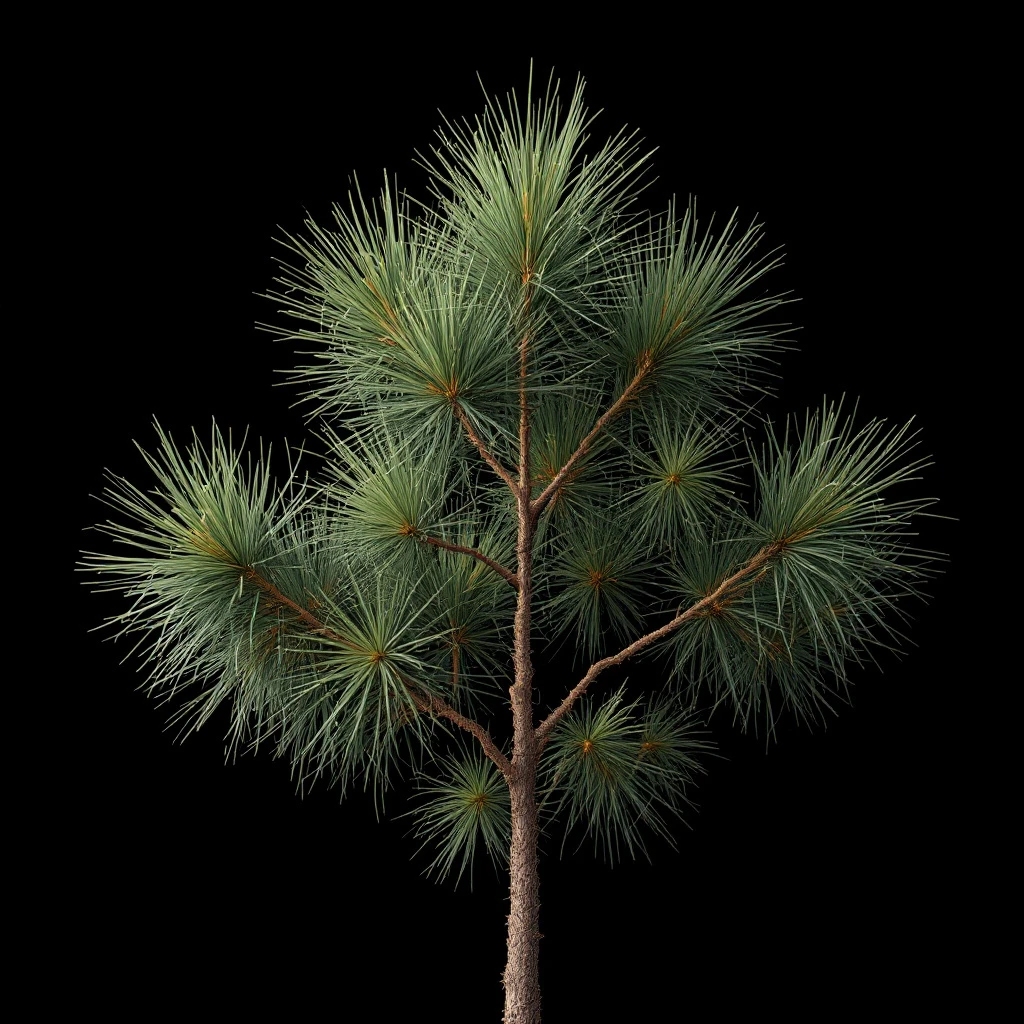
Pine cone oil is extracted via steam distillation from the cones and needles of Pinus sylvestris. Steam passes through the plant material, carrying aromatic compounds into a condenser where they cool and separate from water, yielding essential oil.
Is pine cone a natural or synthetic ingredient?
Pine cone is primarily a natural ingredient. The essential oil comes from steam distillation of real pine cones and needles, though aromatic analogues exist to ensure batch-to-batch consistency in commercial fragrance production.
What fragrances pair well with pine cone?
Pine cone pairs naturally with cedar, vetiver, eucalyptus, and incense notes. It works especially well in woody, aromatic, and fresh fragrance families, adding evergreen depth and a crisp, natural character.
How long has pine been used in perfumery?
Pine has been used since ancient times, with Egyptians and Greeks burning pine resin in rituals thousands of years ago. Modern perfumery adopted pine oil in the 19th century as steam distillation made natural extraction more systematic.
Does pine cone add longevity to fragrances?
Pine cone oil functions as a fixative in fragrance formulation. Its resinous compounds help slow the evaporation of lighter, more volatile notes, allowing a fragrance to remain present on skin for longer.
Is pine cone safe for skin use?
Pine cone oil requires dilution like most essential oils. It is generally safe for skin use in properly formulated perfumes, though it may cause sensitization in some individuals, so patch testing is recommended.
What fragrance family does pine cone belong to?
Pine cone belongs to the resinous-woody fragrance family. It appears frequently in aromatic, fougère, and chypre fragrance families, where it sits alongside other coniferous and woody notes to build structure and freshness.