Pikul Flower
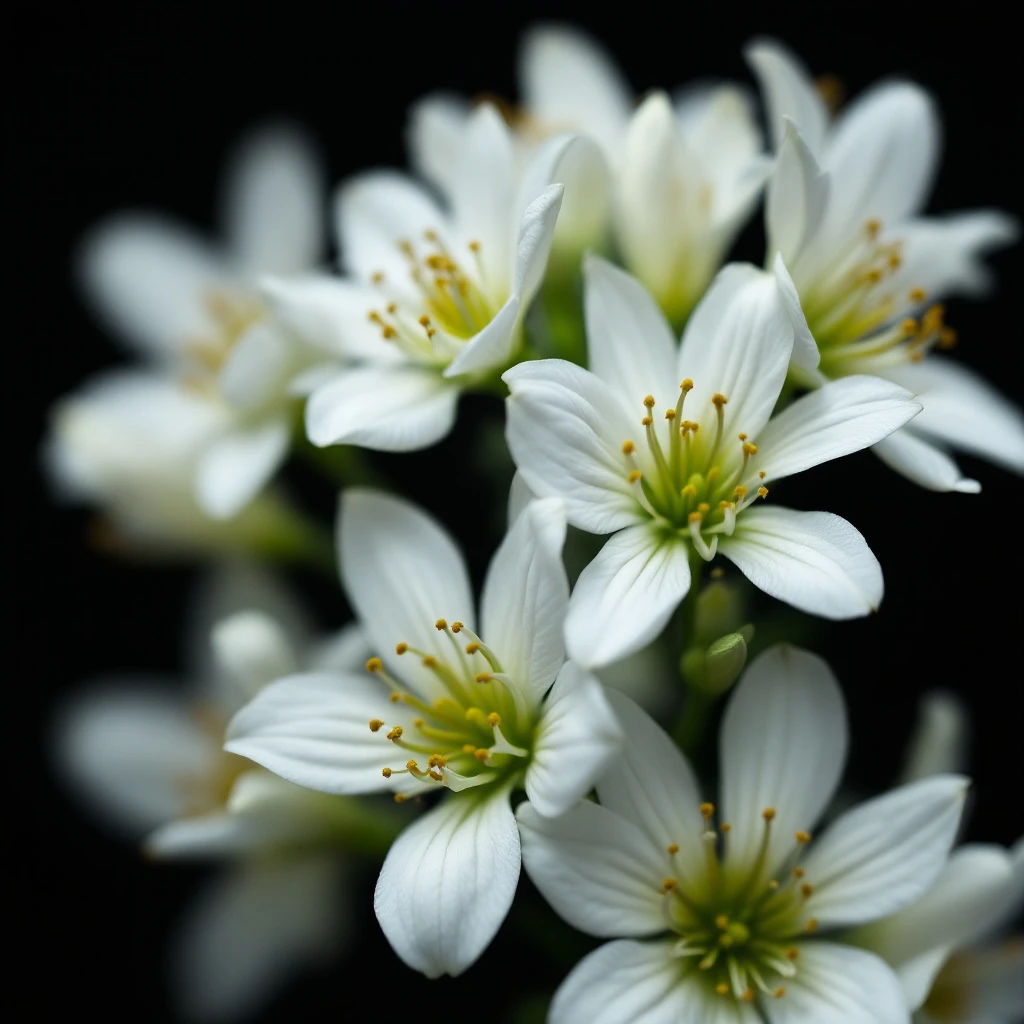
Pikul flower is a rare Thai botanical note that exists mostly beyond the reach of commercial perfumery, preserved in traditional garlands and ceremonial scents rather than modern bottles.
Character
How it smells
A Thai floral whisper, rarely captured
Pikul is traditionally strung into phuang malai garlands in Thailand, where its delicate perfume is experienced collectively rather than distilled.



Origin
Thailand
Pikul has deep roots in Thai and broader Southeast Asian tradition, where the flowers of Mimusops elengi have adorned temples, garlands, and homes for centuries. The tree itself is native to South and Southeast Asia, thriving in tropical lowlands from India through Myanmar, Thailand, and into the Malay archipelago.
In Thai culture, pikul is woven into phuang malai, the fragrant floral garlands offered at shrines and given as gestures of welcome and respect. Its presence in perfumery, however, remains minimal.
The international fragrance industry has not developed large-scale extraction for pikul, partly because the flowers are delicate and yield poorly to conventional distillation, and partly because the note has never achieved widespread demand outside its native region. As a result, pikul occupies a unique position: culturally significant in its homeland, practically invisible in global perfumery, a botanical that speaks to place more than to product.
Wears it best
Fragrances featuring Pikul Flower
Brands
Brands known for Pikul Flower
Good to know
Questions, answered
The essentials on Pikul Flower in perfumery: how it smells, where it comes from, and how it behaves on skin.
What does pikul flower smell like?
Pikul flower carries a sweet, fruity, and slightly creamy fragrance with soft lactonic undertones. Many describe the scent as warm and honeyed, intensifying after sunset when the blooms release their strongest perfume.
Is pikul flower used in commercial perfumes?
Pikul flower is not commercially extracted for international perfumery. The blooms appear mainly in traditional Thai preparations like garlands and scented water, with no industrial essential oil or absolute available on the global market.
Where does pikul flower grow?
The pikul tree (Mimusops elengi) is native to South and Southeast Asia, growing across Thailand, Myanmar, India, and the Malay archipelago. It thrives in tropical lowland climates with warm temperatures and consistent rainfall.
Why is pikul not extracted like other florals?
Pikul flowers are delicate and produce low yields under conventional extraction methods like steam distillation. Combined with limited international demand, this has prevented development of a viable commercial supply chain for the note.
Can pikul be reproduced synthetically?
Some fragrance houses approximate pikul's character using synthetic lactones and fruity accords. These reconstructions capture part of the flower's creamy sweetness, though they cannot fully replicate the complexity of fresh pikul blooms.
What is pikul flower used for in Thailand?
In Thailand, pikul flowers are traditionally strung into phuang malai garlands offered at temples and given as welcoming gifts. The blooms are also steeped in water for scenting rooms and used in local ceremonial preparations.
Does pikul flower have a botanical name?
Yes. Pikul refers to the flowers of Mimusops elengi, an evergreen tree in the Sapotaceae family. The species is also called Spanish cherry or bullet wood in other regions across its native range.
When does pikul flower bloom?
Mimusops elengi typically blooms during Thailand's dry season, roughly from November through March. The cream-colored flowers release their strongest fragrance in the evening and overnight hours.




