The Story
Why it exists.
The beginning
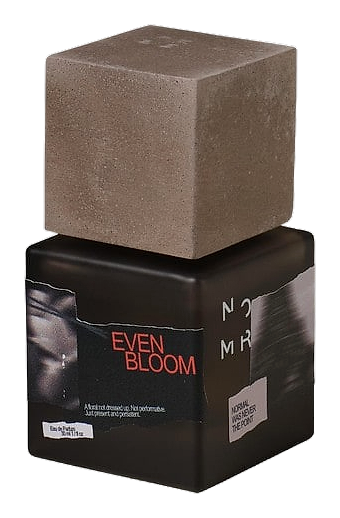
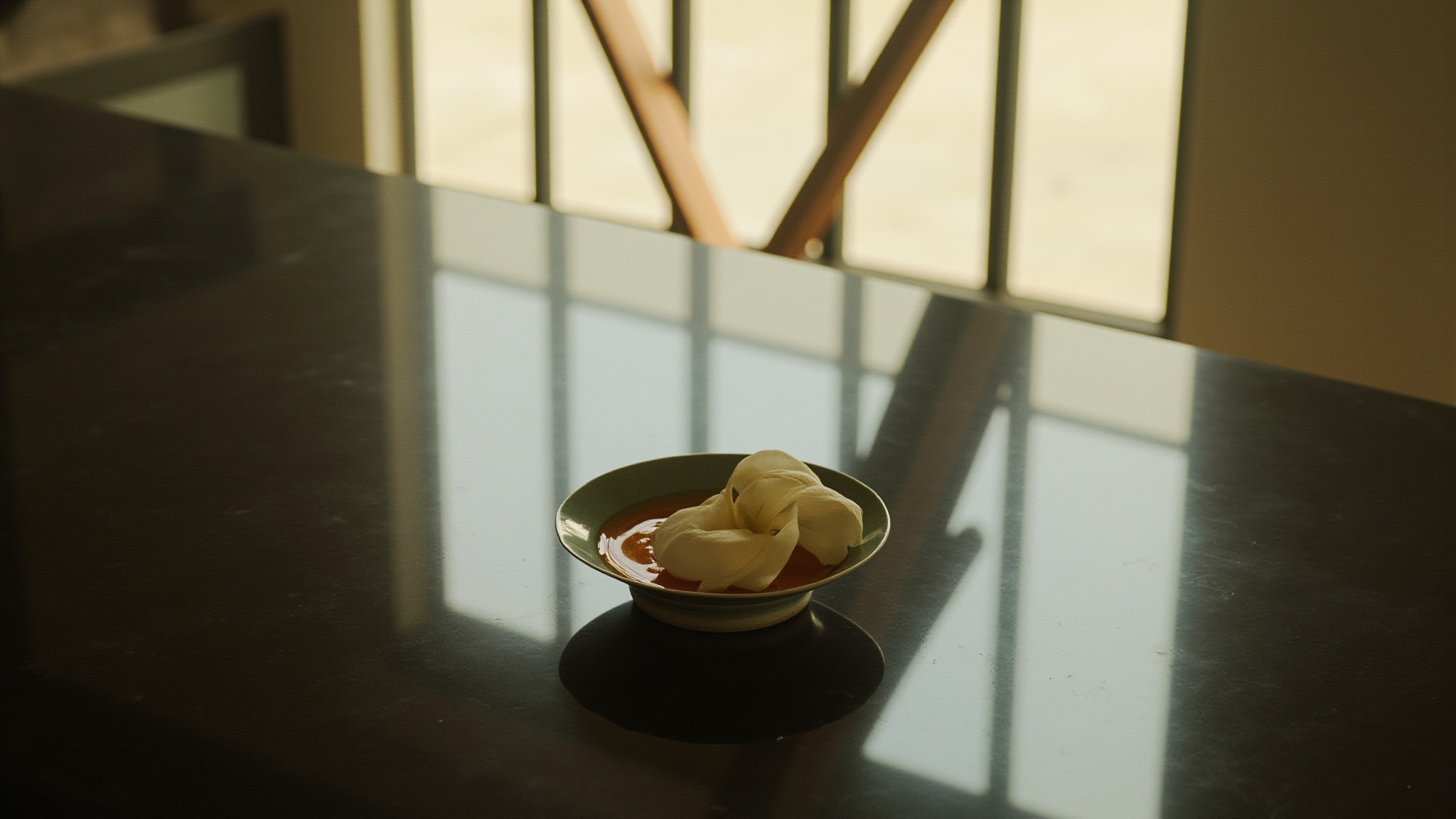
Evenbloom began as a quiet act of reclamation. Anunsith Wongkornvanich built the fragrance around traditional Thai flowers, ones that were once part of daily life but have since faded from common use. Bread flower, pikul flower, frangipani, orange jasmine. Botanicals that carry cultural weight beyond their place on any modern scent pyramid. The intent was never nostalgia exactly, more a refusal to let certain beauty disappear just because the world moved on. Cultural memory as composition, scored in white petals and green stems. There's a deliberate weight to the choice of materials here. These are flowers with histories, with uses in food and ceremony and home, not just stems chosen for how they photograph or how they sell to a global audience.
The construction does something rare: it lets a starchy, almost savory opening (pandan, rice, bread flower) hand directly to a creamy tropical heart. Violet leaf does the green work, so the accord never tips sweet. The base is deliberately grounded. Australian sandalwood and oakmoss anchor what could have floated away as just another tropical floral. That tension, between Thai botanical tradition and a dry, earthy foundation, is what makes Evenbloom feel like more than a pretty flower arrangement.
The evolution
The opening presents a starchy, almost savory impression, with rice and pandan lending a green, vegetal weight that reads more culinary than perfumey. Violet leaf keeps it from going gourmand, adding that cucumber-peel snap that defines the first phase of the wear. The florals arrive with a creamy tropical warmth. Pikul flower leads with a soft sweetness that's less indolic than jasmine, less animalic, more like white petals warmed by sun. Frangipani brings the coconut-lactonic roundness that gives the heart its lush texture. Orange jasmine weaves through with a citrus-sweet thread that lifts the whole accord. As it dries down, the moss and sandalwood take over. Patchouli grounds everything with its earthy depth. Benzoin adds a low vanilla-resinous hum that warms the base. The florals don't vanish entirely. They linger as a trace, something you catch when you move your wrist.
Cultural impact
Evenbloom arrives at a moment when Thai botanical traditions are finding new expression in contemporary perfumery. The scent leans into native flora that most international audiences have never encountered before, which gives the composition a certain authenticity rooted in specificity. Pikul flower, bread flower, frangipani, these are not the workhorse florals of Western perfumery. They're materials with their own cultural ecosystems, their own histories of use in food, ceremony, and daily ritual.