Peruvian Lime Petitgrain
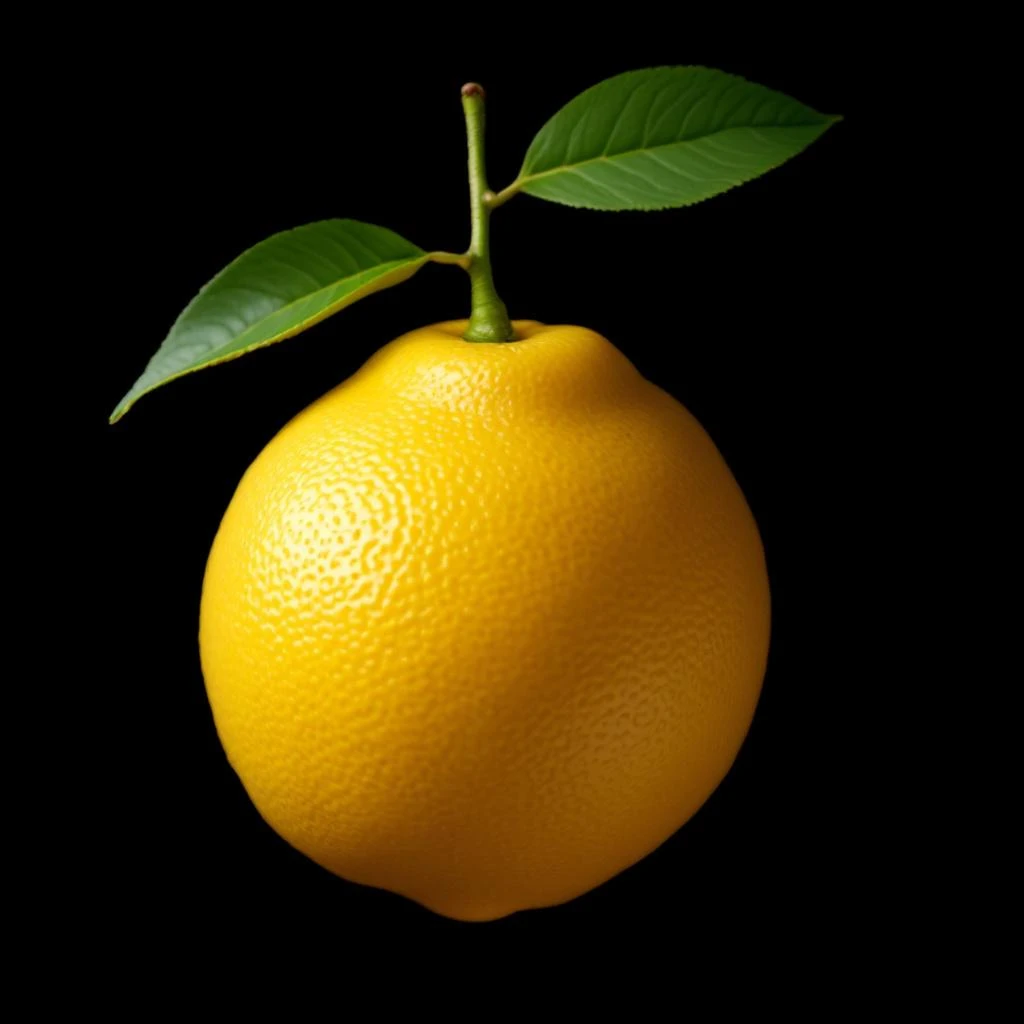
Peruvian Lime Petitgrain captures the bitter-green snap of lime leaves and twigs in a single distillation. The result reads sharper than classic Paraguay petitgrain, with a pronounced citrus peel facet that adds electric lift to natural perfumery.
Character
How it smells
Leaf, twig, and zest in one pour
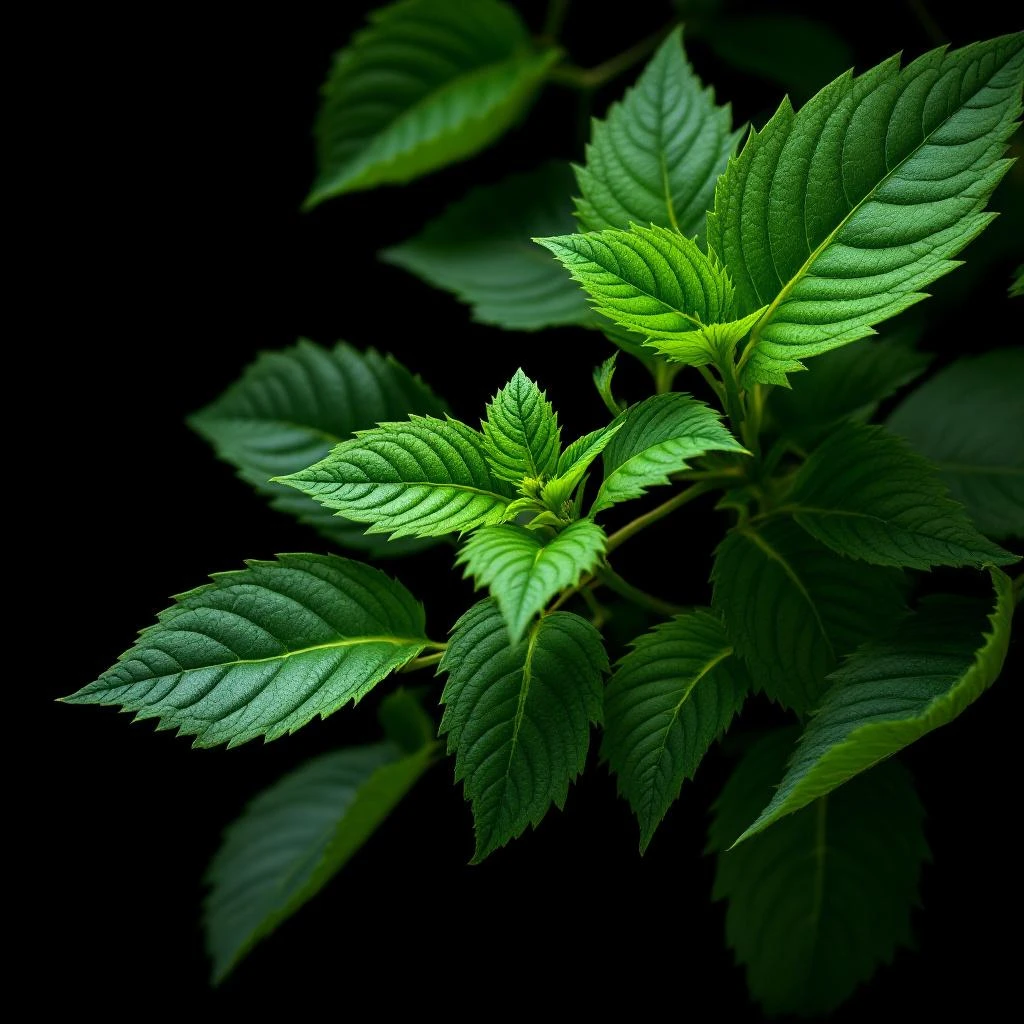
Peruvian lime petitgrain comes from the same Key lime trees prized for their fruit, yet the leaves yield an aroma far more complex than the juice they surround.




Origin
Peru
Petitgrain takes its name from the French petit grain, meaning small grain, a reference once applied to unripe oranges harvested for their intensely aromatic peel. The term expanded over time to cover essential oils distilled from citrus leaves and twigs more broadly. Peru entered the lime petitgrain picture as a byproduct of its established Key lime industry, one centered in regions like Piura where the trees thrive in warm, semi-arid conditions.
Dominican Roques, a long-time essence sourcer for major perfume houses, has documented how South American producers began exploring leaf and twig distillations as a way to add value beyond juice and pulp. Traditional petitgrain oil from Paraguay, distilled from bitter orange, dominated the category for over a century, prized for cologne-style fragrances. Lime petitgrain arrived later, offering a greener, sharper alternative suited to modern citrus compositions and natural perfumery.
Its adoption reflects growing interest in traceable, single-origin botanicals and in materials that capture the living character of the tree, not just the fruit it bears.
Wears it best
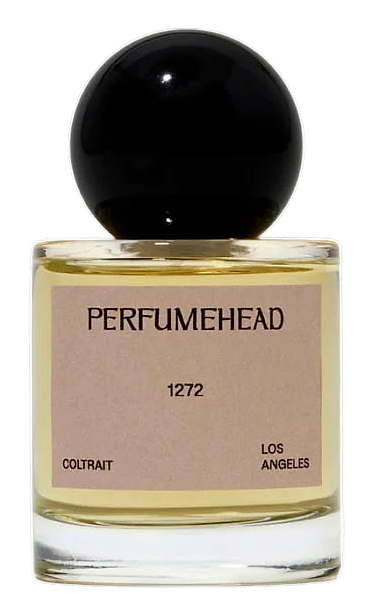
Fragrances featuring Peruvian Lime Petitgrain
Brands
Brands known for Peruvian Lime Petitgrain
Good to know
Questions, answered
The essentials on Peruvian Lime Petitgrain in perfumery: how it smells, where it comes from, and how it behaves on skin.
What does Peruvian Lime Petitgrain smell like?
It smells like freshly crushed lime leaves mixed with green peel and a soft herbal bitterness. The aroma is sharper and more citric than classic bitter orange petitgrain, with a clean, almost metallic green edge that lifts compositions instantly.
How is Peruvian Lime Petitgrain produced?
It is produced by steam distillation of the leaves and young twigs of the Key lime tree, Citrus aurantiifolia. Fresh branches are cut and distilled within hours, since delayed processing causes the bright top notes to lose definition.
What part of the plant is used?
Only the leaves and tender green twigs are used, not the fruit. This distinguishes petitgrain from cold-pressed lime oils, which come from the peel of the ripe lime.
How does it differ from Paraguay petitgrain?
Paraguay petitgrain is steam-distilled from bitter orange leaves and carries a woody, floral, slightly bitter profile. Peruvian lime petitgrain reads greener, with a pronounced lime zest facet and less of the orange-flower undertone.
Where does Peruvian Lime Petitgrain come from?
It originates primarily in Peru, where Key lime trees grow in coastal and foothill regions. The Piura area is a notable production zone, with harvest continuing through most of the year.
Is Peruvian Lime Petitgrain natural or synthetic?
The genuine material is natural, obtained exclusively through steam distillation of plant material. Synthetic reproductions exist, but they typically lack the layered green-herbaceous depth of the true essential oil.
What perfumes feature Peruvian Lime Petitgrain?
It appears in modern citrus colognes and natural-perfumery compositions where a sharp green-lime accent is desired. Niche perfumers favor it for top-note lift that stays vivid longer than expressed lime peel.
How long does the scent last on skin?
As a top-to-middle note, it lasts roughly one to two hours on skin before fading. Its persistence is shorter than woody or resinous materials, which is why perfumers pair it with longer-lasting base notes for structure.