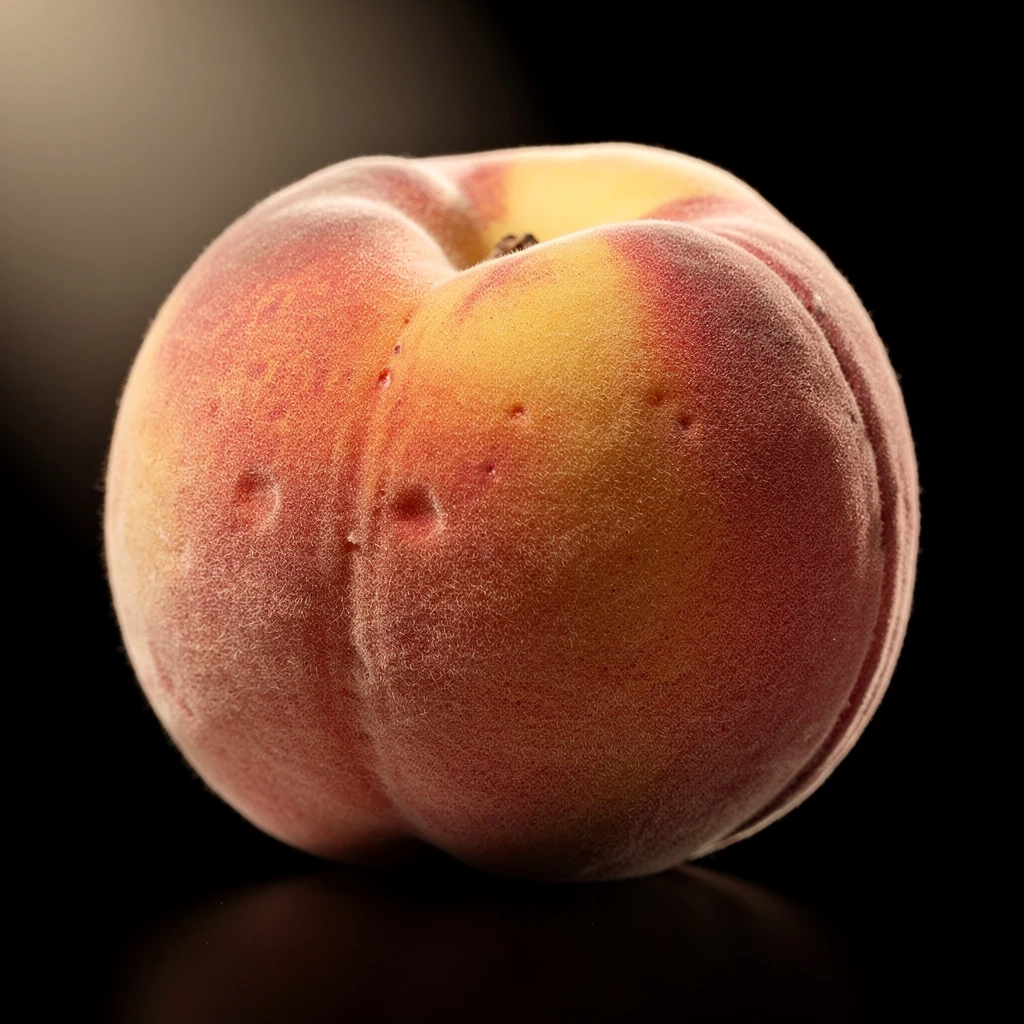
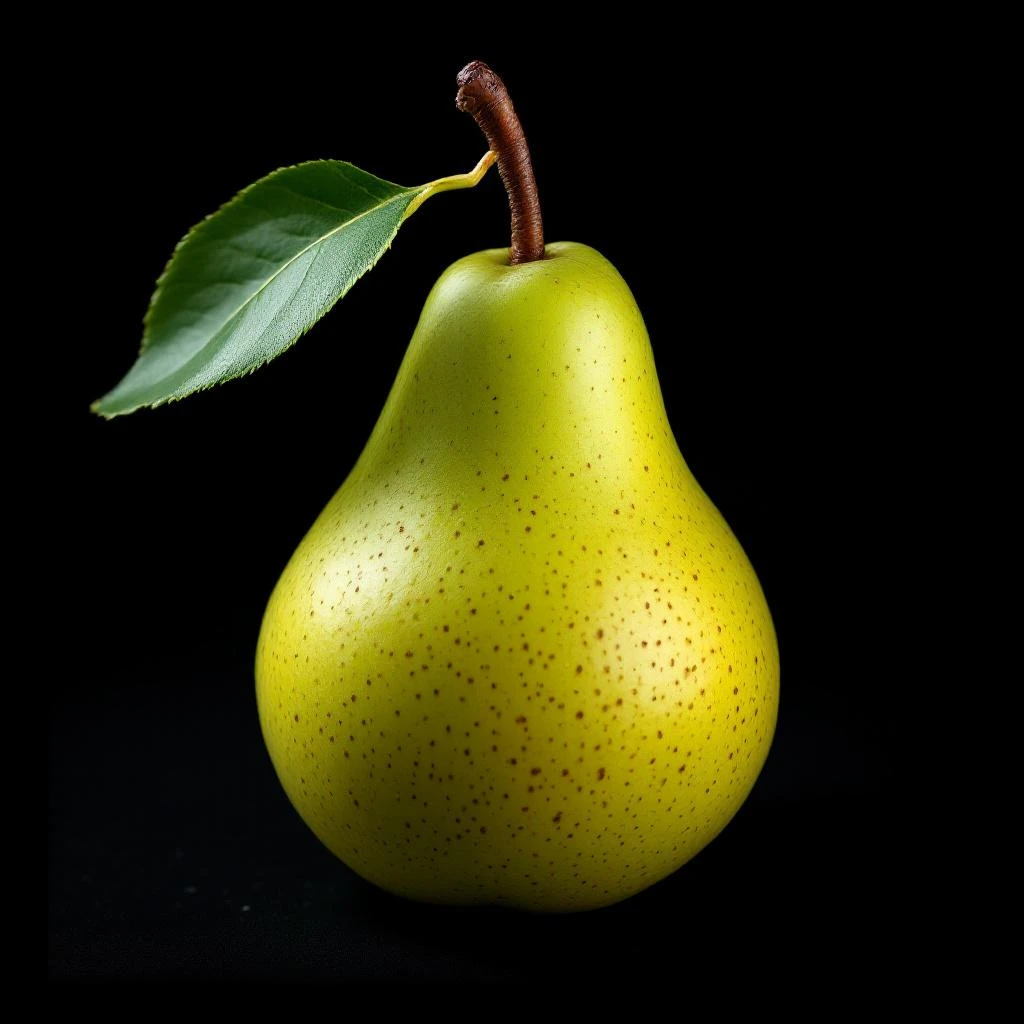
Pear Skin
Pear Skin captures the crisp, waxy freshness of the fruit's outer layer—the bright, slightly aldehydic scent that hits the nose before the sweeter flesh is revealed. A delicate note that brings immediate lift and effervescence to fragrance compositions.
Character
How it smells
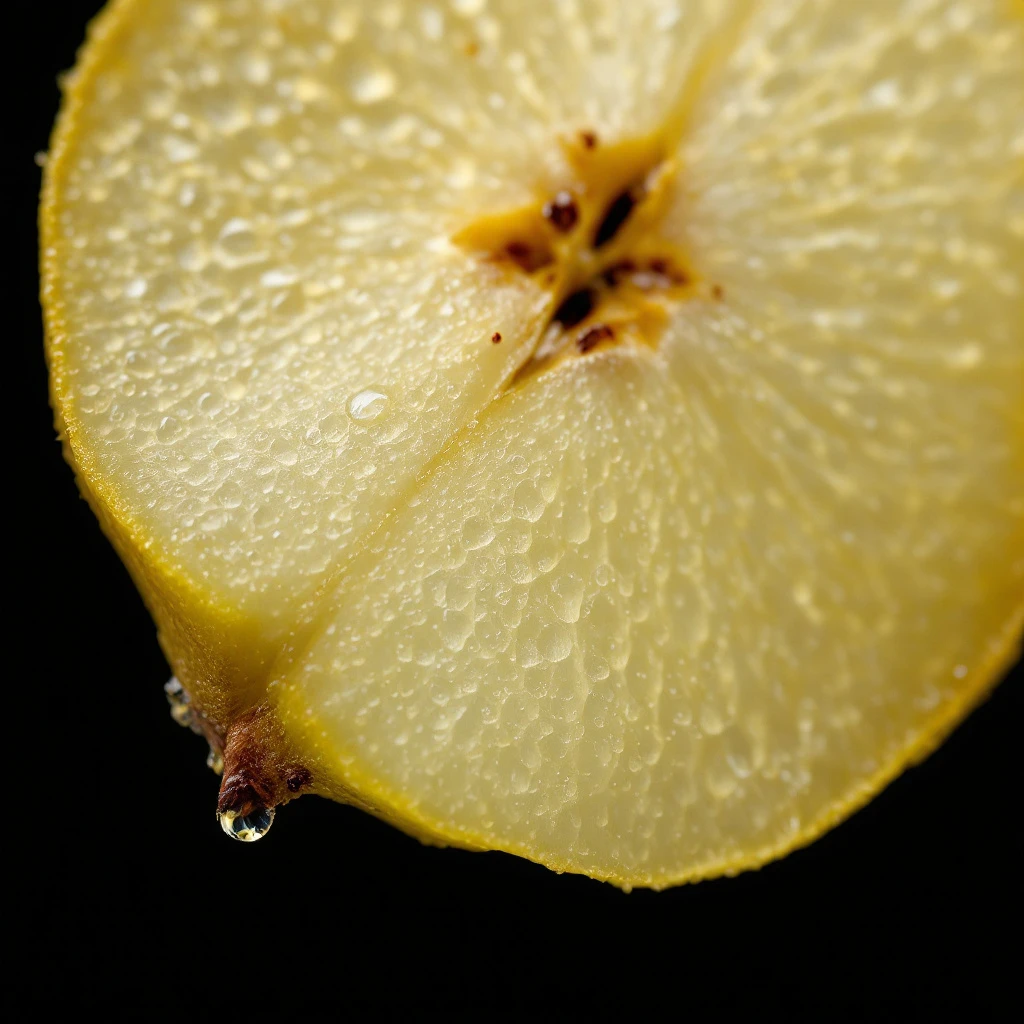
The crisp, waxy freshness of ripe pear skin.
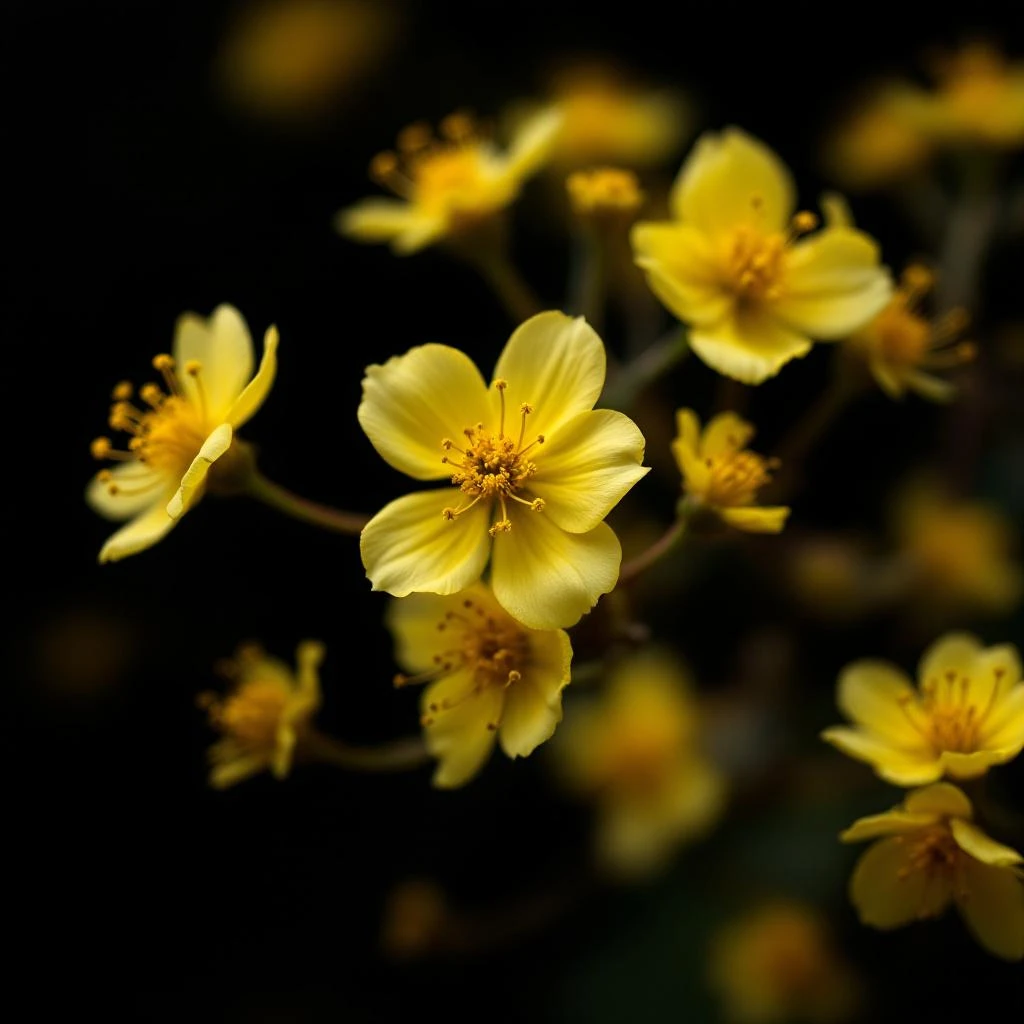
The pear belongs to the Rosaceae family, sharing botanical kinship with roses, almonds, and hawthorn.




Origin
South-eastern Europe
Pears rank among the oldest cultivated fruits, with evidence of human consumption dating back to prehistoric Europe. The species Pyrus communis grew wild across south-eastern Europe, and ancient Greeks and Romans quickly elevated it from wild food to prized luxury. Roman authors wrote extensively about pear varieties, with some accounts suggesting pears were so treasured that they were offered to deities and used as gifts among the elite.
The word perfume itself derives from the Latin per fumum, meaning through smoke, reflecting the ancient practice of burning aromatic plant matter. Pear flesh and peel featured in early pomanders and aromatic preparations, though extracting a durable pear fragrance proved elusive for pre-modern perfumers. The Pear Skin note as understood in contemporary perfumery emerged only in the twentieth century, when advances in aroma chemistry allowed perfumers to isolate and reconstruct the specific volatile compounds responsible for the fruit's characteristic freshness.
Today, China produces more pears than any other nation, yet the original European pear traditions continue to influence how perfumers conceptualize and reference this beloved note.
Wears it best
Fragrances featuring Pear Skin
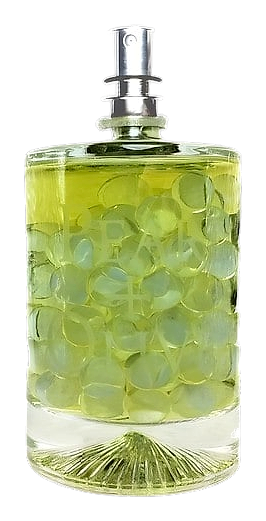
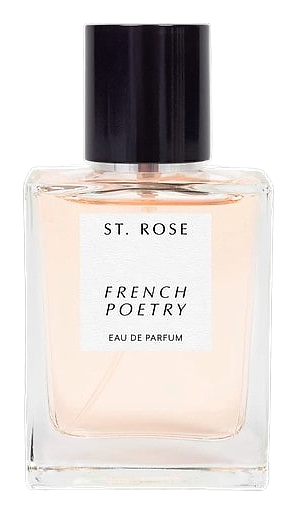
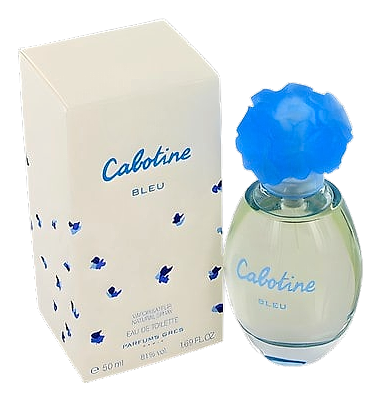
Brands
Brands known for Pear Skin
Good to know
Questions, answered
The essentials on Pear Skin in perfumery: how it smells, where it comes from, and how it behaves on skin.
What does Pear Skin smell like in a fragrance?
Pear Skin smells crisp, fresh, and slightly waxy with green, aldehydic brightness. It evokes the cool, clean sensation of biting into a ripe pear, with less sweetness than the fruit's flesh and more of that immediate, effervescent lift that opens the top notes of a fragrance.
Is Pear Skin made from real pears?
Pear Skin is typically synthesized using aroma chemicals that replicate the scent of the fruit's outer layer. Fresh pears yield minimal fragrance material, so perfumers recreate the note using compounds like hexyl acetate and aldehydes to achieve a consistent, long-lasting effect.
How long has the pear note been used in perfumery?
Pears have appeared in perfumery for centuries, though reliably extracting a durable pear fragrance proved difficult before modern chemistry. The specific Pear Skin character became achievable only in the twentieth century through aroma chemical synthesis.
What fragrance families pair well with Pear Skin?
Pear Skin is most common in bright florals, chypres, and modern aquatic compositions. It also appears in fresh fougeres and green aldehydic fragrances, where its crispness provides lift and immediacy to the opening.
How does Pear Skin differ from pear flesh or pear blossom?
Pear Skin emphasizes the fresh, waxy quality of the fruit's outer layer, while pear flesh would be sweeter and riper. Pear blossom references the flower, which carries a lighter, more floral character. Each note occupies a distinct position in a fragrance's composition.
Which countries produce the raw materials for synthetic pear notes?
The aroma chemicals used to build Pear Skin notes are produced industrially across Europe, North America, and Asia. China, the world's largest pear producer, also hosts facilities that manufacture the key aromatic molecules used in perfumery worldwide.
Does Pear Skin have any fragrance associations in fragrance pyramids?
In standard fragrance pyramids, Pear Skin functions as a top note, contributing that immediate burst of freshness that hits the nose first. It is ephemeral by nature, lasting typically fifteen to thirty minutes before the heart notes take over.
How can I tell if a perfume features a prominent Pear Skin note?
Perfumes with strong Pear Skin notes typically open with bright, green, slightly waxy freshness and a clean aldehydic sparkle. The scent reads as watery and crisp, without heavy sweetness. Check the fragrance's listed top notes for pear or green apple associations.