Massoia
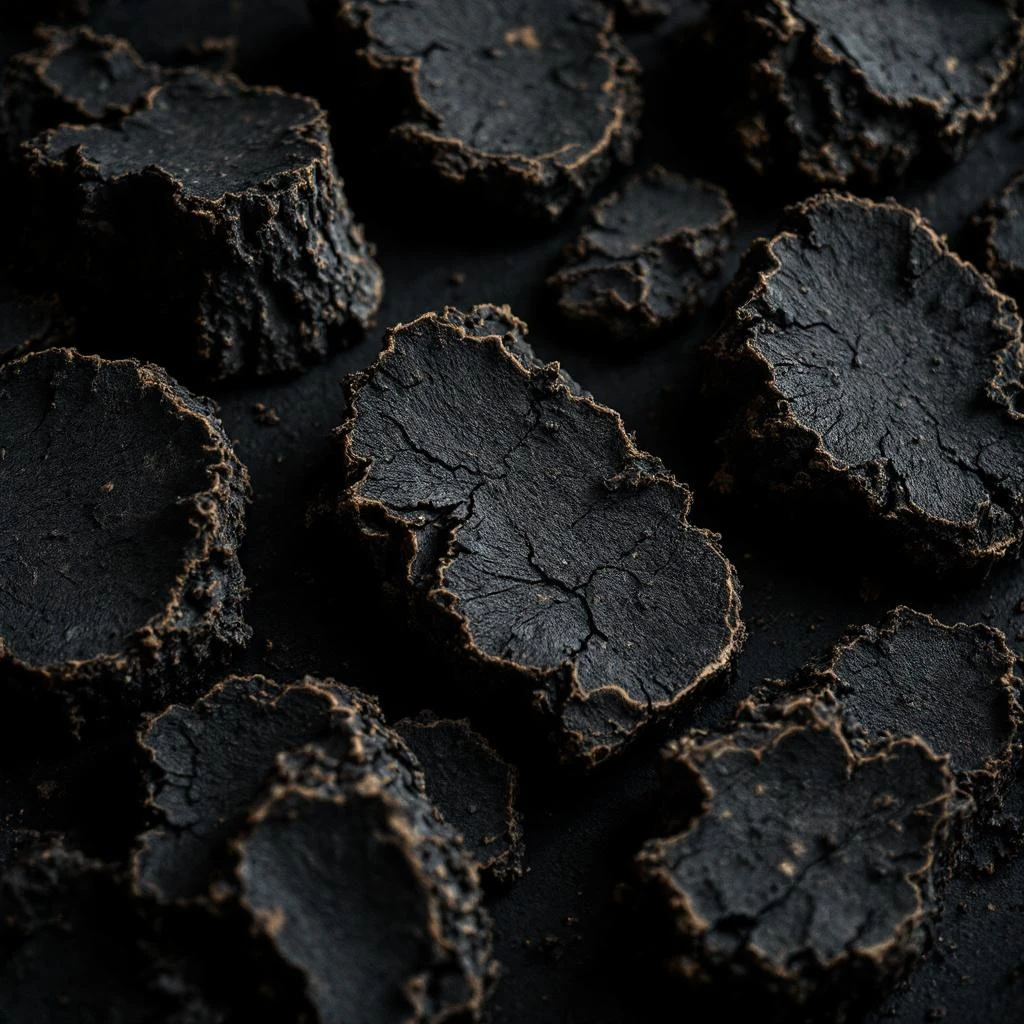
Massoia brings an unusual creamy, coconut-like warmth to perfumery, a lactonic richness rarely found in woody materials. This tropical bark-derived ingredient creates depth that feels almost edible.
Character
How it smells
Tropical cream in bark form.
Massoia oil was virtually unknown in Western perfumery until Jean-Claude Ellena made it the centerpiece of his 2007 Hermessence Santal Massoia.






Origin
Indonesia
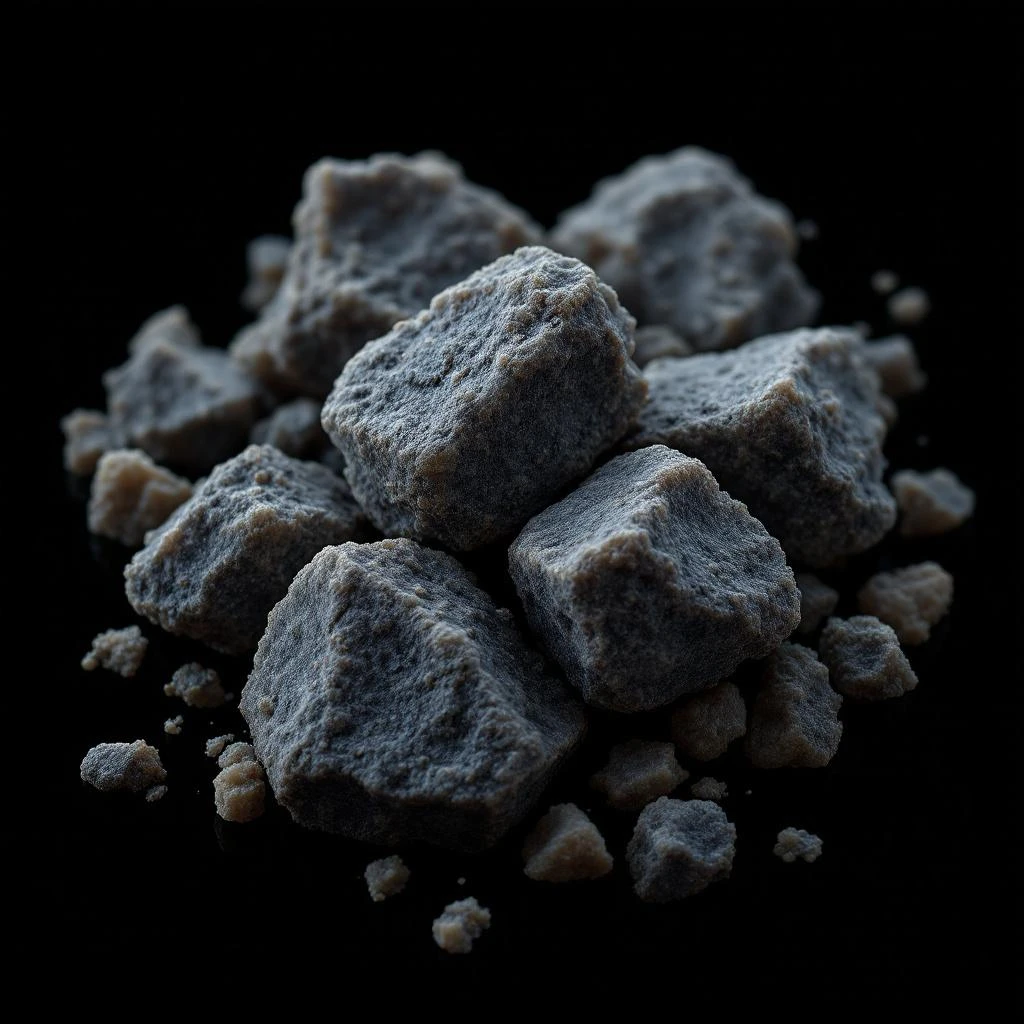
The Massoia tree grows in the tropical forests spanning New Guinea and the Indonesian archipelago. Local communities used the bark for various purposes long before Western perfumery took notice.
The ingredient remained largely unknown outside regional traditional medicine until fragrance chemists began studying Southeast Asian aromatic plants in the late twentieth century. Its breakthrough came in 2007 when perfumer Jean-Claude Ellena built an entire fragrance around it.
Hermessence Santal Massoia challenged assumptions about woody materials, using Massoia's creaminess to reinterpret sandalwood themes. The success prompted other houses to explore the ingredient, though sustainable sourcing remains an ongoing concern since all current supply comes from wild-harvested trees.
Wears it best
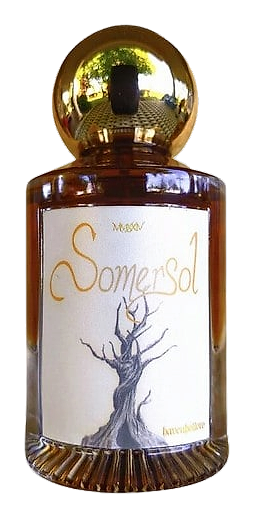
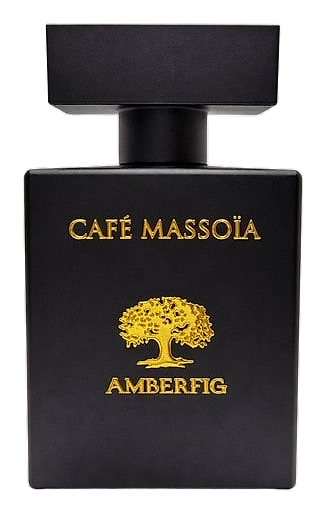
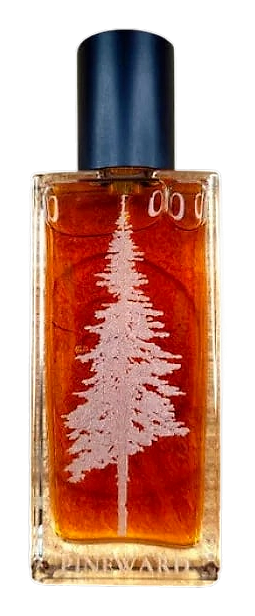
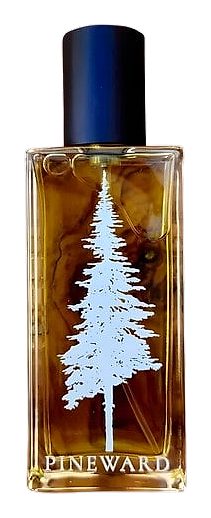
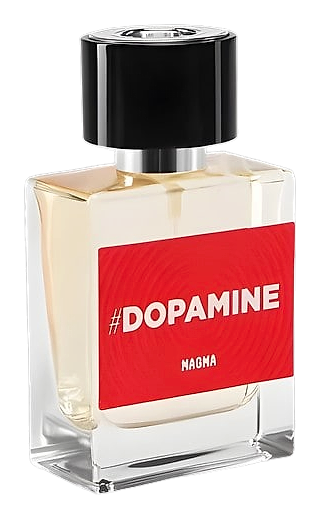
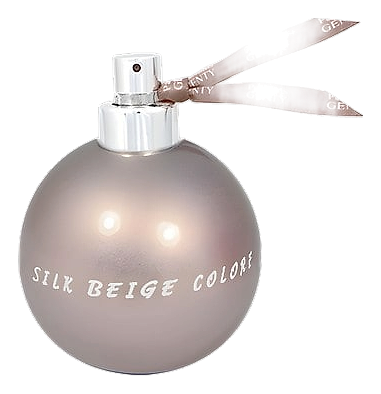
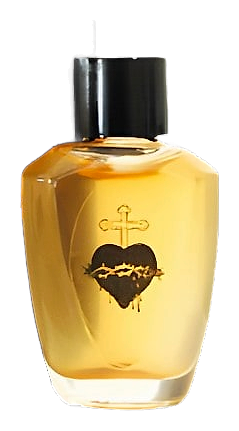
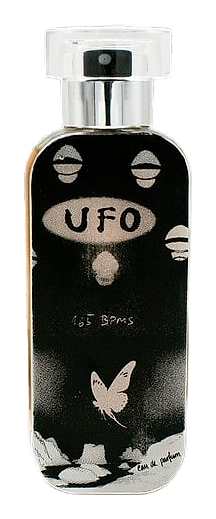
Fragrances featuring Massoia
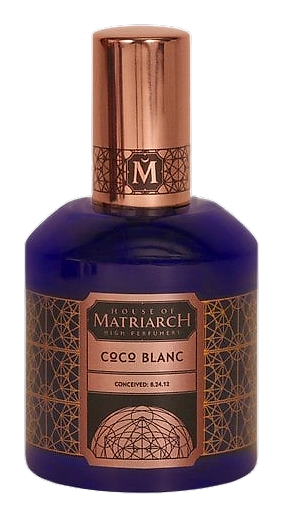
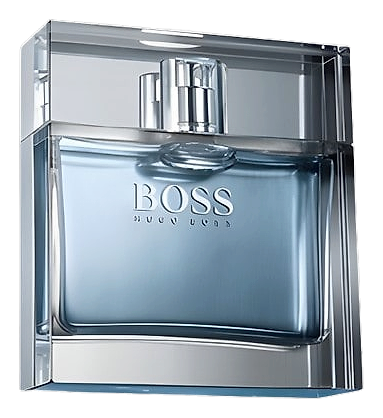
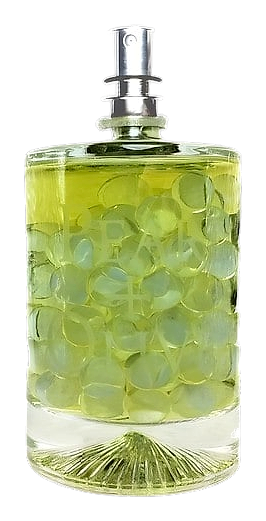
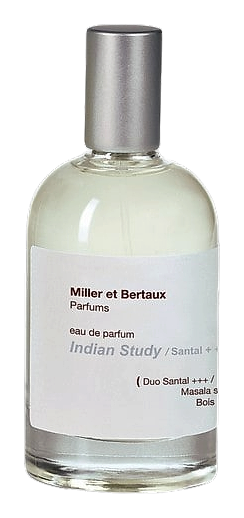
Brands
Brands known for Massoia
Good to know
Questions, answered
The essentials on Massoia in perfumery: how it smells, where it comes from, and how it behaves on skin.
What does massoia smell like?
Massoia offers a creamy, coconut-like scent with lactonic warmth. It combines sweet, buttery notes with a subtle woody base. The result feels almost edible, setting it apart from typical wood-derived ingredients.
Is massoia a natural or synthetic ingredient?
Massoia is a natural ingredient sourced from the bark and wood of the Cryptocarya massoia tree. No synthetic equivalent fully replicates its complex lactonic character. Perfumers consider it a rare natural material with no straightforward synthetic replacement.
What perfumes feature massoia as a main note?
Jean-Claude Ellena's Hermessence Santal Massoia (2007) first showcased massoia as a signature ingredient. Other fragrances incorporating it include Amouage Enclave and Parfums de Nicolaï New York. It typically appears in oriental and woody compositions.
Where does massoia grow?
The Cryptocarya massoia tree grows in tropical forests across New Guinea and the Indonesian archipelago, particularly in Papua and Maluku regions. The tree thrives in humid lowland environments at elevations below 800 meters.
Is massoia oil sustainable?
Massoia faces sustainability challenges since all current supply comes from wild-harvested trees. No commercial plantations exist. Some suppliers now work directly with harvesting communities to ensure responsible collection methods and fair compensation.
How is massoia oil extracted?
Producers obtain massoia oil through steam distillation of dried bark and wood chips. The process requires significant quantities of raw material due to relatively low oil yields. Distillation typically runs 8-12 hours per batch.
What fragrance family uses massoia?
Massoia appears mainly in oriental and woody fragrances. Its creamy, lactonic quality makes it useful for creating warmth and depth. Perfumers pair it with sandalwood, vanilla, and various spice notes to build rich, enveloping compositions.
Does massoia remind you of coconut?
Massoia's lactonic character does resemble coconut, but with additional complexity. It combines creamy, buttery notes with woody undertones that coconut lacks. The result feels more sophisticated than simple coconut, with a subtle warm, almost caramel nuance.



