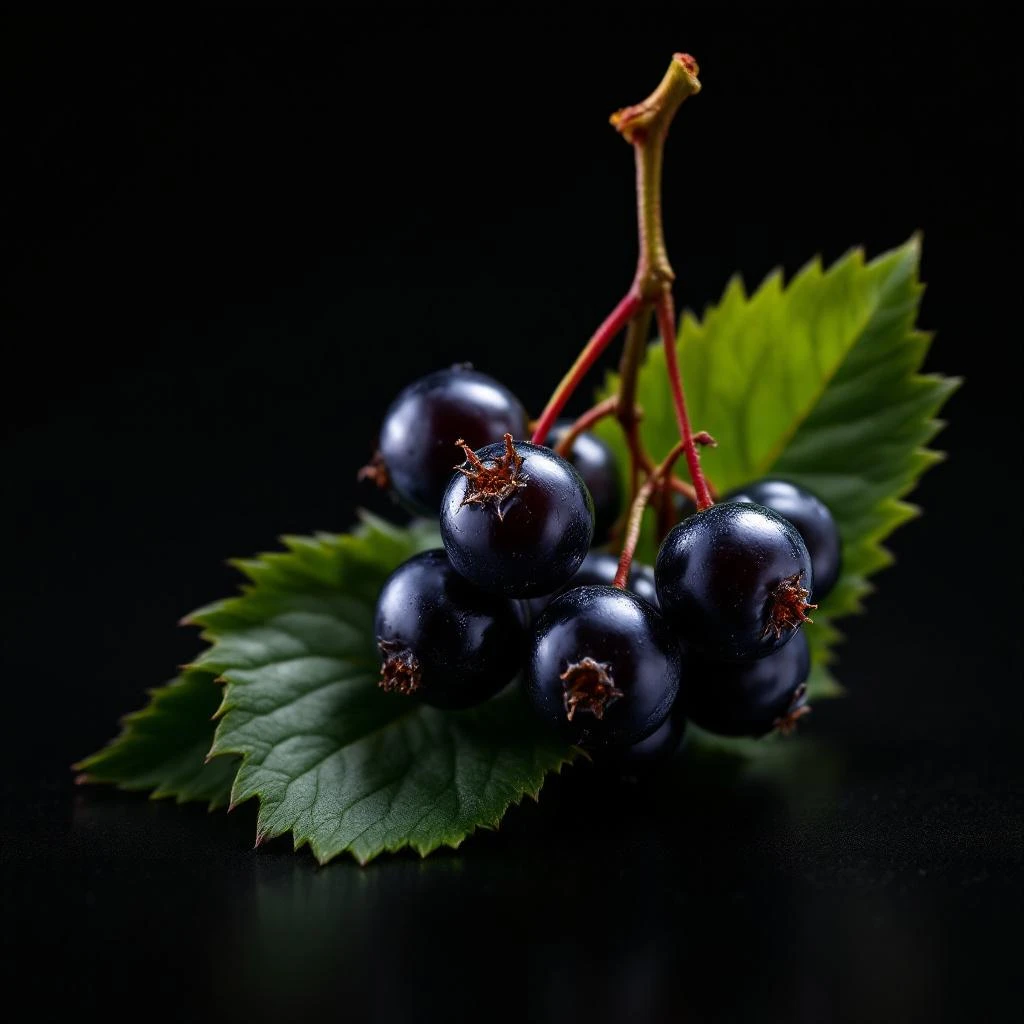
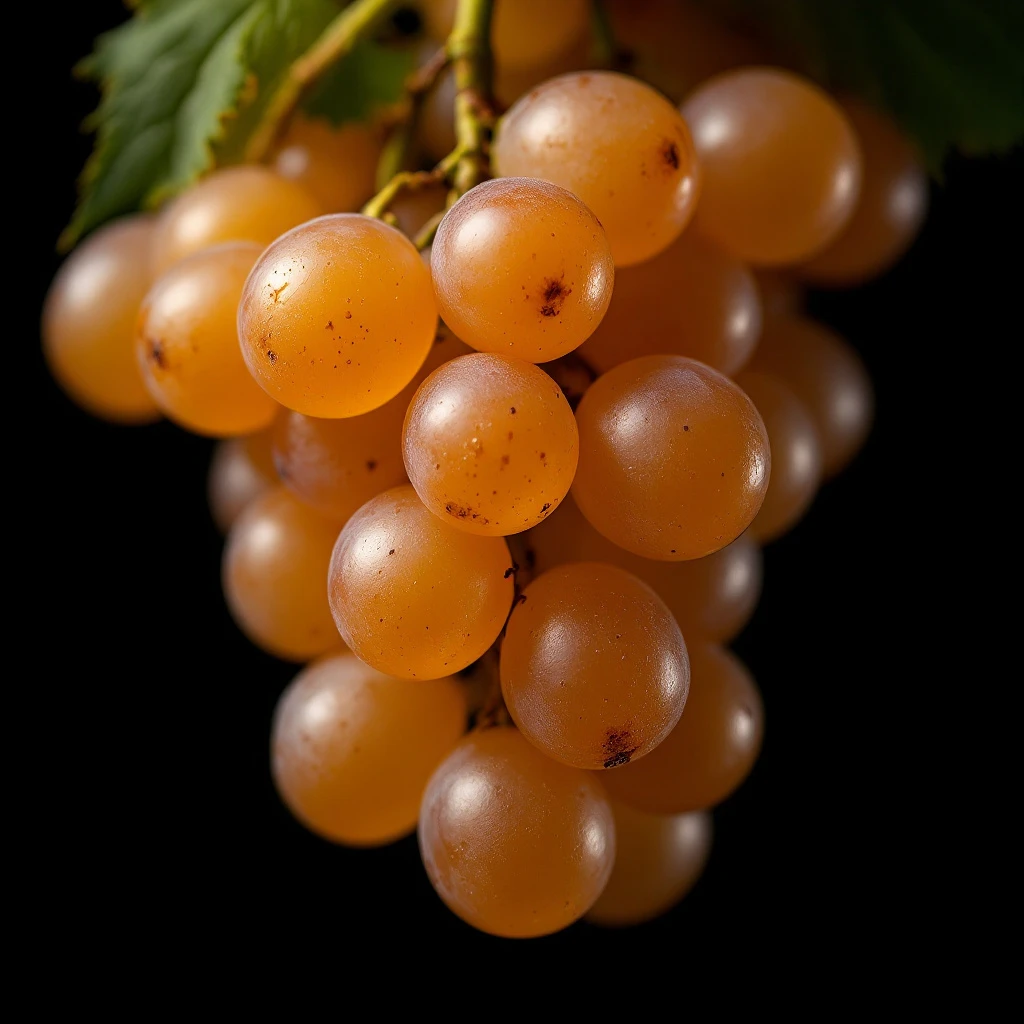
Cognac Grape
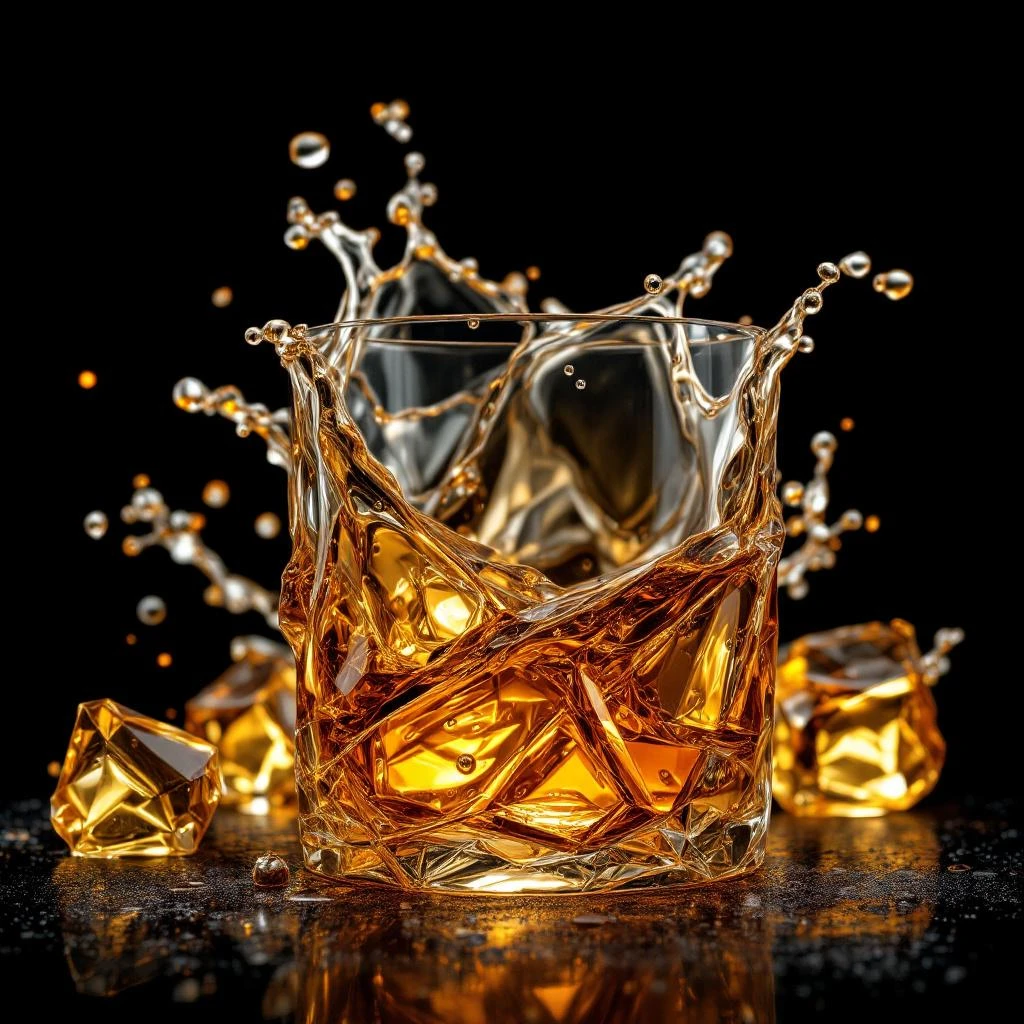
Rich, warm, and slightly sulfurous, cognac oil captures the essence of aged French spirit in a bottle. Extracted from the lees of wine made from Vitis vinifera grapes, this note brings unexpected depth to fragrances.
Character
How it smells
The warm embrace of aged French spirit lees.
Cognac oil is so potent that perfumers typically use it at concentrations below 1% in final formulations.

Origin
France
The use of grapes in perfumery stretches back to ancient Egypt around 2000 BCE, where they appeared in Kyphi—a sacred incense blend. French cognac itself emerged later when Arab physicians in the 12th century developed distillation techniques that European winemakers would eventually apply to their wines. By the 1600s, French producers began deliberately distilling wine into brandy, discovering that certain regional wines produced superior spirits.
The Charente region's unique terroir and double distillation process created what we now call cognac, earning protected designation by the early 1900s. Contemporary perfumers source cognac oil for its rich associations: leather, tobacco, dark fruit, and the warmth of aged spirit—all qualities that elevate fragrance compositions.
Wears it best
Fragrances featuring Cognac Grape
Brands
Brands known for Cognac Grape
Good to know
Questions, answered
The essentials on Cognac Grape in perfumery: how it smells, where it comes from, and how it behaves on skin.
What does cognac smell like in perfumery?
Cognac oil smells warm, rich, and slightly sweet with brandy-like qualities. It carries sulfurous undertones and dark fruit notes reminiscent of dried grapes and aged spirit.
Is cognac oil a natural ingredient?
Yes, cognac oil is a natural aromatic extract derived from wine lees. It comes from the actual byproduct of cognac production through hydrodistillation.
What fragrance families use cognac?
Cognac appears primarily in oriental and woody fragrances. It pairs exceptionally well with amber, vanilla, tobacco, and leather notes to create warm, sophisticated compositions.
Is cognac safe for skin in fragrances?
Yes, cognac oil is IFRA-approved for cosmetic use when properly diluted. Typical usage concentrations stay below 1% in fragrance formulations.
What grapes are used in cognac production?
Ugni Blanc is the primary grape variety for cognac production. Colombard is another traditional grape grown in the Charente region.
How is cognac oil different from actual cognac spirit?
Cognac oil captures aromatic compounds from wine lees rather than the distilled spirit itself. The oil delivers a concentrated version of cognac's characteristic warm, sulfury notes.
What perfumes feature cognac as a note?
Cognac appears in numerous luxury fragrances, particularly men's oriented compositions. It works well in amber, oriental, and woody fragrance families.
Where does cognac oil originate?
Cognac oil production centers on the Charente region of western France. This geographic origin connects directly to the protected cognac appellation.