Peach Cake
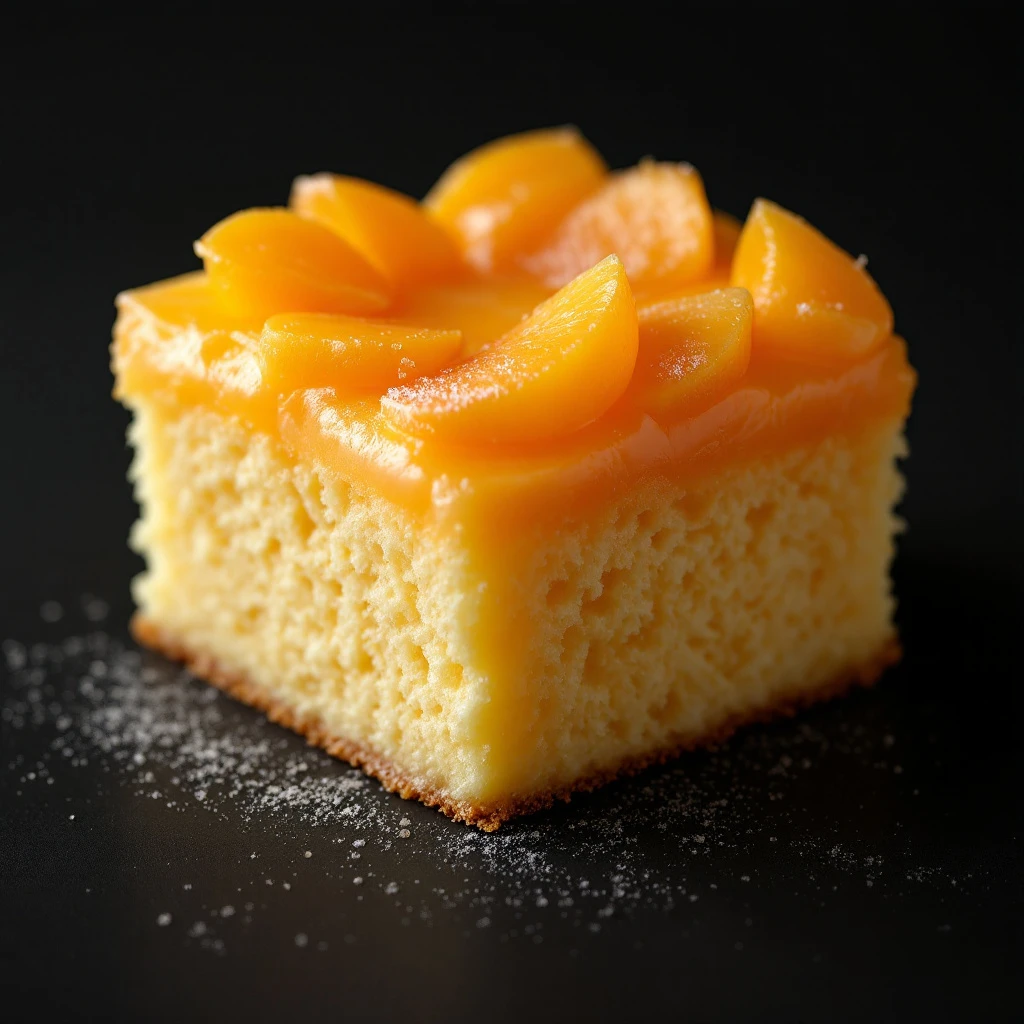
Peach Cake captures the warm, golden moment when ripe peach slices sink into buttery batter fresh from the oven. A gourmand note built on lactonic sweetness, toasted sugar, and the soft floury warmth of baked dough.
Character
How it smells
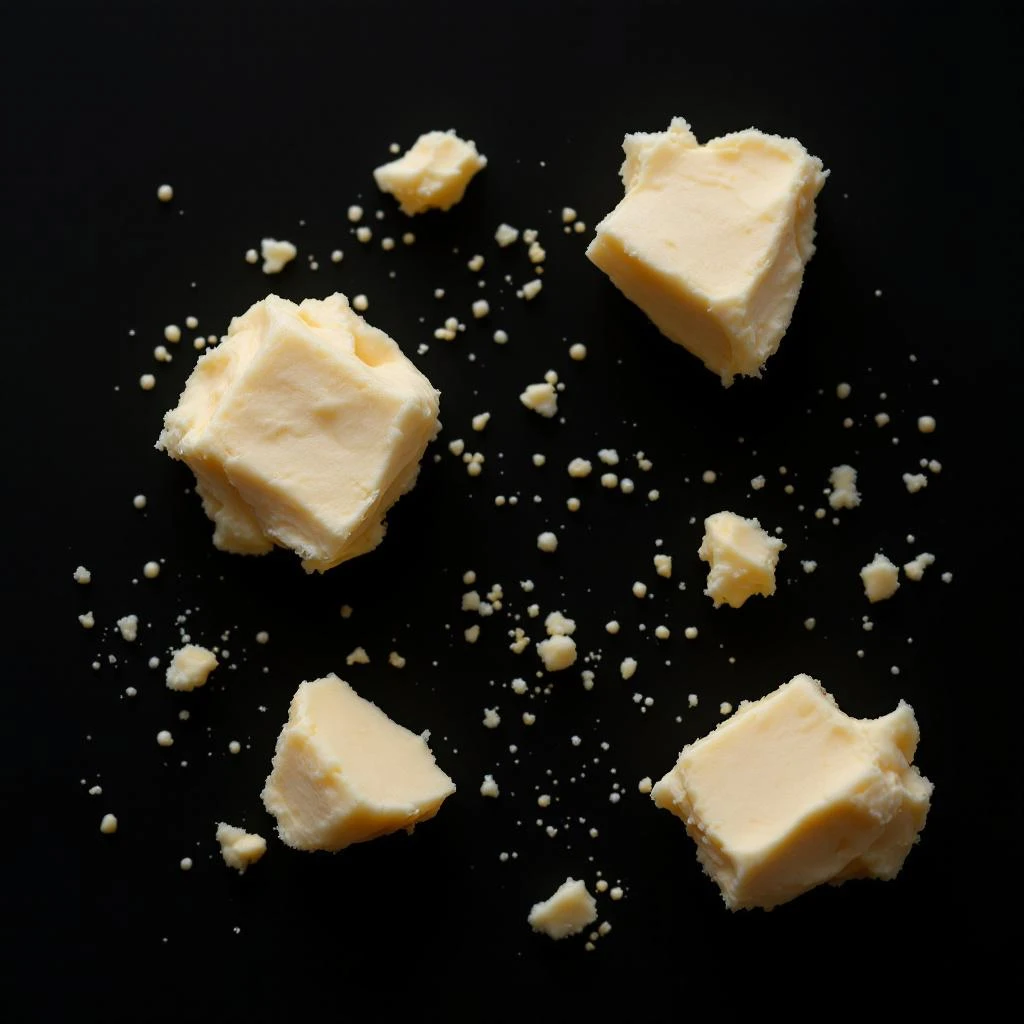
Buttery peach, warm from the oven
Natural peach essence is notoriously hard to capture because the aroma molecules degrade the moment the fruit is picked, so most peach cake accords rely on a blend of lactones and aldehydes.





Origin
France
Peach as a motif in perfumery arrived late compared to most fruit notes. Throughout the nineteenth century, fine fragrance relied on steam-distilled and expressed natural oils, and peach resisted this approach stubbornly. The fruit's delicate aroma compounds, particularly the lactones responsible for its characteristic scent, break down rapidly after harvest.
No efficient extraction method could capture a true peach oil at commercial scale. This changed in the mid-twentieth century when chemists identified gamma-undecalactone as the key peach aroma molecule and developed practical synthetic routes to produce it. Suddenly perfumers had a reliable peach note to work with, and it began appearing in fragrances throughout the 1970s and 1980s.
The peach cake variation, layering that synthetic peach character over vanillin, maltol, and buttery diacetyl, emerged as gourmand perfumery expanded in the 1990s and 2000s. The Baltimore peach cake tradition, rooted in the city's German immigrant community and advertised in local papers as early as the 1900s, gave the scent its cultural anchor in American dessert history.
Wears it best
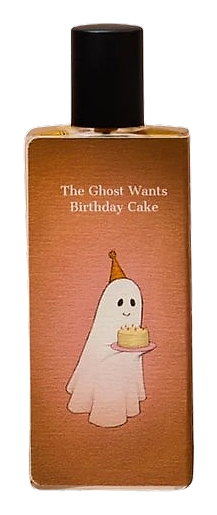
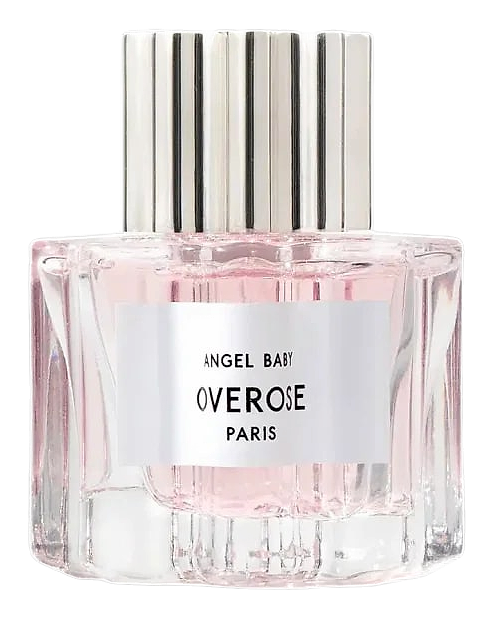
Fragrances featuring Peach Cake
Good to know
Questions, answered
The essentials on Peach Cake in perfumery: how it smells, where it comes from, and how it behaves on skin.
Is peach cake a natural or synthetic fragrance note?
Peach cake is a synthetic gourmand accord. No single natural extract captures both the ripe peach and baked-dough qualities. Perfumery reached this scent through aroma chemicals developed from the mid-twentieth century onward, particularly gamma-undecalactone.
What does peach cake smell like in perfume?
Expect soft, lactonic peach sweetness layered over buttery vanilla and toasted sugar notes. The accord often carries a faint floury warmth reminiscent of cake batter, balanced against the juicy fruit character without becoming syrupy.
Which fragrance families feature peach cake notes?
Peach cake belongs firmly to the gourmand family, which emerged prominently in the 1990s. It occasionally crosses into fruity floral compositions where a warm, edible sweetness anchors brighter top notes.
Why can't peach be extracted like other fruits?
Natural peach aroma molecules degrade within hours of picking, making steam distillation or cold pressing commercially impractical. Chemists identified gamma-undecalactone as the key compound in the mid-twentieth century, unlocking reliable synthetic peach accords.
What is gamma-undecalactone and why is it important?
Gamma-undecalactone, also called aldehyde C-14, is the lactone molecule responsible for peach's characteristic fuzzy sweetness. It can be produced via biotech fermentation or synthesized from castor oil derivatives, and forms the backbone of nearly every peach note in modern perfumery.
Which ingredients support the baked cake element?
Vanillin contributes warm vanilla sweetness, maltol adds caramelized toasted sugar notes, and trace diacetyl supplies the buttery richness. Some formulations include pyrazines for a faint nutty, floury undertone suggesting baked dough.
When did peach cake notes first appear in perfumery?
Peach notes entered mainstream perfumery during the 1970s and 1980s once synthetic lactones became commercially available. The peach cake variation specifically emerged during the gourmand boom of the 1990s and 2000s.
Are peach cake fragrances suitable for sensitive skin?
Sensitivity depends on the full formula rather than the peach cake accord alone. Synthetic lactones and vanillin are generally well tolerated, but individual fragrance compositions vary. Patch testing remains the most reliable approach for anyone with known sensitivities.





