Orange Peels
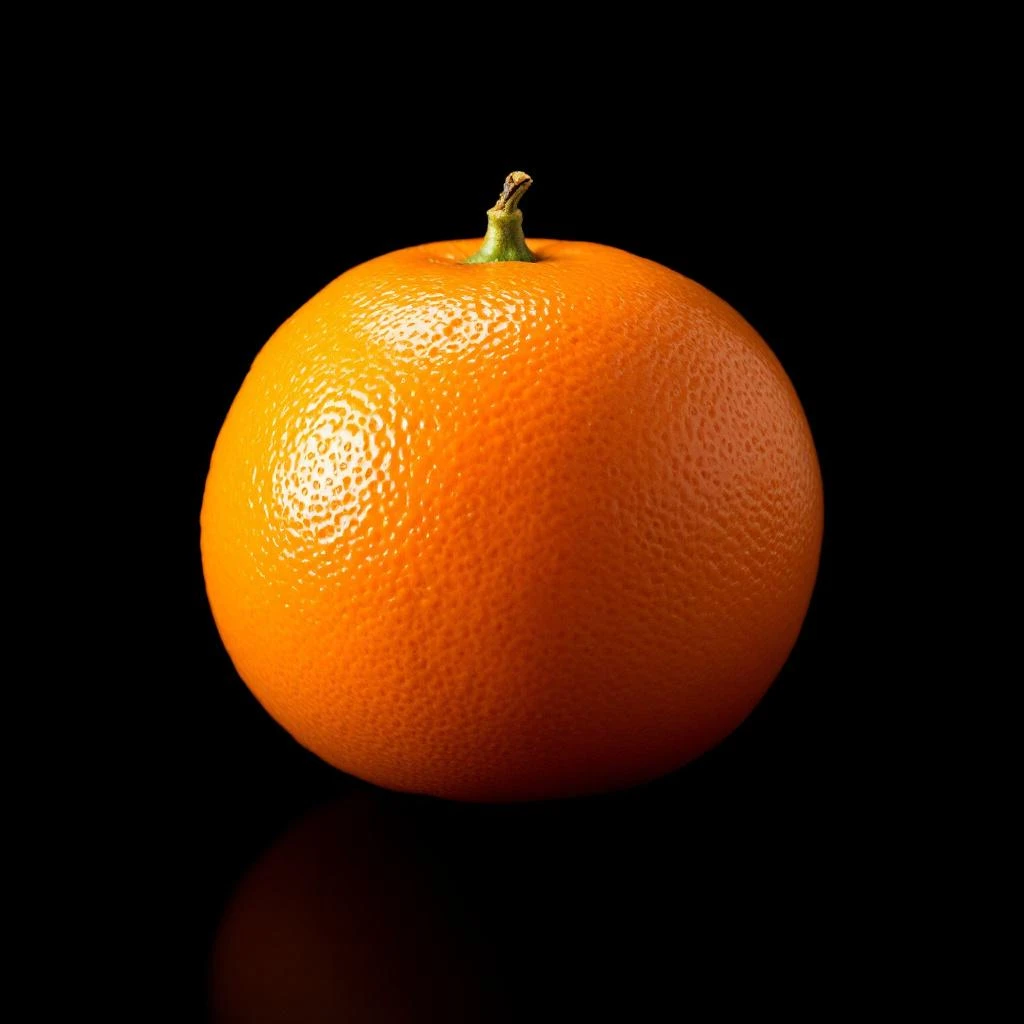
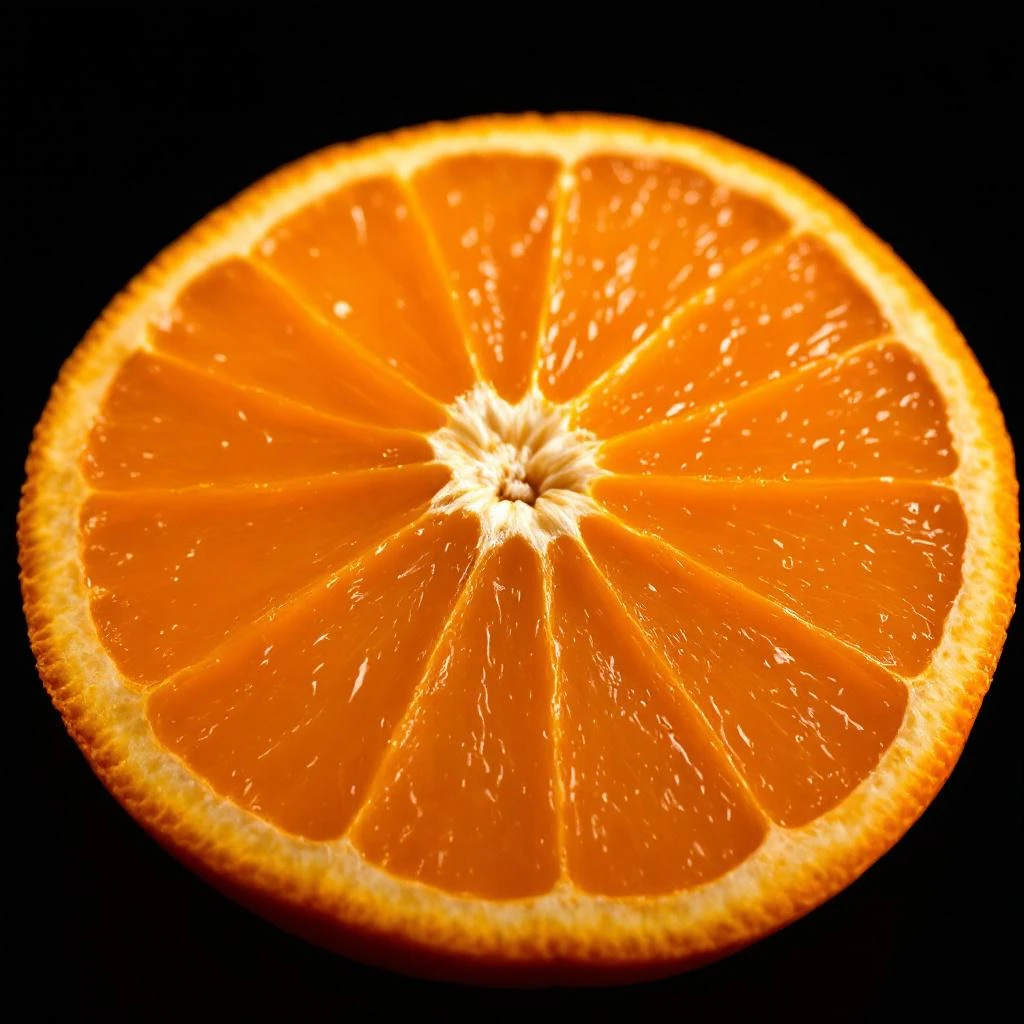
Orange peels deliver one of perfumery's most vibrant citrus oils. Cold-pressed from the flavedo layer of ripe oranges, this zesty, sun-drenched material brings immediate brightness and a juicy, energizing quality that lifts almost any composition.

Character
How it smells
Bright, zesty, and irresistibly sunny.
The same cold-pressed orange peel oil used in perfume is also classified as a food-grade product, meaning the bottle on your perfumer's bench likely meets the same safety standards as your morning juice.





Origin
Brazil
Citrus cultivation stretches back thousands of years, with oranges among the first fruit trees deliberately propagated by humans across subtropical regions. Ancient Mediterranean cultures prized citrus for fragrance, medicine, and ritual, and orange peel preparations appear in early herbal and perfumery texts.
By the 16th century, orange groves had become established features of European estates, and Italian citrus-producing regions developed hand-pressing techniques using sponges to collect expressed oils. The city of Grasse in southern France became the epicenter of European perfumery, including citrus oil production, until a devastating frost in 1956 destroyed most of the local orange groves.
This event permanently shifted large-scale neroli and citrus oil production to North Africa, where Morocco, Tunisia, and Algeria had already been cultivating bitter orange trees for generations. Today, Brazil, the United States, and Mediterranean countries lead in commercial orange production, while perfume houses source cold-pressed orange peel oil from specialized aromatic suppliers who work directly with fruit processing operations that otherwise discard the peels as waste.
Wears it best
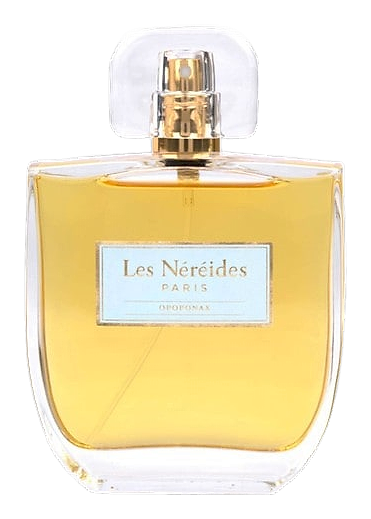
Fragrances featuring Orange Peels
Brands
Brands known for Orange Peels
Good to know
Questions, answered
The essentials on Orange Peels in perfumery: how it smells, where it comes from, and how it behaves on skin.
What does orange peel oil smell like in perfume?
Orange peel oil smells bright, zesty, and distinctly fruity. It carries a fresh, almost juicy quality with a crisp peel character that reads as sunny and energizing in the top notes of a fragrance.
Is orange peel oil natural or synthetic?
Orange peel oil is a natural ingredient obtained through cold mechanical pressing of the orange fruit's outer peel layer. Synthetic alternatives exist, but natural cold-pressed orange peel oil is widely available and commonly used in fine perfumery.
What role does orange peel play in fragrance compositions?
Orange peel oil functions primarily as a top note, providing immediate brightness and citrus lift. Perfumers use it to add energy and freshness to compositions, often pairing it with complementary citruses like bergamot or lemon to deepen the effect.
How is orange peel oil extracted for perfumery?
Perfumers extract orange peel oil by cold expression, a mechanical process that presses the flavedo layer to rupture oil glands. No heat or solvents are used, which helps preserve the fresh, fruity aroma characteristic of the material.
What is the main chemical component in orange peel oil?
The dominant component is d-limonene, which can make up more than 90 percent of the oil by volume. This compound is responsible for the strong citrus scent and also acts as a natural solvent in fragrance formulations.
Is orange peel oil sustainable to produce?
Yes. Orange peel oil is often produced from waste material generated by the juice industry, where the peels would otherwise be discarded. This upcycling makes the ingredient relatively sustainable compared to crops grown specifically for aromatic extraction.
Which perfume families use orange peel oil most often?
Orange peel oil appears most frequently in fresh citrus fragrances and energetic compositions across colognes, chypres, and modern woody-fresh formulas. Its versatility also makes it a common modifier in fruity and aromatic fragrances.
Does orange peel oil last long on the skin?
Orange peel oil is a fleeting top note. On skin, its brightness typically fades within 30 minutes to two hours, which is why perfumers layer it with longer-lasting heart and base notes to preserve the fragrance's overall trajectory.