The Heritage
The Story of Les Nereides
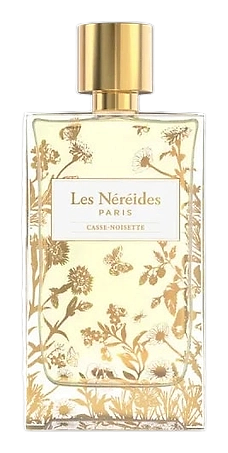
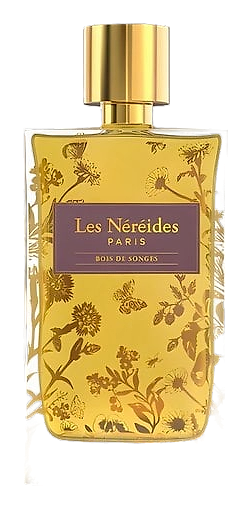
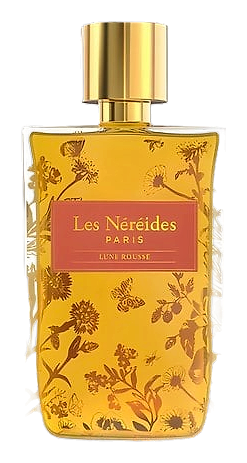
Les Néréides began as a costume‑jewelry atelier in Nice before extending its creative impulse to fragrance. The brand translates the sparkle of its metalwork into scented narratives that echo the sea‑nymph myth that inspired its name. Recent releases such as Lune Rousse (2025) and Bois de Songes (2025) illustrate a continued dialogue between visual ornament and olfactory composition, offering collectors a sensorial extension of the house’s decorative heritage.
Heritage
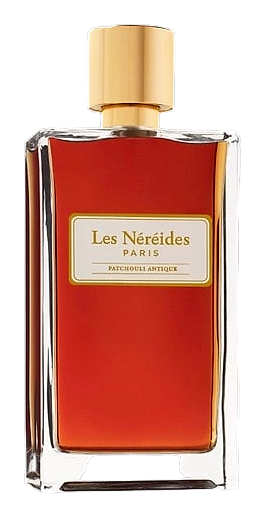
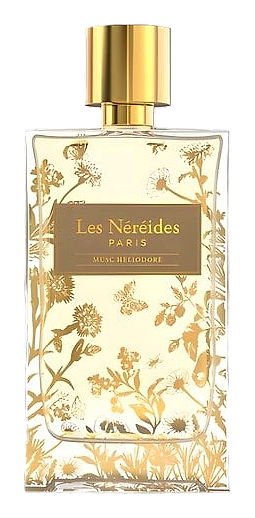
In 1980 Italian‑Belgian designers Pascale and Enzo Amaddeo opened a boutique in Nice that specialized in high‑end costume jewelry. Their pieces, often rendered in enamel and semi‑precious stones, quickly attracted a clientele that appreciated both craftsmanship and storytelling. By the early 1990s the couple began experimenting with scent, seeking a medium that could convey the same narrative depth as a jeweled brooch. The first fragrance, a limited‑edition scent released in 1995, was presented in a bottle capped with a miniature replica of one of their signature pendants, establishing a visual link that would become a hallmark of the brand. A move to Paris in 2005 placed the house within the capital’s perfume district, allowing collaborations with independent French perfumers and access to a broader range of raw materials. In 2010 the brand launched a dedicated perfume line under the Les Néréides name, separating the fragrance portfolio from the jewelry collection while retaining the same aesthetic principles. The 2019 release of Patchouli Antique marked the first fragrance to be marketed without a jewelry counterpart, signalling confidence in the scent line’s independent identity. Recent years have seen a rapid expansion of the catalogue, with multiple 2024‑2025 launches such as Casse‑Noisette and Musc Héliodore, each accompanied by bespoke bottle designs that reference the house’s ornamental roots. Throughout four decades, Les Néréides has maintained a consistent narrative: a celebration of femininity expressed through both metal and aroma, anchored in the mythic image of sea nymphs that first gave the house its name.
Craftsmanship
Production at Les Néréides follows a small‑batch model that mirrors the limited runs of its jewelry pieces. Raw materials are sourced from established suppliers in Grasse, Madagascar, and the Balkans, with a preference for natural absolutes and essential oils that meet strict purity standards. Each fragrance undergoes a three‑stage testing process: an initial aromatic sketch created by the perfumer, a refinement phase where the house’s creative director evaluates balance against the intended visual motif, and a final stability assessment conducted in a climate‑controlled laboratory. Bottles are hand‑blown in French glass workshops; the glass is often tinted to match the enamel palette of the corresponding jewelry collection. Caps are crafted from brass or pewter and sometimes feature a miniature gemstone set, a direct nod to the brand’s origins. Quality control includes both analytical testing for concentration consistency and sensory evaluation by a panel of trained noses, ensuring that each release meets the house’s exacting standards before it reaches the market. The brand also maintains a limited‑edition archive, preserving original formulae and packaging for future reissues, a practice that underscores its commitment to longevity and heritage.
Design Language
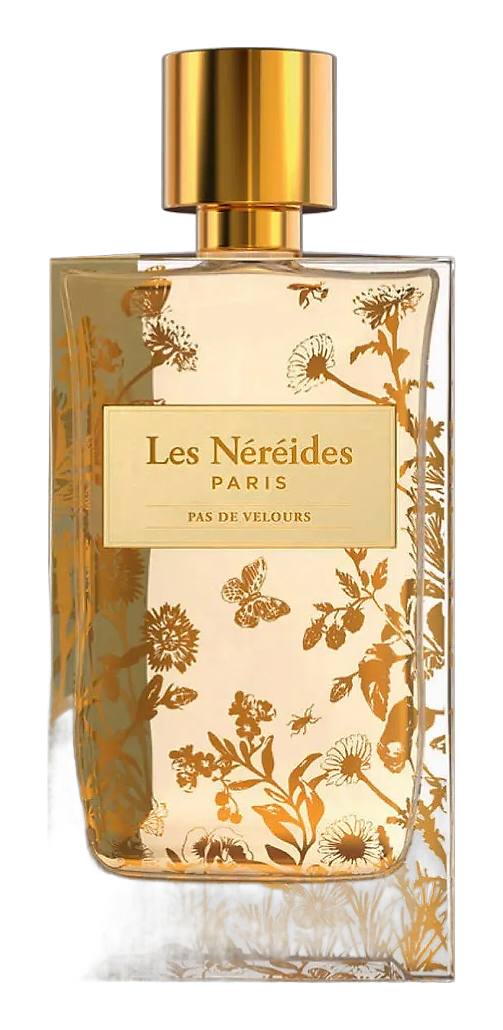
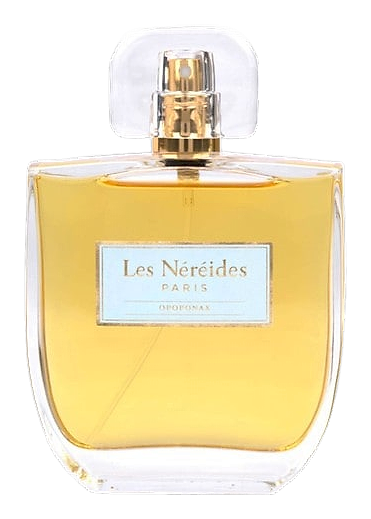
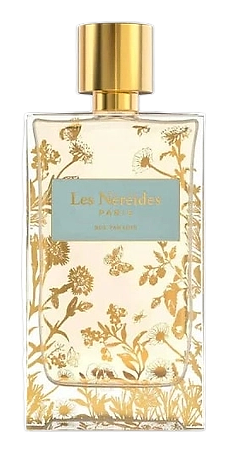
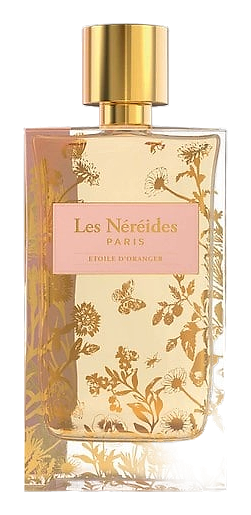
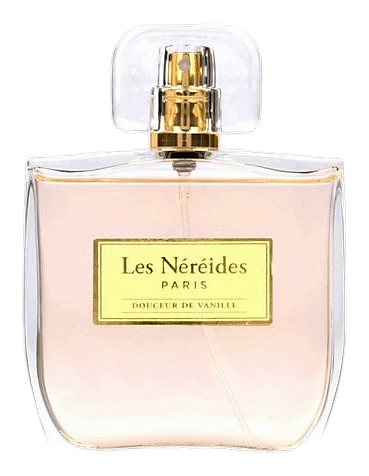
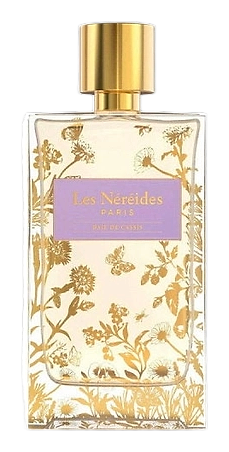
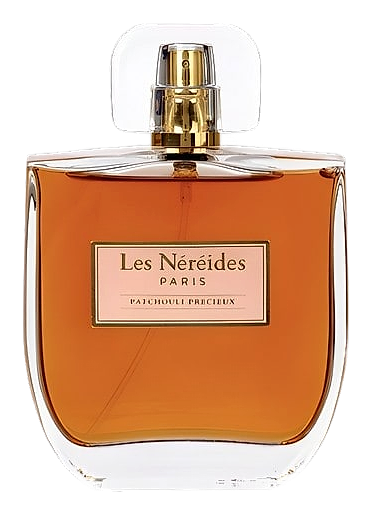
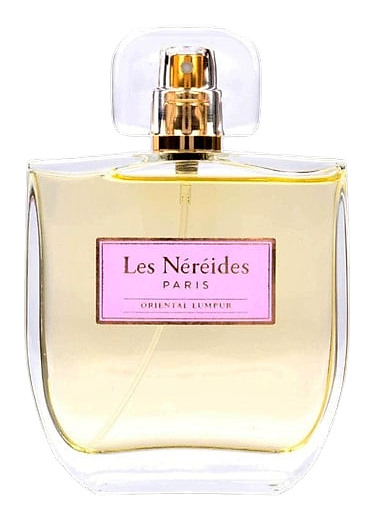
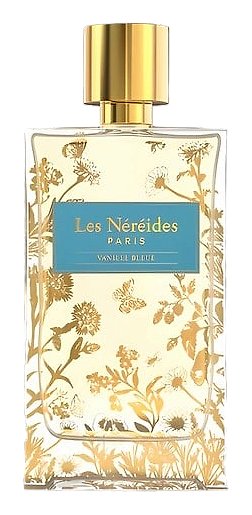
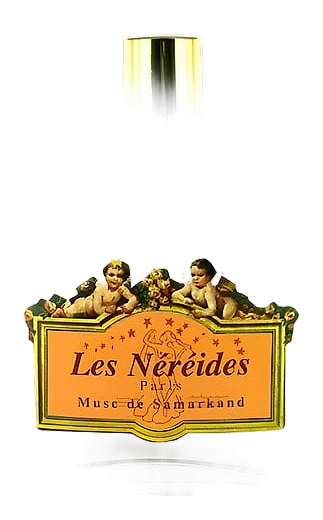
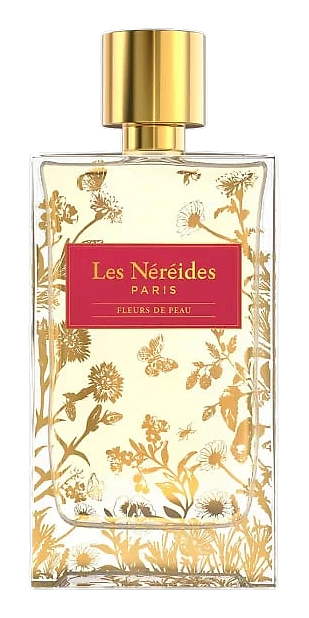
Visually, Les Néréides fuses the language of couture jewelry with perfume design. Bottle silhouettes are often rounded, reminiscent of polished pearls, while the glass surface may carry a subtle gradient that evokes the play of light on water. Labels feature hand‑drawn illustrations of shells, sea‑foam curls, or stylized nymphs, rendered in soft blues, pinks, and ivory tones that echo the enamel work of the house’s early jewelry. Caps frequently incorporate miniature charms—tiny lockets, filigree scrolls, or faceted stones—that serve as tactile reminders of the brand’s ornamental roots. The overall image is one of refined femininity, presented without overt hyperbole; the packaging invites the consumer to explore a scent as they would examine a piece of jewelry, turning the act of fragrance application into a moment of personal adornment. Marketing materials maintain a clean, editorial layout, using generous white space and serif typography that aligns with the house’s Parisian atelier identity.
Philosophy
The creative vision at Les Néréides rests on a dialogue between visual art and scent. Drawing on the myth of the Greek sea nymphs, the house treats each fragrance as a miniature tableau, a story that unfolds on the skin much like a piece of jewelry unfolds on the body. The brand values authenticity, choosing ingredients that can be traced to their origin and that complement the decorative language of its designs. Rather than chasing trends, the house favors timeless motifs—shells, pearls, and soft pastel hues—that echo its jewelry heritage. Collaboration with perfumers is approached as a partnership; the scent creator is invited to interpret a specific visual cue, whether a particular enamel shade or a gemstone cut, resulting in a fragrance that feels like an olfactory extension of a physical object. Sustainability also informs the philosophy: sourcing of natural extracts follows responsible harvesting practices, and packaging is designed for reuse or recycling, reflecting the house’s respect for the materials that shape both its jewelry and its perfumes.
Key Milestones
1980
Pascale and Enzo Amaddeo launch a costume‑jewelry boutique in Nice, establishing the Les Néréides name.
1995
The first Les Néréides fragrance is released, presented in a bottle capped with a miniature jewelry replica.
2005
The brand relocates its headquarters to Paris, gaining access to the city’s perfume ateliers.
2010
Les Néréides officially launches a dedicated perfume line, separating scent from jewelry while preserving the same aesthetic language.
2019
Patchouli Antique debuts as the first fragrance marketed without a paired jewelry piece, highlighting the scent line’s growing independence.
2025
Lune Rousse and Bois de Songes are introduced, each accompanied by bespoke bottle designs that reference the house’s ornamental heritage.
At a Glance
Brand profile snapshot
Origin
France
Founded
1980
Heritage
46
Years active
Collection
3
Fragrances released
Avg Rating
4.0
Community sentiment
Release Rhythm


