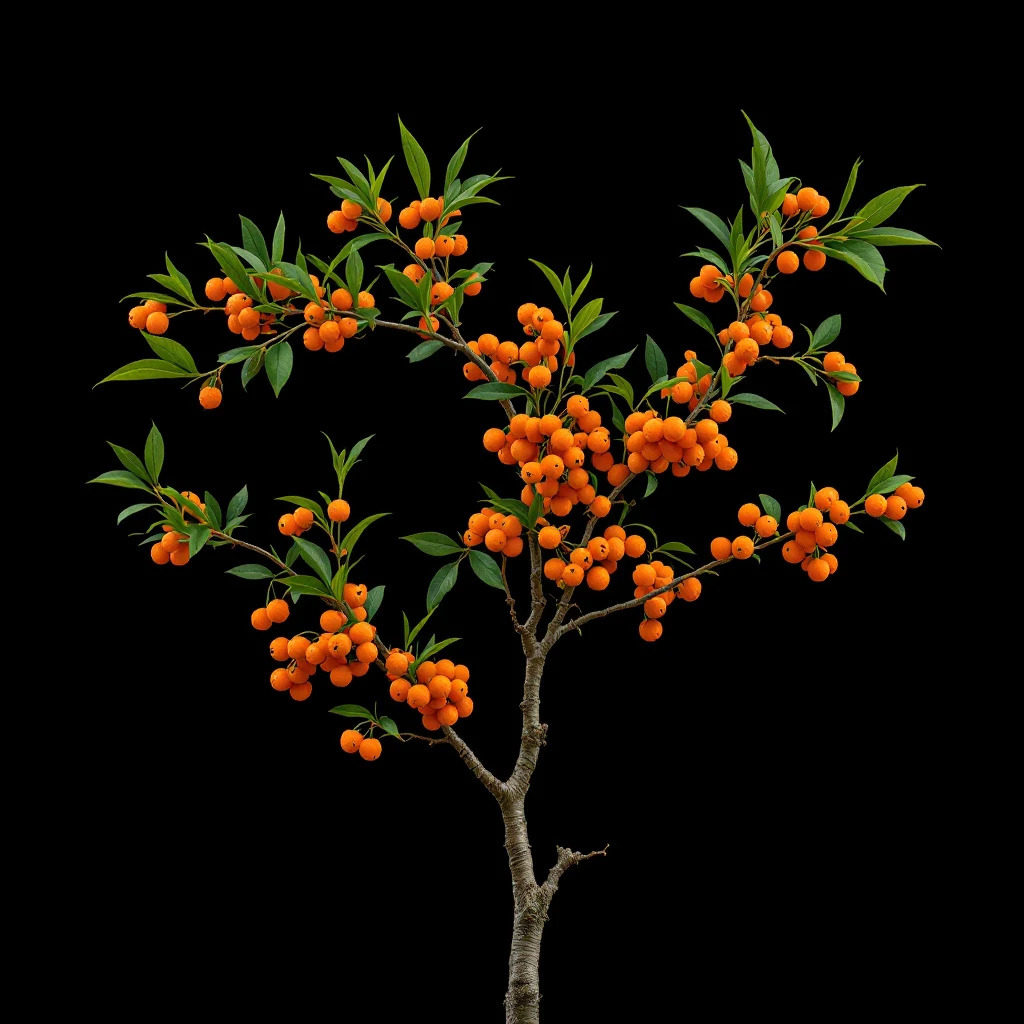
Orange Cassia Tree
Orange Cassia Tree bark delivers a warm, spicy character to perfumery. Native to Southern China, Cinnamomum cassia provides cinnamaldehyde-rich essential oil with deeper, more assertive notes than Ceylon cinnamon.
Character
How it smells
Spicy bark with warm, assertive warmth.
Cassia bark once commanded prices equal to silk along ancient Silk Road trade routes.







Origin
China
Cassia bark holds one of the oldest documented uses in botanical history, appearing in Chinese medical texts predating 2700 BCE. Arab traders introduced cassia to Mediterranean markets during the early medieval period, using it as both a culinary spice and aromatic material. By the 16th century, Portuguese and Dutch maritime traders established cassia as a primary commodity in global spice commerce, competing with cinnamon for market dominance.
Ancient Egyptians incorporated cassia into their embalming practices, while Indian Ayurvedic traditions utilized it extensively for therapeutic purposes. The ingredient traveled extensively along Silk Road routes before reaching European markets, where perfumers eventually adopted it as a base note in oriental fragrance compositions.
Wears it best
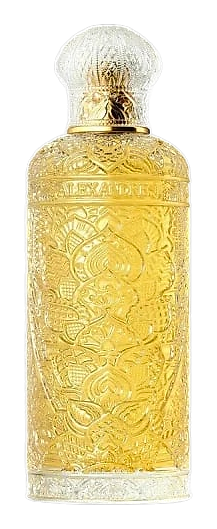
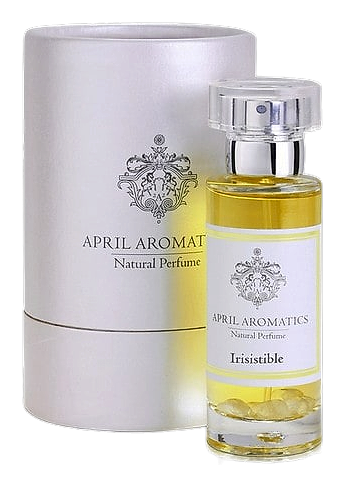
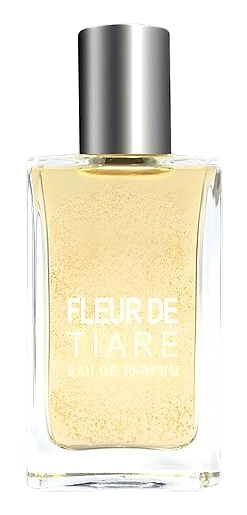
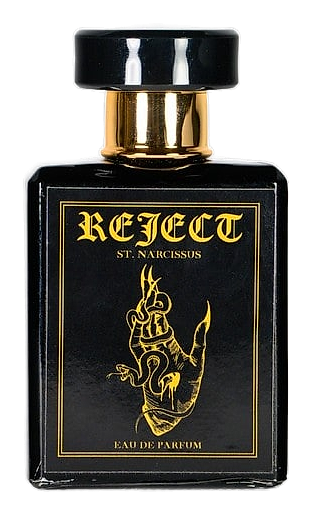
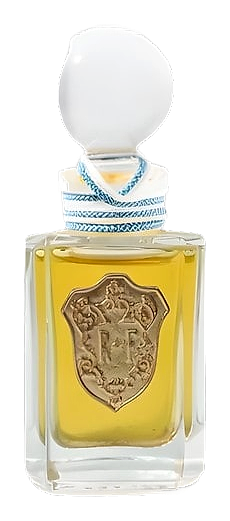
Fragrances featuring Orange Cassia Tree
Brands
Brands known for Orange Cassia Tree
Good to know
Questions, answered
The essentials on Orange Cassia Tree in perfumery: how it smells, where it comes from, and how it behaves on skin.
What does cassia bark smell like in perfumery?
Cassia bark delivers warm, spicy character with prominent cinnamaldehyde notes. Its aroma is deeper and more assertive than Ceylon cinnamon, offering sweet-fresh top notes followed by a rich, tenacious dry-down that works exceptionally well in oriental fragrance compositions.
How much cassia bark oil does distillation produce?
Steam distillation yields approximately 1 to 2 percent oil by weight from dried cassia bark. This relatively low yield makes quality cassia oil a concentrated material requiring careful dilution in fragrance formulations.
Where does commercial cassia bark originate?
China produces the majority of global cassia bark supply, with cultivation concentrated in Southern provinces including Guangdong, Guangxi, and Hainan. Vietnam and Indonesia serve as secondary producing regions, each offering subtle variations in flavor profile.
How does cassia differ from Ceylon cinnamon?
Cassia comes from Cinnamomum cassia species, while Ceylon cinnamon derives from Cinnamomum verum. Cassia contains higher cinnamaldehyde concentrations and coumarin levels, producing a stronger, more aggressive aroma with slightly bitter undertones compared to Ceylon's sweeter profile.
Why is cassia significant in fragrance history?
Cassia bark appears in Chinese aromatic traditions dating back over 4,700 years. Arab traders spreading along Silk Road routes introduced it to Mediterranean cultures, where perfumers incorporated it into incense and unguents before European adoption during the colonial era.
What fragrance families use cassia bark?
Cassia bark features prominently in oriental fragrance families, providing warm spice and depth to compositions. Perfumers employ it in men's colognes, spicy florals, and rich chypre constructions where its tenacity enhances base note longevity.
Is cassia oil safe for cosmetic use?
Cassia oil requires careful handling due to high cinnamaldehyde content, which may cause skin sensitization in some individuals. International Fragrance Association guidelines establish maximum concentration limits for cosmetic applications to ensure consumer safety.
What other products contain cassia bark extract?
Beyond perfumery, cassia bark extract appears in food flavorings, pharmaceutical preparations, and aromatherapy products. The global orange oil market, which shares similar production scales, demonstrates the commercial importance of citrus and spice essential oils worldwide.