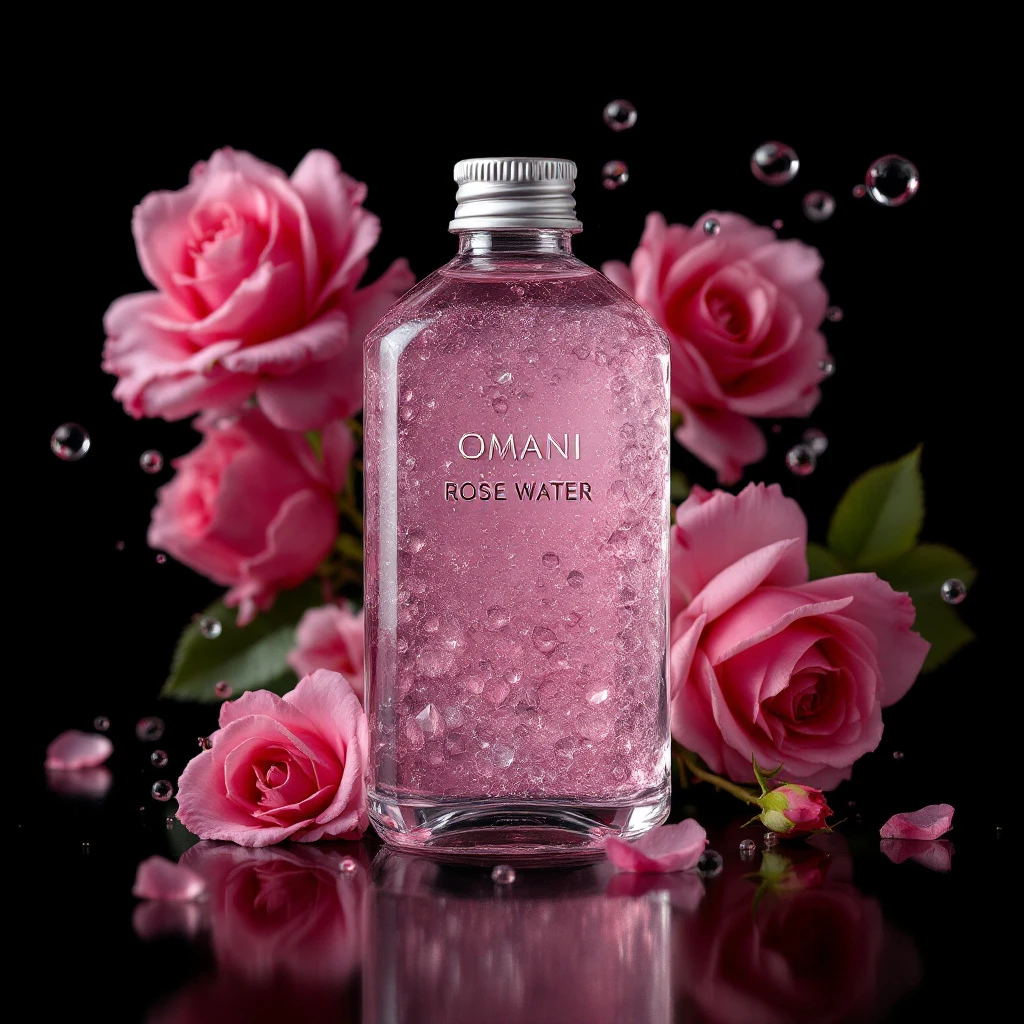
Omani Rose Water
Distilled from Rosa damascena petals grown in Oman's Jabal Akhdar mountains, this rose water carries the cool elevation and ancient craft of the Green Mountains into every drop. It has anchored Gulf perfumery for centuries.
Character
How it smells
Grown at altitude, shaped by centuries of tradition.
It takes roughly 10,000 hand-picked roses to produce a single fluid ounce of genuine rose water.

Origin
Oman
The earliest documented production of rose water traces back to ancient Persia around 500 CE, when Persian scholars and alchemists first perfected the art of distillation. Medieval Islamic texts record rose water as both a fragrant luxury and a medicinal preparation, used in everything from religious rituals to skincare. This knowledge traveled eastward and southward through trade routes, reaching Oman by the medieval period.
Oman's Jabal Akhdar, the Green Mountains, provided ideal conditions for growing Rosa damascena at elevations exceeding 2,000 meters. The extreme temperature swings between cool nights and sunny days concentrated the roses' aromatic oils, producing a floral material unlike anything from lower-lying regions. Local perfumers, known as attar makers, adopted rose water into their practice, using it both as a standalone fragrance and as a solvent for extracting precious attars from other botanical materials. Today, Omani rose water remains a living tradition, produced in small batches using methods that have changed little in centuries. It represents one of the oldest unbroken perfume traditions in the world.
Wears it best
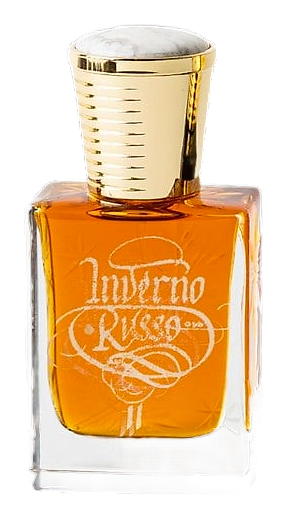
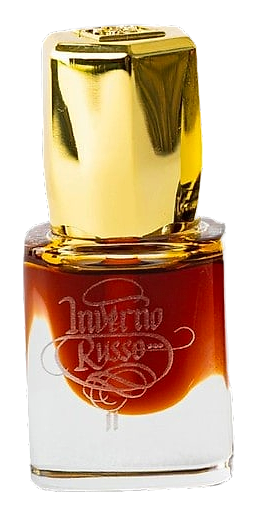
Fragrances featuring Omani Rose Water
Brands
Brands known for Omani Rose Water
Good to know
Questions, answered
The essentials on Omani Rose Water in perfumery: how it smells, where it comes from, and how it behaves on skin.
What makes Omani rose water different from standard rose water?
Omani rose water comes from Rosa damascena grown in the Jabal Akhdar mountains at over 2,000 meters elevation. The high altitude and dramatic temperature swings concentrate the roses' aromatic compounds, producing a more nuanced floral profile than roses grown at lower elevations.
When is rose water harvested in Oman?
Harvest occurs during a two to three week window in early April when Rosa damascena reaches peak bloom in the Green Mountains. This narrow window and the labor-intensive hand-picking process mean production volume remains limited and seasonal.
What is the Jabal Rose Project?
The Jabal Rose Project is a pioneering effort to extract essential oil from the Omani rock rose, a distinct local species. This marked the first time anyone successfully produced a concentrated rose oil from Oman's native rock rose, creating a product called Jabal Rose Oil.
How does rose water differ from rose essential oil?
Rose water is a hydrosol produced by steam distillation, containing water-soluble aromatic compounds. Rose essential oil, or rose otto, is a hydrophobic oil requiring approximately one tonne of petals to yield three to five kilograms. They differ significantly in concentration, composition, and production volume.
Where did rose water originate?
Rose water originated in ancient Persia, modern-day Iran, around 500 CE. Persian scholars and alchemists documented its distillation, and the technique spread through the Islamic world over subsequent centuries, reaching Oman and becoming central to Gulf perfumery traditions.
What role do attar makers play in Omani rose water production?
Attar makers are traditional Omani perfumers who use rose water both as a standalone fragrance and as a solvent for extracting attars from other botanicals. Their centuries-old techniques distinguish Omani production from industrial rose water manufacturing elsewhere.
What rose species is used for Omani rose water?
Rosa damascena is the primary rose used for rose water production in Oman and worldwide. It produces the characteristic sweet, floral aroma associated with rose water. A separate project, the Jabal Rose Project, focuses on extracting oil from Oman's native rock rose species.
Why does altitude matter for rose cultivation in Oman?
Jabal Akhdar rises over 2,000 meters above sea level, creating conditions that intensify the roses' aromatic compounds. The sharp contrast between warm days and cool nights stress the plants in a way that deepens the complexity of the final rose water.





