Omani Rose
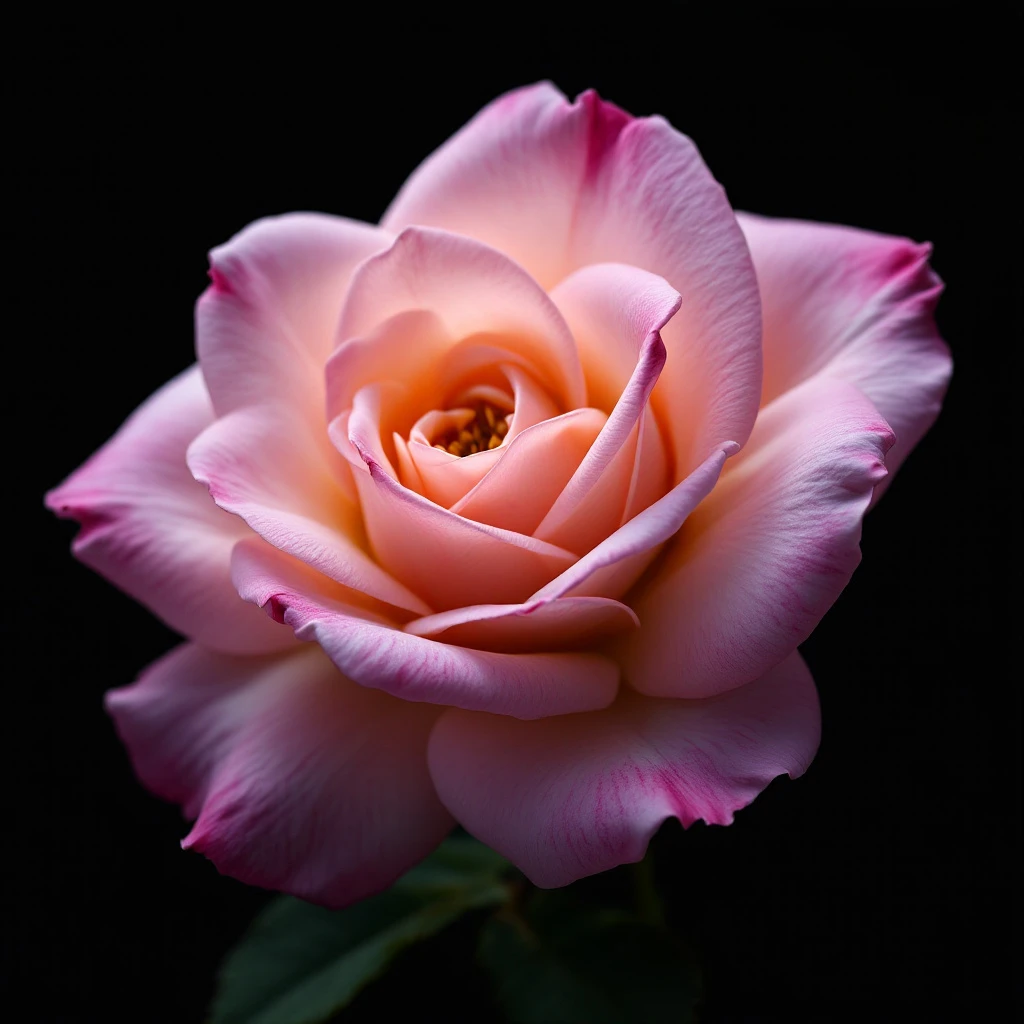
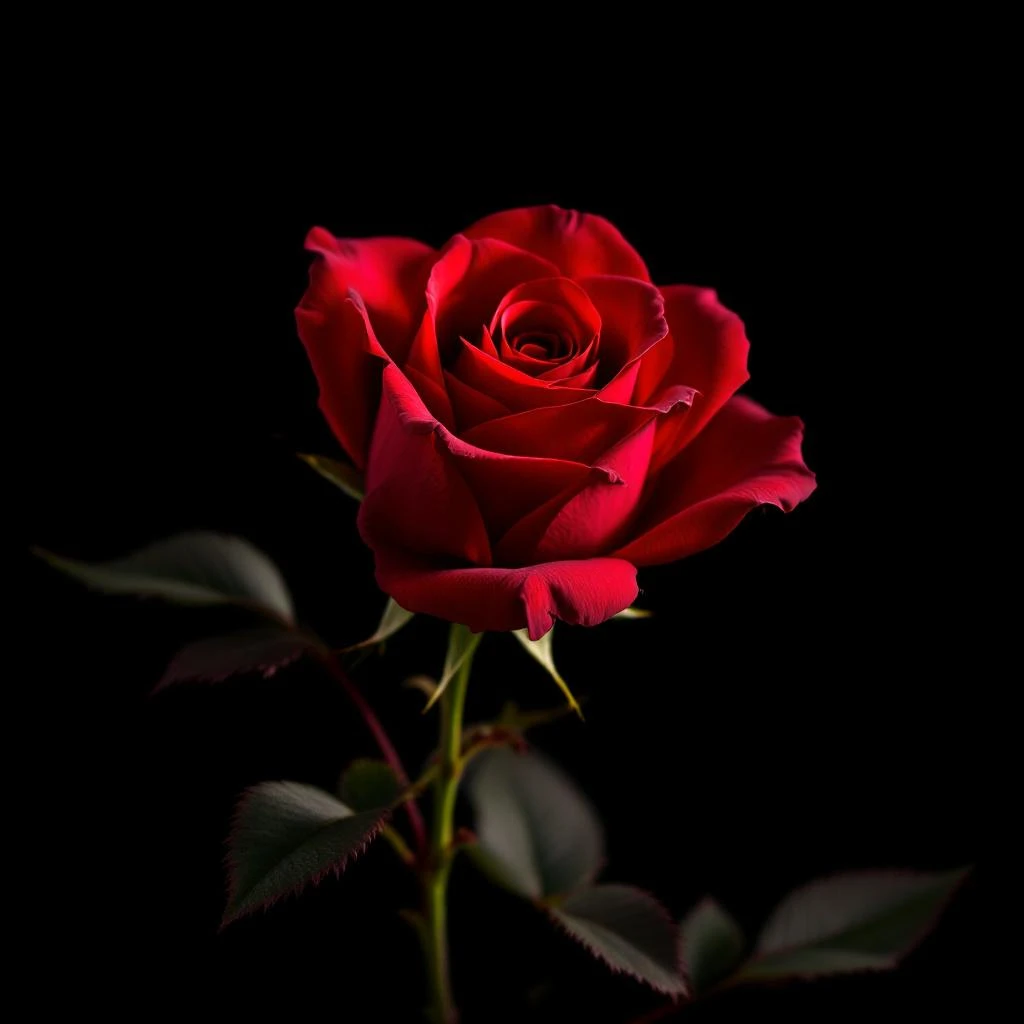
Desert roses distilled from Oman’s ancient terraces, where the Jabal Rose Project rewrote perfumery history by extracting the nation’s first signature rose oil from the resilient Omani Rock Rose.
Character
How it smells
Oman’s first homegrown rose oil, extracted from ancient terraces.
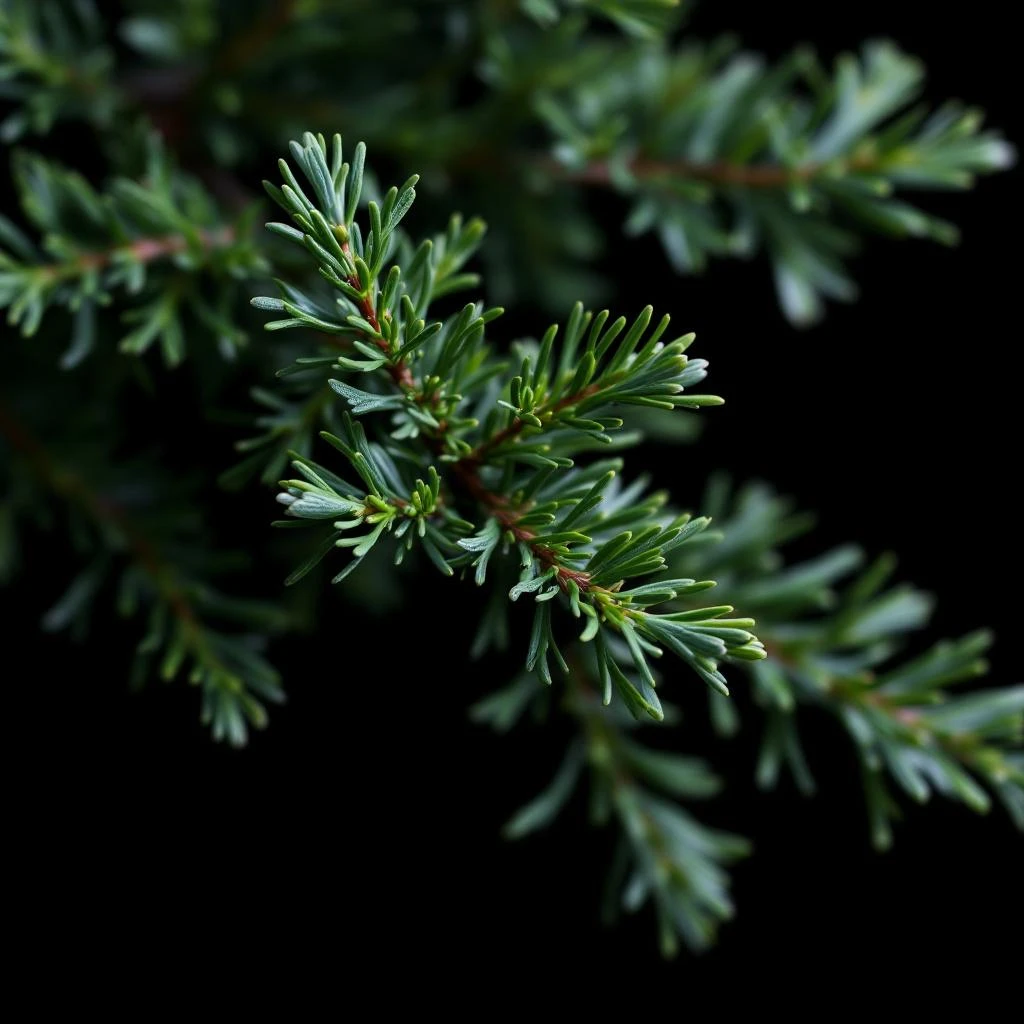
The Jabal Rose Project marked the first time in history anyone successfully extracted and distilled an essential oil from Oman’s native Rock Rose, producing the rare Jabal Rose Oil.


Origin
Oman
The rose has anchored perfumery traditions since antiquity, celebrated by Persians, Egyptians, Greeks, and Romans. Rose oil production itself originated in Iran and spread eastward through trade routes that Oman’s ancient incense roads helped connect. For centuries, Omani attar makers worked with imported rose materials while the nation’s own fragrant flora remained unexplored for perfumery.
That changed when the Jabal Rose Project launched on Oman’s mountainous terraces, seeking to document and extract the essence of native rose species for the first time. The project’s breakthrough came from understanding the Omani Rock Rose’s distinct botanical chemistry, which diverges from Damask and Centifolia varieties. This pioneering effort placed Oman among the world’s rose oil origins and gave the nation a homegrown aromatic identity.
Today, Omani Rose represents a living bridge between ancient Gulf perfumery traditions and modern natural extraction science.
Wears it best
Fragrances featuring Omani Rose
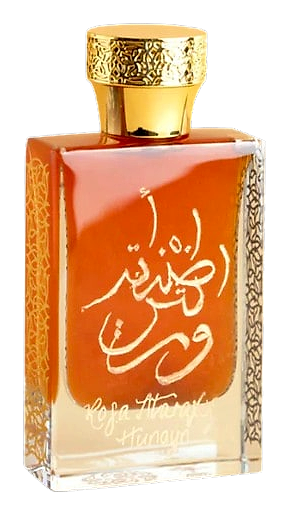
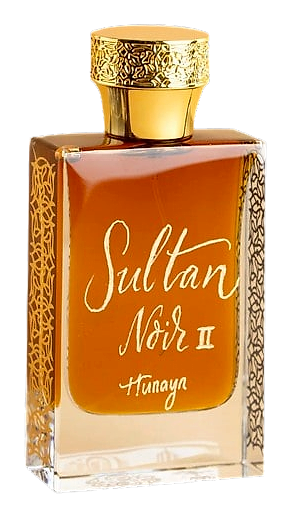
Brands
Brands known for Omani Rose
Good to know
Questions, answered
The essentials on Omani Rose in perfumery: how it smells, where it comes from, and how it behaves on skin.
What makes Omani Rose different from Damask Rose?
Omani Rose derives from native Rock Rose species adapted to arid mountain conditions, producing a different aromatic profile with resinous, wild herbaceous notes compared to the rich floral sweetness of Bulgarian or Moroccan Damask Rose.
Where does Omani Rock Rose grow in Oman?
The primary cultivation zones sit in Al Aqor Village and surrounding highland terraces, where elevation and rocky terrain create the microclimate the Rock Rose requires to develop its characteristic aromatic compounds.
What does Omani Rose smell like?
The oil carries warm floral top notes over a deeper base of resinous, slightly balsamic undertones, with an earthy drydown that reflects the desert environment where the plant grows.
How is Omani Rose harvested?
Harvesters collect petals by hand during peak bloom season, working before dawn when aromatic concentration peaks. The timing is critical because the Rock Rose blooms briefly and the volatile compounds dissipate quickly once picked.
Is Omani Rose oil synthetic or natural?
Omani Rose is entirely natural. The Jabal Rose Project extracts genuine essential oil from freshly harvested petals using steam distillation and traditional Dehjan enfleurage methods.
What is the Dehjan extraction process?
Dehjan is an ancient Omani enfleurage technique where petals are pressed into cold fixed oils, allowing the aromatic molecules to transfer gradually. Attar makers have preserved this method for generations.
Why is Omani Rose so rare?
The Jabal Rose Project represents the first successful extraction attempt in history, and the native Rock Rose yields far less material than cultivated Damask varieties, making each batch exceptionally limited.
How should I use Omani Rose in perfumery?
Use it as a heart note in rich, warm fragrance compositions. It pairs well with frankincense, amber, and woody bases, and performs especially effectively in attars, solid perfumes, and oil-based blends.





