Olibanol
Olibanol is a refined fraction of frankincense resin, prized for its warm, lemony-balsamic character and smooth diffusion in modern perfumery.
Character
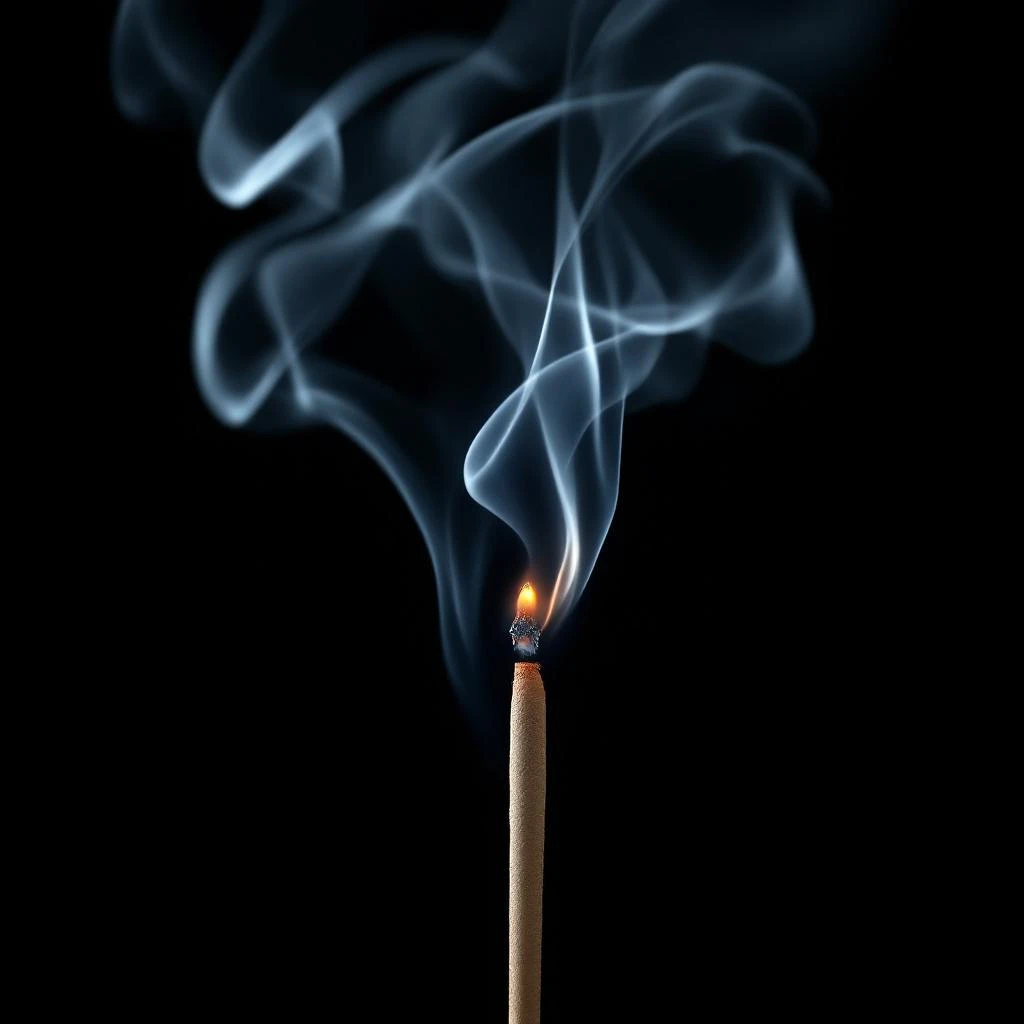
How it smells
Frankincense, refined to its luminous core.
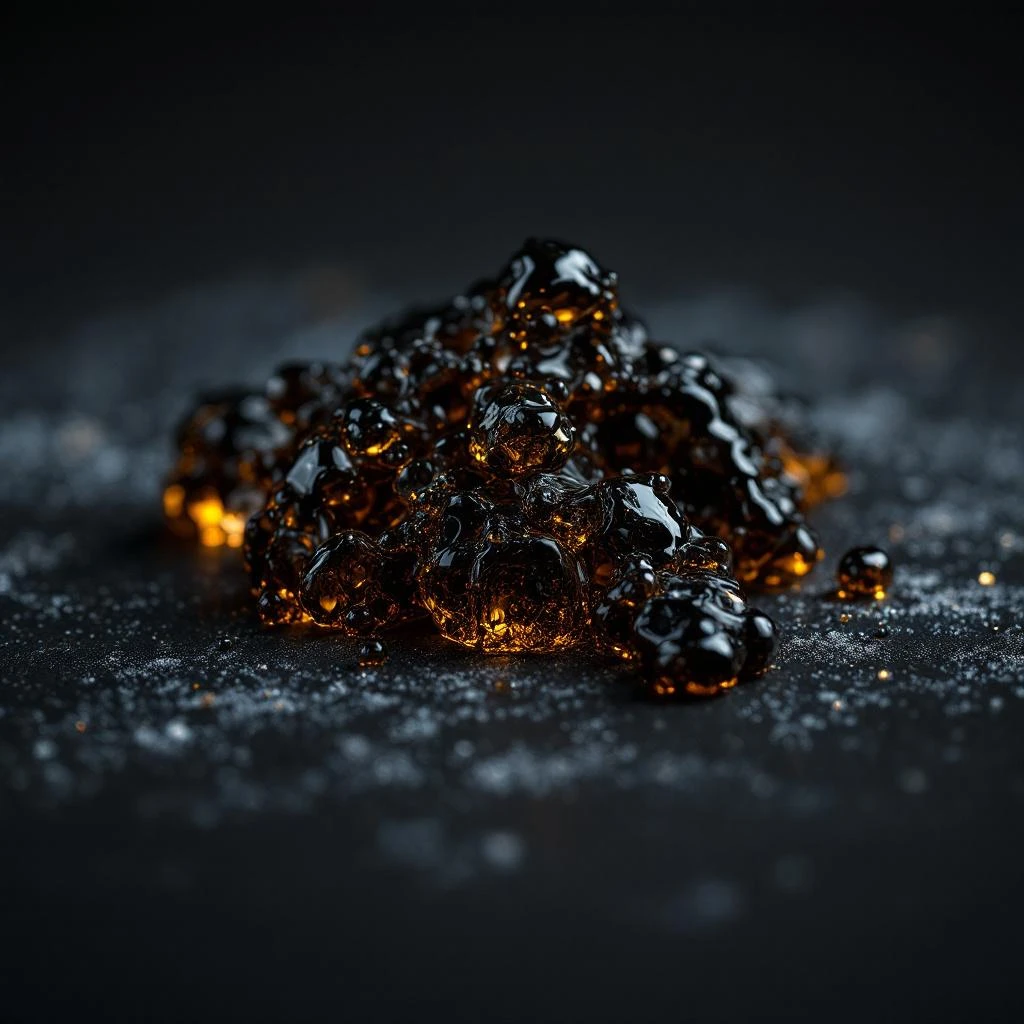
Olibanol isolates a specific terpene-rich fraction of Boswellia resin, giving perfumers a cleaner, more predictable frankincense profile than raw essential oil.

Origin
Oman
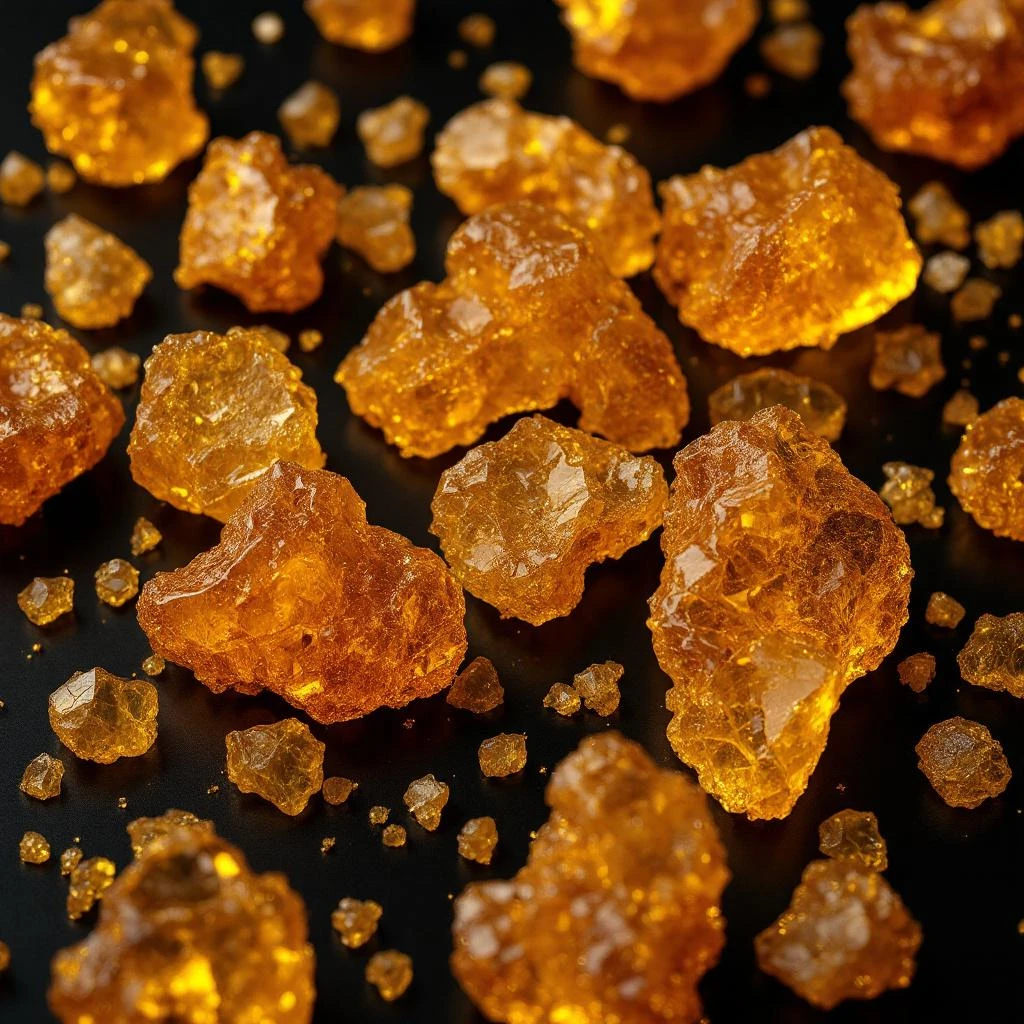
Frankincense resin ranks among the most historically significant aromatic materials known. Archaeological evidence traces its trade across the Arabian Peninsula to Mesopotamia and Egypt by at least 3000 BCE, where it burned in temple rituals and served as a diplomatic offering. The ancient Incense Route carried Boswellia resin from southern Arabia to Mediterranean ports for nearly two millennia, fueling economies in what is now Yemen and Oman.
By 1200 BCE, Mesopotamian perfumers had developed early solvent-based extraction to produce fragrant oils and unguents incorporating frankincense. Islamic scholars, including Ibn al-Baitar in the 13th century, documented distillation techniques that eventually enabled more refined isolation of resin components. The 19th century brought organic chemistry and fractional distillation, allowing houses like Robertet to separate frankincense into specific molecular cuts.
Olibanol emerged from this tradition of precision: a modern ingredient that carries five thousand years of resin trade into contemporary compositions.
Wears it best
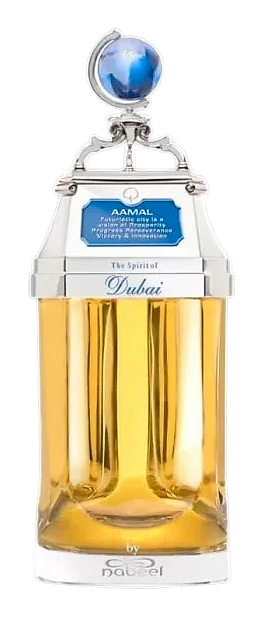
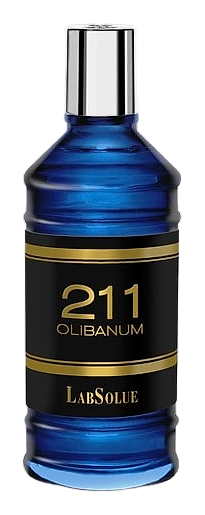
Fragrances featuring Olibanol
Brands
Brands known for Olibanol
Good to know
Questions, answered
The essentials on Olibanol in perfumery: how it smells, where it comes from, and how it behaves on skin.
What does Olibanol smell like?
Olibanol presents a warm, balsamic profile with bright lemon-pine top notes, soft incense smoke, and a dry, slightly woody base. It captures frankincense's luminous character with greater clarity than raw essential oil, offering smoother diffusion in compositions.
Is Olibanol natural or synthetic?
Olibanol is a natural ingredient derived through physical fractionation of frankincense resin. It undergoes solvent extraction and fractional distillation, processes that isolate specific terpene cuts without introducing synthetic molecules.
How is Olibanol different from frankincense essential oil?
Olibanol is a refined fraction isolated from frankincense resinoid via fractional distillation, while frankincense essential oil is produced by steam distillation of raw resin. Olibanol offers batch-to-batch consistency and a cleaner, less variable aromatic profile.
Who produces Olibanol?
Robertet, the French fragrance house founded in 1850 and still family-owned, is a primary producer of Olibanol. The company has specialized in aromatic extracts for over 170 years.
What perfumes use Olibanol?
Olibanol appears across niche and luxury fragrance compositions seeking a refined incense character, particularly in oriental, woody, and resinous structures. Specific fragrance listings vary by brand and formulation.
Where does the raw resin for Olibanol come from?
Raw Boswellia resin originates primarily from Oman, Yemen, and Somalia, where Boswellia sacra and related species grow in arid mountainous regions. Harvesting remains a traditional practice passed down through generations.
Can Olibanol replace frankincense essential oil in a formula?
Olibanol can substitute for frankincense oil when a cleaner, more predictable incense note is desired, though its solubility and volatility profile differ slightly. Formulators often test both to determine ideal performance.
Is Olibanol sustainable?
Sustainability depends on harvesting practices. Boswellia trees require careful tapping to avoid overexploitation, as over-harvesting threatens populations in Somalia and Ethiopia. Responsible producers source from managed groves and fair-trade cooperatives.