    Brand Profile

    The Spirit of Dubai is a fragrance house based in the United Arab Emirates that translates the city’s contrasting landscapes into scented na…More

    United Arab Emirates·Est. 2015·Site

    4.8

    Rating

    26
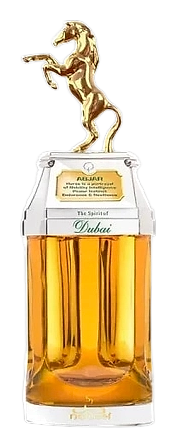
    Abjar by The Spirit of Dubai
    Best Seller
    4.8

    Abjar

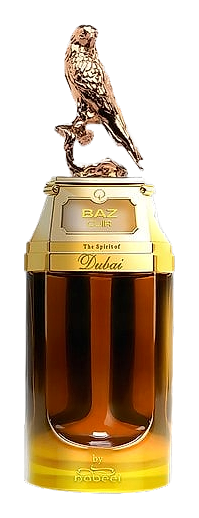
    Baz Cuir by The Spirit of Dubai
    Best Seller
    4.5

    Baz Cuir

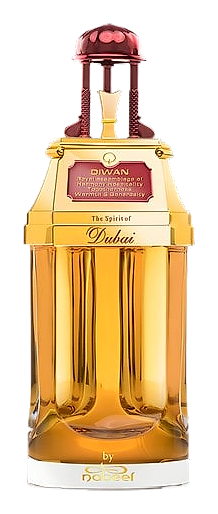
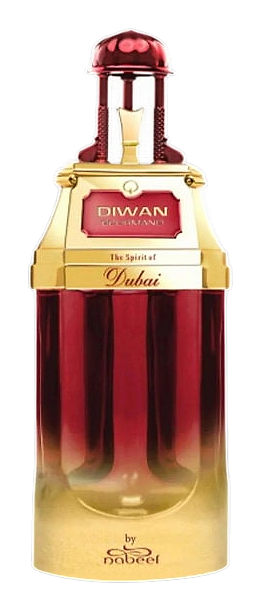
    Diwan by The Spirit of Dubai
    Best Seller
    4.5

    Diwan

    Meydan by The Spirit of Dubai
    4.5

    Meydan

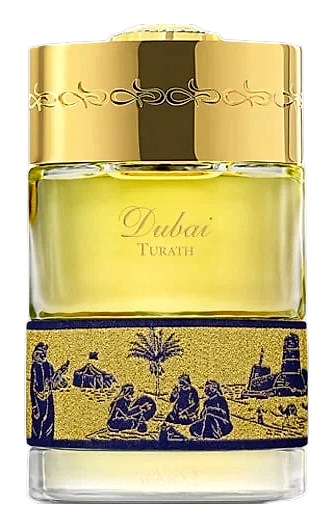
    Turath by The Spirit of Dubai
    4.4

    Turath

    Aamal by The Spirit of Dubai
    4.4

    Aamal

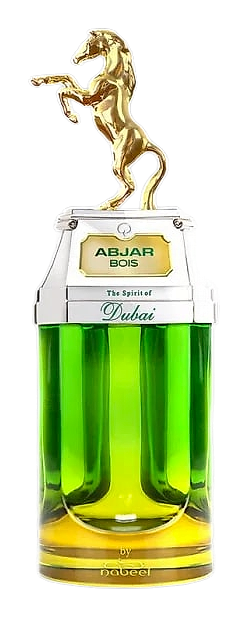
    Abjar Bois by The Spirit of Dubai
    4.4

    Abjar Bois

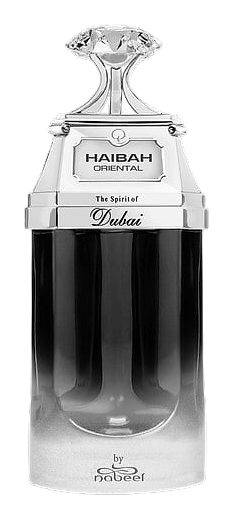
    Haibah Oriental by The Spirit of Dubai
    New
    4.4

    Haibah Oriental

    Fakhama by The Spirit of Dubai
    4.3

    Fakhama

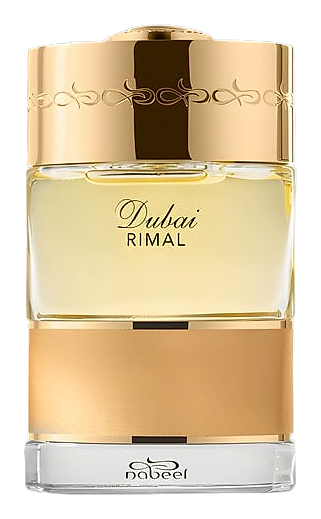
    Rimal by The Spirit of Dubai
    4.3

    Rimal

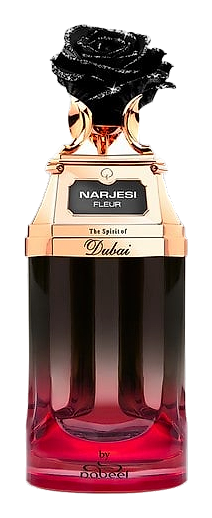
    Narjesi by The Spirit of Dubai
    4.3

    Narjesi

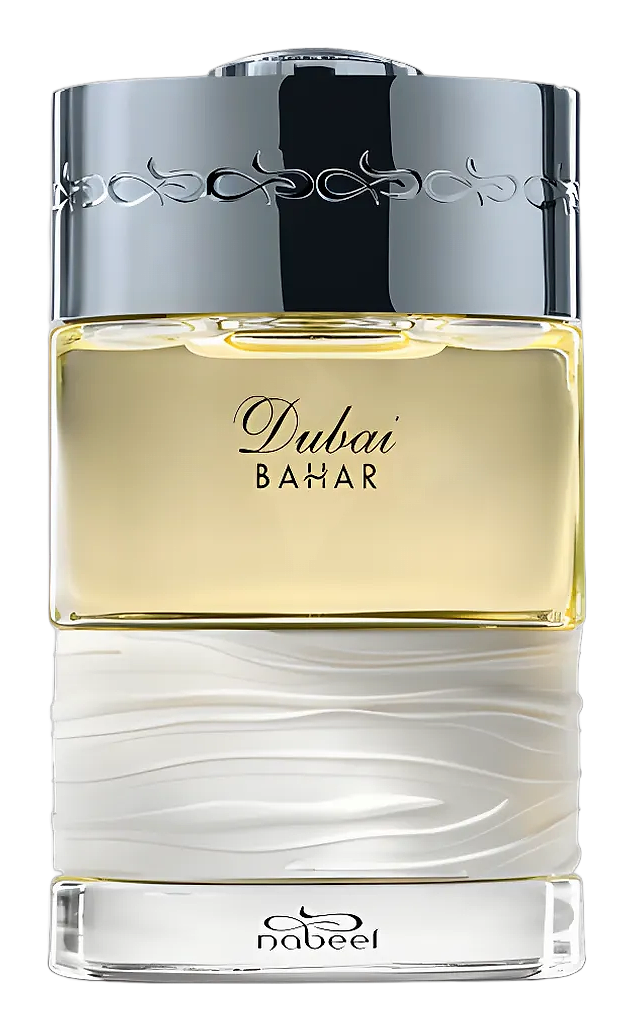
    Bahar by The Spirit of Dubai
    4.3

    Bahar

    1 of 3

    The Heritage

    The Story of The Spirit of Dubai

    The Spirit of Dubai is a fragrance house based in the United Arab Emirates that translates the city’s contrasting landscapes into scented narratives. Each bottle offers a sensory glimpse of bustling souks, wind‑swept dunes, and modern skylines. The line balances traditional Middle Eastern accords with contemporary structures, inviting wearers to explore Dubai’s layered identity through scent.

    Heritage

    The brand traces its roots to Asghar Adam Ali (Al Attar), a Yemeni‑born perfumer who opened his first shop in Aden in 1969 at the age of sixteen. Decades later he became chairman of Nabeel Perfumes, a family‑run enterprise that supplies regional fragrance ingredients. In 2015 he launched The Spirit of Dubai as a distinct label within Nabeel’s portfolio. The inaugural collection comprised eight niche fragrances, each named after a facet of the city’s heritage. By 2024 the portfolio grew to fifteen scents, including Baz Cuir (2024), Diwan (2017), Abjar (2017), Meydan (2015), Turath (2019), Abjar Bois (2024), Aamal (2017), Haibah Oriental (2025), Fakhama (2016) and Rimal (2015). The brand has presented its creations at international trade shows such as Esxcent in Milan, gaining exposure among collectors and boutique retailers. Over the years The Spirit of Dubai has maintained a focus on regional storytelling, positioning itself as a bridge between Dubai’s historic perfume culture and the global niche market.

    Craftsmanship

    Production begins with ingredient selection. The house works directly with growers in Oman, Saudi Arabia and the United Arab Emirates to obtain raw oud, frankincense, and regional spices. When possible it purchases sustainably harvested agarwood and hand‑picked saffron, verifying provenance through third‑party certificates. In the laboratory, small teams of perfumers blend these notes using both traditional oil‑based techniques and contemporary gas‑chromatography monitoring. Each formula undergoes a stability test that runs for twelve weeks, checking for scent drift and skin safety. The final mixtures are bottled in a climate‑controlled facility that limits exposure to light and heat. Quality inspectors verify concentration levels and perform blind panel reviews before a batch is released. The house limits production runs to maintain concentration integrity, a practice noted by niche fragrance retailers who list the line as a small‑batch offering.

    Design Language

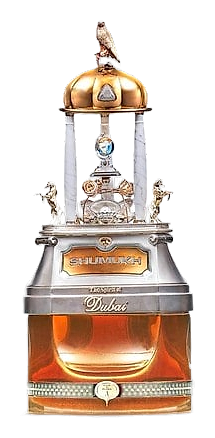
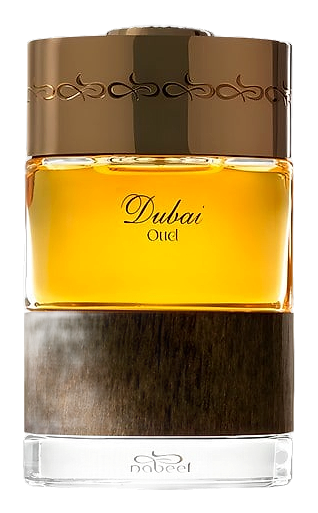
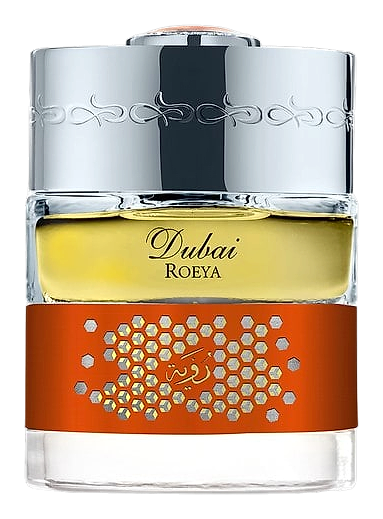
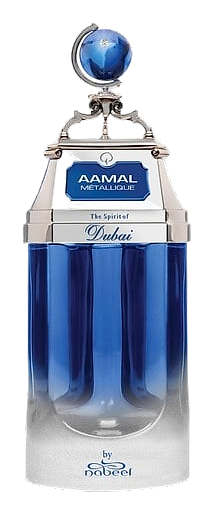
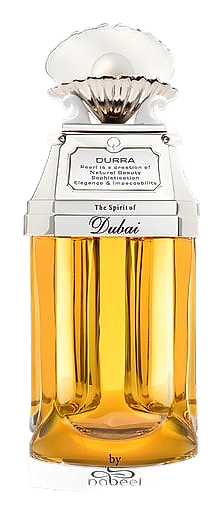
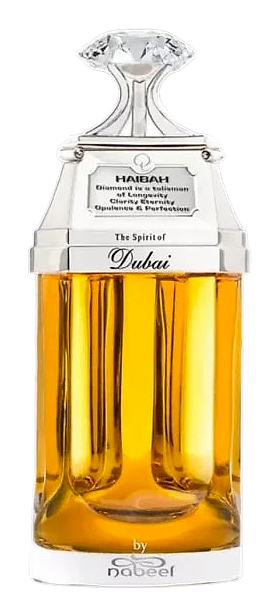
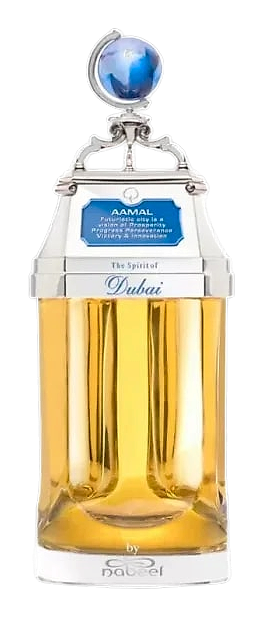
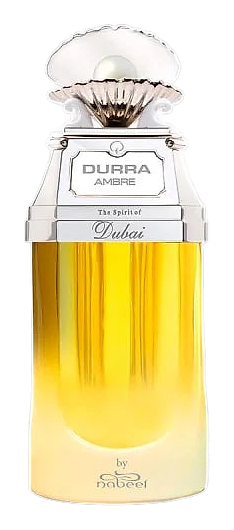
    Visual identity draws on Dubai’s architectural geometry. Bottles feature clean, rectangular silhouettes with subtle curvature, echoing the city’s skyscraper outlines. The glass is often tinted amber or deep sapphire, referencing desert sand and twilight horizons. Gold foil accents trace Arabic calligraphy of the fragrance name, providing a tactile link to regional script. Packaging boxes use matte black or sand‑colored paper, overlaid with a minimalist pattern derived from traditional Islamic tile motifs. The overall look balances modern minimalism with cultural reference, allowing the scent story to remain the focal point while the design reinforces the brand’s geographic inspiration.

    Philosophy

    The house treats fragrance as a narrative medium. Its creative brief asks perfumers to capture a specific element of Dubai—whether a spice market, a desert sunrise, or a glass‑clad tower—and translate that image into olfactory form. The brand values authenticity, so it sources raw materials from established Middle Eastern growers and respects traditional extraction methods for oud and amber. At the same time it embraces modern analytical tools to ensure consistency across batches. The Spirit of Dubai encourages personal connection; each scent is presented as a chapter that listeners can revisit, rather than a fleeting trend. This approach reflects the founder’s belief that perfume should be felt as much as it is worn.

    Key Milestones

    1969

    Asghar Adam Ali opened his first perfume shop in Aden, Yemen at age sixteen.

    2015

    The Spirit of Dubai launched under the leadership of Nabeel Perfumes' chairman, Asghar Adam Ali.

    2017

    The brand released Diwan, Abjar and Aamal, expanding its niche collection.

    2019

    Turath debuted, celebrating the legacy of Middle Eastern perfume craftsmanship.

    2024

    Baz Cuir and Abjar Bois entered the lineup, marking the fifteenth fragrance created by the house.

    At a Glance

    Brand profile snapshot

    Origin

    United Arab Emirates

    Founded

    2015

    Heritage

    11

    Years active

    Collection

    1

    Fragrances released

    Avg Rating

    4.8

    Community sentiment

    Release Rhythm

    2026
    1
    2025
    3
    2024
    4
    2023
    1
    2022
    1
    2019
    2
    2017
    7
    2016
    2
    spiritofdubai.com

    Did You Know?

    Interesting Facts

    Distinctive details and defining moments that shape the house personality.

    01

    The founder began his perfume career at sixteen, making him one of the youngest documented perfumers in the Gulf region.

    02

    The Spirit of Dubai sources raw oud directly from a single family-owned forest in Oman, a practice uncommon among larger fragrance houses.

    03

    Each fragrance bottle is hand‑finished with gold foil calligraphy, a step that adds several minutes of manual work per unit.

    04

    The brand’s name was chosen to reflect Dubai’s reputation as a cultural crossroads, a concept highlighted during its debut at the Esxcent trade show in Milan.

    The Artisans

    The Perfumers