Ocotea Quixos
Ocotea quixos, known as Ecuadorian cinnamon, yields a bright, spicy oil rich in eugenol that brightens accords and anchors natural blends with a warm, resinous edge.
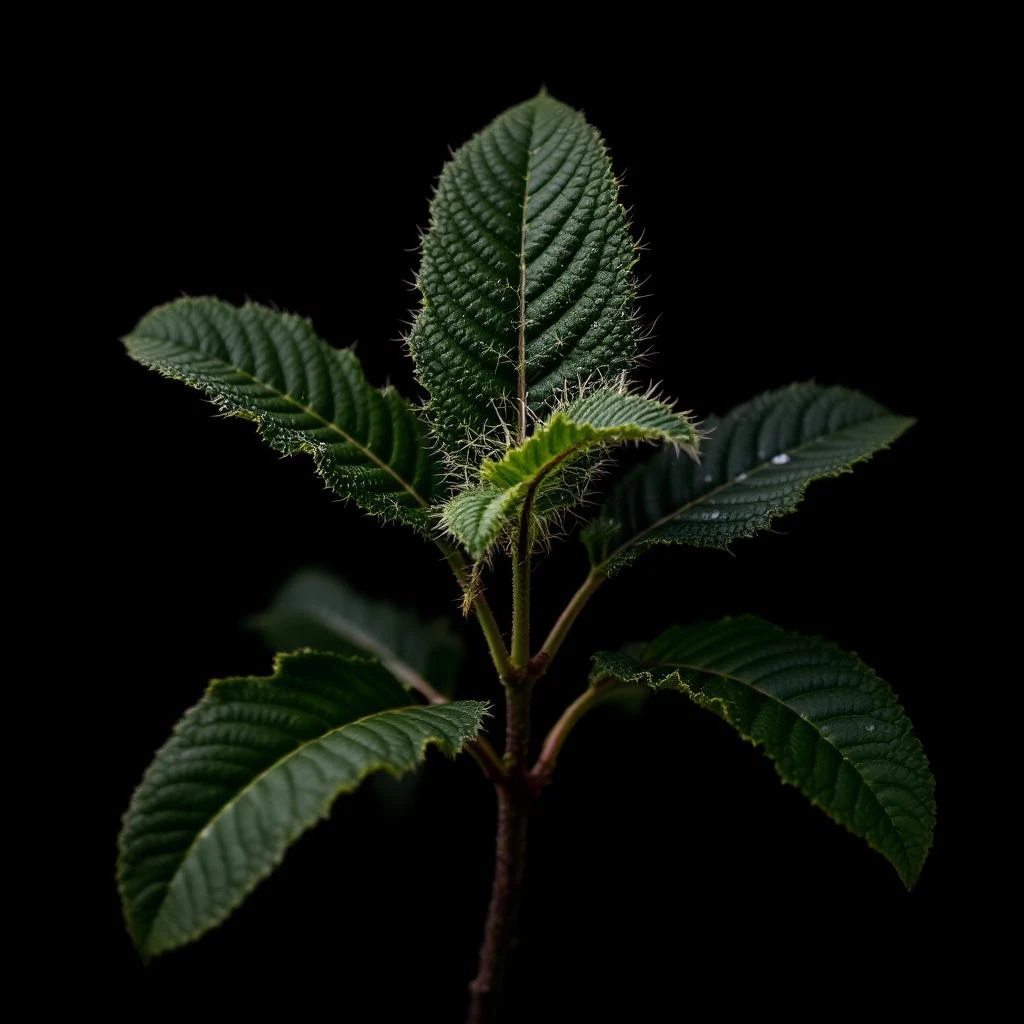
Character
How it smells
Spice-laden eugenol from Ecuador’s native cinnamon bark.
The bark of Ocotea quixos contains up to 78 % eugenol, a compound more abundant than in true cinnamon, giving it a uniquely intense clove-like punch.



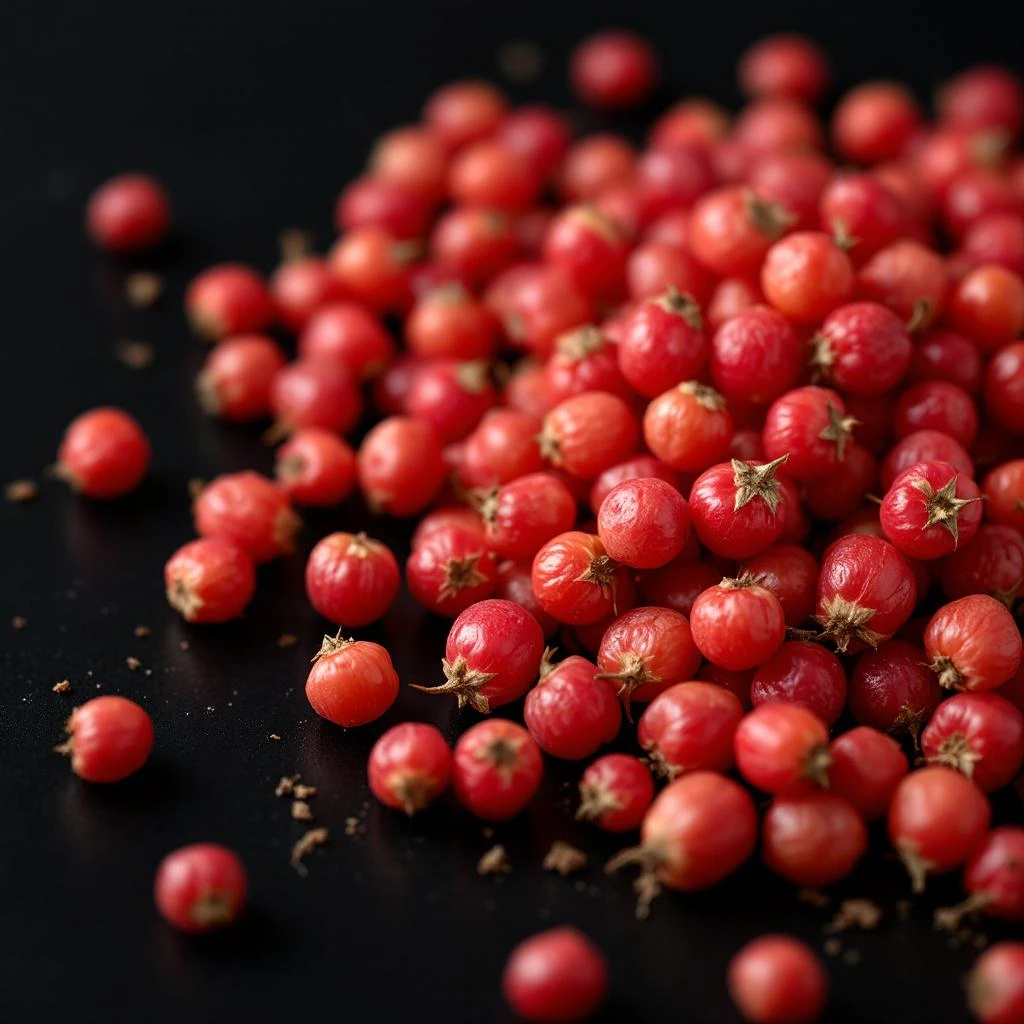





Origin
Ecuador
Ocotea quixos has been cultivated by indigenous peoples of the Ecuadorian Amazon for centuries. Archaeological residues show that pre-Inca societies chewed the bark as a stimulant and burned it in ceremonial fires. Spanish chroniclers of the 16th century recorded its export to Europe, where it entered the spice market as “Ecuadorian cinnamon”.
In Andean kitchens the dried bark flavors soups, desserts, and the traditional beverage “colada”. Medicinally, healers prepared infusions to ease digestive cramps and respiratory congestion, a practice documented in colonial herbals from 1620. The plant’s aromatic profile attracted early perfume makers in the 19th century, who prized its high eugenol content as a natural alternative to synthetic clove oil.
Today, small cooperatives in the Pichincha province sustain the harvest, linking traditional knowledge with modern fragrance labs.
Wears it best
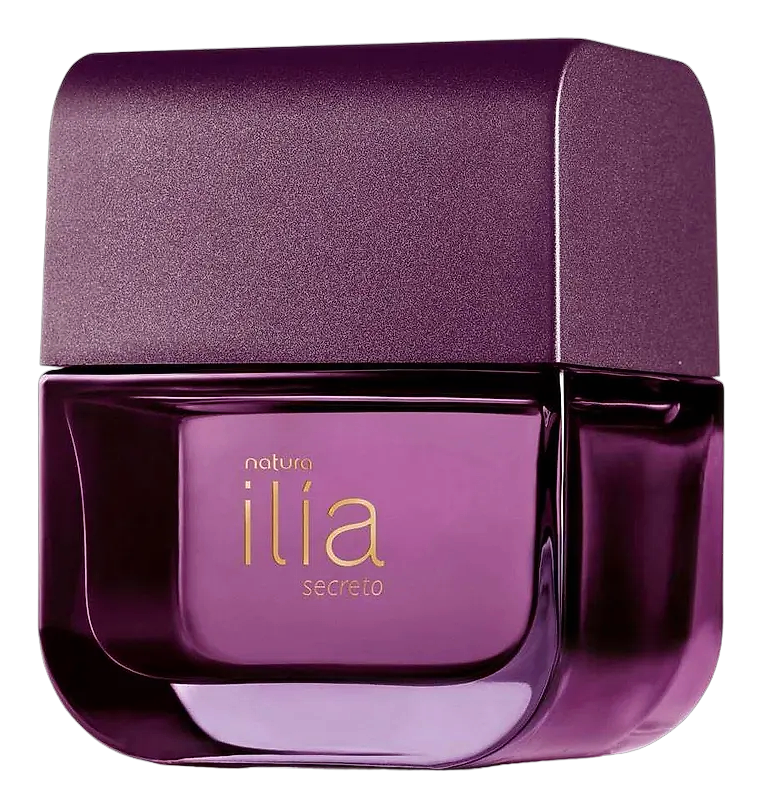
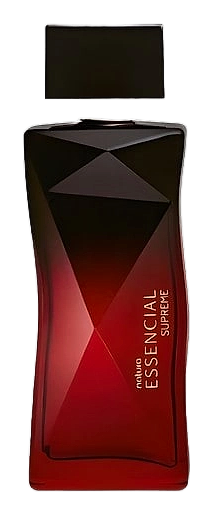
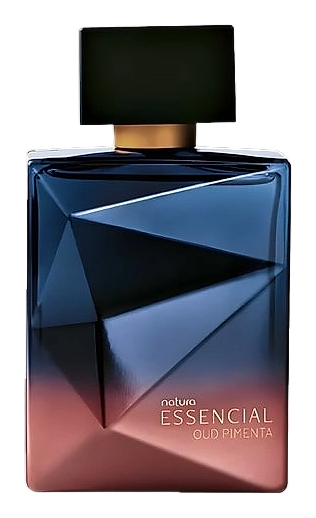
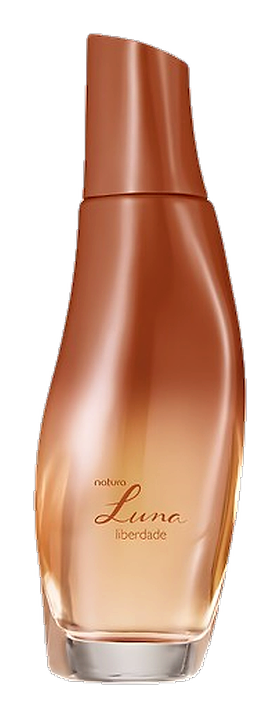
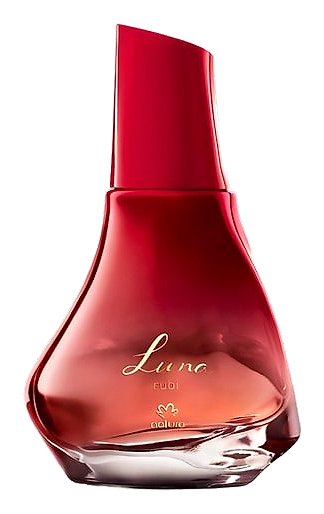
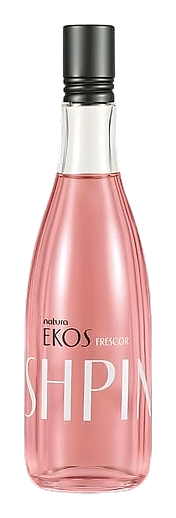
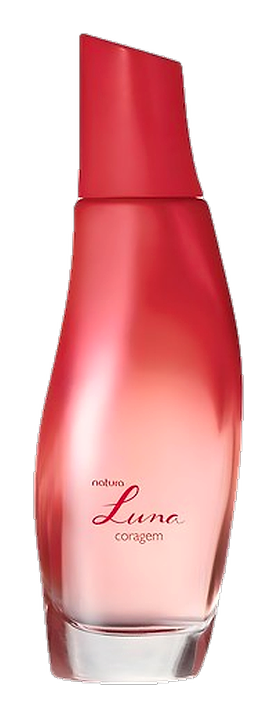
Fragrances featuring Ocotea Quixos
Brands
Brands known for Ocotea Quixos
Good to know
Questions, answered
The essentials on Ocotea Quixos in perfumery: how it smells, where it comes from, and how it behaves on skin.
Which part of Ocotea quixos provides the fragrance oil?
The bark and leaf material supply the essential oil used in perfumery. A 2021 analysis reported eugenol at 78 % of the oil extracted from bark, giving the oil its characteristic clove-like intensity. Harvesters typically collect bark in early winter to maximize oil content.
How is Ocotea quixos essential oil obtained?
Steam distillation extracts the oil from dried bark and leaves. The process yields roughly 0.5 % oil by weight from bark, as recorded in a 2022 agronomic study. Operators maintain a steady 100 °C steam flow for two hours to ensure complete volatilization of eugenol.
What are the dominant aroma compounds in Ocotea quixos oil?
Eugenol dominates, accompanied by smaller amounts of methyl eugenol and cinnamyl acetate. GC‑MS profiling in 2020 showed eugenol at 78 % and methyl eugenol at 4 % of the total composition. These compounds create a bright, spicy aroma that persists through the dry-down, while trace cinnamyl acetate adds a faint sweet nuance.
Where is the primary source of Ocotea quixos?
The species is native to the Andean slopes of Ecuador, especially the Pichincha region. Field surveys in 2019 mapped wild populations between 0° and 1° S latitude and 78° W longitude. These elevations range from 1,200 to 2,000 m, providing the cool, moist climate that favors high eugenol synthesis in the bark.
How long has Ocotea quixos been used in traditional medicine?
Indigenous healers have employed it for at least 800 years. Colonial records from 1620 describe its use as a digestive and respiratory remedy. The bark infusion was taken after meals to reduce bloating, while smoke from burned leaves was inhaled to ease coughs during the rainy season.
What scent character does Ocotea quixos contribute to a blend?
It adds a bright, spicy opening that settles into a warm, woody dry-down. Perfumers note the initial clove-like sharpness followed by a lingering resinous warmth lasting up to two minutes on skin. The transition occurs within 30 seconds, making it useful for top-note accents that evolve into a comforting base.
Is the harvesting of Ocotea quixos considered sustainable?
Current practices in Ecuador focus on selective bark stripping and leaf collection, supporting sustainability. A 2023 community report showed that 85 % of participating farms follow a rotation cycle that allows trees to recover fully within three years. Harvesters also limit removal to no more than 30 % of bark circumference per tree to prevent damage.
Can the aroma of Ocotea quixos be reproduced synthetically?
Synthetic eugenol can mimic the primary note, but it lacks the subtle secondary compounds of the natural oil. Laboratory blends using only synthetic eugenol miss the 4 % methyl eugenol and trace cinnamyl acetate that give the authentic profile its depth.