The Story
Why it exists.
The beginning
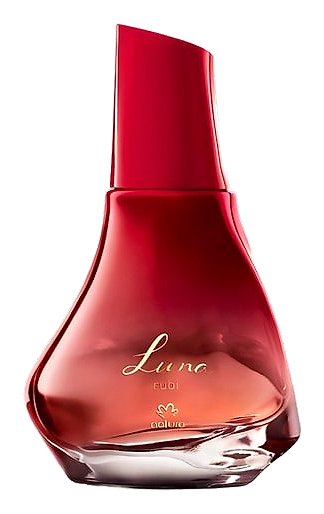
Luna Rubi draws its name from the ruby, Brazil's color of sensuality and fire. Rather than settling for a predictable red rose fragrance, perfumer Verônica Kato built the composition around the tension between warmth and darkness. Red florals anchor the heart, but the real story lives in the Amazonian ingredients that keep everything grounded: priprioca, a root native to Brazilian wetlands, and ocotea quixos, a species that grows deep in the rainforest canopy. The result is a fragrance that feels both deeply feminine and distinctly unapologetic, someone who walks into a room on her own terms.
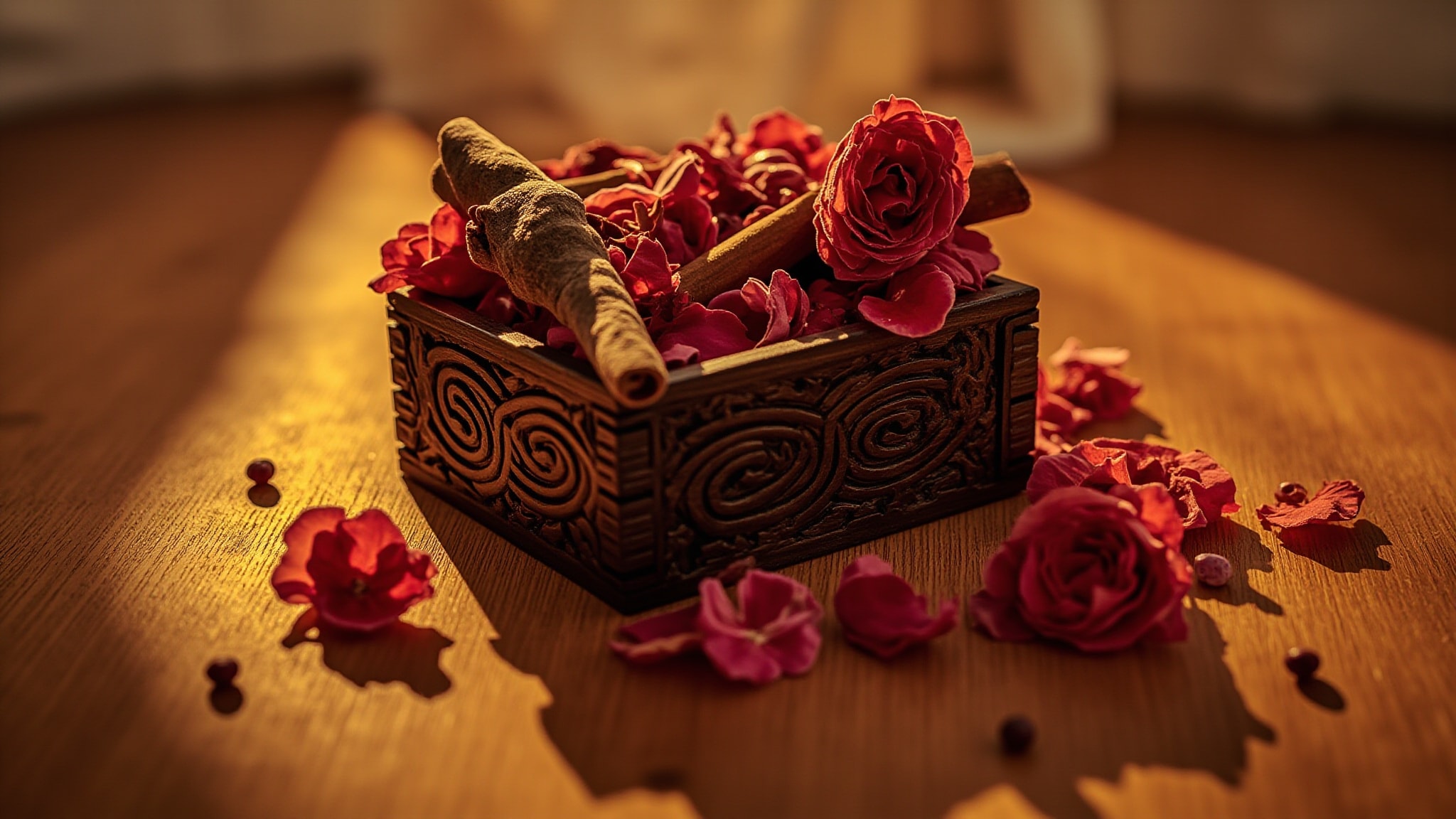
The key to Luna Rubi's character lies in that push and pull between warm spice and cool florals. Pink pepper opens the composition with a subtle berry-like warmth, while almond softens everything into something almost creamy. But the heart is where the fragrance earns its name, rose petals and cinnamon exist in constant negotiation, each pushing back against the other. The base settles into priprioca, a Brazilian root note that most Western perfumers have never worked with, giving the drydown an earthy, slightly animal quality that feels far removed from the typical patchouli-vetiver combination.
The evolution
The opening hits first, pink pepper's clean bite softened by almond's marzipan warmth. Thirty minutes in, the florals arrive: rose petals and magnolia over a cinnamon heat that builds quietly, not loudly. The ishpingo and ocotea quixos add a spiced wood note that most Western noses won't recognize, and that's the point. By hour two, the fragrance settles into priprioca and vetiver, warm, intimate, close to the skin. On fabric, it lasts closer to eight hours. The drydown stays woody rather than sweet, which means it doesn't fade into something generic. It just... quiets.
Cultural impact
Luna Rubi represents a milestone in Brazilian perfumery, bringing Amazonian botanicals like priprioca and ocotea quixos into the global fragrance conversation. The 2019 launch by Natura marked a deliberate effort to showcase regional materials that international houses rarely feature. Verônica Kato's composition demonstrates that Brazilian biodiversity offers compelling olfactory territory beyond the expected tropical fruits and beach references. This fragrance carved space for a new category of warm, spicy-floral scents rooted in Amazonian terroir rather than imported oriental archetypes. Its reception among fragrance enthusiasts signaled growing appetite for regionally-specific materials and storytelling that goes beyond the usual French perfume canon.