Noxolide
Noxolide is a captive synthetic musk prized for its clean, diffusive sweetness and exceptional stability. It anchors modern compositions with a soft, skin-like warmth that lingers for hours.
Character
How it smells
The quiet backbone of modern musk.
Noxolide belongs to a family of linear musks developed in the late 20th century, yet it remains one of the least publicly documented aroma chemicals in commercial use.






Origin
Switzerland
Noxolide emerged during the second wave of synthetic musk development that followed the discovery of macrocyclic musks in the early twentieth century. While natural musks from the musk deer, civet, and muskrat had perfumed European and Asian cosmetics for centuries, their scarcity, cost, and ethical concerns drove chemists to seek laboratory alternatives. The first generation of nitro musks and then polycyclic musks like Galaxolide, developed in the 1960s, opened the door to fully synthetic musk chemistry.
Noxolide represents a later refinement, created as a proprietary ingredient to address lingering regulatory and olfactory gaps in existing musks. Its name suggests an affiliation with the nitro-musk family, though its sensory profile aligns more closely with soft, white-musk character. The ingredient remains relatively obscure outside of professional perfumery circles, rarely appearing in consumer-facing marketing.
Its primary role has been as a workhorse in commercial fragrance bases, providing the clean, cotton-soft drydown found in countless personal care products and fine fragrances from the 1990s onward.
Wears it best
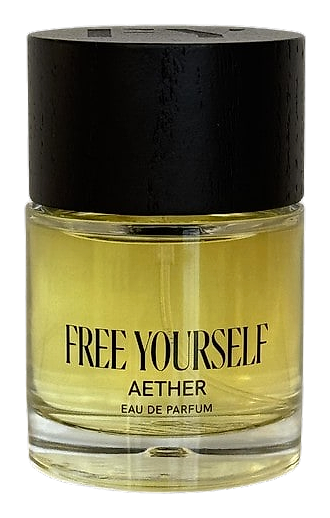
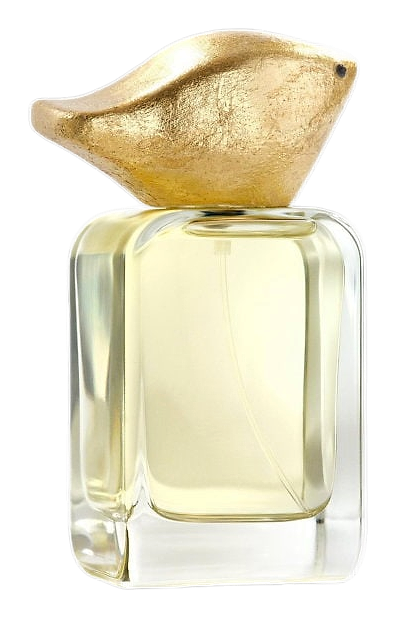
Fragrances featuring Noxolide
Brands
Brands known for Noxolide
Good to know
Questions, answered
The essentials on Noxolide in perfumery: how it smells, where it comes from, and how it behaves on skin.
What does Noxolide smell like?
Noxolide smells like a clean, soft musk with subtle fruity sweetness and a powdery, skin-like warmth. It is less animalic than natural musks and more diffusive than many polycyclic alternatives, making it ideal for modern fresh and clean compositions.
Is Noxolide natural or synthetic?
Noxolide is entirely synthetic. It is manufactured through multi-step organic synthesis in a laboratory setting, with no botanical or animal source. This makes it consistent in supply and free from the ethical concerns attached to traditional animal-derived musks.
What is Noxolide used for in perfumery?
Noxolide functions primarily as a base note and musk fixative. It extends the longevity of lighter top and heart notes while adding a velvety clean texture, and it is widely used in fine fragrances, fabric softeners, and personal care products.
Is Noxolide safe for skin?
Noxolide is considered safe for use in cosmetic and fragrance applications at regulated concentrations. It has been reviewed by industry safety panels and shows low skin sensitization potential. As with all fragrance materials, patch testing is advisable for sensitive individuals.
Why is Noxolide called a captive material?
Noxolide is termed a captive material because it is manufactured exclusively by one company and not sold on the open market. Perfumers access it only through that supplier, and exact production volumes and synthesis details remain proprietary information.
When was Noxolide first developed?
Noxolide was developed in the late twentieth century as part of ongoing efforts to refine synthetic musk chemistry. It followed the introduction of polycyclic musks like Galaxolide, which was patented in 1966, and represents a newer generation of cleaner, more stable musks.
How long does Noxolide last on skin?
Noxolide is a long-lasting base note, typically perceptible for 8 to 12 hours depending on concentration and formulation. Its low volatility and resistance to oxidation contribute to this extended performance compared to many natural musk tinctures.
Can Noxolide replace natural musk?
Noxolide can substitute for natural musks in many applications, offering similar warmth and fixative properties without animal sourcing. However, its cleaner, less animalic profile differs from the deep, fecal richness of natural civet or deer musk, so it serves a different olfactory purpose.