Maltol
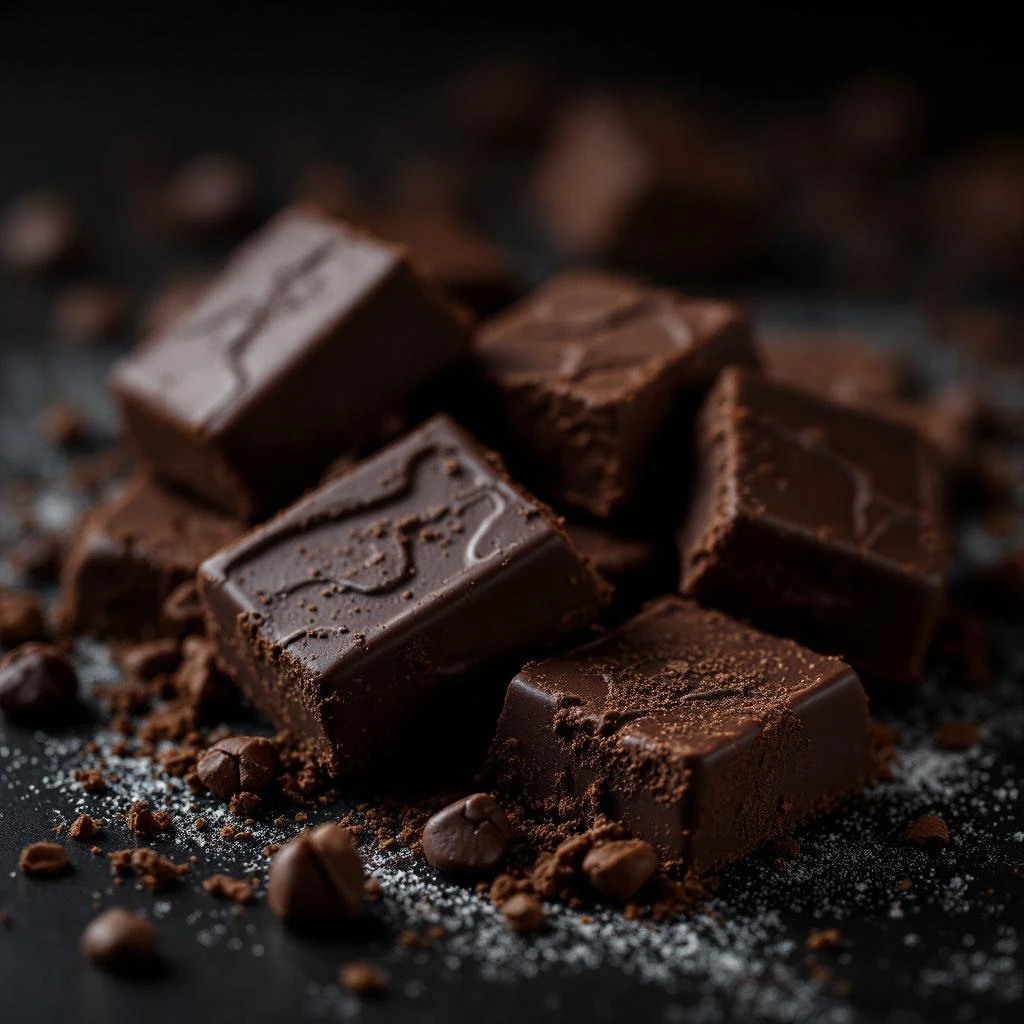
Two molecules, one family: maltol captures the warm sweetness of caramel and burnt sugar, while its derivative ethyl maltol delivers cotton-candy intensity that launched an entire fragrance era. Both are synthetic powerhouses that redefined what gourmand means in modern perfumery.
Character
How it smells
Synthetic sweetness that rewrote perfumery's rules.
Ethyl maltol was never found in nature. Every bottle of cotton-candy fragrance owes its scent to laboratory synthesis.









Origin
Russia
Maltol's origin story dates to 1861, when a chemist extracted an unknown compound from larch bark, temporarily naming it laxirinic acid. Munich chemists properly identified and christened it maltol in 1894. It became the first molecule in the 1,2-dicarbonyl family adopted by perfumery.
For decades, natural maltol dominated food and fragrance use until Pfizer's 1969 patent introduced ethyl maltol—a modified derivative that proved far more intense. Despite this, perfumers remained cautious about overt sweetness until 1992, when Olivier Cresp and Yves de Chirin crafted Mugler Angel with roughly 0. 5% ethyl maltol, an unprecedented concentration that overwhelmed patchouli's grounding force.
The resulting cotton-candy explosion not only defined a generation of fragrances but ignited the entire gourmand movement, a trend that has shaped fine fragrance for over thirty years. Today, ethyl maltol appears in countless sweet compositions, from praline-centered fragrances like Lolita Lempicka to the strawberry jam accords that followed Angel's lead.
Wears it best
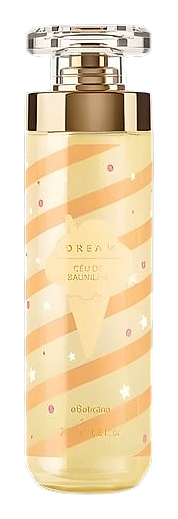
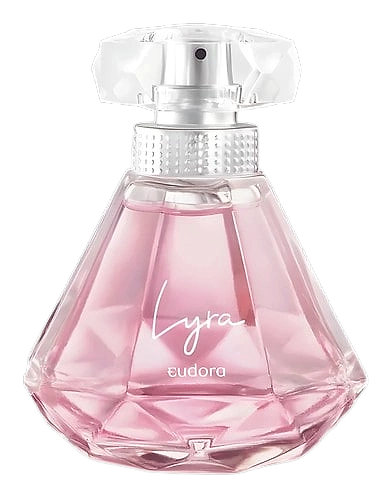
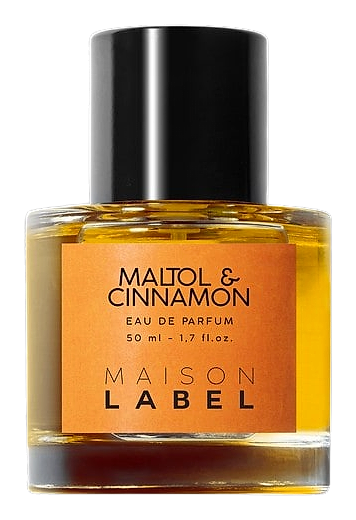
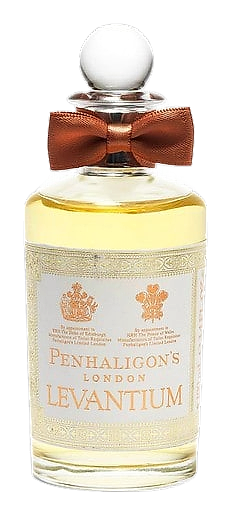
Fragrances featuring Maltol

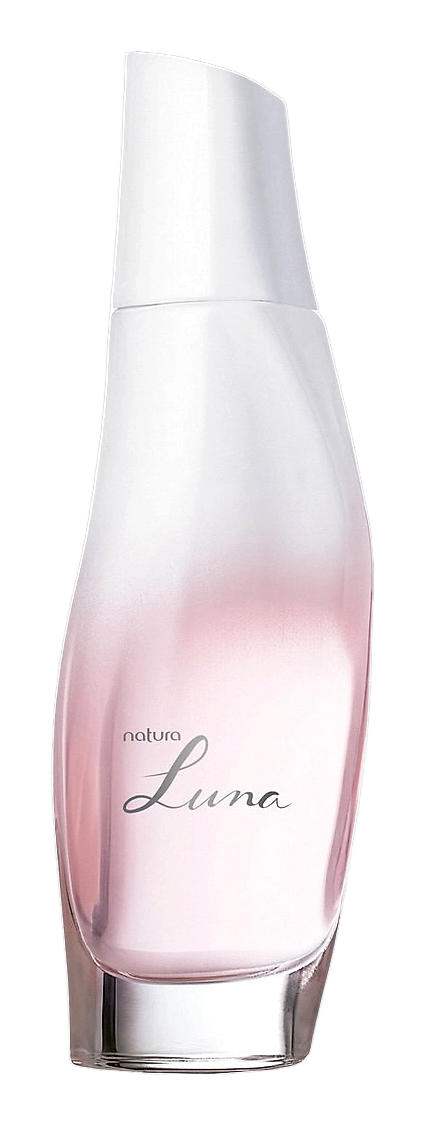
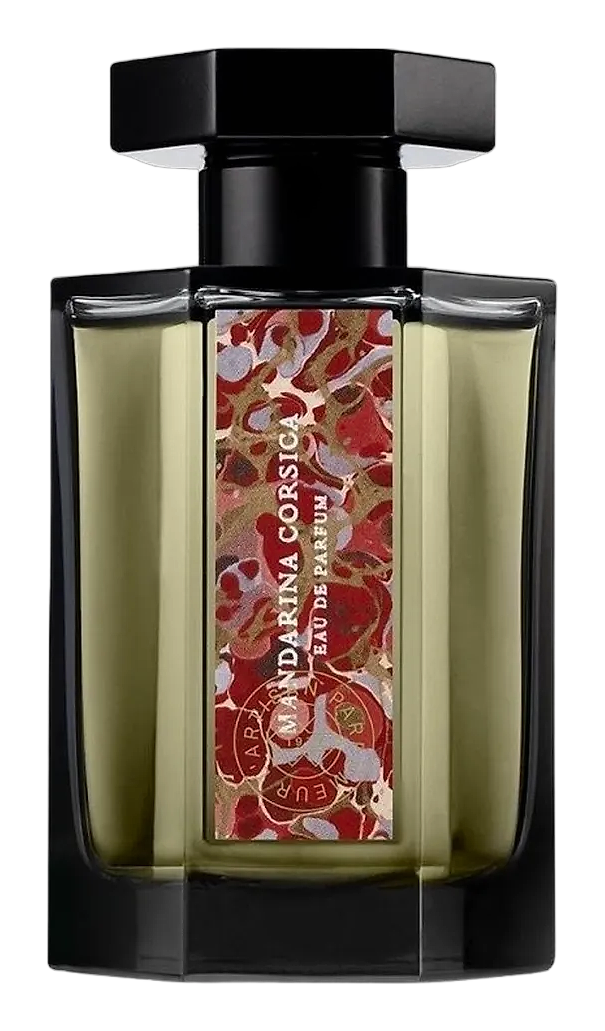
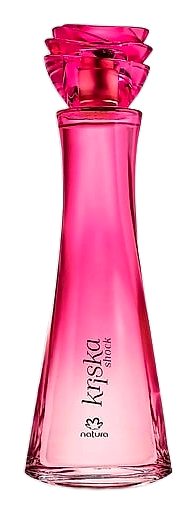
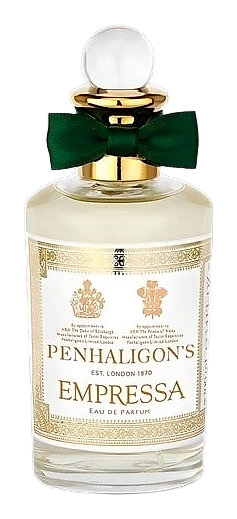
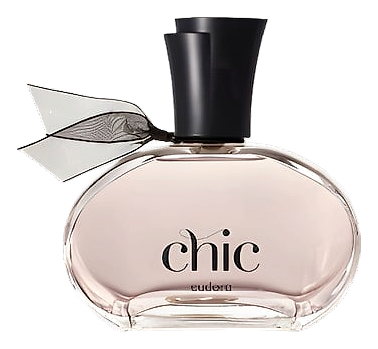
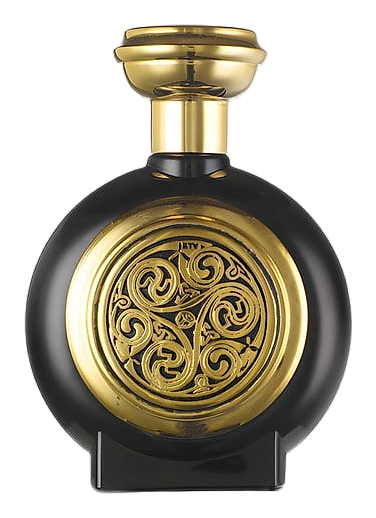
Brands
Brands known for Maltol
Good to know
Questions, answered
The essentials on Maltol in perfumery: how it smells, where it comes from, and how it behaves on skin.
What does maltol smell like?
Maltol smells like burnt sugar, caramel, and overripe fruit with cotton candy warmth. Ethyl maltol is more intense, carrying distinct notes of strawberry jam and cotton candy.
Is maltol natural or synthetic?
Maltol occurs naturally in trace amounts in roasted malt and some plants. Ethyl maltol is entirely synthetic and has never been detected in nature, despite its widespread use.
When did ethyl maltol first appear in perfumery?
Ethyl maltol entered fine perfumery in 1992 with the launch of Thierry Mugler Angel, composed by Olivier Cresp. The fragrance used approximately 0.5% ethyl maltol, considered a very high dose at the time.
What fragrance family uses maltol most?
Maltol and ethyl maltol anchor the gourmand family, which includes edible, dessert-like accords. They appear in caramel, praline, cotton candy, and strawberry jam constructions.
Does maltol occur naturally in any ingredient?
Maltol appears in small concentrations in roasted malt, certain flowers, and heat-processed foods. Synthetically produced maltol reproduces this aroma consistently batch to batch.
How much ethyl maltol do perfumers typically use?
Ethyl maltol is extremely potent. Typical usage rates range from 0.1% to 0.5% in fragrance concentrates. Angel's original formulation contained 0.5%, considered exceptionally high.
What chemical family does maltol belong to?
Maltol belongs to the pyrone-based heterocyclic family and was the first 1,2-dicarbonyl compound adopted by perfumery. Ethyl maltol is derived by replacing maltol's methyl group with an ethyl group.
What role does furfural play in maltol production?
Furfural serves as the key starting material for industrial maltol synthesis. It is derived from renewable agricultural waste including bran, corncobs, and sawdust, making maltol production surprisingly sustainable.