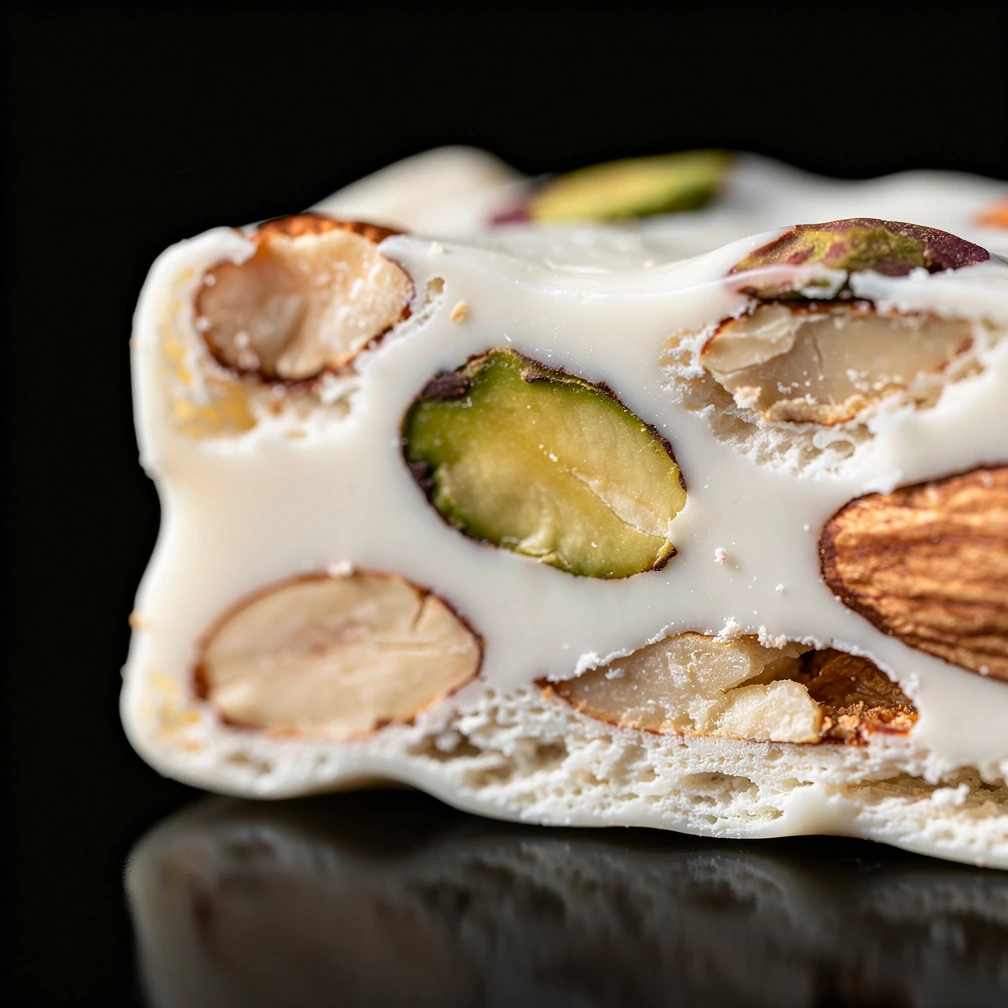
Nougat
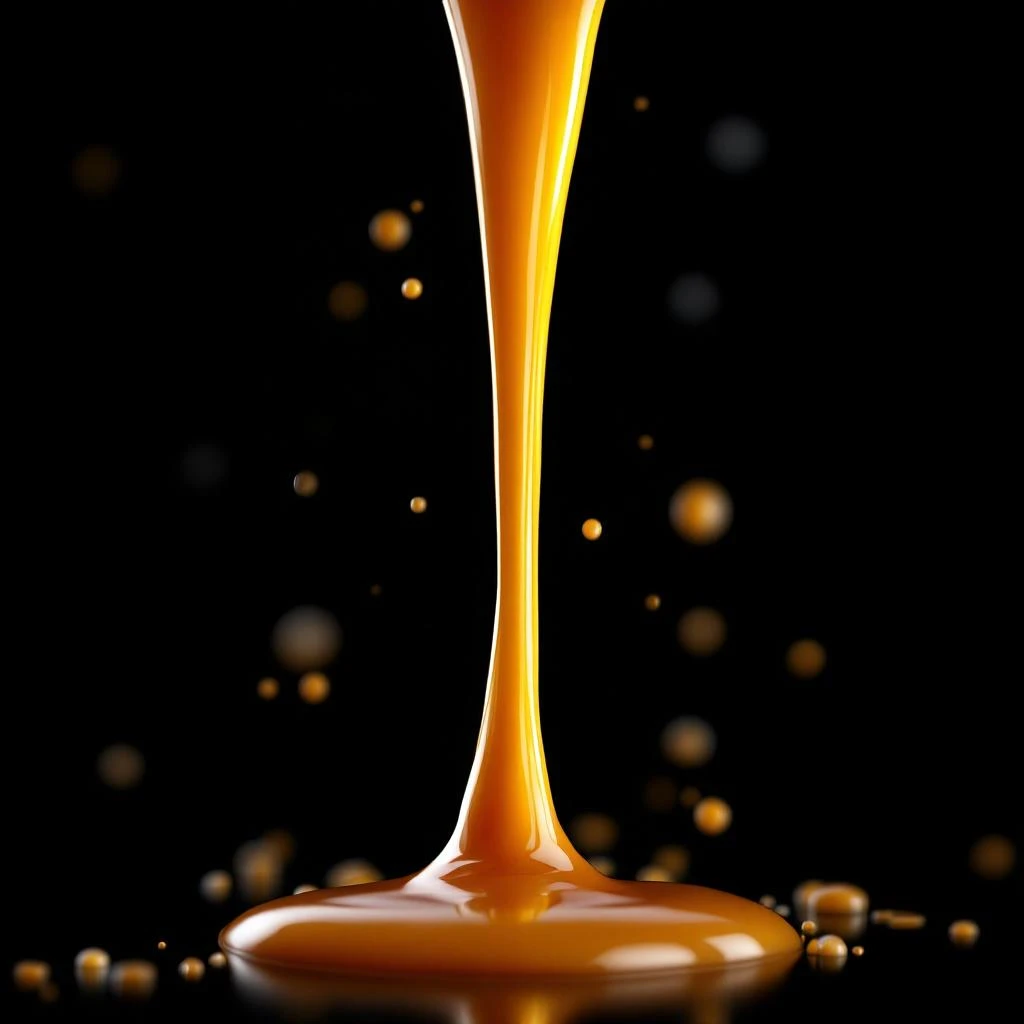
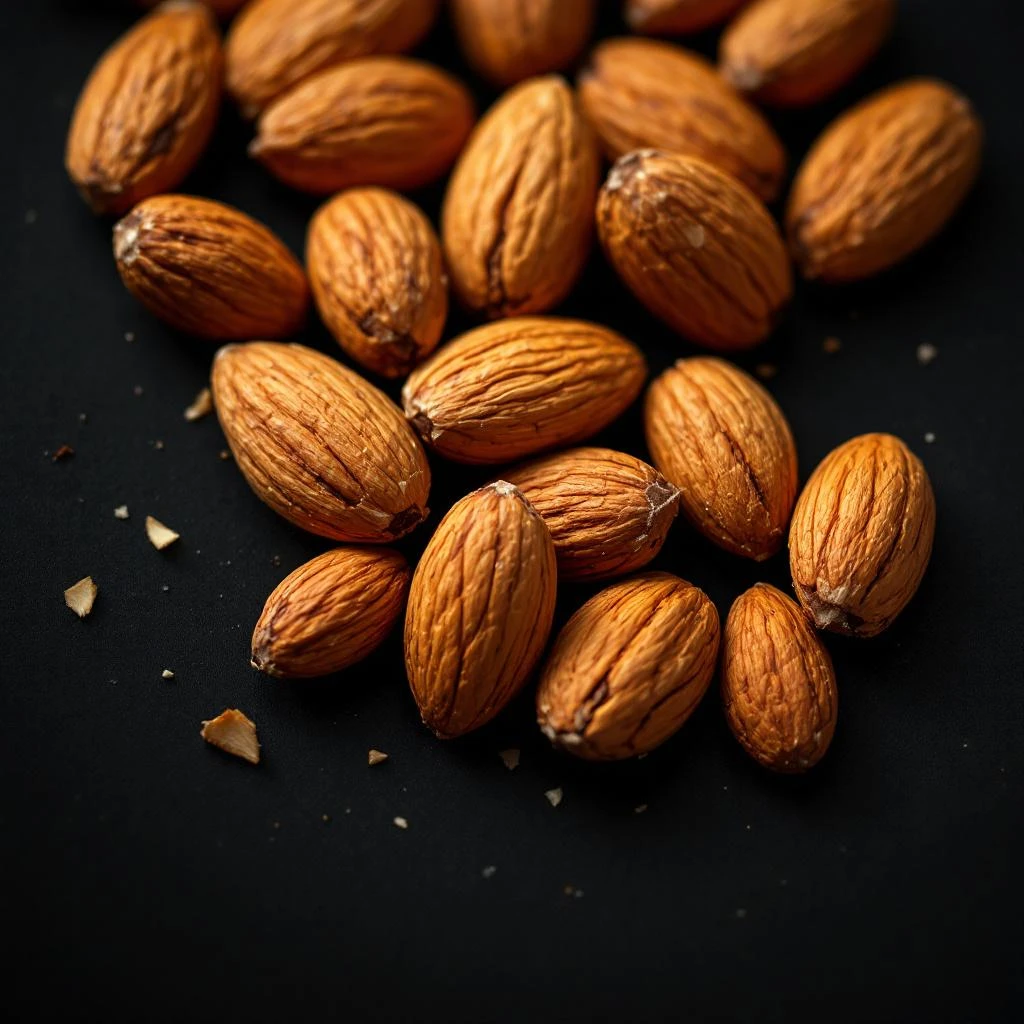
Nougat is a warm, edible base note that brings confectionery sweetness to fragrance. Composed of honeyed, vanilla, and nutty facets, it adds comfort and sensuality to oriental and floral compositions. Often used as a bridge between sweet and woody elements.
Character
How it smells
The cozy embrace of honeyed sweetness, capturing confectionery warmth in every spray.
Nougat in perfumery does not use the confectionery at all. It is entirely recreated through an aromatic accord of honey, vanilla, and tonka compounds.








Origin
France
The nougat note emerged in Western perfumery during the late 19th century when synthetic aromatic compounds became available. The first nougat-like materials appeared alongside vanillin and coumarin, which early chemists isolated from natural sources.
French perfumers, particularly in Grasse, pioneered the edible confectionery trend in fragrance during the 1920s and 1930s. The post-WWII era saw nougat accords flourish as consumers embraced sweeter, more approachable fragrance profiles.
By the 1990s, nougat had become a staple of oriental fragrances, featured prominently in major launches. Today it remains a key element in warm, gourmand compositions worldwide.
Wears it best
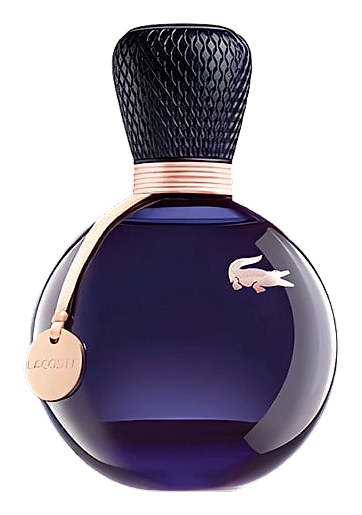
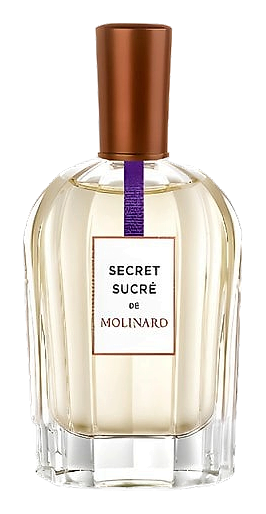
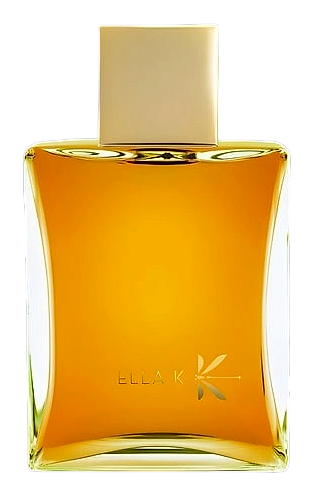
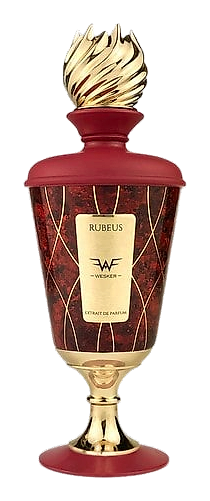
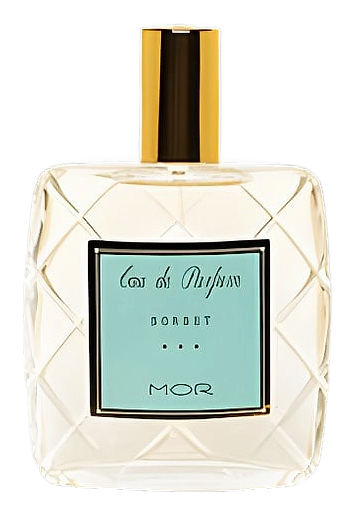
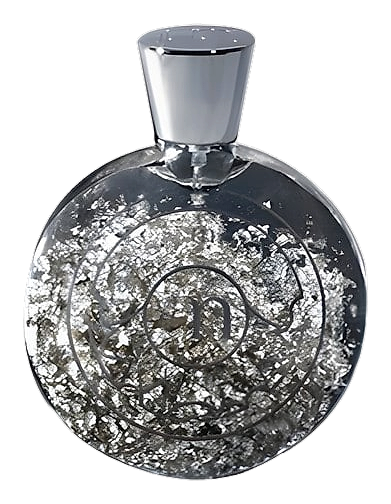
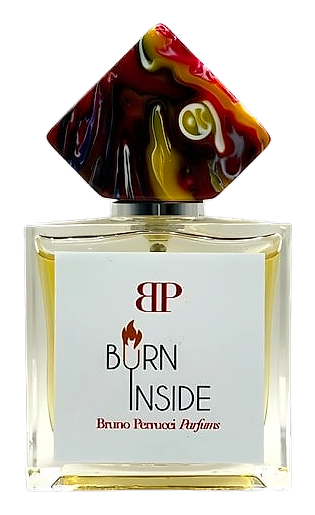
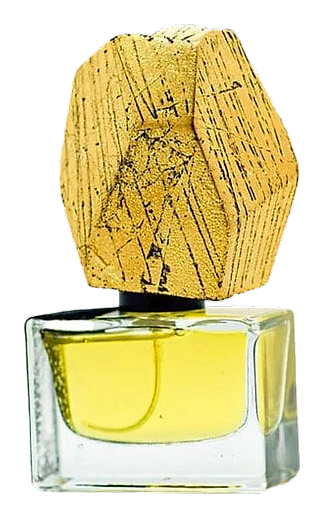
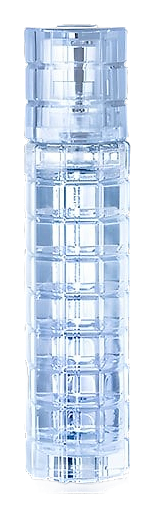
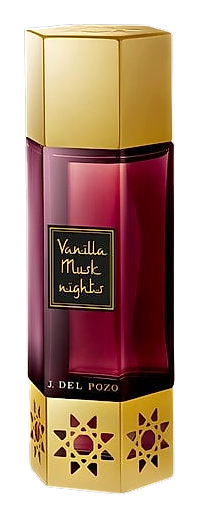
Fragrances featuring Nougat

Brands
Brands known for Nougat
Good to know
Questions, answered
The essentials on Nougat in perfumery: how it smells, where it comes from, and how it behaves on skin.
What does Nougat smell like in perfume?
Nougat smells sweet, warm, and slightly nutty with prominent honey and vanilla facets. It creates an edible, confectionery impression reminiscent of French nougat bars. The note reads as comforting and sensual, with a soft, powdery dry-down.
Why is Nougat used in perfumery?
Nougat adds warmth, sweetness, and an edible quality that makes fragrances feel more approachable and indulgent. Perfumers use it as a bridge between floral and oriental elements. It creates comfort and sensuality, contributing to fragrances with mass-market appeal.
Is Nougat in perfume natural or synthetic?
Nougat in perfume is entirely synthetic or semi-synthetic. It is constructed from aroma compounds like vanillin (synthesized from guaiacol), coumarin (derived from tonka bean or synthesized), and phenyl ethyl alcohol. No actual nougat confectionery is used in fragrance production.
What famous perfumes contain Nougat?
Nougat appears in numerous fragrances including Mugler Alien (2005), Lancome La Vie Est Belle (2012), and Thierry Mugler Angel (1992). The note is particularly prevalent in modern orientals and gourmand fragrances. Angel is widely credited with popularizing the nougat-honey- caramel scent family.
Is Nougat a top note, heart note, or base note?
Nougat functions almost exclusively as a base note in perfumery. Its sweet, heavy molecules evaporate slowly, allowing it to linger on skin for 6+ hours. As a foundation material, it anchors and stabilizes lighter top notes while adding depth to heart notes.
What notes pair well with Nougat in perfume?
Nougat pairs exceptionally well with vanilla, caramel, and honey for intensified sweetness. Complementary pairings include sandalwood, amber, patchouli, and benzoin for warmth. It also works with jasmine and orange blossom to balance sweetness with floral freshness.
How is Nougat extracted?
Nougat cannot be extracted from the confectionery. The note is created by blending aromatic compounds including phenyl ethyl alcohol (sweet, rosy), vanillin (creamy vanilla), coumarin (hay-like warmth), and benzyl alcohol (viscous sweetness). These materials are blended in precise proportions to achieve the characteristic nougat accord.
Is Nougat used in men's or women's fragrances?
Nougat appears in both men's and women's fragrances, though usage patterns differ. It dominates women's gourmand and oriental fragrances. For men's scents, perfumers pair it with woods, leather, and spices to create warmer, more masculine interpretations. Approximately 65% of nougat-fragranced releases target women.