Northern Highbush Blueberry
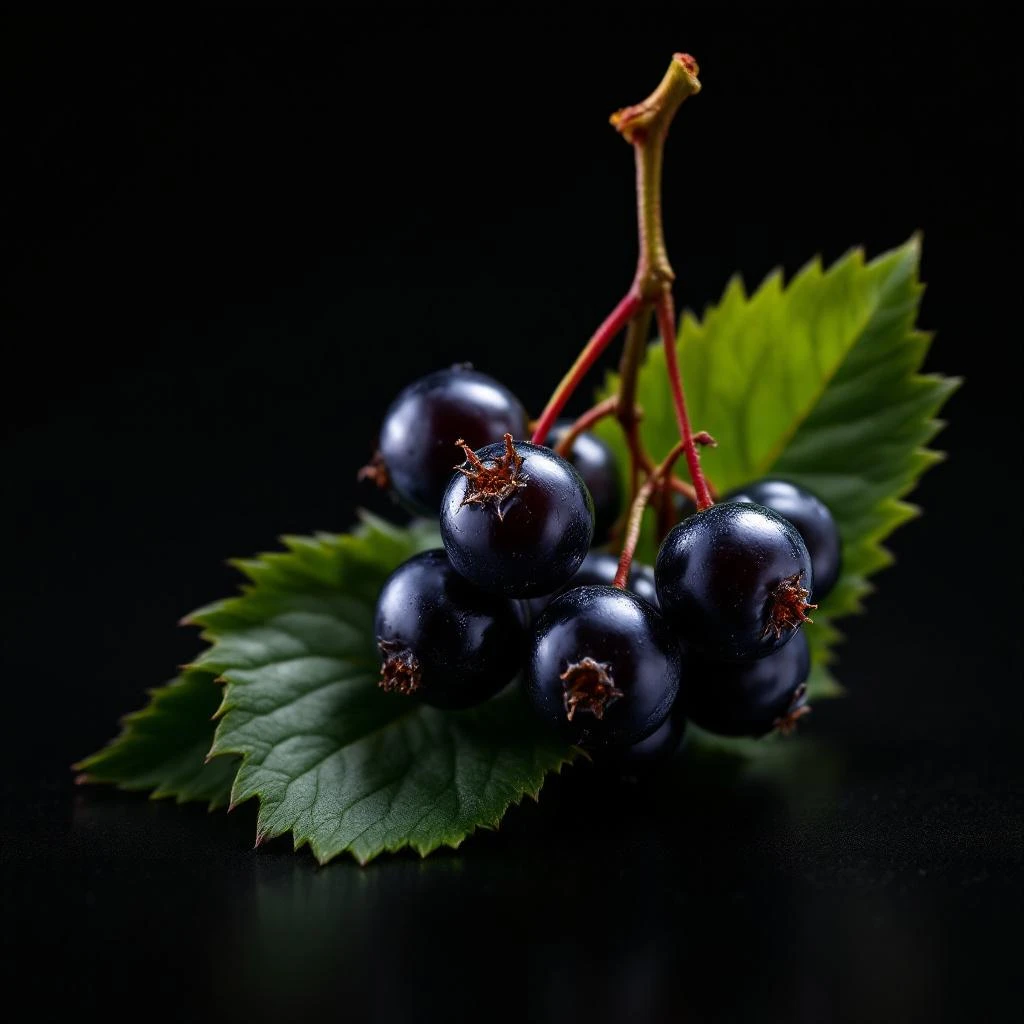
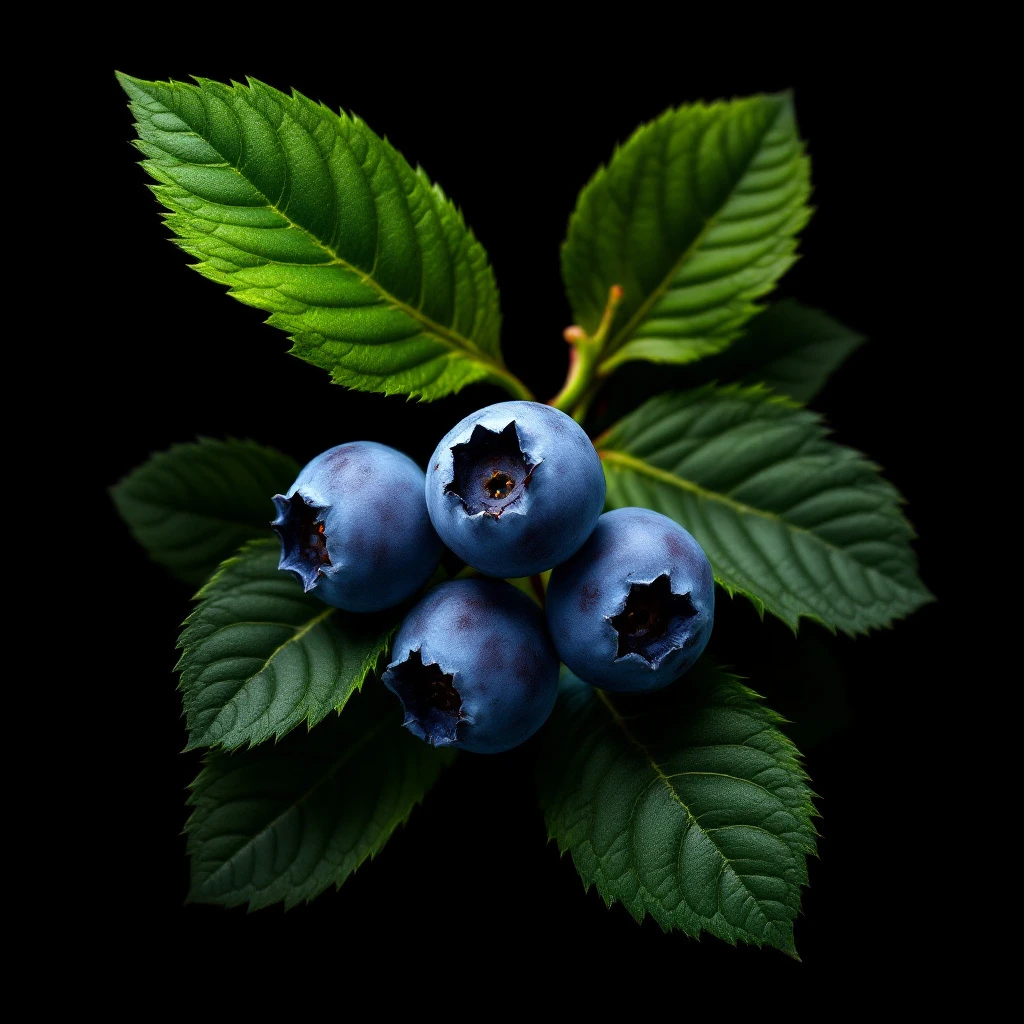
Northern Highbush Blueberry brings bright, jammy sweetness with a subtle tart edge. Unlike whole fruit smells, the perfumery version captures sun-warmed berries at peak ripeness with green, slightly leafy undertones that feel unmistakably fresh and alive.
Character
How it smells
Bright, jammy sweetness with a tart finish
The cultivated highbush blueberry traces back to one woman in New Jersey who hand-pollinated wild bushes in 1916.



Origin
United States
The story of Northern Highbush Blueberry begins in the Pine Barrens of New Jersey, where a cranberry farmer named Elizabeth White teamed up with botanist Frederick Coville in 1916. Before their collaboration, wild blueberries grew only in acidic soils across eastern North America, making commercial cultivation seem impossible. White offered farm space and resources while Coville provided botanical expertise.
Together, they hand-pollinated wild Vaccinium corymbosum specimens and selected the most promising plants. Their breakthrough laid the foundation for today's blueberry industry. By the 1930s, highbush varieties reached Europe and global production expanded.
Today, growers harvest nearly one billion pounds annually, with the United States producing roughly half the world's supply. This North American native fruit became a fragrance staple only in recent decades, as synthetic chemistry advanced enough to capture its complex sweetness.
Wears it best
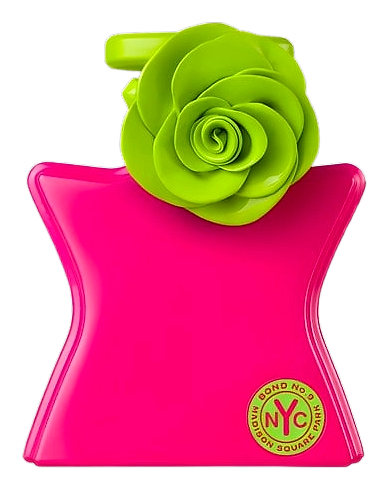
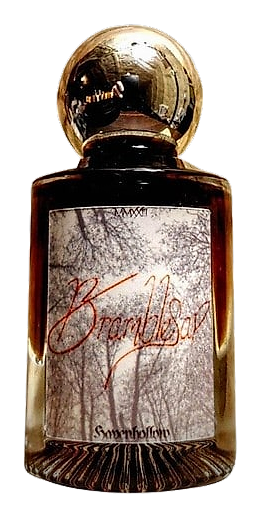
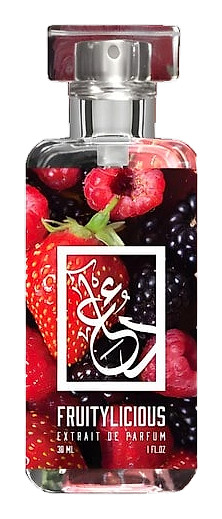
Fragrances featuring Northern Highbush Blueberry
Brands
Brands known for Northern Highbush Blueberry
Good to know
Questions, answered
The essentials on Northern Highbush Blueberry in perfumery: how it smells, where it comes from, and how it behaves on skin.
Is Northern Highbush Blueberry a natural fragrance ingredient?
No, it is not a natural ingredient. Blueberry contains no extractable essential oil, so perfumers create the scent using synthetic aroma chemicals that replicate the fruit's characteristic sweet, jammy profile with green undertones.
What does Northern Highbush Blueberry smell like in perfume?
It smells like sun-ripened berries at peak freshness. The scent combines bright sweetness with subtle tartness, green leafy top notes, and deeper jammy undertones that evoke warm berry fields.
Where does highbush blueberry originate from?
The cultivated highbush blueberry originated in New Jersey during 1916 through a collaboration between farmer Elizabeth White and botanist Frederick Coville. Their work transformed a wild North American fruit into a commercial crop.
How do perfumers capture blueberry's scent without natural extraction?
Perfumers build blueberry accords from aroma chemicals that individually represent specific facets of the fruit's scent. These molecules combine to create the full spectrum of sweet, tart, green, and jammy characteristics.
What affects blueberry's scent in nature?
Geography shapes blueberry's aromatic profile. Soil acidity, local climate, and growing altitude all influence how intense and nuanced the fruit's scent becomes on the shrub before harvest.
Is blueberry commonly used as a fragrance note?
Yes, blueberry appears frequently in modern perfumery, particularly in women's and gender-neutral fragrances. It gained popularity as a sweet-fruity note during the late 20th and early 21st centuries.
What other notes pair well with blueberry in fragrance?
Blueberry harmonizes with creamy vanilla, soft musk, fresh aquatic notes, and green accents like mint or tea. It also pairs well with other berries and lighter florals such as lily of the valley.
Which countries produce the most highbush blueberries?
The United States leads global production, accounting for roughly half of the world's supply. Canada and Poland also produce significant quantities of highbush blueberries for commercial markets.