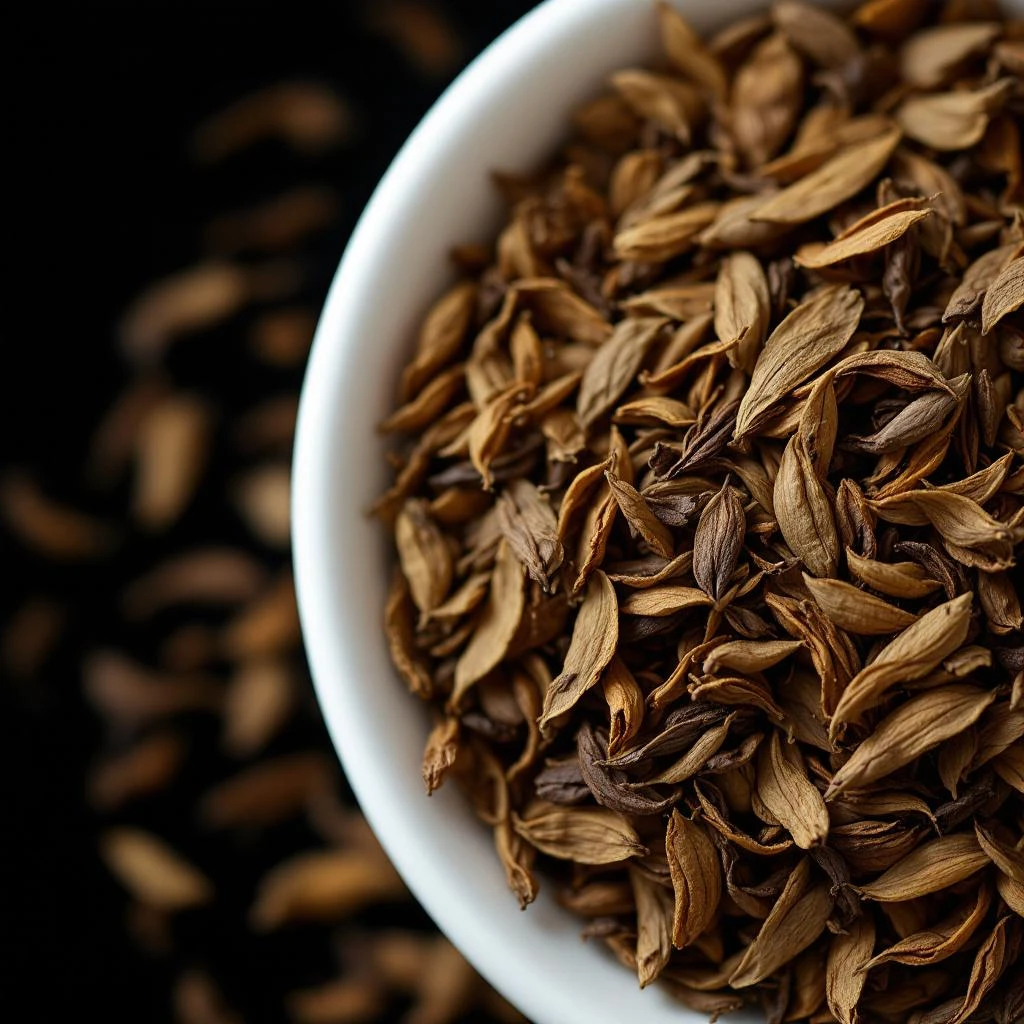
New Zealand Flax
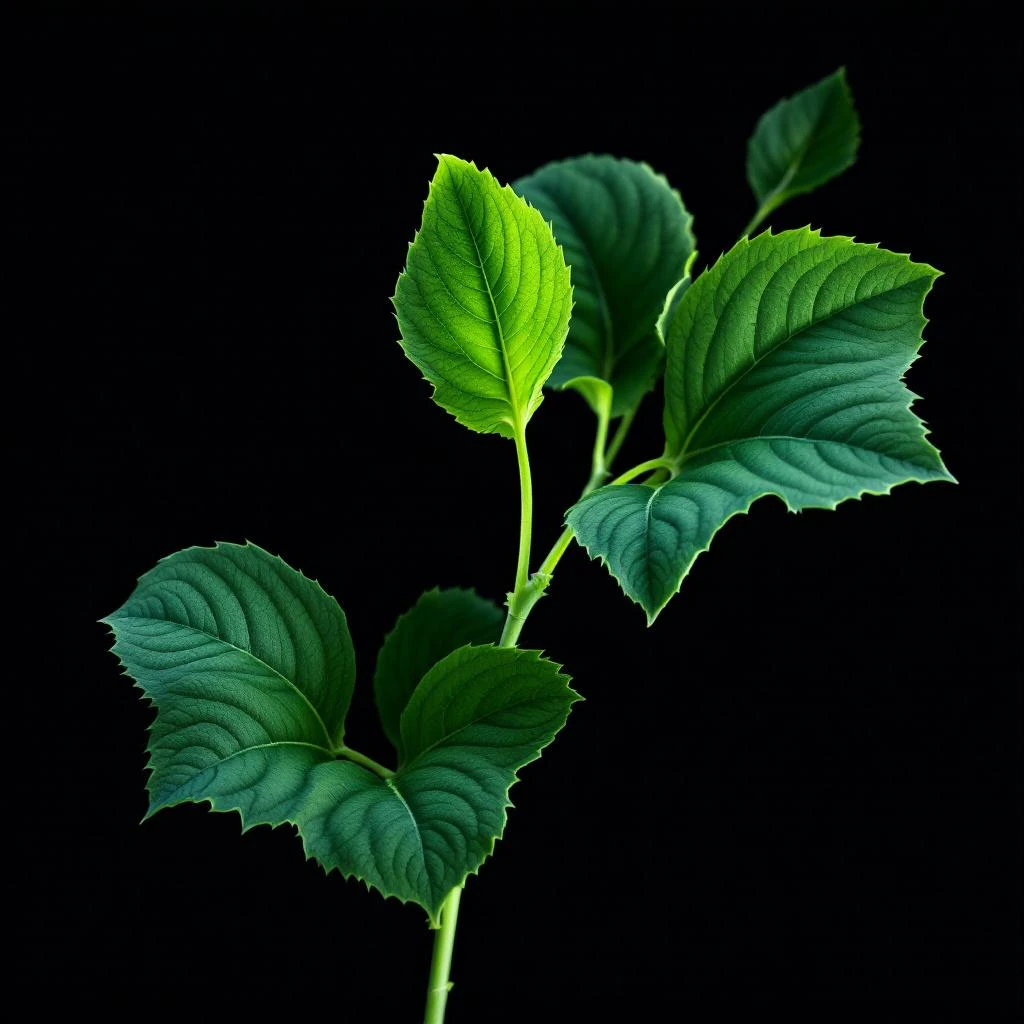
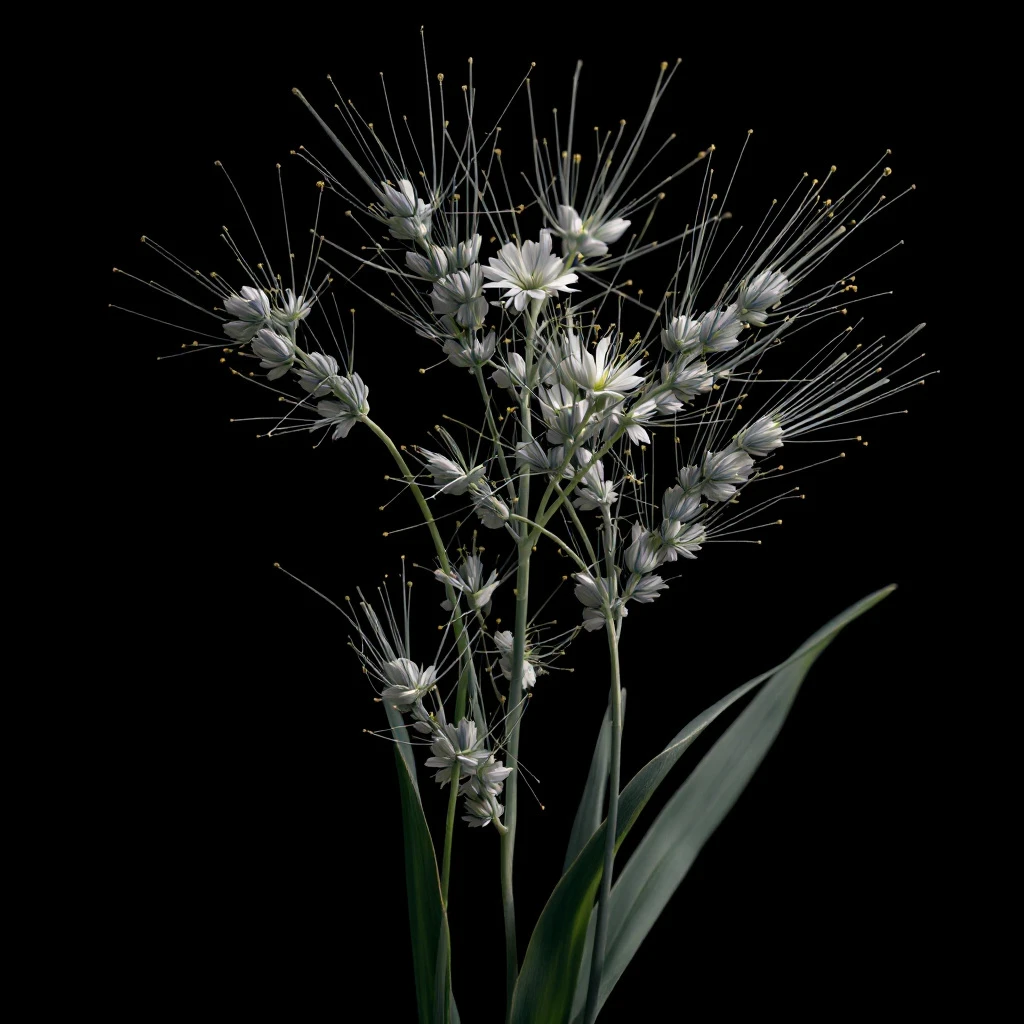
New Zealand flax (Phormium tenax), a fibrous plant long woven by Māori, now finds a quieter purpose lending its green, grassy character to niche perfumery.
Character
How it smells
Grassy green from a fiber that built nations.
Captain Cook's crew documented Phormium tenax in 1773, yet Māori had been weaving its fibers into cloaks and cordage for centuries before European arrival.
Pairs beautifully with
Origin
New Zealand
Phormium tenax, known to Māori as harakeke, sustained Pacific communities for centuries before European contact. Captain Cook's second Pacific expedition formally documented the species in 1773, when naturalists Johann Reinhold Forster and his son Georg collected specimens. Māori had long extracted muka fiber from the leaves, weaving it into kākahu cloaks, fishing lines, and rope.
When European traders recognized the fiber's exceptional strength, an export industry emerged. Flax exports date back to at least 1810, with sustained trade supplied by Māori beginning in the late 1820s. Wild stands were initially harvested, but by 1851 three dedicated plantations existed.
A Parliamentary Commission in 1870 examined the industry's viability, cementing flax as one of the colony's significant early commodities alongside wool and timber.
Wears it best
Fragrances featuring New Zealand Flax
Brands
Brands known for New Zealand Flax
Good to know
Questions, answered
The essentials on New Zealand Flax in perfumery: how it smells, where it comes from, and how it behaves on skin.
What does New Zealand flax smell like in perfume?
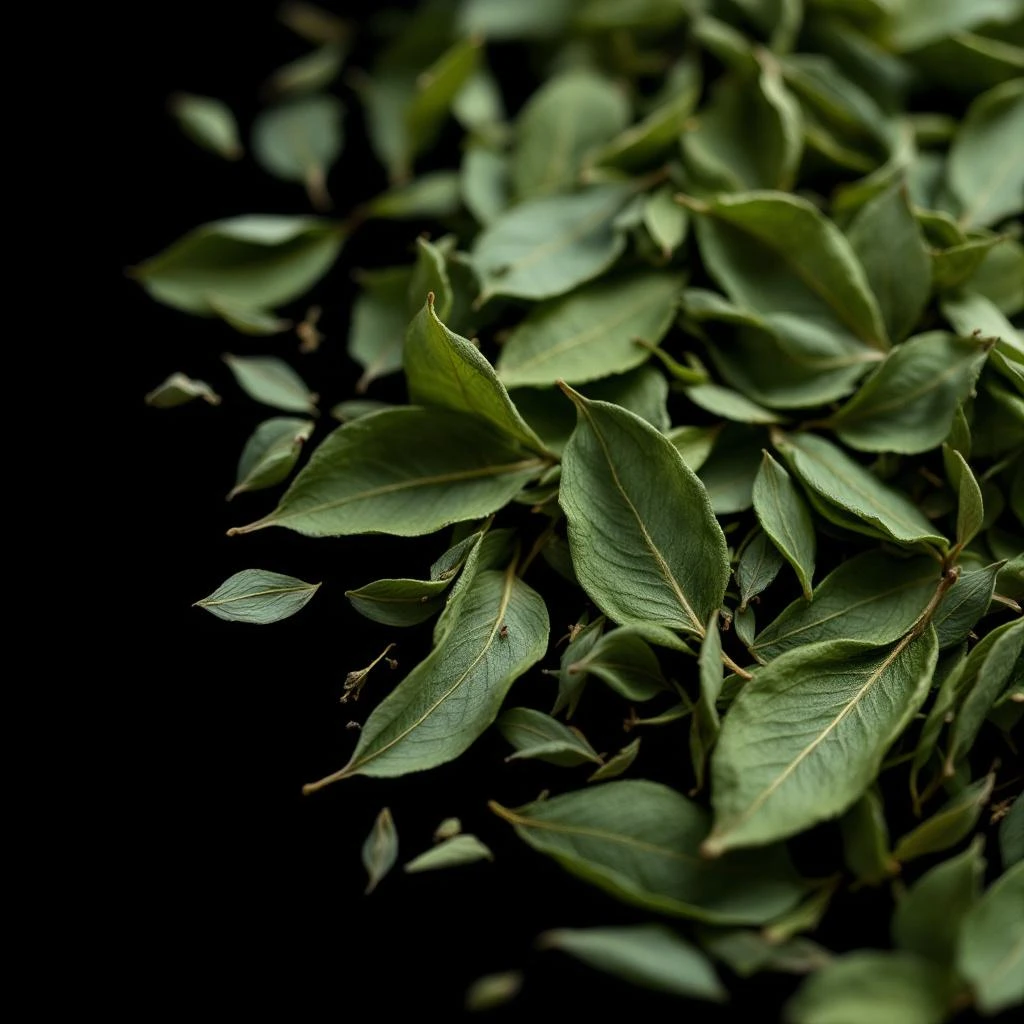
New Zealand flax produces a green, grassy, slightly hay-like scent. It reads as fresh-cut foliage rather than a dense floral or woody note, making it a subtle accent in compositions aiming for natural green character.
Is New Zealand flax commonly used in mainstream perfumery?
No. New Zealand flax remains a niche ingredient. Most mainstream fragrances use more accessible green materials like galbanum or violet leaf, while artisan houses occasionally incorporate Phormium extracts for their unique botanical narrative.
What part of New Zealand flax is used in fragrance?
The long, sword-shaped leaves are the source. Freshly harvested leaves undergo solvent extraction to yield an absolute, though some perfumers rely on reconstructed scent molecules due to the plant's limited essential oil yield.
Why did Māori cultivate New Zealand flax historically?
Māori cultivated harakeke primarily for muka fiber, extracted from the leaves and woven into kākahu cloaks, fishing lines, and rope. Its exceptional tensile strength made it indispensable for both everyday tools and ceremonial garments.
When was New Zealand flax first documented by Europeans?
1773, during Captain Cook's second Pacific voyage. Naturalists Johann Reinhold Forster and his son Georg collected specimens, formally introducing Phormium tenax to European botanical science.
Is New Zealand flax the same plant as linen flax?
No. New Zealand flax (Phormium tenax) is a lily-family native distinct from Linum usitatissimum, the linen flax. Both yield strong fibers, but only the New Zealand species carries the harakeke cultural significance.
How is New Zealand flax fiber extracted for traditional uses?
Traditional extraction involves scraping the leaf's green outer flesh to reveal the muka fibers beneath, a labor-intensive process historically performed by Māori weavers. The resulting fibers are then sun-dried and prepared for weaving.
Does New Zealand flax produce an essential oil?
Not in commercial quantities. Phormium tenax yields negligible essential oil through distillation, so perfumers rely on solvent-extracted absolutes or molecular reconstructions to capture its grassy aroma.