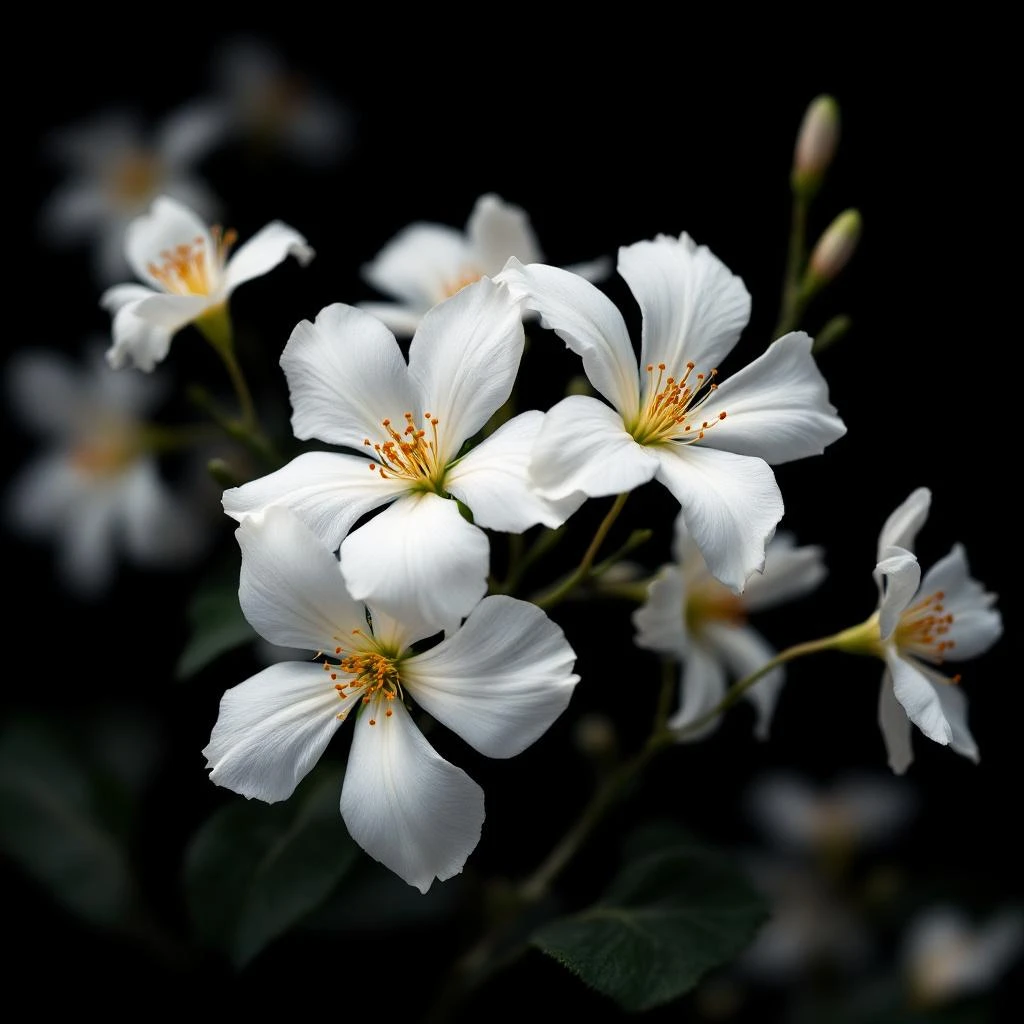
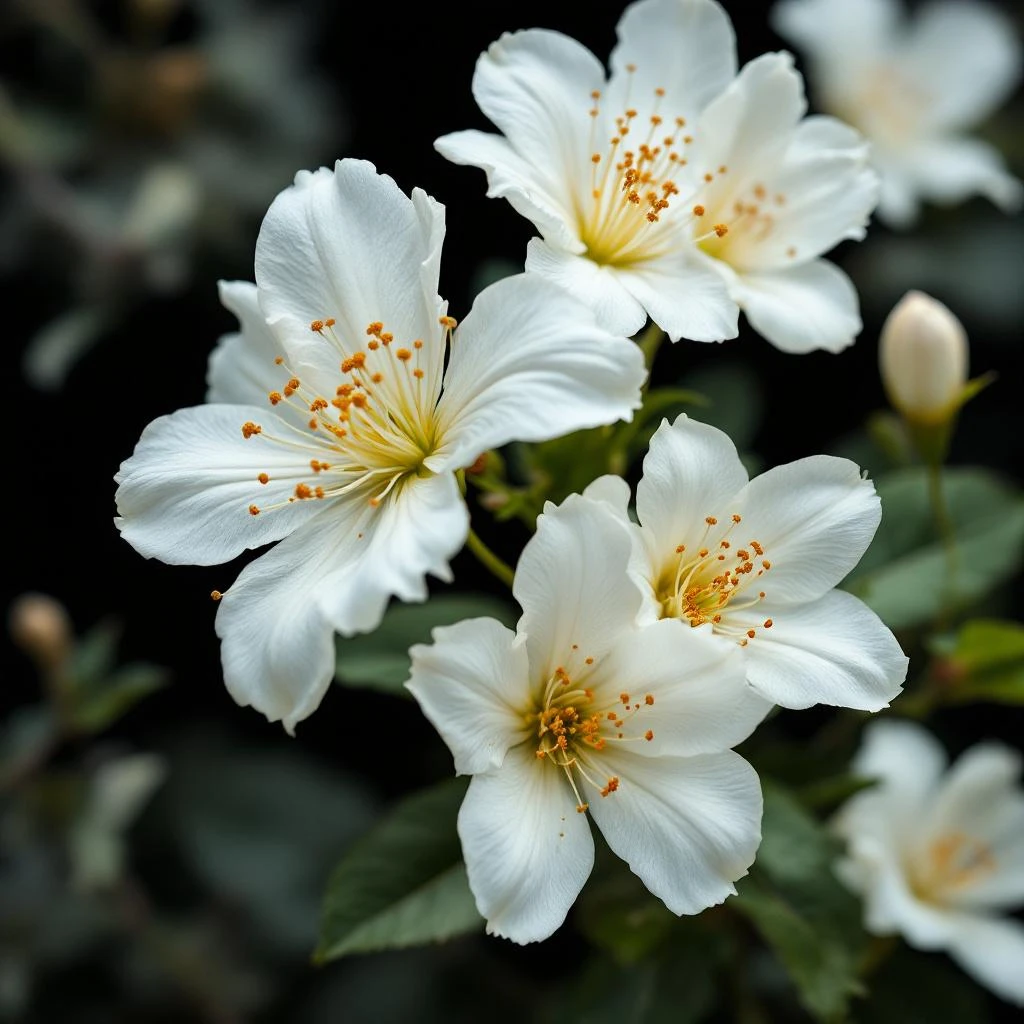
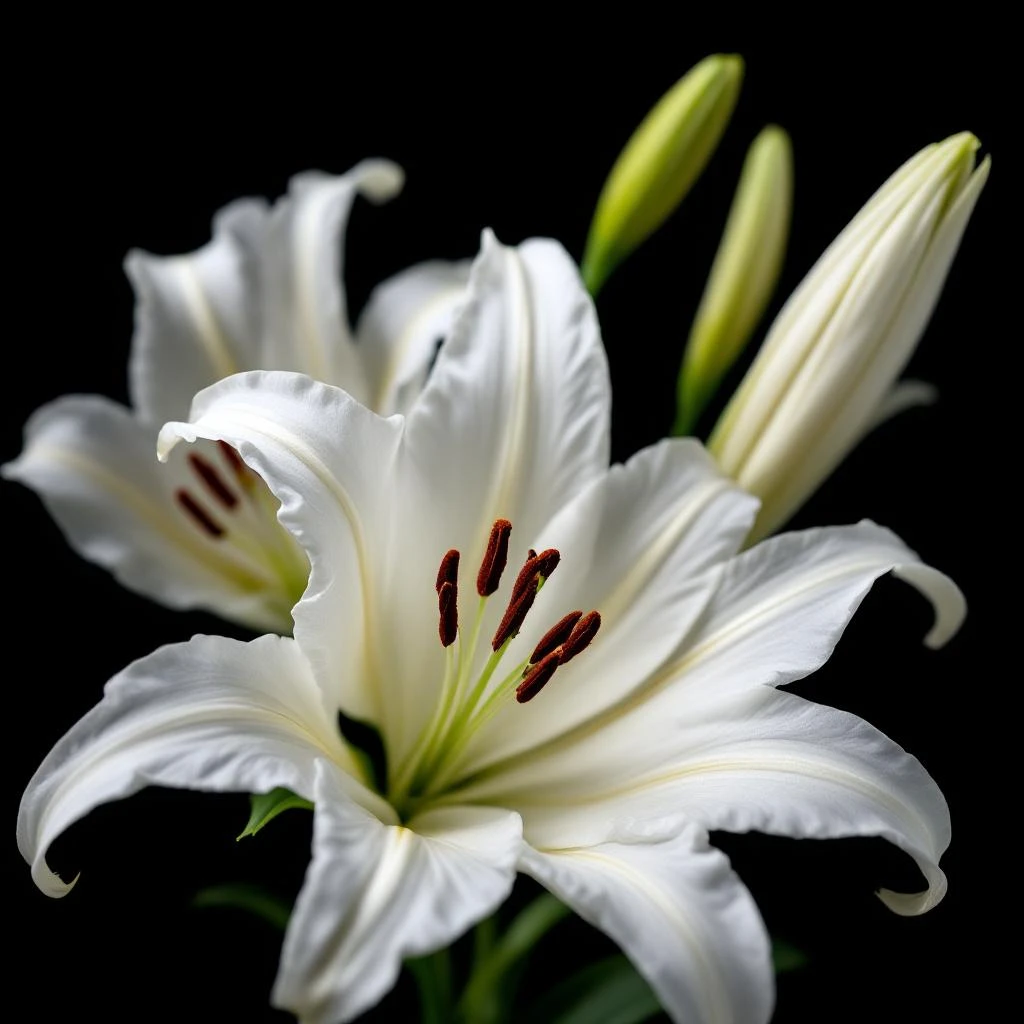
Kanuka Blossom
Kanuka brings a clean, herbaceous freshness rooted in New Zealand, with sweet green notes and a gentle aromatic edge shaped by its native landscape.
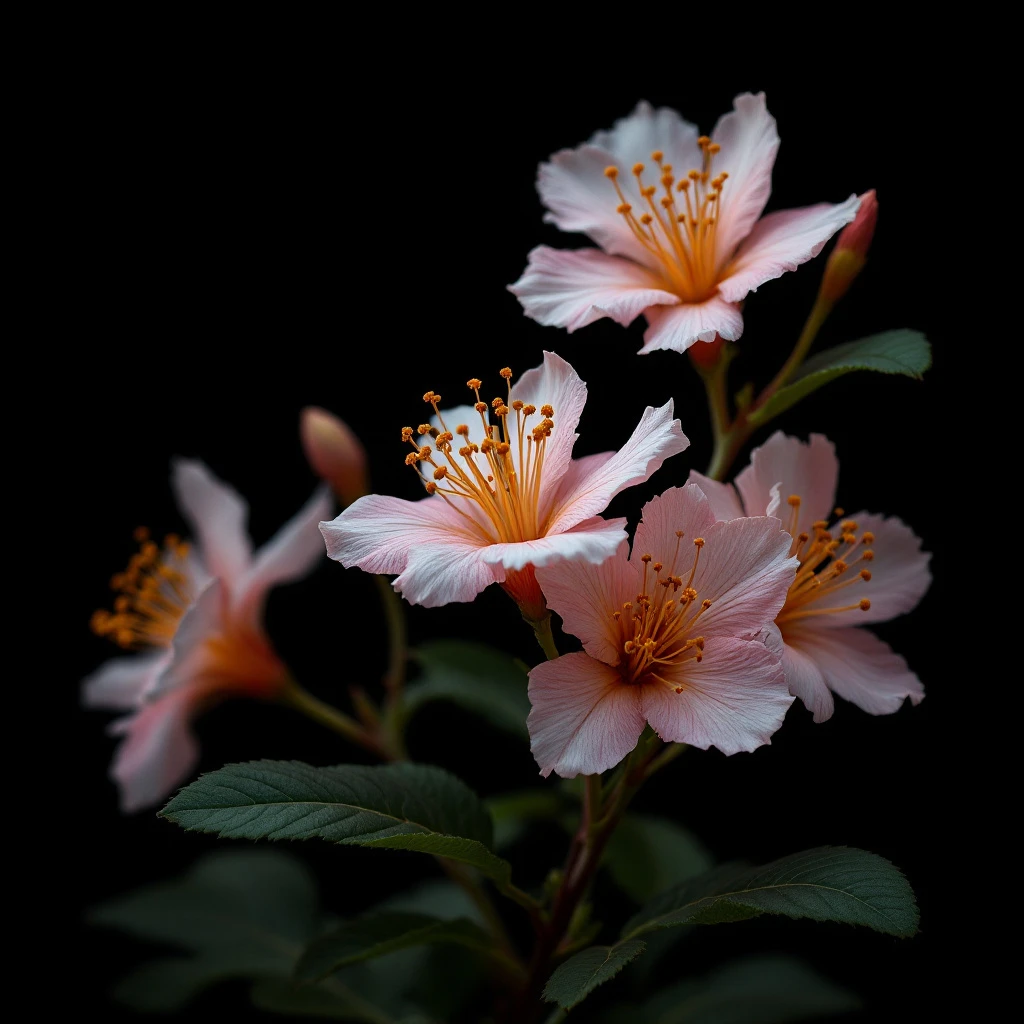
Character
How it smells
Fresh from New Zealand, distinctly green.
Despite its name, kanuka is related to tea tree but produces a lighter, softer aroma rich in alpha-pinene.
Pairs beautifully with

Origin
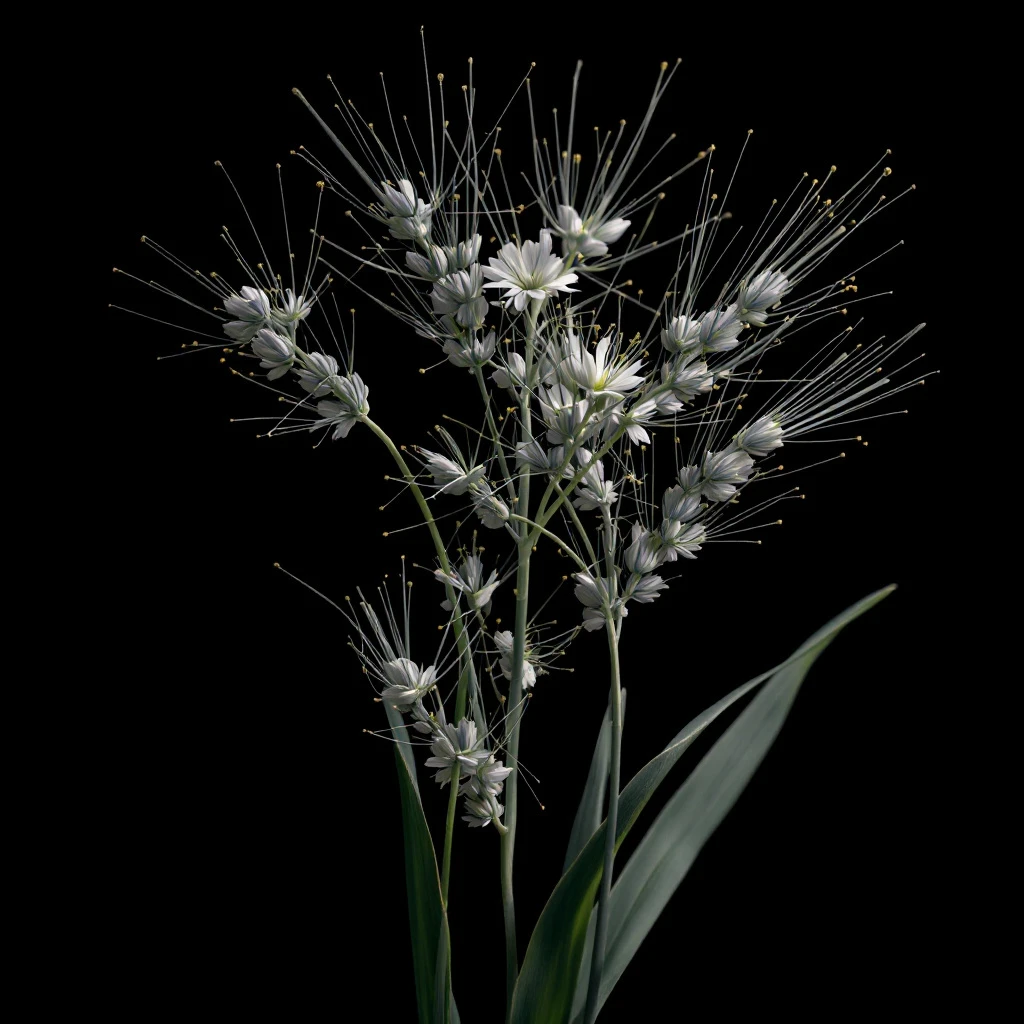
New Zealand
Kānuka belongs to a group of roughly 30 Kunzea species, small evergreen shrubs with tiny, heath-like flowers that release a pungent aroma when crushed. For Māori communities in New Zealand, the plant carried practical and cultural significance, with preparations of kānuka historically applied for skin conditions, pain, and inflammation.
Colonial-era settlers often dismissed the shrub as a weed, a misreading that lasted while its aromatic and medicinal qualities went largely unrecognised by the wider fragrance industry. That changed as interest in botanical ingredients expanded and New Zealand-origin oils found a place in natural perfumery.
Today, kānuka is valued as a regional alternative to European aromatic herbs, offering a distinctly Southern Hemisphere character. Modern producers also pay close attention to mānuka, another Kunzea species whose oil has a different composition and scent profile.
Wears it best
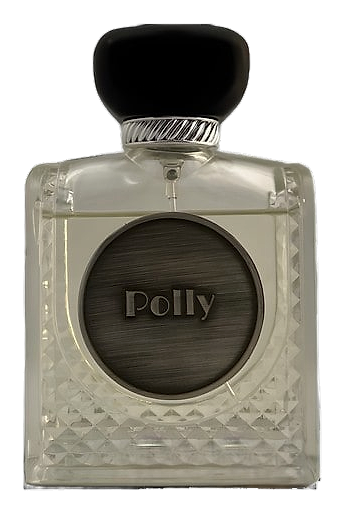
Fragrances featuring Kanuka Blossom
Brands
Brands known for Kanuka Blossom
Good to know
Questions, answered
The essentials on Kanuka Blossom in perfumery: how it smells, where it comes from, and how it behaves on skin.
What does kanuka blossom smell like in perfumery?
Kanuka presents a fresh, sweet, green aroma with a lightly camphorated, herbaceous edge. Its profile is often compared with tea tree, though kānuka oil is generally lighter and softer, with added floral character from compounds such as alpha-pinene.
Is kanuka oil the same as manuka oil?
No. Kānuka oil comes from Kunzea ericoides, while mānuka oil comes mainly from Kunzea ericoides subsp. racemosa or Leptospermum scoparium. They differ in chemical composition and aroma, so fragrance formulas distinguish between them.
How is kanuka essential oil produced?
Producers steam distill the leaves and foliage of Kunzea ericoides, passing steam through the plant material and separating the volatile oil from the condensate. A 2022 review defined kānuka oils specifically as these steam-distilled foliage extracts native to Aotearoa New Zealand.
What compound gives kanuka its fresh green character?
Alpha-pinene is one of the key natural compounds in kānuka oil, contributing a crisp, pine-like freshness. Cineole also plays a significant role, lending the oil its clean, slightly medicinal and camphorated undertone.
Does 'kanuka blossom' refer to an actual flower extraction?
Usually not. The term often describes the aromatic identity of the kānuka plant, while the oil used in perfumery is distilled from leaves rather than blossoms. Formulas that use genuine flower absolutes remain uncommon.
Why is kanuka used as an alternative to European aromatic herbs?
Kānuka delivers a similar green, herbal freshness while carrying a clear geographic identity rooted in New Zealand. This gives perfumers a point of distinction when a composition calls for herbal clarity without the familiar profile of lavender, sage, or mint.
Did Maori use kanuka for medicinal purposes?
Yes. Historical accounts record Māori use of kānuka preparations for skin conditions, pain, and inflammation. These traditional applications predate its modern commercial value as a perfumery and aromatherapy ingredient.
Is kanuka oil safe to use in fragrance?
Kānuka oil is generally used at low concentrations in fine fragrance, where dilution limits irritation risk. Because it shares botanical relatives with tea tree, sensitive skin and allergy concerns still apply, so patch testing and careful formulation remain important.