Podocarpus Totara
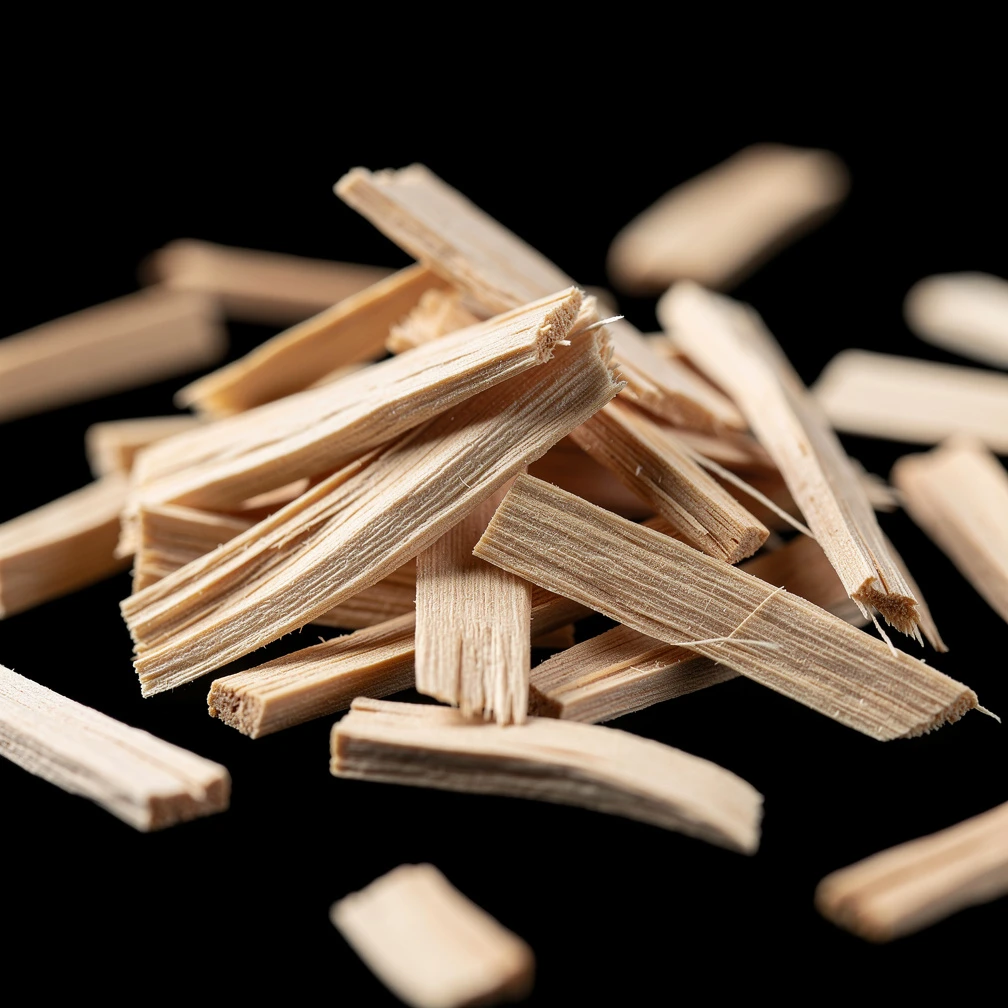
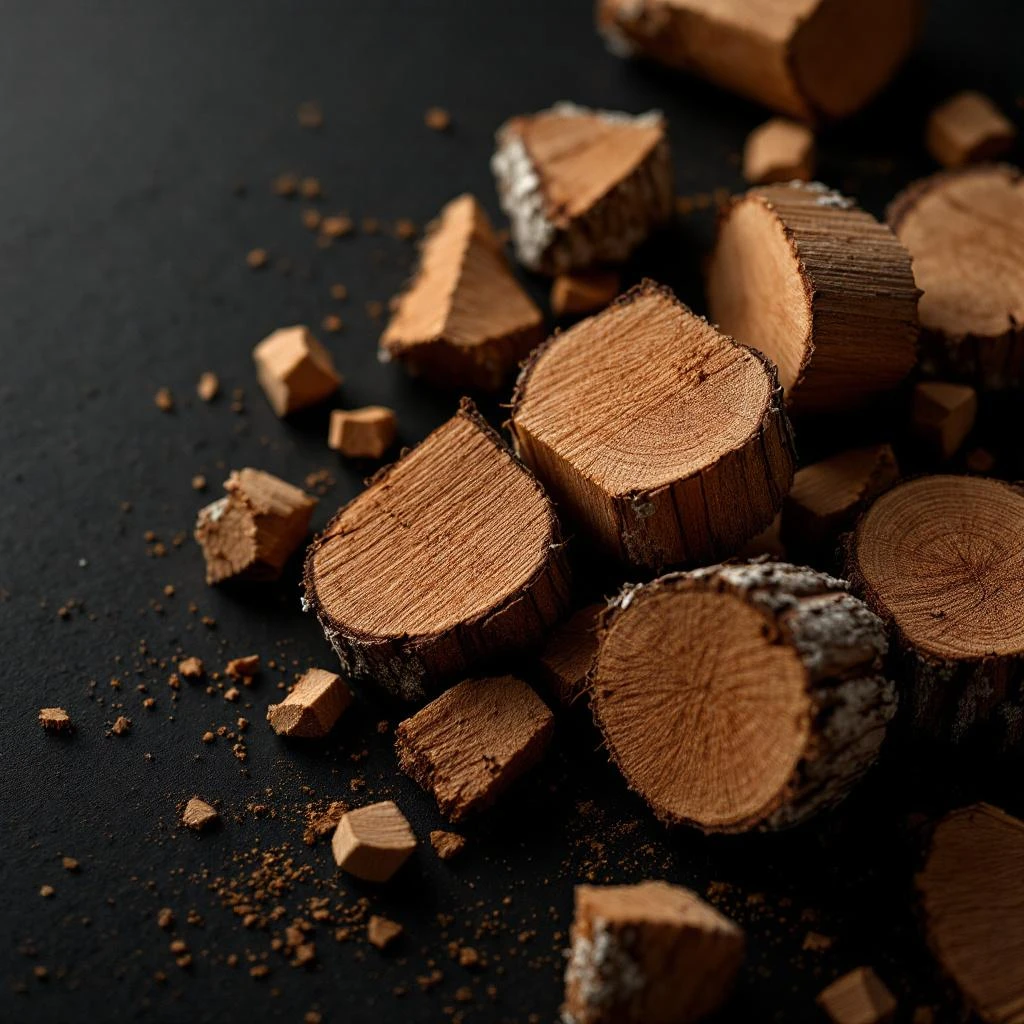
A rare woody note shaped by Podocarpus totara heartwood, bringing dry timber, resinous warmth and a polished depth to fragrance compositions.
Character
How it smells
Ancient Māori timber with a modern woody voice.
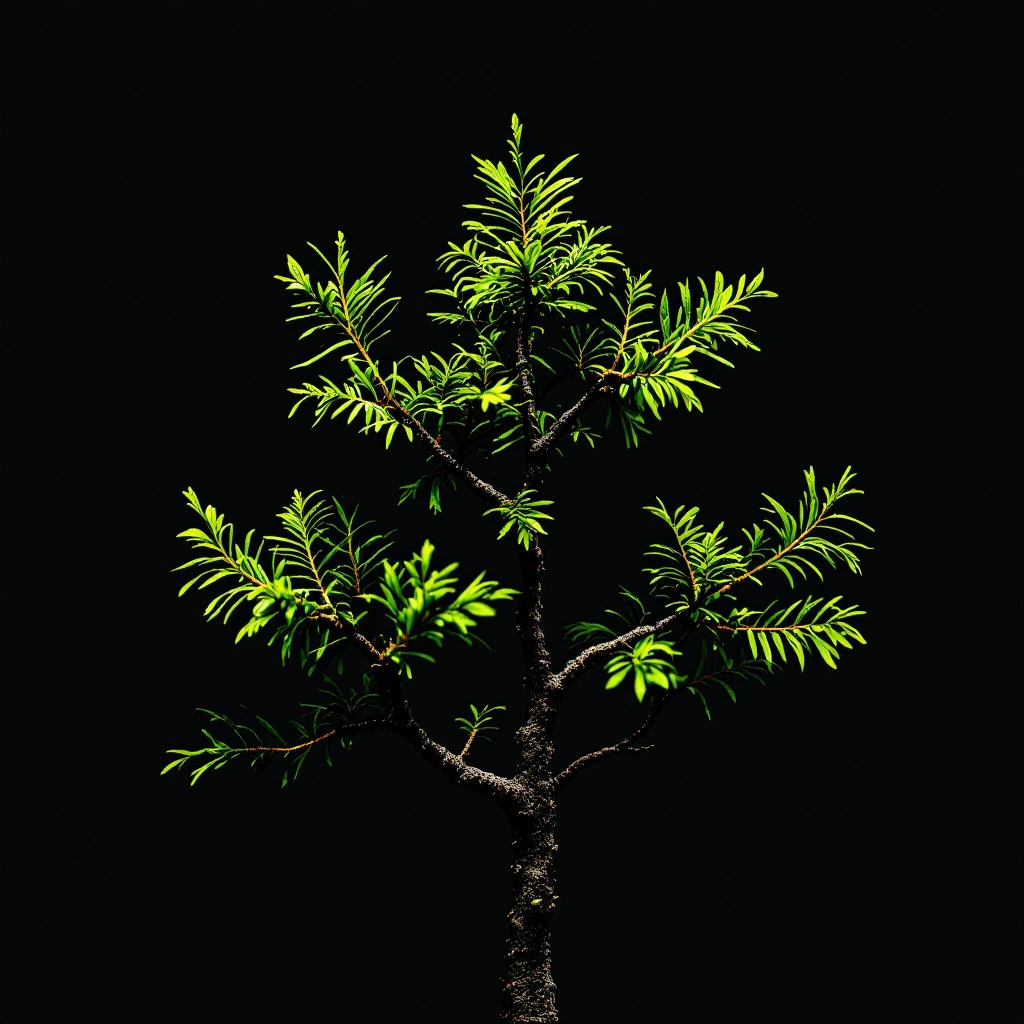
Podocarpus totara, known as tōtara, is a long-lived conifer native to New Zealand and is regarded as a taonga, or treasured treasure.
Pairs beautifully with

Origin
New Zealand
Podocarpus totara has deep importance in New Zealand. Tōtara timber was traditionally used to carve meeting houses, weapons, canoes, tools and decorative objects, and the tree is connected with Māori identity and respect for valuable natural materials. Early European settlers also recognized the wood for its durability and resistance to decay, helping establish a later commercial timber industry.
In the world of fragrance, the species is chiefly associated with its native cultural and ecological importance, while its heartwood oil appears as a niche perfumery material. Unlike storax or many other aromatic resins, it does not require a wound or fungal infection to produce scent-bearing material. The oil comes directly from the tree’s wood, making it a literal wood extraction with a dry, composed character.
Modern perfumers value this origin story when presenting tōtara as a traceable New Zealand ingredient with both botanical significance and a restrained woody profile.
Wears it best
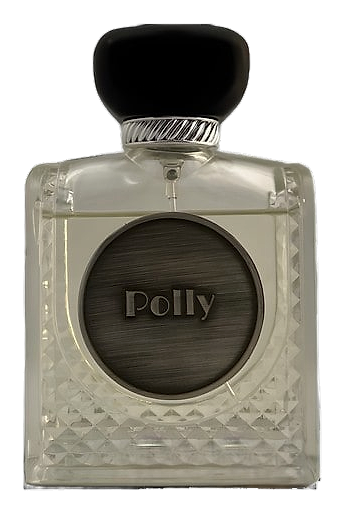
Fragrances featuring Podocarpus Totara
Brands
Brands known for Podocarpus Totara
Good to know
Questions, answered
The essentials on Podocarpus Totara in perfumery: how it smells, where it comes from, and how it behaves on skin.
What does Podocarpus totara smell like in perfume?
Podocarpus totara has a dry, woody character with resinous warmth and subtle balsamic depth. It reads more like clean timber and natural wood oil than a bright, leafy conifer note.
Which part of the tōtara tree is used for fragrance oil?
Perfumers use heartwood and other woody material from the tōtara tree. The oil is distributed within the wood rather than collected as a free-flowing plant secretion.
How is Podocarpus totara oil extracted?
The oil is usually obtained by steam distillation of chopped wood. Steam carries volatile compounds from the timber, which condense into a separate aromatic oil and hydrosol.
Is Podocarpus totara native to New Zealand?
Yes. Podocarpus totara, commonly called tōtara, is native to New Zealand, where it has both ecological importance and a long cultural history in Māori and colonial woodworking.
Is tōtara oil the same as other conifer wood oils?
No. Tōtara oil comes specifically from Podocarpus totara and has its own compound profile. Cedar, pine and cypress oils derive from different plants and smell distinctly different.
What fragrance notes does tōtara oil complement?
Tōtara oil complements woods, resins, balsams and aromatic materials. Its dry structure can also balance brighter notes such as citrus, herbs or floral accents without overwhelming them.
Is tōtara a culturally important tree?
Yes. Tōtara is regarded as a taonga, a treasured treasure, and its timber has traditionally been used for major carvings, meeting houses, tools and canoes.
Is Podocarpus totara endangered?
Podocarpus totara is widespread in New Zealand and is not classified as endangered overall. Local populations and old-growth habitat can still face pressure, making responsible sourcing important.