Hawaiian Jasmine
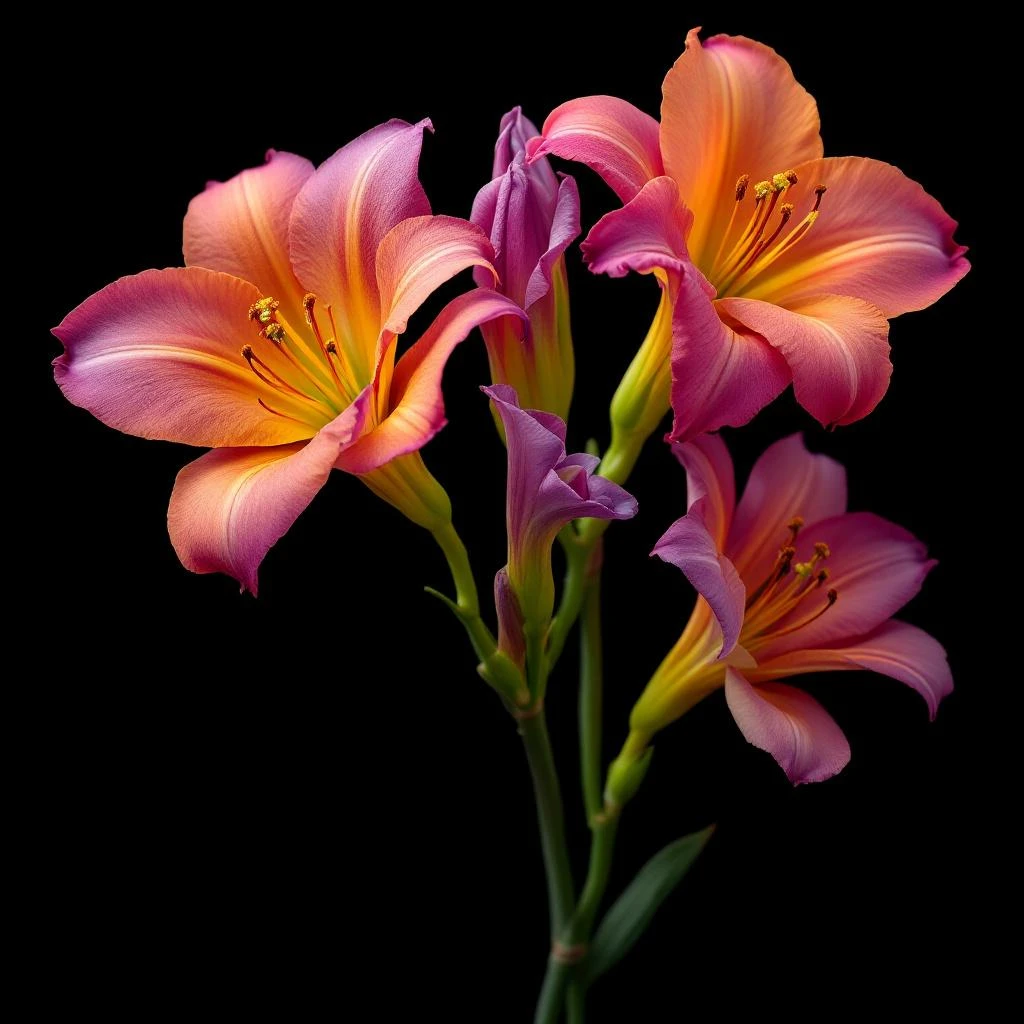
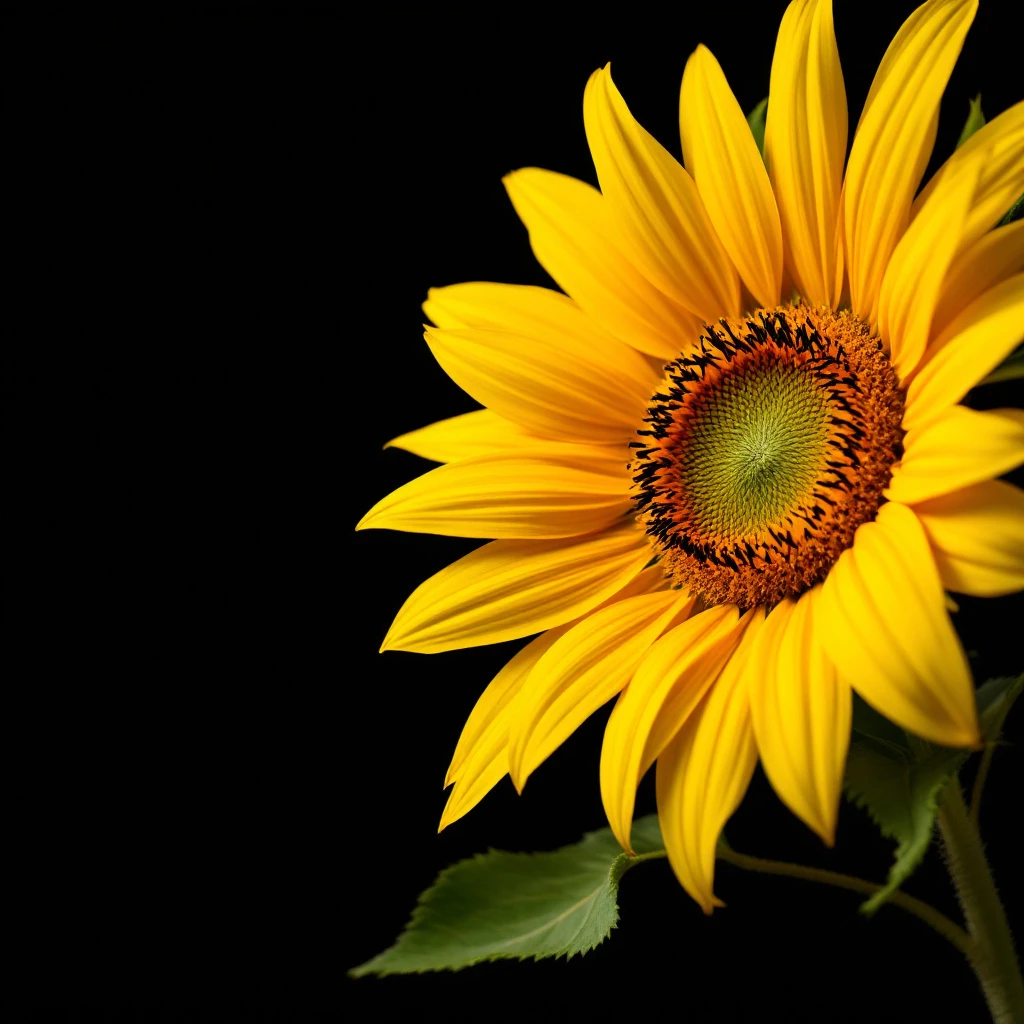
Hawaiian Jasmine brings the intoxicating sweetness of tropical nights to your fragrance. Native to volcanic islands, this Jasminum sambac variety thrives in Hawaii's warm, humid climate, producing blooms with a richer, more exotic character than continental cousins.
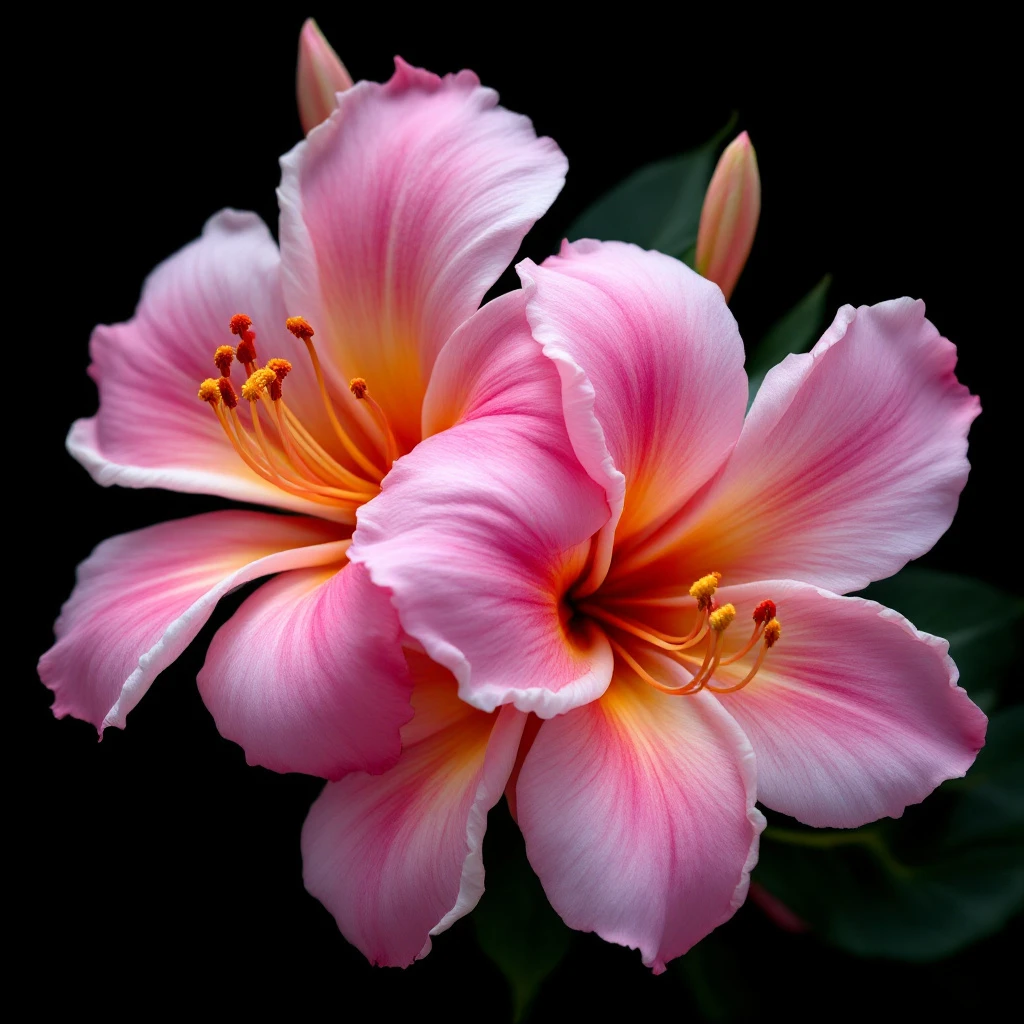
Character
How it smells
Intoxicating tropical sweetness from volcanic soil.
Hawaiian jasmine flowers must be harvested at night when their scent peaks, just before dawn, to capture their full aromatic potential.



Origin
United States (Hawaii)
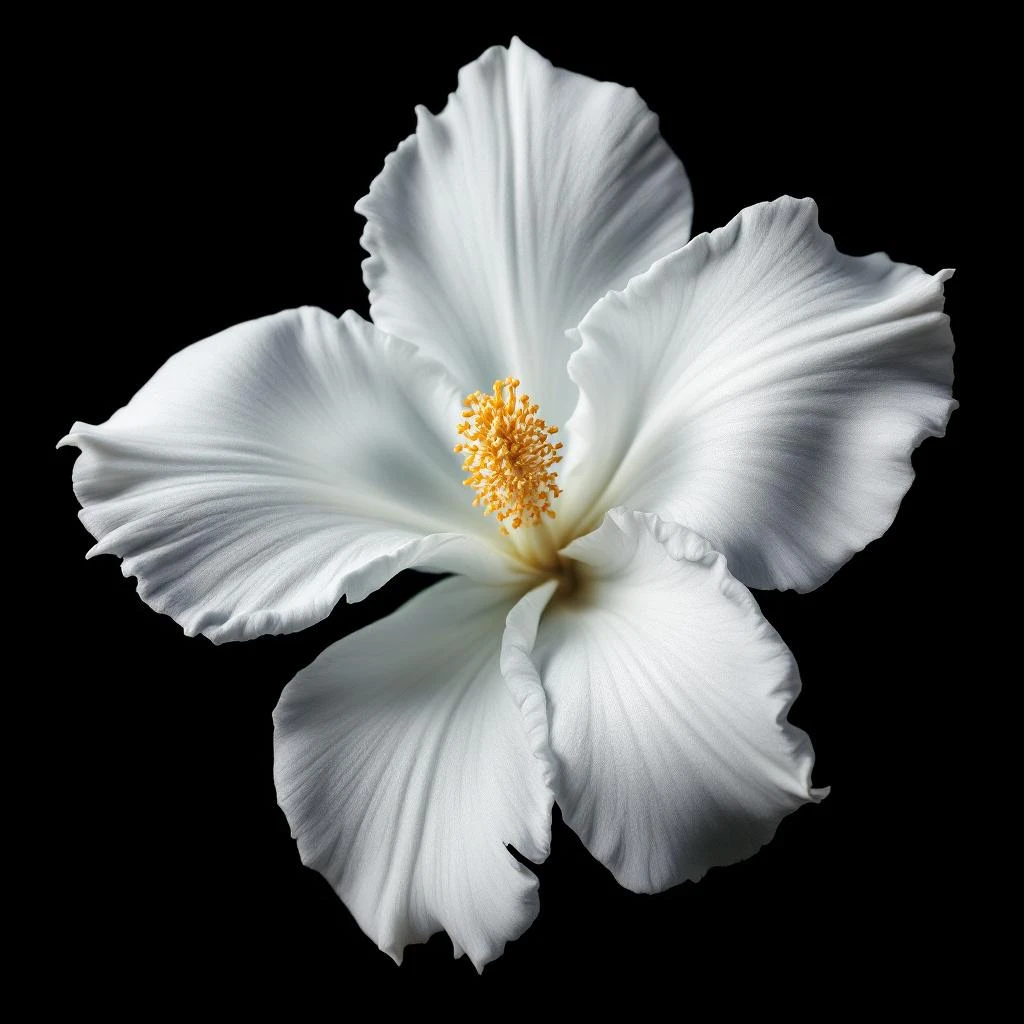
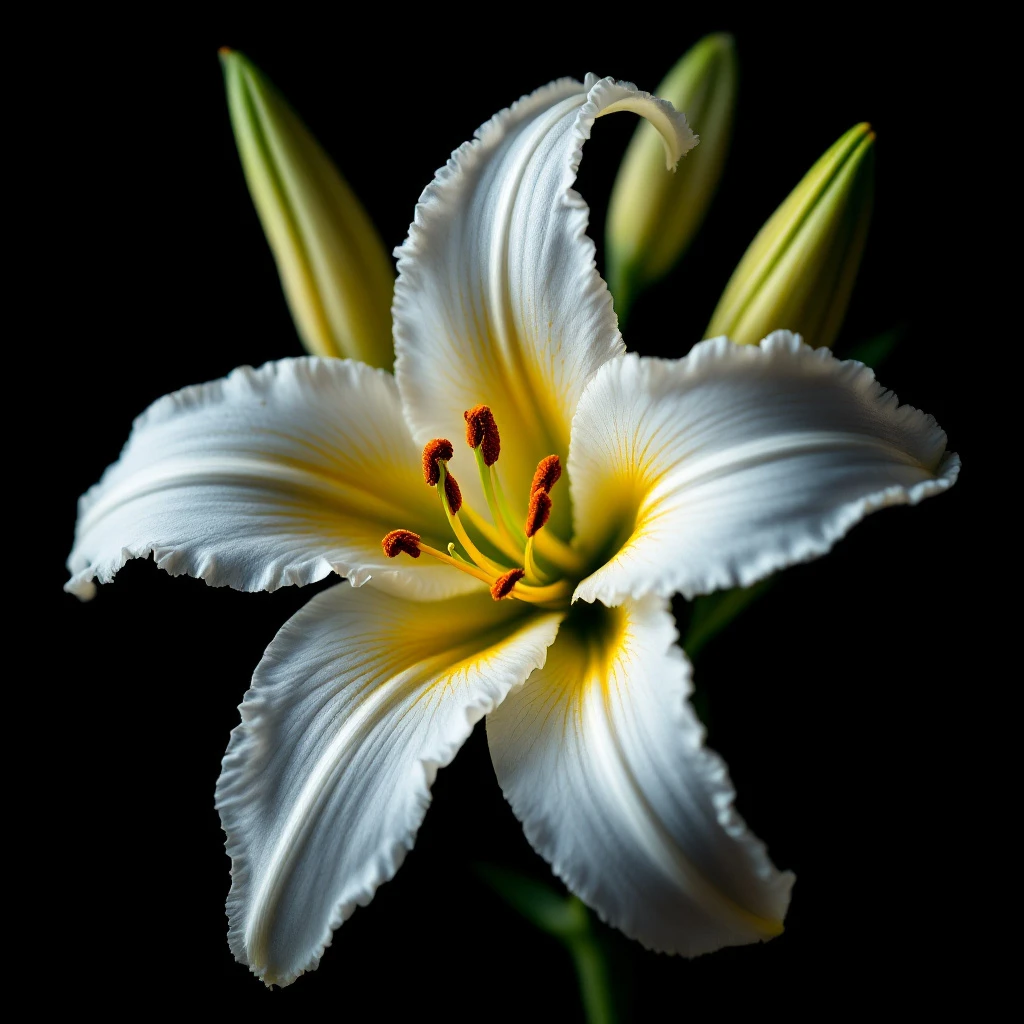
Jasmine originated in China and India thousands of years ago, with the Persian word yasamin meaning 'gift from God' reflecting its sacred status across cultures. The plant spread along ancient trade routes through the Middle East and eventually reached Hawaii, where it found ideal growing conditions in volcanic soil and tropical warmth. Jasmine sambac became deeply embedded in Hawaiian culture through the tradition of making flower leis, with jasmine among the most prized flowers for these ceremonial garlands.
Egyptian and Indian producers still supply approximately 95% of the world's jasmine for perfumery, but Hawaiian jasmine holds a special place for its distinctive terroir-driven character. The plant's journey from ancient Asian temples to Hawaiian lei-making represents its enduring spiritual significance across civilizations.
Wears it best
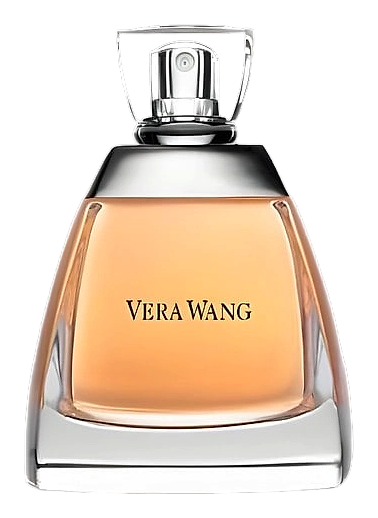
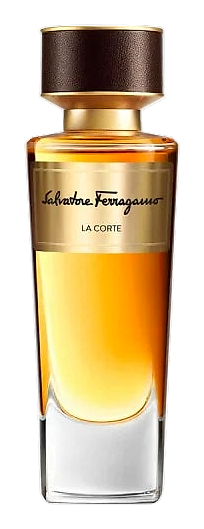
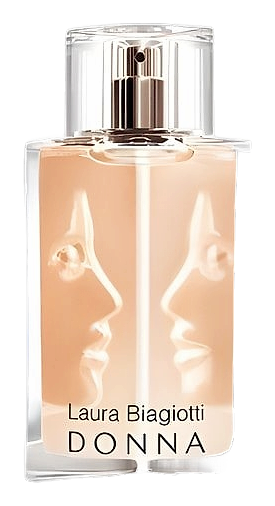
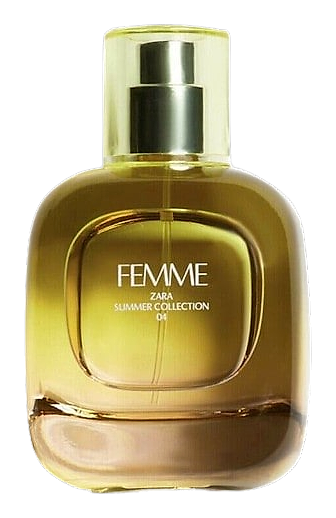
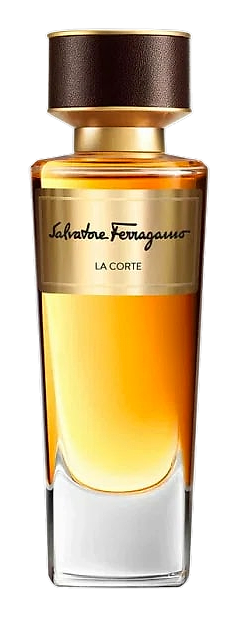
Fragrances featuring Hawaiian Jasmine
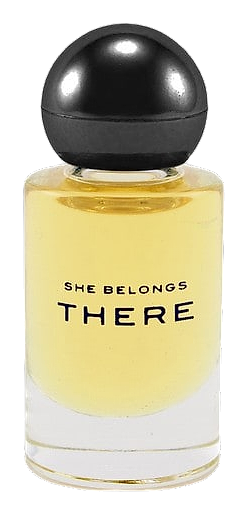
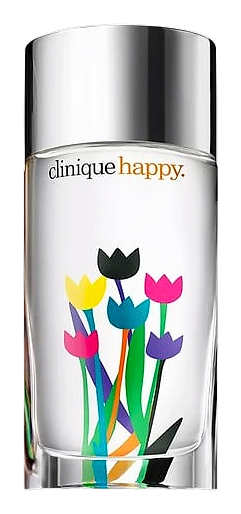
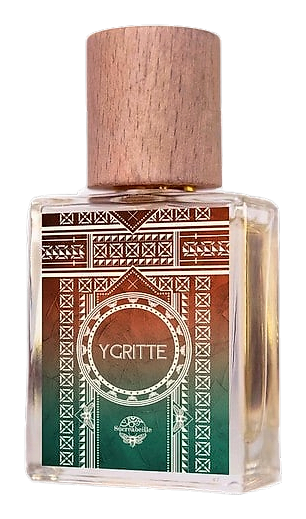
Brands
Brands known for Hawaiian Jasmine
Good to know
Questions, answered
The essentials on Hawaiian Jasmine in perfumery: how it smells, where it comes from, and how it behaves on skin.
When is jasmine harvested for perfume production?
Flowers are harvested at night. Jasmine must be picked in darkness or early morning when its scent molecules reach peak concentration. Night-blooming jasmine releases its aromatic compounds most intensely after sunset.
What does jasmine smell like in a fragrance?
Jasmine smells intensely floral with a sweet, slightly fruity character. It features creamy white flower notes, subtle green undertones, and an animalic indolic quality that adds depth. Hawaiian jasmine leans fruitier than Indian varieties.
How much jasmine is needed to produce perfume?
Around 8 million jasmine flowers yield approximately one kilogram of absolute. This extreme ratio makes natural jasmine one of the most expensive ingredients in perfumery. Even tiny amounts add significant value to a fragrance composition.
Why is jasmine considered a top note in perfumery?
Jasmine molecules evaporate quickly, making it a prominent opening impression in fragrances. Its volatiles project immediately but fade within the first hour. Perfumers layer jasmine with longer-lasting base notes to extend its impression.
What jasmine varieties are used in perfumery?
Two main varieties dominate commercial perfumery. Jasminum grandiflorum (Spanish or Royal jasmine) provides the classic sweet floral character. Jasminum sambac (Arabian jasmine) offers a deeper, fruitier, more indolic profile often preferred in tropical markets.
What extraction methods produce jasmine absolute?
Solvent extraction with hexane dominates commercial production, accounting for over 98% of global jasmine processing. Supercritical CO2 extraction creates a purer product without solvent residue. Both methods preserve the flower's complex scent profile better than distillation.
What makes Hawaiian jasmine unique?
Hawaiian jasmine grows in volcanic soil under consistent tropical conditions. These factors create a distinctive terroir that influences the flower, producing slightly richer fruit and cream notes compared to jasmine grown in other regions.
Does jasmine contain synthetic components?
Natural jasmine absolute contains hundreds of distinct molecules. Perfumers commonly blend natural jasmine with synthetic aromatic compounds like linalool and benzyl acetate to achieve consistent scent profiles and manage costs, since natural jasmine costs over $2,000 per kilogram.





