The Story
Why it exists.
The beginning
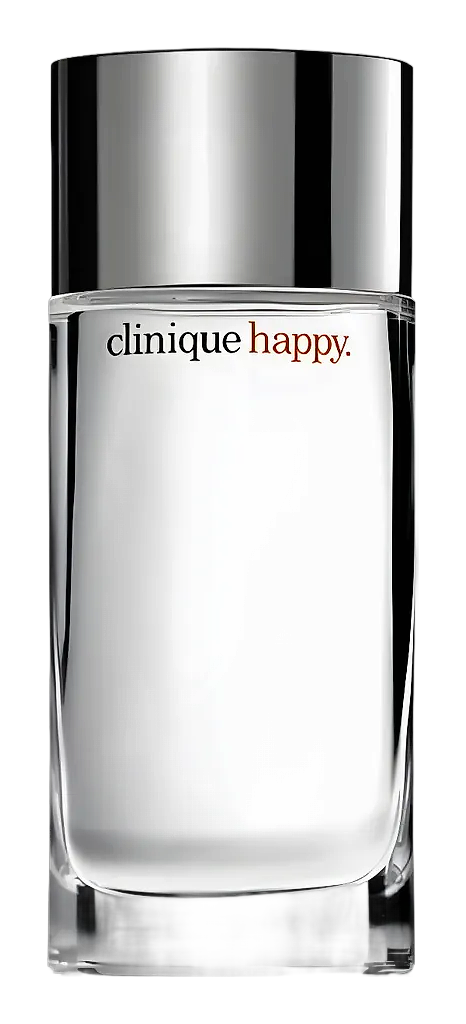
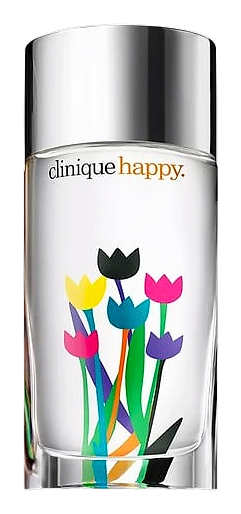
Clinique released Happy in 1997, designed by perfumer Jean-Claude Delville to capture something the brand had rarely attempted: effortless joy. The brief wasn't elegance or sophistication, it was the feeling of sunlight on bare arms, of music playing from somewhere you can't identify. Delville built it around the collision of sharp citrus and soft yellow florals, a pairing that sounds contradictory until you smell it and realize it's just... correct.
What makes Happy's structure interesting is its refusal to commit. Most fragrances pick a lane, citrus-fresh or floral-gourmand, bright or warm. Happy operates in both simultaneously. The grapefruit opens with real acidity, the kind that makes your eyes widen, then almost immediately yields to mimosa and magnolia, which are some of the softest, most enveloping materials in the florist's inventory. That hand-off, sharp to soft in under two minutes, is the entire personality of the fragrance. It doesn't evolve so much as it relaxes into itself.
The evolution
The grapefruit hits first. Sharp, almost aggressively so, ruby-bright and tart, like biting into a citrus segment with your eyes closed. Thirty seconds in, the bergamot smooths the edges. The mandarin and bay leaf add a faint green undertone that keeps it from going candy-sweet. By the five-minute mark, the Hawaiian jasmine and orchid arrive, and this is where the fragrance pivots: the citrus doesn't disappear, it mutes. Becomes a memory of itself, softened by white florals that smell like they belong in a warm room. The drydown, mimosa, lily, magnolia petals, lingers closest to skin. Close enough that someone standing beside you might catch it before they even know why they're smiling. Moderate sillage. The kind that stays in a room after you've left it.
Cultural impact
Happy won the Fragrance Foundation's Fragrance of the Year award in 1998 and was inducted into the Fragrance Hall of Fame in 2014, one of the rare prestige fragrances to earn both distinctions. It became Clinique's best-selling women's scent and remains in continuous production, a rarity in a market where flankers typically outlast originals. The fragrance defined a specific register of accessible, optimistic luxury that brands still chase.