Nerol
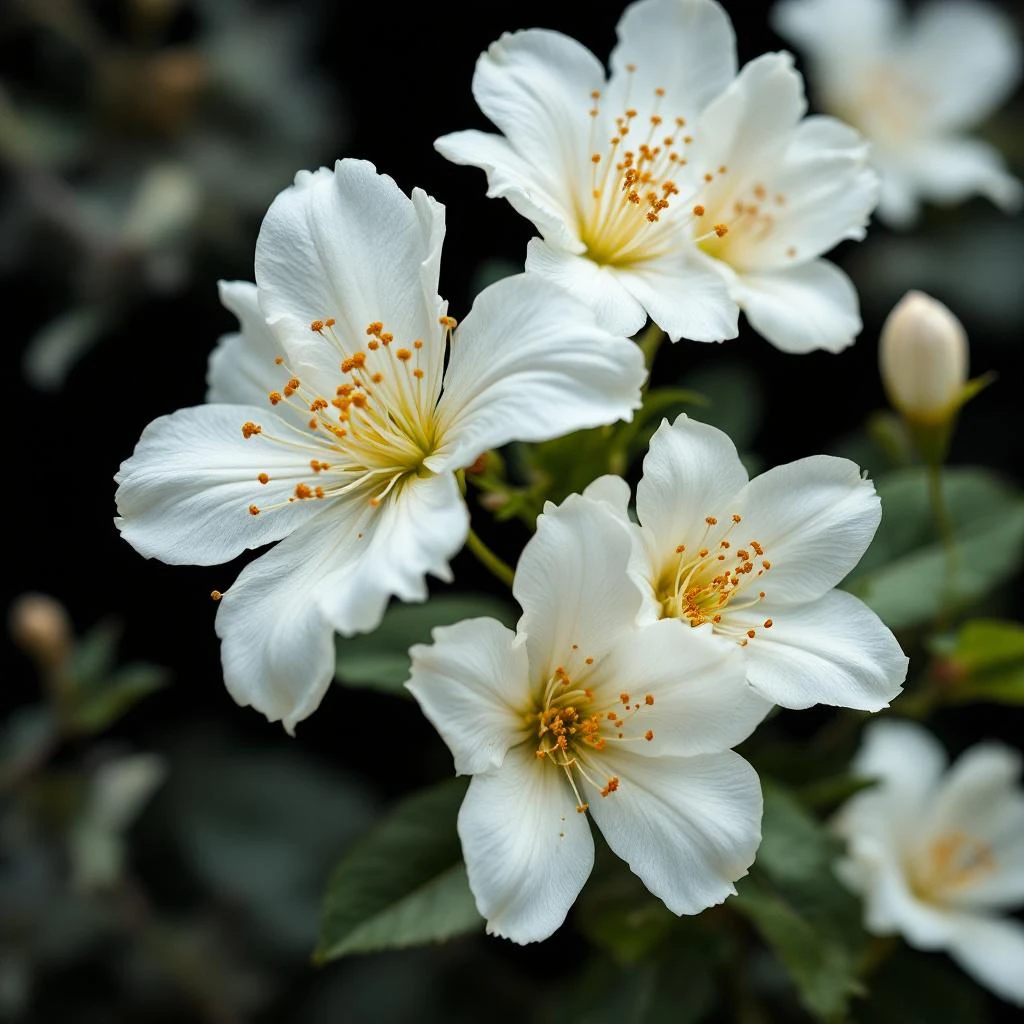
Neroli is the radiant, steam-distilled essential oil harvested from the delicate blossoms of the bitter orange tree. Prized for its intoxicating blend of honeyed citrus and velvety floralcy, this ingredient bridges the gap between fresh and warm, offering a scent that is both uplifting and deeply comforting.

Character
How it smells
The floral soul of the bitter orange tree.
The name 'Neroli' is not a botanical term, but a royal one, derived from an Italian princess who popularized the oil in 17th-century Europe.






Origin
China
The use of orange blossom dates back to the ancient civilizations of Persia and Egypt, where it served both curative and spiritual purposes. However, the specific name 'Neroli' was not established until the 17th century. It is attributed to Anne-Marie Orsini, the Princess of Nerola, an Italian noblewoman who became so enamored with the scent that she used it to perfume her gloves and bathwater.
Her influence made the fragrance fashionable among the Italian aristocracy. By the 18th century, the oil had crossed into French high society, becoming a staple in the courts of Europe and eventually the cornerstone of iconic floral fragrances.
Wears it best
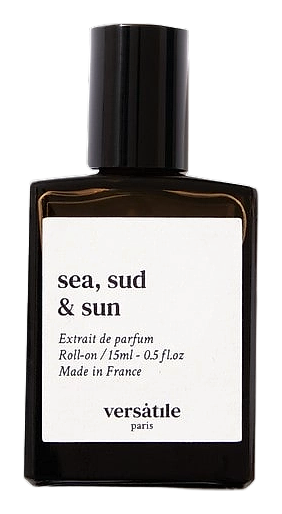
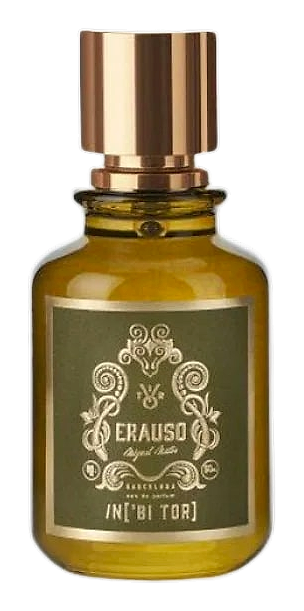
Fragrances featuring Nerol
Brands
Brands known for Nerol
Good to know
Questions, answered
The essentials on Nerol in perfumery: how it smells, where it comes from, and how it behaves on skin.
What is Neroli?
Neroli is the essential oil extracted via steam distillation from the blossoms of the bitter orange tree (Citrus aurantium amara). It is a prized ingredient known for its fresh, floral, and slightly citrus aroma, widely used in fine perfumery and aromatherapy.
What does Neroli smell like?
Neroli offers a bright, uplifting scent that combines the sharp freshness of citrus zest with the rich, honeyed sweetness of white flowers. It has a uniquely calming, velvety character that distinguishes it from other citrus blossoms.
How does Neroli differ from Orange Blossom Absolute?
While both come from the bitter orange tree, the extraction method differs significantly. Neroli is produced by steam distillation, resulting in a lighter, more volatile oil. Orange Blossom Absolute is extracted using solvents, yielding a deeper, more resinous, and slightly more animalic scent profile.
Where does Neroli originate from?
The bitter orange tree is native to East Asia, with roots in China and Southeast Asia. Today, major production areas include Morocco, Egypt, Tunisia, and the French Riviera, where the climate is ideal for cultivating these fragrant trees.
Why is Neroli oil so expensive?
The high cost is due to the labor-intensive harvesting and the low yield of the distillation process. Workers must pick the delicate flowers entirely by hand, often before sunrise, and it takes roughly one ton of blossoms to produce just one kilogram of oil.
Where does the name 'Neroli' come from?
The name is derived from the Italian town of Nerola and its princess, Anne-Marie Orsini, who lived in the 17th century. She famously used the oil to scent her gloves and bath, setting a trend that made the fragrance famous across Europe.
Is synthetic Neroli available?
Yes, synthetic alternatives exist. These replicas typically focus on the dominant aromatic compound, linalool. However, they often lack the complex top notes and natural depth found in high-quality, naturally steam-distilled Neroli oil.
What fragrance families use Neroli?
Neroli is a versatile staple found in floral, citrus, and oriental perfumes. It is particularly popular in Eau de Cologne formats and is used as a natural bridge between bright top notes and deeper, woody base notes in a composition.