Nectarine Blossom
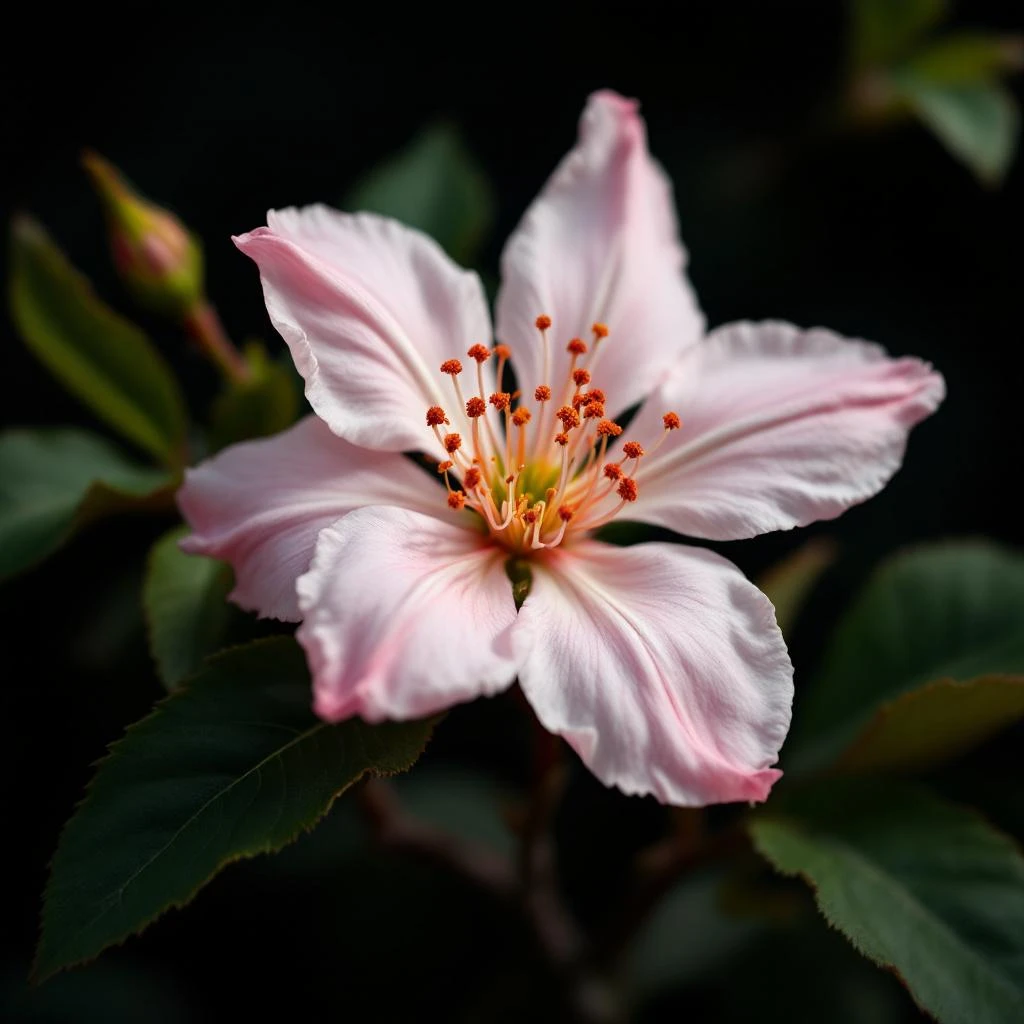
Nectarine blossom is a delicate floral note from the Rosaceae family, celebrated for its light, honeyed sweetness with green undertones. Often recreated through aromatic synthesis, it captures the ephemeral beauty of stone fruit blossoms in spring, bringing a fresh, fruity-floral character to compositions.
Character
How it smells
Spring's fleeting stone fruit bloom, captured in scent.
Nectarine trees produce stunning pink blossoms before their fruit develops, a phenomenon perfumers work to preserve year-round through aromatic recreation.




Origin
China
While the nectarine has ancient roots in China, where it was cultivated for over 2,000 years, the use of its blossoms as a perfumery note is distinctly modern. The Rosaceae family has long contributed key ingredients to perfumery, from roses in ancient Greece to the bitter orange blossoms that defined early European fragrances.
However, stone fruit blossoms remained largely unexplored until contemporary chemists developed methods to capture delicate floral notes that resist traditional extraction. The 2005 launch of Jo Malone London's Nectarine Blossom & Honey brought this understated note to mainstream attention, demonstrating how modern fragrance chemistry could bottle the ephemeral character of spring orchards.
Wears it best
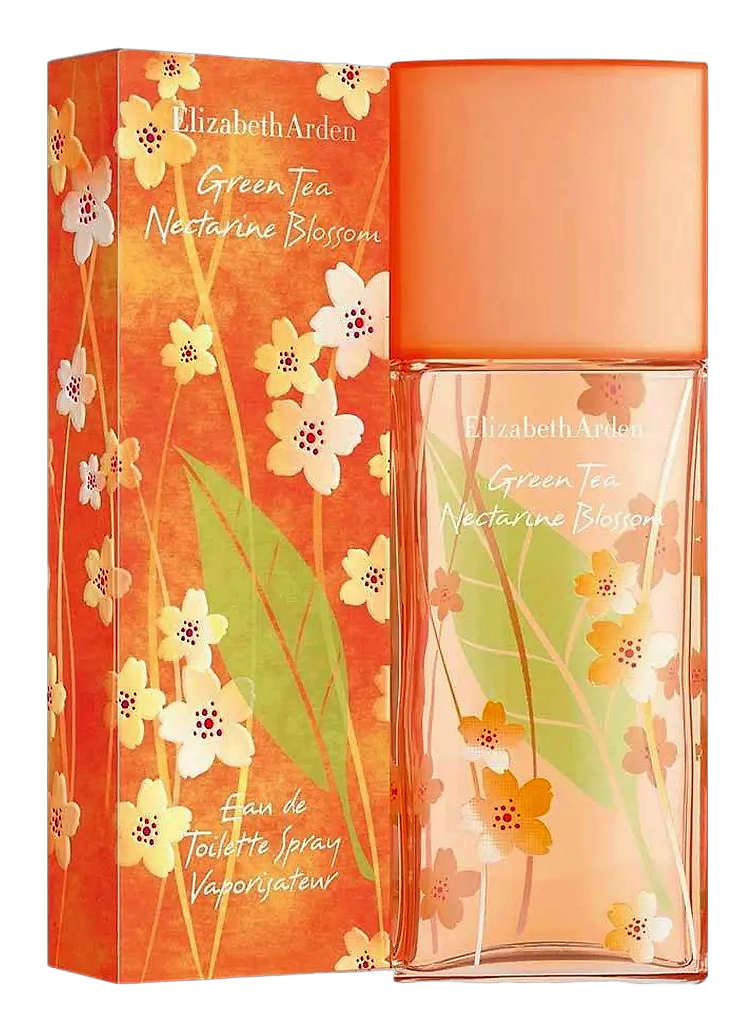
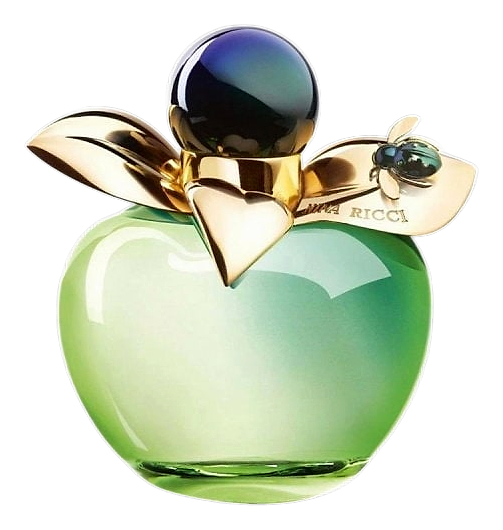
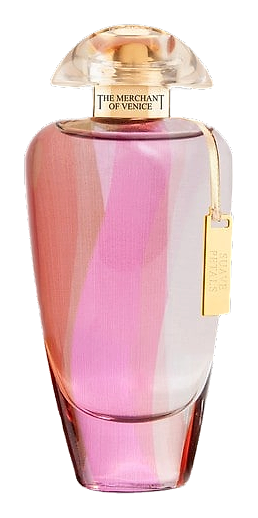
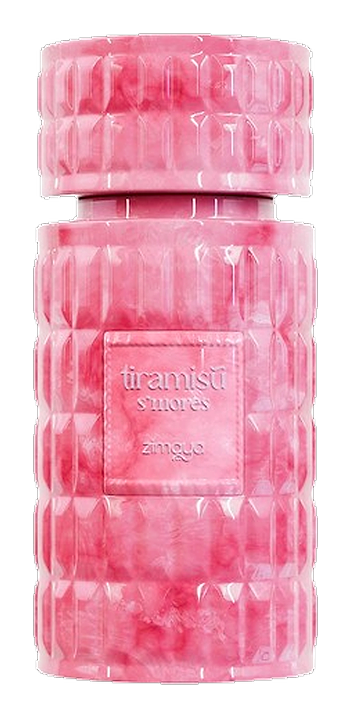
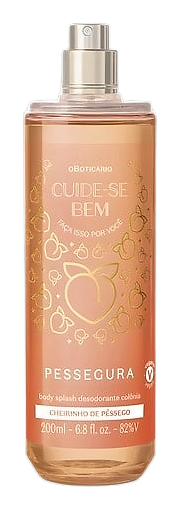
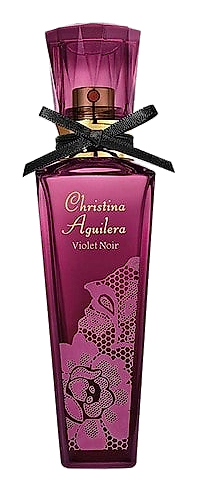
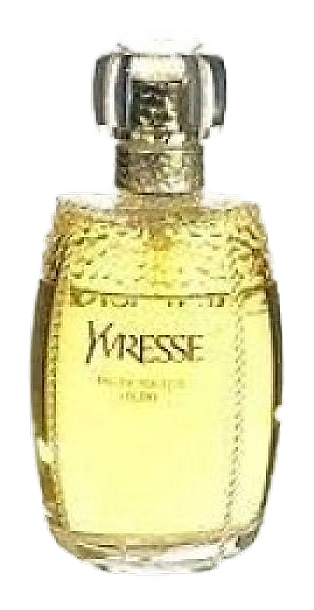
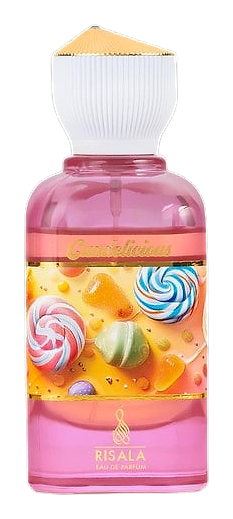
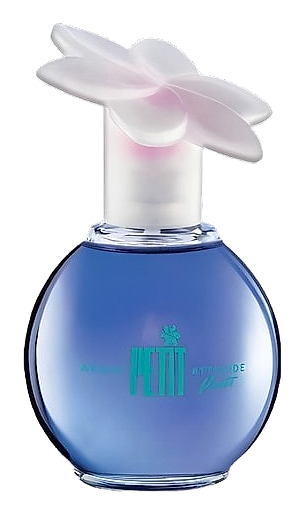
Fragrances featuring Nectarine Blossom


Brands
Brands known for Nectarine Blossom
Good to know
Questions, answered
The essentials on Nectarine Blossom in perfumery: how it smells, where it comes from, and how it behaves on skin.
What does nectarine blossom smell like?
Nectarine blossom smells light, sweet, and distinctly floral with subtle green and honeyed undertones. The scent is softer and less assertive than rose, offering a clean, spring-fruited character that evokes fresh orchard blossoms rather than the ripe fruit itself.
Is nectarine blossom natural or synthetic?
Nectarine blossom is typically synthetic in perfumery. Capturing the delicate scent of stone fruit blossoms is difficult through traditional extraction, so perfumers recreate it using aromachemicals like beta-ionone combined with natural floral isolates to achieve an accurate olfactory profile.
What family does the nectarine belong to?
The nectarine belongs to Prunus persica var. Nectarina, within the Rosaceae family. This places it alongside almonds, cherries, and peaches, all of which contribute notable ingredients to perfumery.
How is nectarine blossom absolute obtained?
True nectarine blossom absolute is obtained through solvent extraction, but yields are extremely low and the material remains rare. Most commercial fragrances use recreated accords combining synthetic aromachemicals with natural floral materials to achieve the characteristic scent profile.
Which famous fragrance features nectarine blossom as a hero note?
Jo Malone London's Nectarine Blossom & Honey, launched in 2005, features this note as its centerpiece. The nose behind this fragrance is Jo Malone herself, and the scent became an instant modern classic.
Does nectarine blossom have fragrance combinations it pairs well with?
Nectarine blossom pairs exceptionally well with honey, as demonstrated by its signature Jo Malone counterpart, as well as with apricot, magnolia, and fresh green notes like galbanum or peony.
Where did the nectarine originate?
The nectarine originated in China, where Prunus persica var. Nectarina was cultivated for millennia. Chinese cultivation of stone fruit dates back over 2,000 years, predating European appreciation of these fruits.
Is nectarine blossom a common perfumery ingredient?
Nectarine blossom remains an uncommon and relatively modern ingredient in perfumery. Its use became more frequent after 2005, though it is still used selectively as a nuanced, light floral accent rather than a dominant note.




