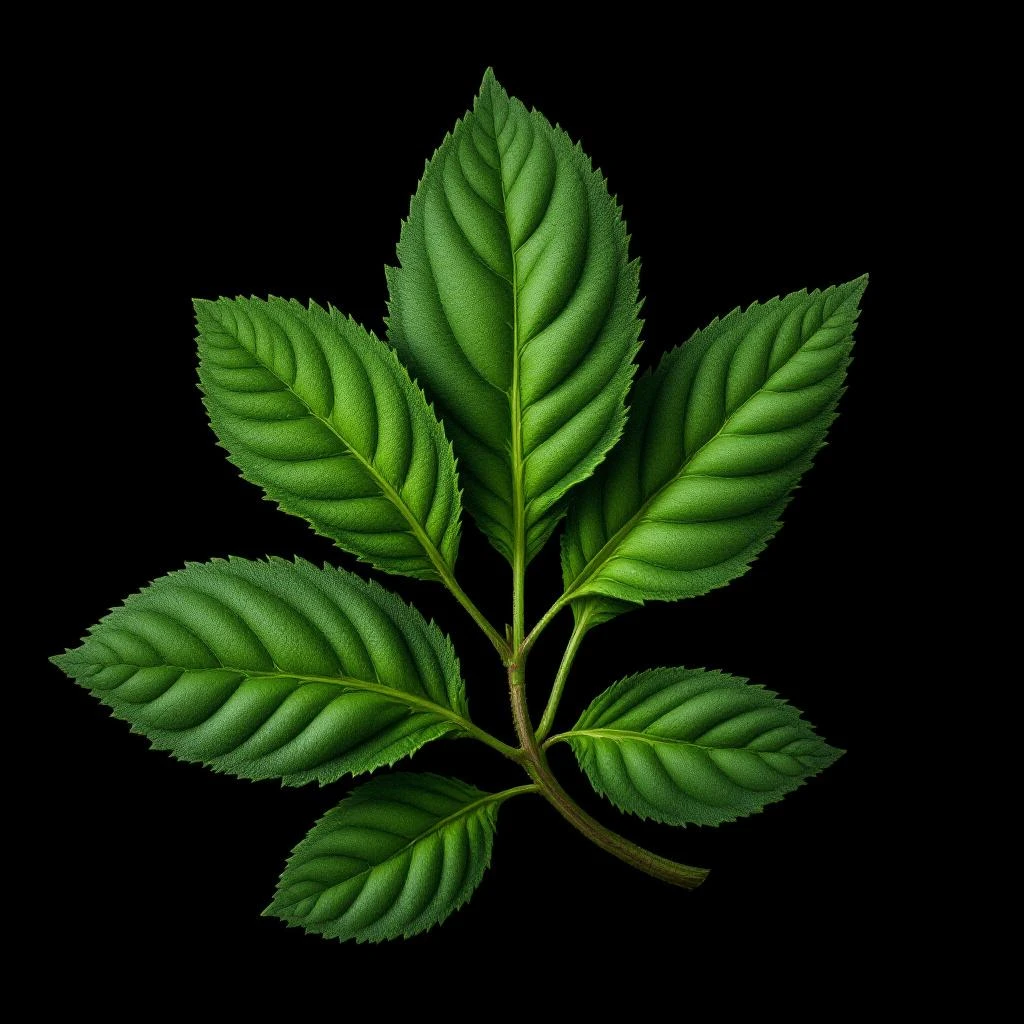
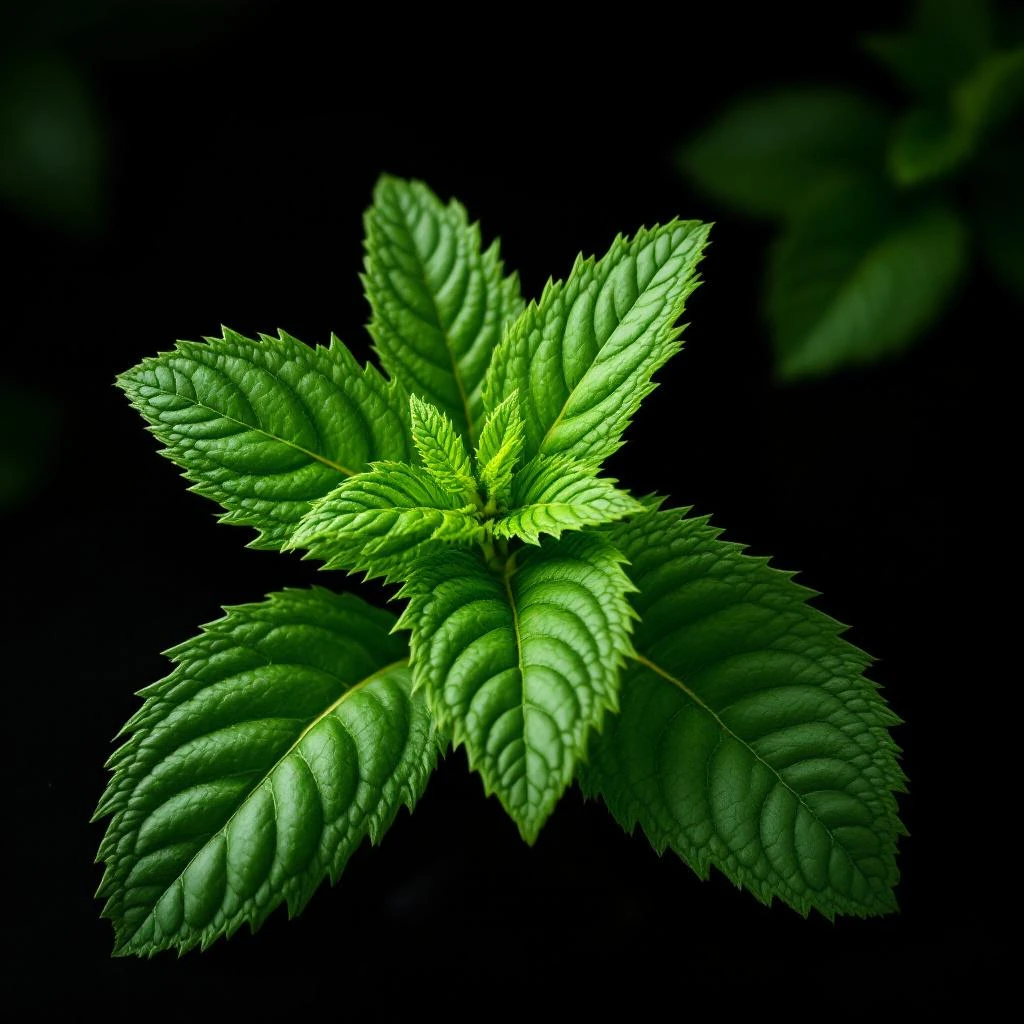
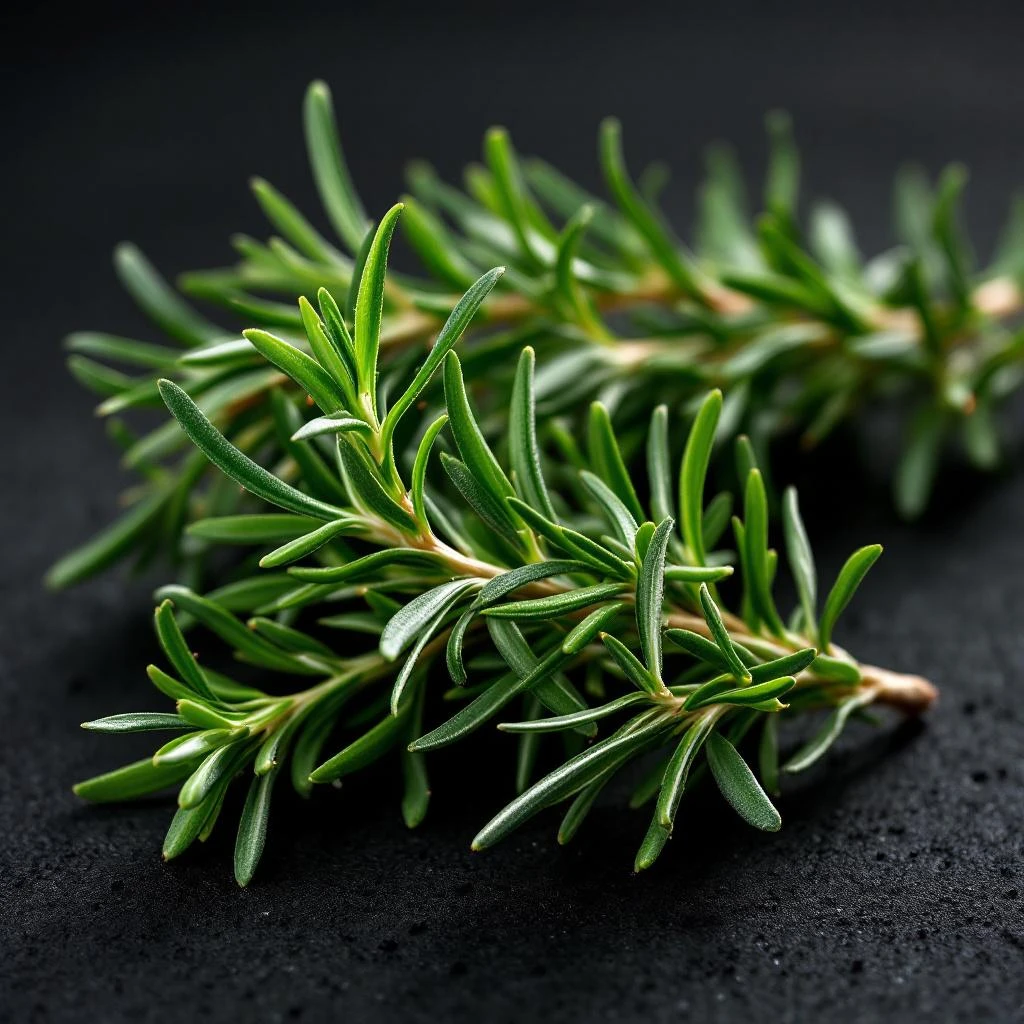
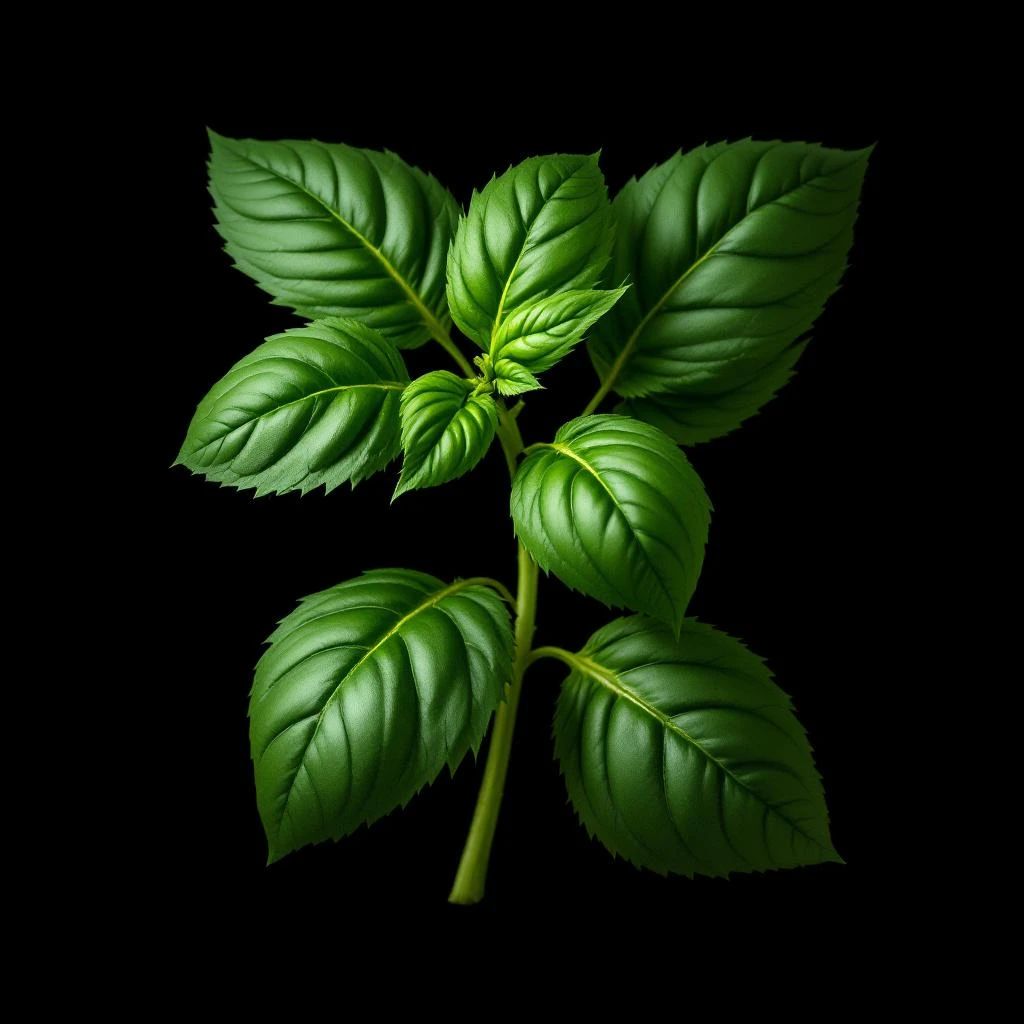
Myrtle Leaf
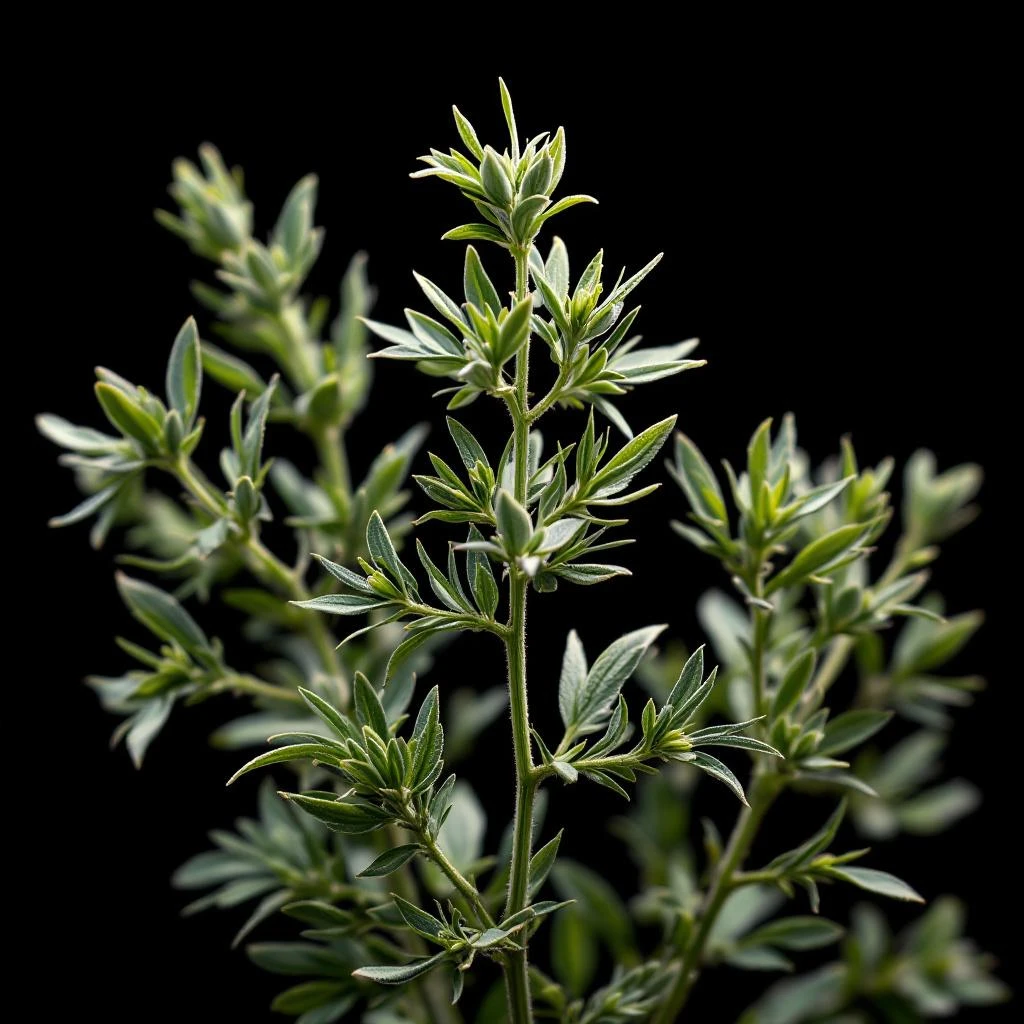
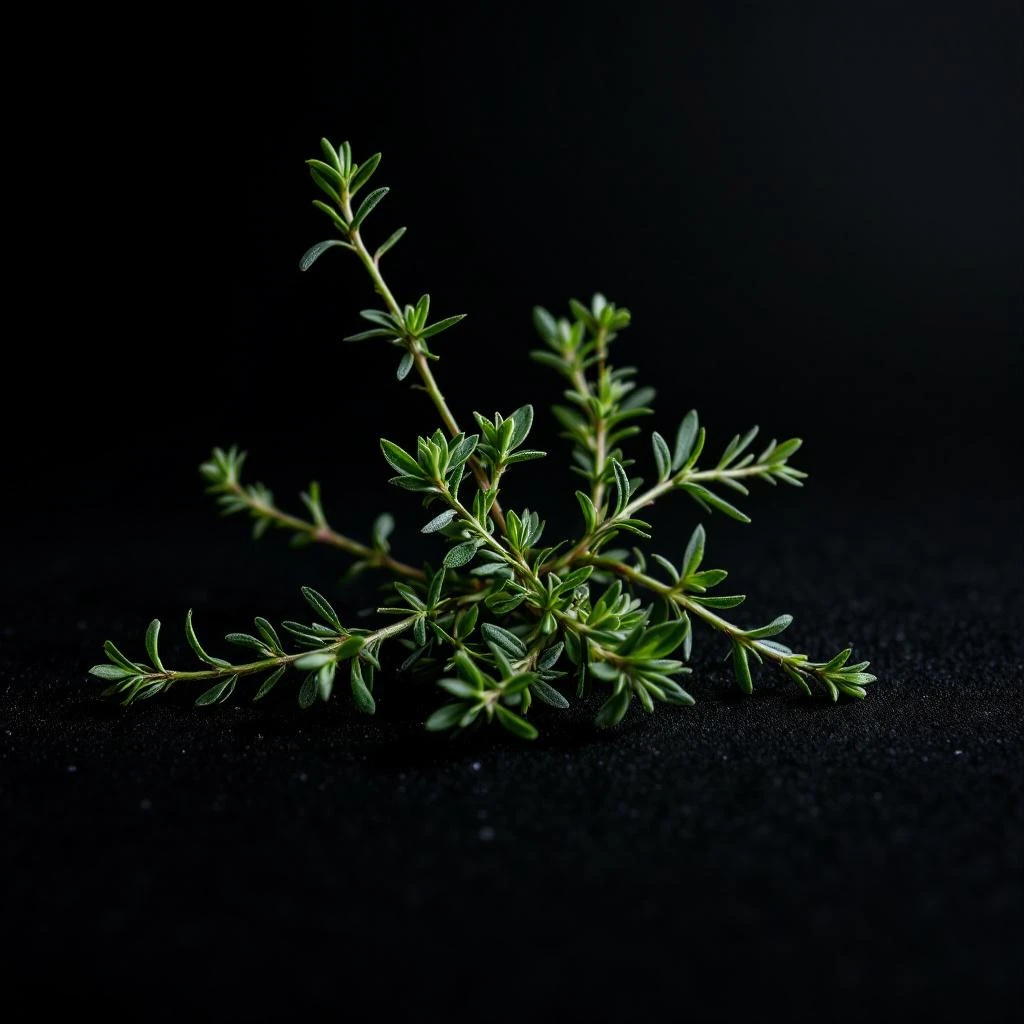
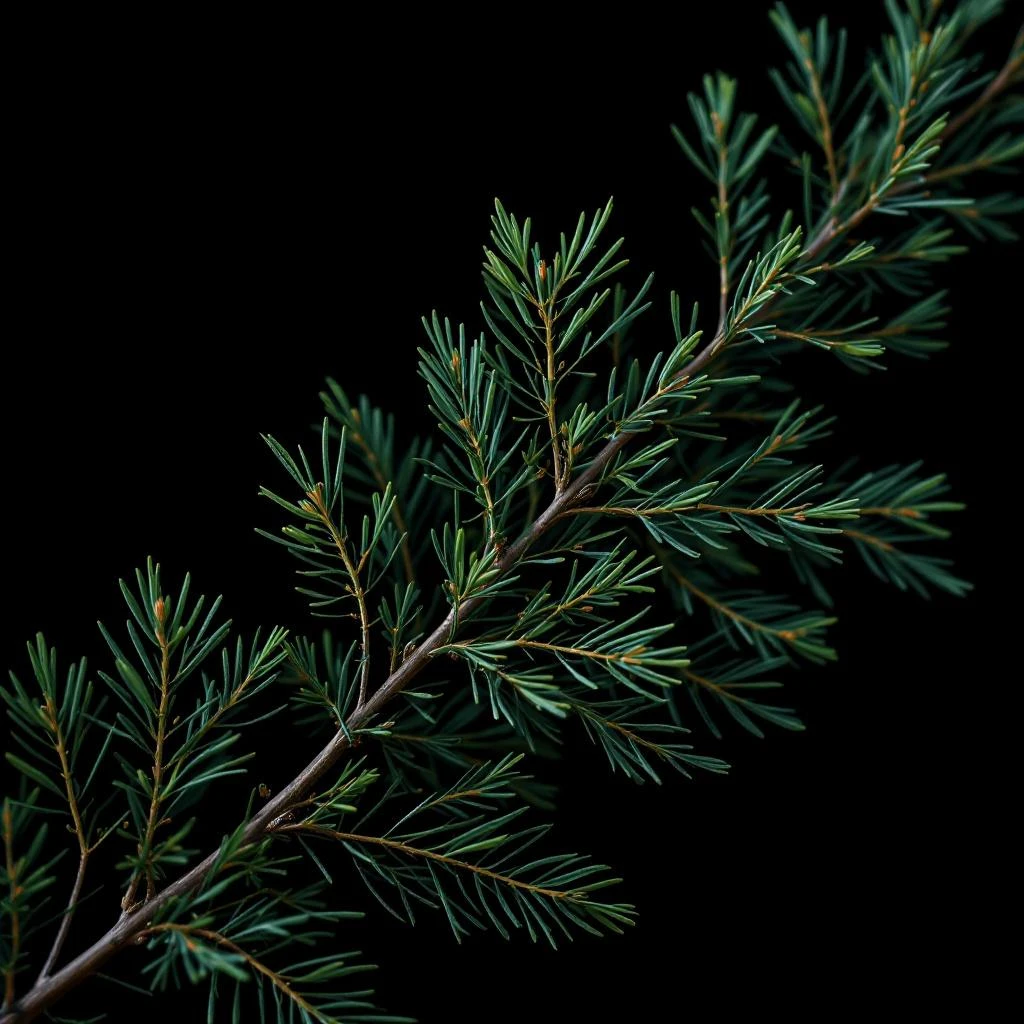
A Mediterranean classic—myrtle leaf delivers crisp, camphoraceous freshness with a quietly fruity undertone. This ancient ingredient bridges green, aromatic, and fougère traditions with unmistakable Mediterranean soul.
Character
How it smells
Mediterranean green with a cool, camphorated bite.
Myrtle was so revered in ancient Greece that it became sacred to Aphrodite—brides traditionally wore myrtle crowns at wedding ceremonies.


Origin
Morocco
Myrtle carries one of the longest unbroken fragrance traditions in Western history. Ancient Greeks used it liberally in religious ceremonies, court rituals, and domestic perfumery—Pliny documented at least a dozen medicinal applications. The plant traveled with Greek colonists across the Mediterranean, establishing itself firmly in Roman horticultural and aromatic practice.
By the medieval period, Arab physicians including Ibn al-Baitar recorded myrtle's essential oil in pharmaceutical texts. The Victorian era saw renewed commercial interest; the 1891 edition of Piesse's Art of Perfumery explicitly describes formulas for artificial myrtle extracts to meet growing demand, revealing both the ingredient's popularity and its scarcity in pure form. Today, myrtle leaf remains a signature element in masculine aromatic and fougère constructions, valued for its ability to project green freshness without the sharp acidity of certain alternatives.
Morocco and Corsica remain the primary sourcing regions, with Corsican myrtle often commanding particular reverence for its refined, fruit-forward character.
Wears it best
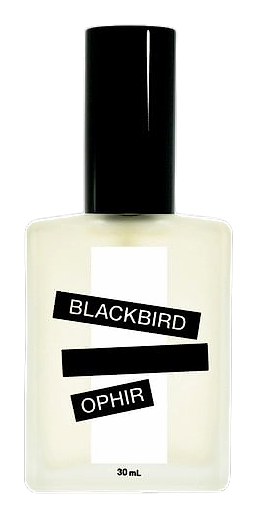
Fragrances featuring Myrtle Leaf
Brands
Brands known for Myrtle Leaf
Good to know
Questions, answered
The essentials on Myrtle Leaf in perfumery: how it smells, where it comes from, and how it behaves on skin.
What does myrtle leaf smell like?
Myrtle leaf registers as crisp and green with prominent camphorated brightness and a subtle fruity backbone. It projects freshness without the sharpness of citrus or the heaviness of resinous woods.
Where does myrtle leaf oil originate?
Myrtle leaf oil is primarily produced in Morocco and Corsica. Moroccan myrtle leaf oil is the most widely available in perfumery and widely regarded as the quality standard.
How is myrtle leaf oil extracted?
Producers extract myrtle leaf oil via steam distillation of harvested leaves, typically in autumn. The process yields a modest 0.2-0.5 percent by weight, producing a colorless to pale yellow oil.
What fragrance families use myrtle leaf?
Myrtle leaf most commonly appears in aromatic and fougère compositions, where it functions as a top-to-heart note. It also shows up in chypre constructions and certain green fragrances seeking Mediterranean character.
Is myrtle leaf natural or synthetic?
Myrtle leaf is a natural ingredient. No widely adopted synthetic equivalent captures the full complexity of its green-camphor-fruit profile, making genuine steam-distilled oil the preferred material in quality formulations.
What part of the myrtle plant is used in perfumery?
Perfumers use the leaves, not the flowers or berries. Myrtle leaves are harvested and distilled for their essential oil, which carries the characteristic camphoraceous, green aromatic profile.
Does myrtle leaf have historical significance in fragrance?
Myrtle has been used in perfumery since ancient Greek and Roman times. Victorian-era perfumers documented formulas for both natural and imitation myrtle extracts, confirming centuries of uninterrupted aromatic use.
Can myrtle leaf be blended with other green notes?
Myrtle leaf pairs naturally with lavender, rosemary, geranium, and oakmoss in fougère contexts. Its camphorated brightness also complements citrus, clary sage, and certain spice notes in aromatic constructions.