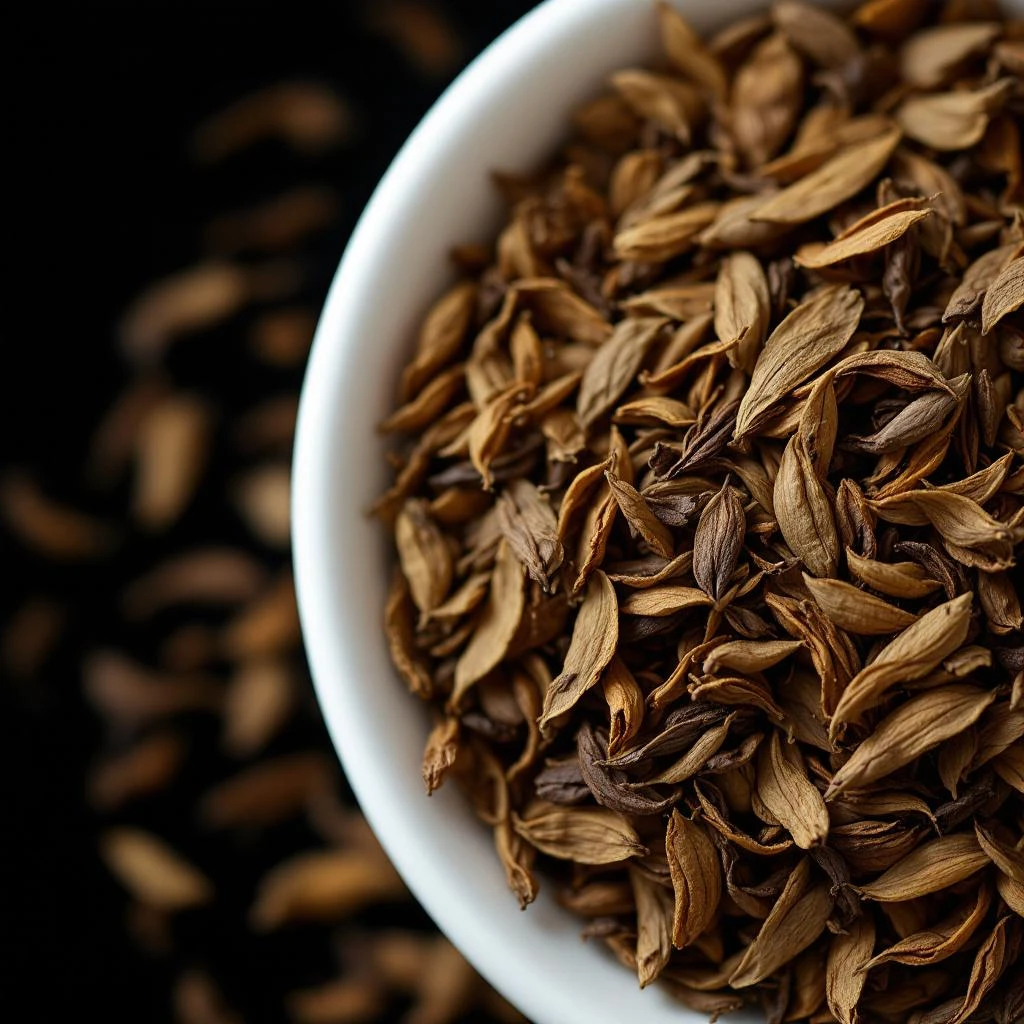
Mulberry Leaf
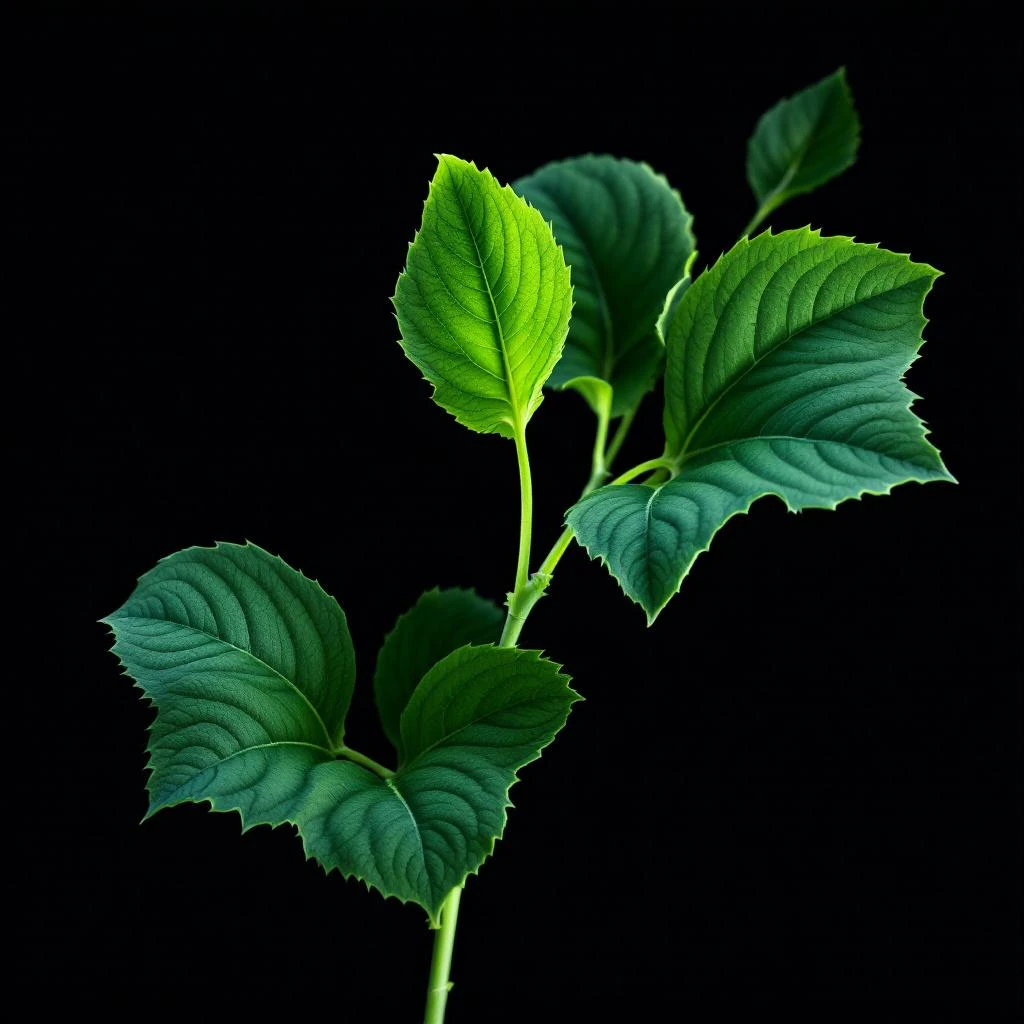
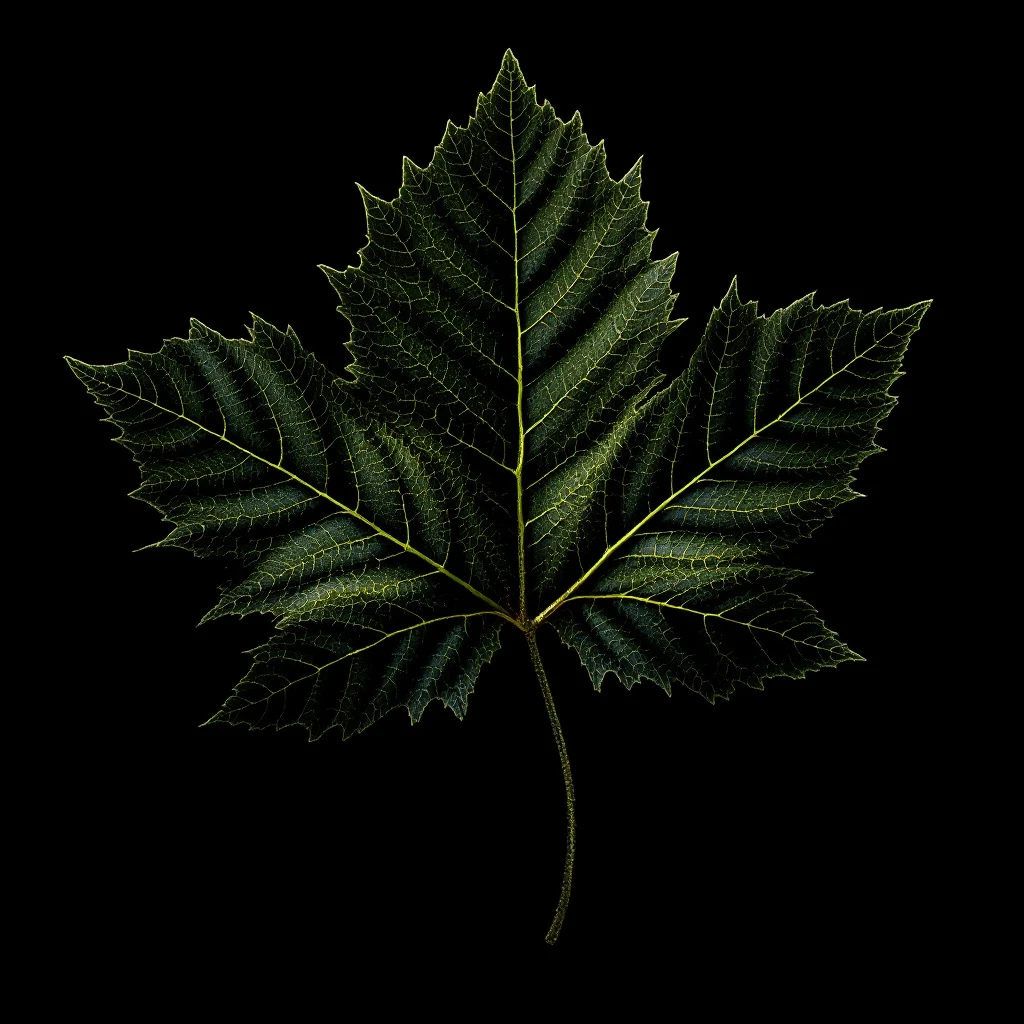
Mulberry leaf is a perfumery note built almost entirely in the lab, a reconstruction of an aroma nature rarely delivers straight to the still. The leaf carries a green, lactonic softness that reads as fig-adjacent, cushioned by a faint tea-like dryness.
Character
How it smells
A green leaf accord, more imagined than distilled
True mulberry leaves yield only trace amounts of aromatic oil, making the note in perfumery almost always a synthetic reconstruction rather than a direct plant extract.


Origin
China
Mulberry trees have served humans for thousands of years, though their leaves were prized first for silkworm feed rather than fragrance. The white mulberry, Morus alba, anchored sericulture across China for at least 4,000 years, with records of silk production extending back to the Neolithic Yangshao period.
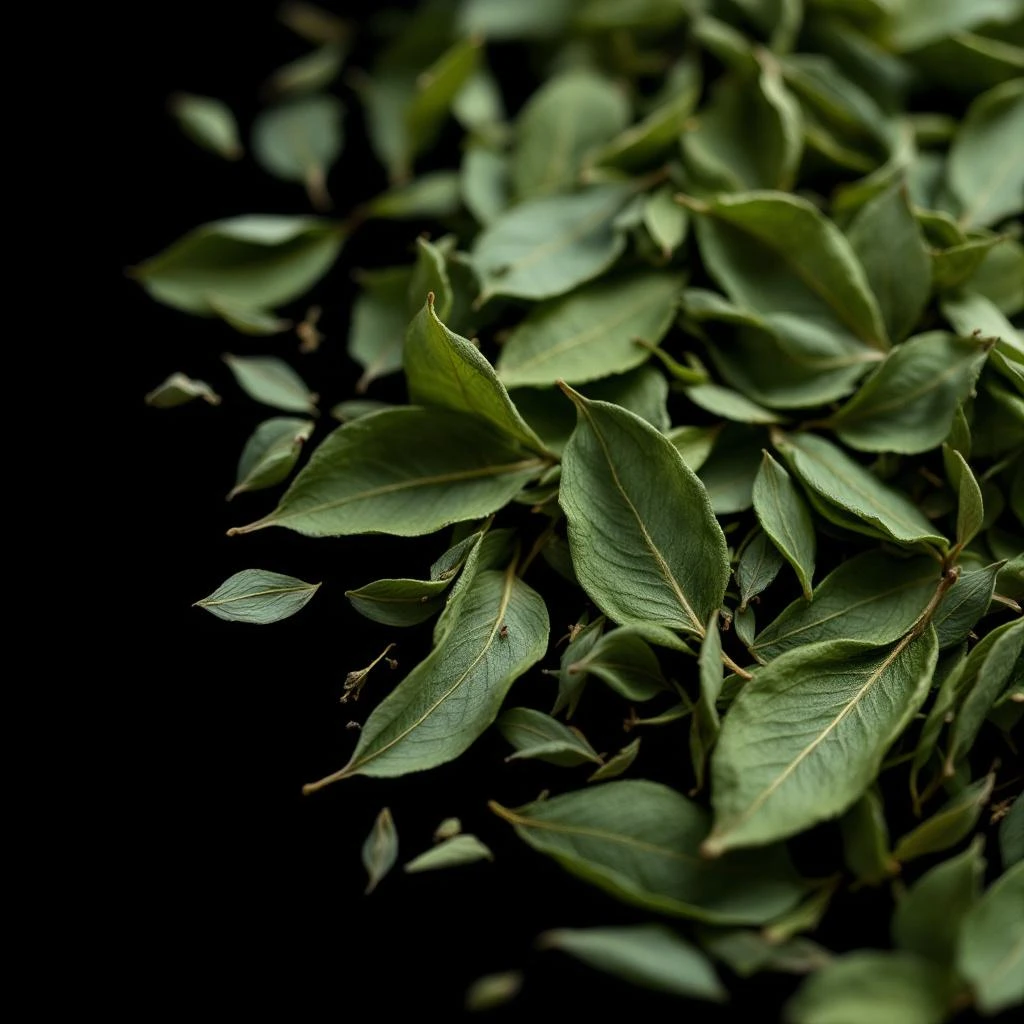
The leaves themselves entered traditional medicine and tea culture in East Asia, where dried mulberry leaf tea remains common. In Western perfumery, mulberry as a recognizable note is a recent arrival, emerging only after synthetic aroma chemicals capable of mimicking green-lactonic accords became widely available in the mid-20th century.
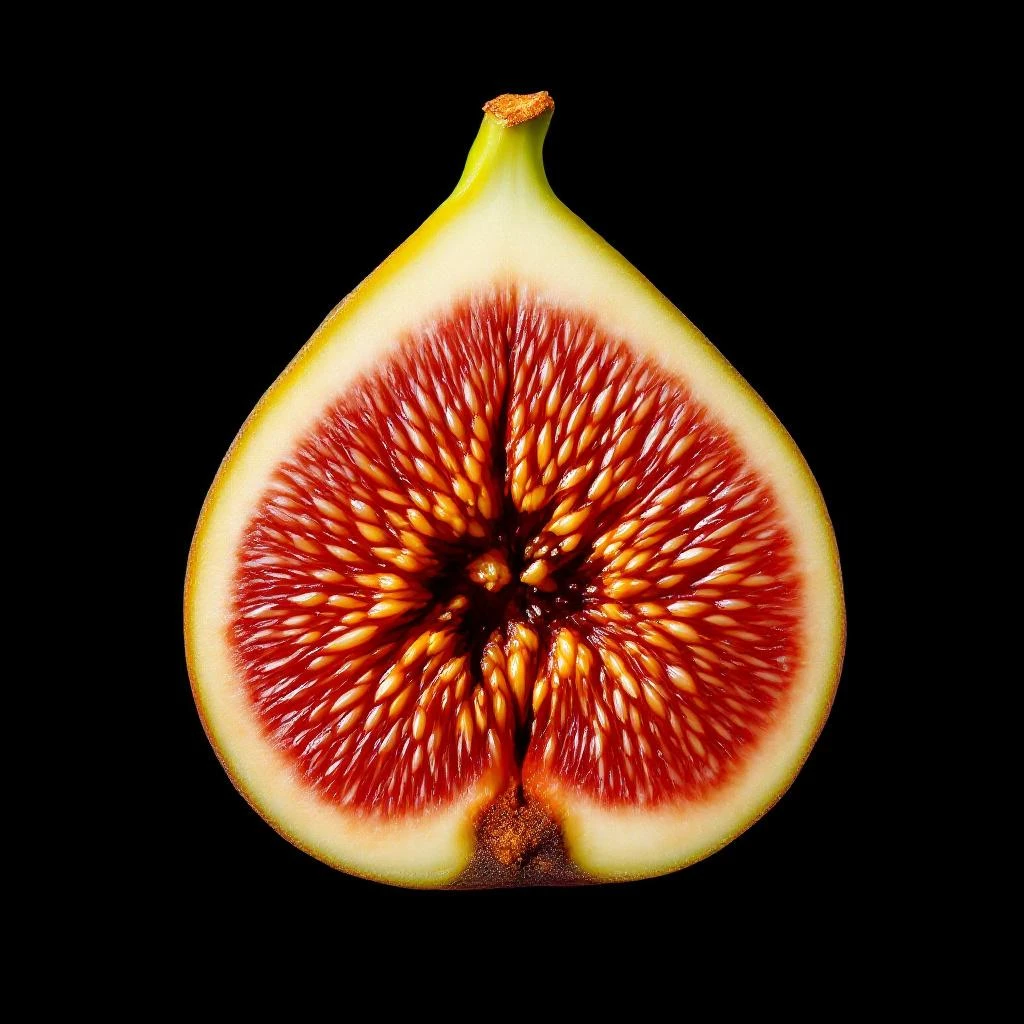
The accord draws from the sensory impression of mulberry fruit, fig leaves, and herbal tea, reconstructing an idea rather than a literal translation. Creative perfumers have used it sparingly, usually to soften a fruity heart or to lend a velvety, sun-warmed quality to green compositions, keeping the ingredient niche and evocative rather than widespread.
Wears it best
Fragrances featuring Mulberry Leaf
Brands
Brands known for Mulberry Leaf
Good to know
Questions, answered
The essentials on Mulberry Leaf in perfumery: how it smells, where it comes from, and how it behaves on skin.
What does mulberry leaf smell like in perfume?
Mulberry leaf in perfumery reads as a soft green note with milky, lactonic sweetness. It sits between the sharpness of crushed leaves and the creaminess of fig, often used to add a quiet fruity-green texture to a heart accord.
Is mulberry leaf a natural or synthetic ingredient?
It is almost always synthetic. True mulberry leaves contain only trace volatile oil, so perfumers reconstruct the note from aroma chemicals like leaf aldehydes and lactones rather than distilling the plant directly.
What type of fragrance note is mulberry leaf?
It functions as a heart modifier, bridging green and fruity categories. The note adds lift without brightness, lending a soft, almost hazy quality to compositions rather than a sharp, leafy edge.
Which perfumes famously feature mulberry leaf?
Mulberry appears in select niche and avant-garde compositions, but it is rarely a headline note. It tends to appear in supporting roles alongside fig, tea, or fruity accords rather than as a solitary star.
How is mulberry leaf different from fig leaf?
Fig leaf is greener, woodier, and more coconut-like due to its high lactone content. Mulberry leaf is softer, slightly sweeter, and carries a tea-like dryness that makes it feel lighter in a blend.
Can mulberry leaf essential oil be purchased?
Genuine mulberry leaf essential oil is rare and expensive, with limited commercial availability. Most products labeled as mulberry fragrance are synthetic reconstructions or dilutions of leaf absolutes.
Where does the mulberry tree originate?
The white mulberry, Morus alba, is native to northern China and has been cultivated for thousands of years. It spread along the Silk Road into Europe and the Mediterranean, where other Morus species also grow wild.
Is mulberry leaf safe in fragrance?
When used within standard perfumery dilution rates, mulberry leaf accords and their component aroma chemicals are considered safe for skin application by IFRA guidelines.