Mongolian Grapefruit
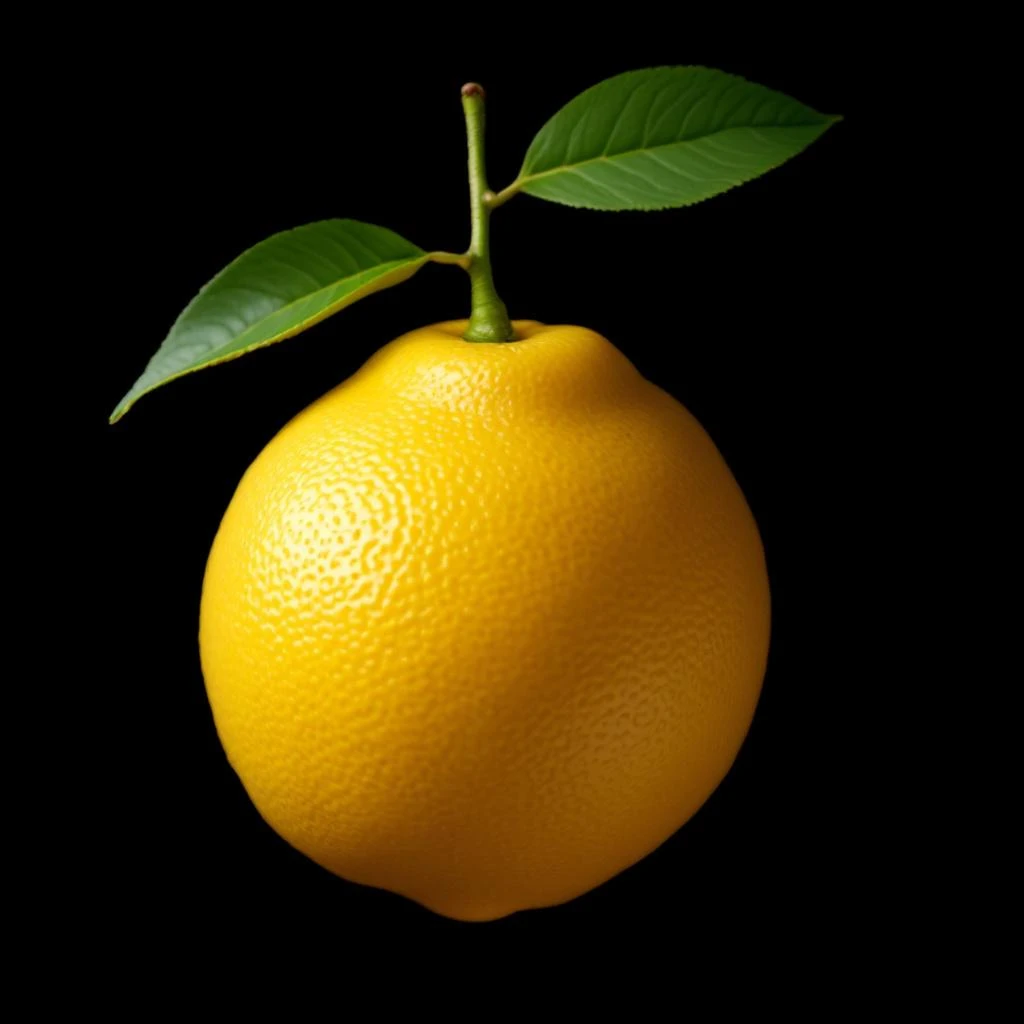
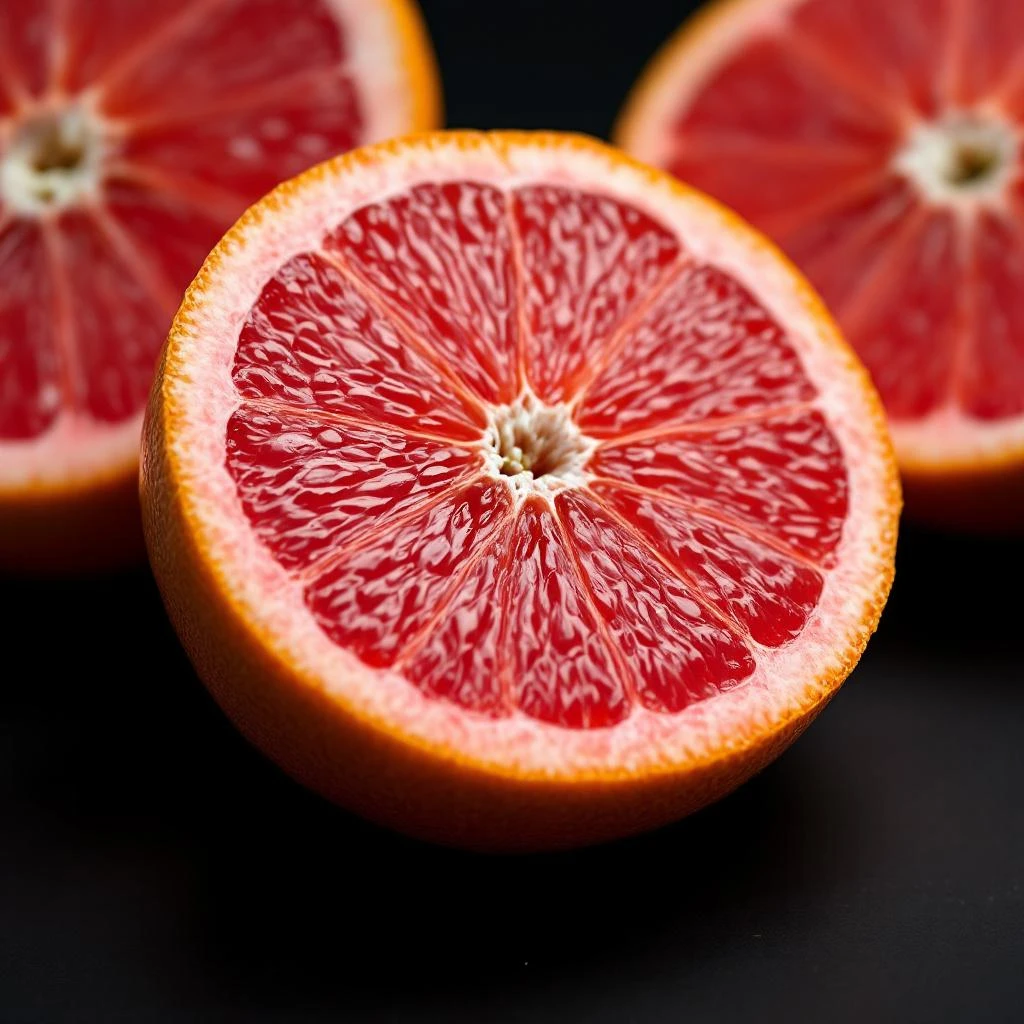
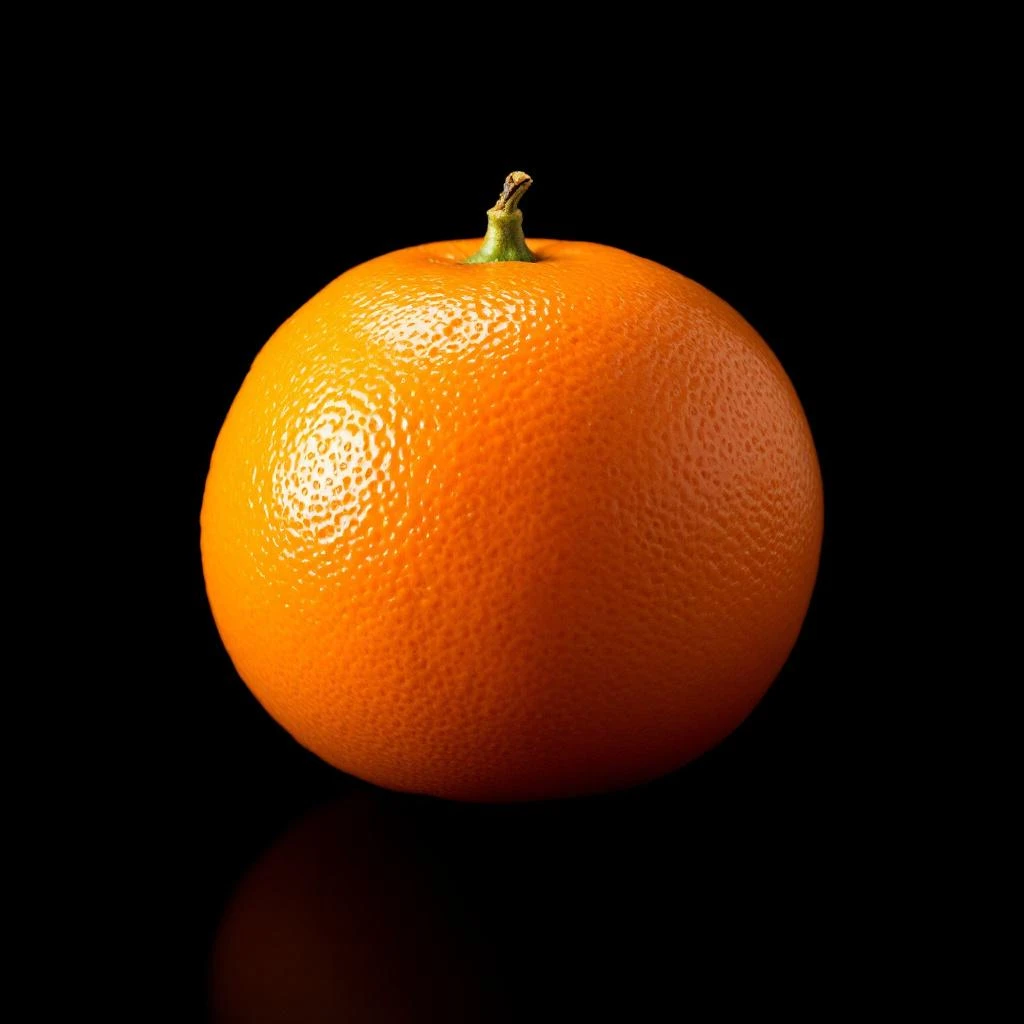
Mongolian Grapefruit brings a bright, sharp citrus bite to compositions, with a slightly green undertone that sets it apart from conventional grapefruit varieties grown for juice.

Character
How it smells
A crisp, sun-warmed citrus with surprising staying power.
Despite the name, grapefruit originated in Barbados in 1750, documented by Reverend Griffith Hughes. It is a natural hybrid between sweet orange and pomelo.






Origin
Barbados
The grapefruit itself is a relative newcomer to the botanical world. Reverend Griffith Hughes documented the fruit in Barbados in 1750, and Kumamoto and colleagues later confirmed it as a stabilized hybrid between sweet orange (Citrus sinensis) and pomelo. Its path into perfumery followed the 19th-century expansion of synthetic chemistry, which allowed perfumers to isolate and reinterpret citrus oils at scale.
Grapefruit oil grew popular in early eau de colognes and later became a signature of fresh, sport, and unisex fragrances from the 1970s onward. The term Mongolian Grapefruit typically refers to grapefruit cultivated or selected in colder continental climates, where growers favor cultivars with thicker rinds and higher oil concentration to survive shorter growing seasons.
Wears it best
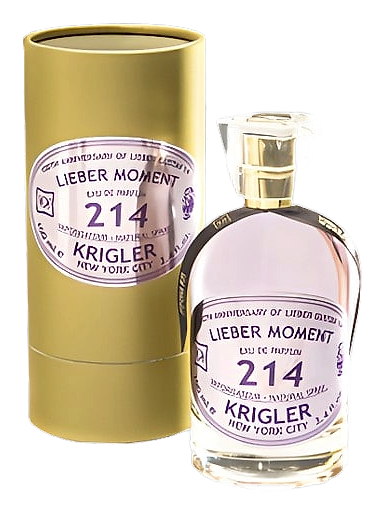
Fragrances featuring Mongolian Grapefruit
Brands
Brands known for Mongolian Grapefruit
Good to know
Questions, answered
The essentials on Mongolian Grapefruit in perfumery: how it smells, where it comes from, and how it behaves on skin.
What does Mongolian Grapefruit smell like in perfume?
It smells sharp, zesty, and slightly bitter, with a dry green edge beneath the citrus. The cold-press method preserves aldehydes like nootkatone, giving it a fuller body than distilled grapefruit oils. Many perfumers describe it as more aromatic than juicy.
Is Mongolian Grapefruit a real variety?
No distinct cultivar called Mongolian Grapefruit exists in major citrus databases. The term refers to grapefruit grown in colder continental regions, where selection favors rinds with higher essential oil yields. The species itself originated in Barbados in 1750.
How is grapefruit essential oil extracted for perfume?
Cold-pressing is the primary method. The peel is mechanically pierced to rupture oil glands, then centrifuged to separate oil from water. Heat-free processing preserves the volatile top notes that steam distillation would otherwise diminish.
Is grapefruit oil natural or synthetic in modern perfumery?
Both forms exist. Natural oil comes from cold-pressed peels. Synthetic versions, often built around nootkatone, appear widely because they offer consistency and lower cost. Many fine fragrances blend both to balance authenticity and stability.
What fragrance families use grapefruit?
Grapefruit features heavily in the citrus and aromatic fougère families. It also anchors many sport and aquatic compositions launched since the 1980s, where its sharp opening cuts through synthetic calone and green notes.
Where does grapefruit originally come from?
Grapefruit originated in Barbados around 1750, where it arose as a natural hybrid between sweet orange and pomelo. Reverend Griffith Hughes provided the first written documentation of the fruit.
Is grapefruit oil safe for skin in perfume?
Topical application of cold-pressed grapefruit oil carries documented phototoxicity risk due to furanocoumarins. IFRA restricts use levels in leave-on products. Finished perfumes typically dilute the oil well below threshold concentrations.
What notes pair well with Mongolian Grapefruit?
It pairs naturally with vetiver, cedarwood, and patchouli for masculine structures, and with neroli, rosemary, and basil in aromatic colognes. The oil's bitter edge also balances sweet vanilla and ambroxan bases in modern flankers.