Miso
Miso brings a fermented savory depth to fragrance, pairing cultured soy notes with subtle warmth, saltiness, and a food-like richness.

Character
How it smells
Savoury depth with a cultured, quietly warming finish.
Miso is made from fermented soybean paste, bringing a distinctive savory character that recalls cooked grain, salt, and umami.





Origin
Japan
Miso is generally understood to have developed from fermented soybean preparations associated with China before becoming established in Japan through mainland Asia and the Korean Peninsula. Its precise origin is difficult to pin to one place, but fermentation traditions across East Asia made it possible for soybean pastes to evolve into distinct regional foods.
Over centuries, miso became part of Japanese cuisine and culture, valued for its savory flavor and preserving qualities. The ingredient later became familiar beyond food as a symbol of Japanese taste and traditional craft.
In perfumery, its relevance comes from the aromatic impression of fermented soybean paste rather than from a long history as a fragrance material. Modern fragrance formulas use the note to introduce salt, warmth, and a culinary depth that differs from conventional spice or wood accords.
Wears it best
Fragrances featuring Miso
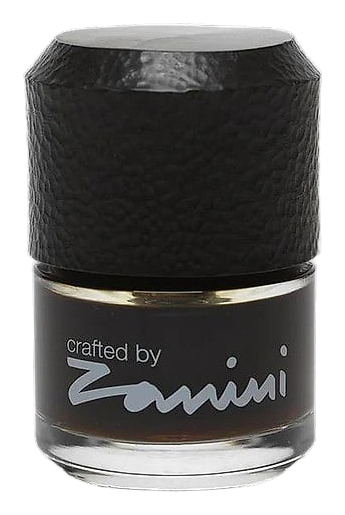
Brands
Brands known for Miso
Good to know
Questions, answered
The essentials on Miso in perfumery: how it smells, where it comes from, and how it behaves on skin.
What does miso smell like in perfume?
Miso usually reads as a warm, savory note with fermented soybean, salt, and gentle grain-like nuances. In a fragrance, it can add a food-inspired depth beside woods, spices, and soft musks.
Is miso a natural perfume ingredient?
Miso can describe a fermented soybean-derived fragrance concept, but many commercial perfumes recreate it with aroma chemicals rather than using miso itself. The label does not always reveal which production method was chosen.
Where does miso come from?
Miso is closely associated with Japan, where it is made from fermented soybeans and kōji. Its broader roots are linked to ancient Chinese fermented soybean traditions and transmission through East Asia.
How is miso made for fragrance?
Culinary miso is made by fermenting soybeans with kōji and salt. Fragrance versions are usually built from selected aroma chemicals to reproduce its fermented, savory character with consistent performance.
Does miso smell strong in perfume?
It can be pronounced because its fermented profile is distinctive rather than conventionally floral. Formulators often use it at a measured level so it supports the composition without overwhelming lighter notes.
What fragrance notes pair well with miso?
Miso pairs naturally with woods, black tea, vanilla, spices, and soft musks. These materials can temper its salty, food-like quality while emphasizing its warm fermented depth.
Is miso suitable for vegan perfume?
Miso made with soybeans is plant-based, but a perfume labeled with the note may not be vegan. A vegan claim depends on the entire formula, including alcohol, fixatives, and other raw materials.
How long has miso been used in Japan?
Miso has been part of Japanese food culture for centuries, although its exact beginnings are not certain. Its development reflects the older East Asian tradition of fermenting soybeans into preserved pastes.