Taiwanese Oolong Tea
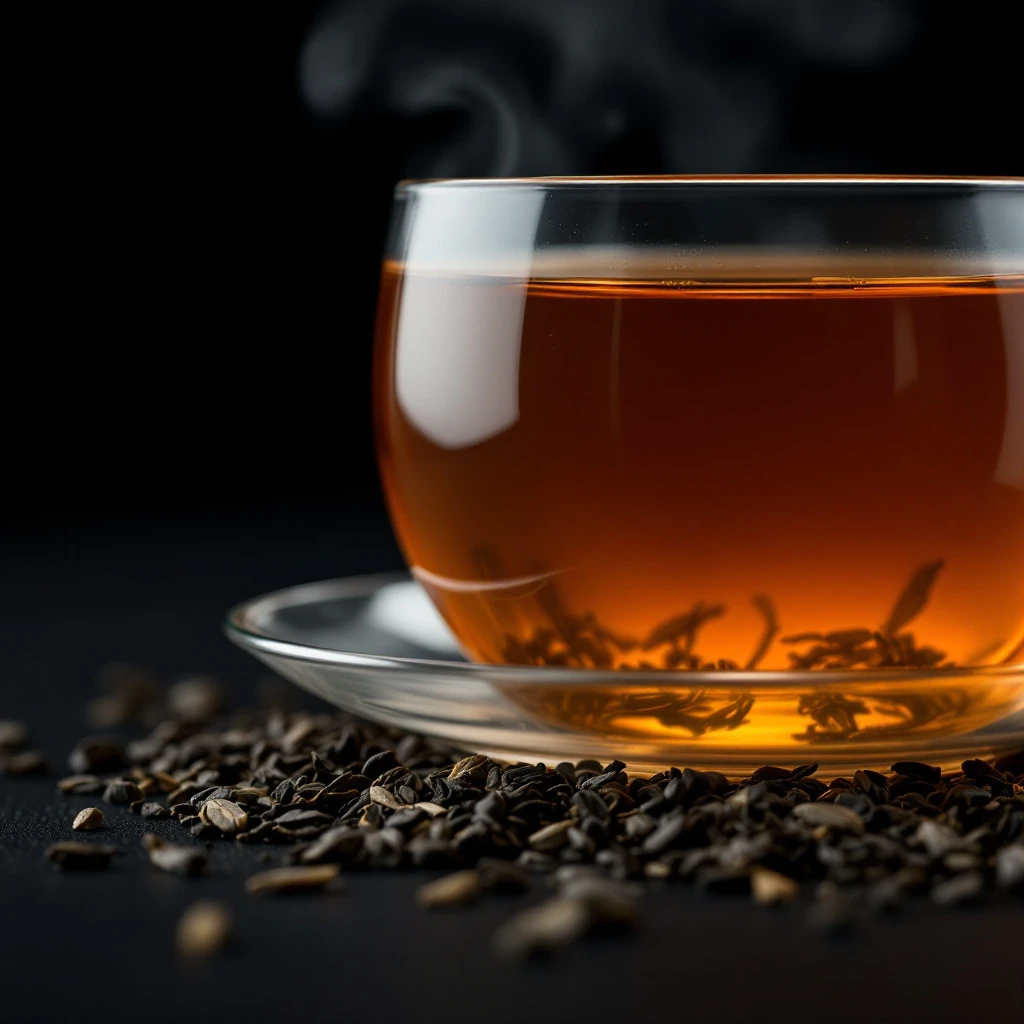
Taiwanese Oolong Tea bridges fresh green vitality and toasted warmth through partial oxidation, creating a prized aromatic profile. Perfumery extracts capture tea's nuanced complexity, from its delicate floral top notes to its rich, honeyed base undertones.
Character
How it smells
Green vitality meets toasted warmth.
Oolong means "Black Dragon" in Chinese, a name possibly tracing back to Dragon-Phoenix Tea Cake tribute traditions from centuries past.
Pairs beautifully with



Origin
Taiwan
Oolong tea emerged around 1644 during the Qing Dynasty in China's Wu Yi Mountains, developing as a partially oxidized style distinct from fully oxidized black teas. Fujian Province holds the distinction of oolong's birthplace, with techniques refined over centuries. Chinese settlers, many from the Anxi and Wuyi Mountain regions, brought this knowledge to Taiwan in the 18th and 19th centuries.
Taiwan's unique terroir transformed these imported methods. High-altitude mountain farms in Nantou, Alishan, and Lishan provide ideal conditions with cool temperatures, frequent mist, and rich soil. Over generations, Taiwanese tea masters developed distinctive styles including high-mountain gaoshan oolongs and heavily oxidized teas with roasted characteristics.
Today, Taiwanese oolongs command global recognition, with domestic production and Taiwanese-style teas grown in China, Vietnam, and Indonesia serving the international market.
Wears it best
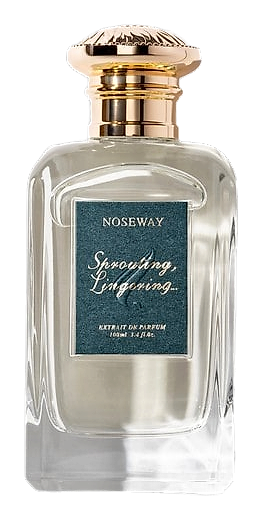
Fragrances featuring Taiwanese Oolong Tea
Brands
Brands known for Taiwanese Oolong Tea
Good to know
Questions, answered
The essentials on Taiwanese Oolong Tea in perfumery: how it smells, where it comes from, and how it behaves on skin.
What does Taiwanese Oolong Tea smell like in fragrance?
Oolong tea in perfumery offers a nuanced aromatic profile combining fresh green, slightly astringent top notes with warm honeyed and toasted undertones. Partial oxidation creates complexity ranging from creamy floral to rich roasted characteristics.
How is oolong tea extracted for fragrance use?
CO2 supercritical extraction efficiently captures volatile aroma compounds from dried oolong leaves. This method preserves the full spectrum of tea's characteristic scent without heat degradation.
What makes Taiwanese oolong different from Chinese oolong?
Taiwan's high-altitude microclimates and generations of local refinement produce distinct flavor profiles. Taiwanese varieties like high-mountain gaoshan oolongs develop unique floral and creamy notes not found in mainland Chinese productions.
Is oolong tea natural in perfumery?
Oolong tea absolute is a natural aromatic extract derived from Camellia sinensis leaves. Quality depends on leaf source, oxidation level, and extraction method employed.
What fragrance families use oolong tea?
Oolong appears primarily in green, fresh, and aromatic fragrance constructions. It also complements oriental and woody compositions where its toasted warmth adds depth without heaviness.
Where does oolong tea originate?
Oolong tea developed around 1644 in China's Wu Yi Mountains in Fujian Province. Chinese settlers later brought cultivation techniques to Taiwan, where local terroir produced distinctive regional varieties.
What oxidation level defines oolong tea?
Oolong tea falls between unoxidized green tea and fully oxidized black tea. Oxidation ranges from approximately 15 percent for lighter styles to 85 percent for darker varieties, creating diverse aromatic outcomes.
Does oolong tea contain caffeine?
Caffeine presence in the aromatic absolute depends on extraction conditions. CO2 supercritical extraction typically yields caffeine-free aromatic material suitable for fragrance applications.





