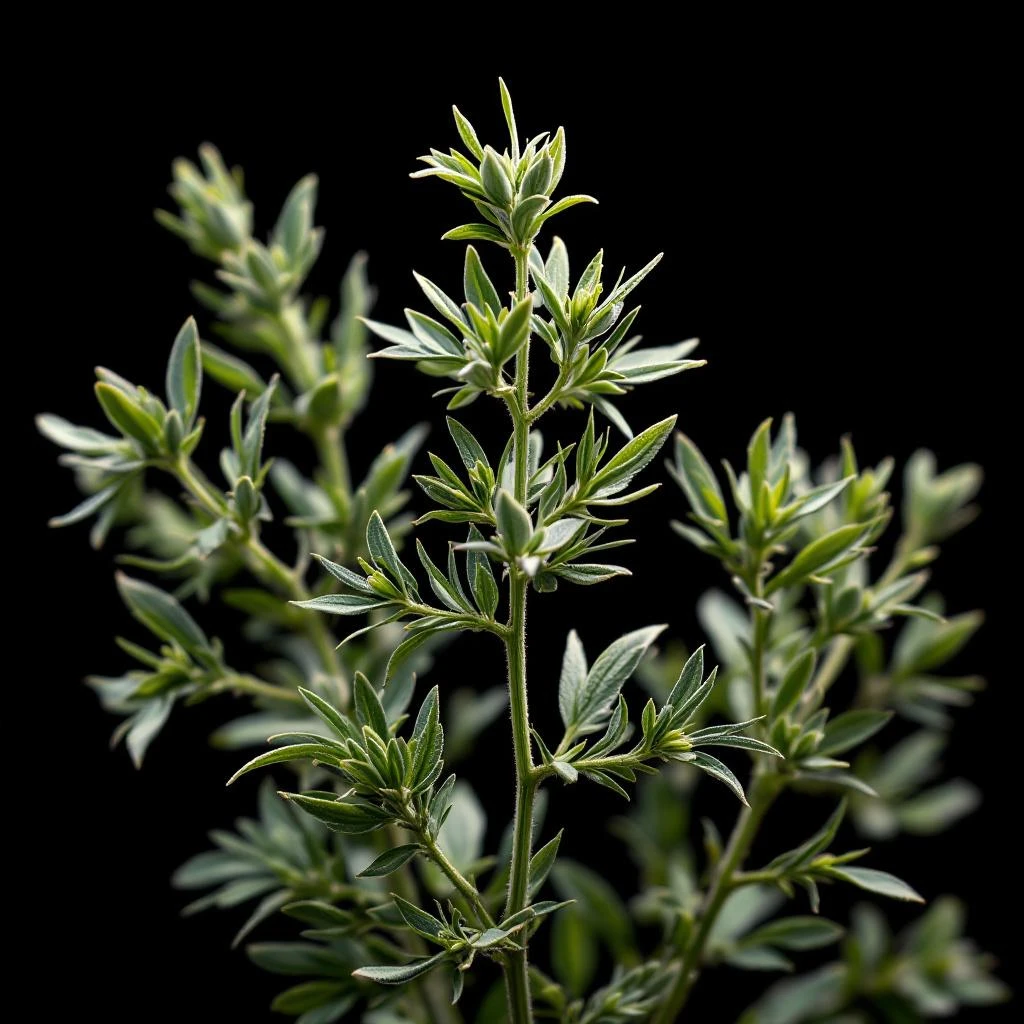
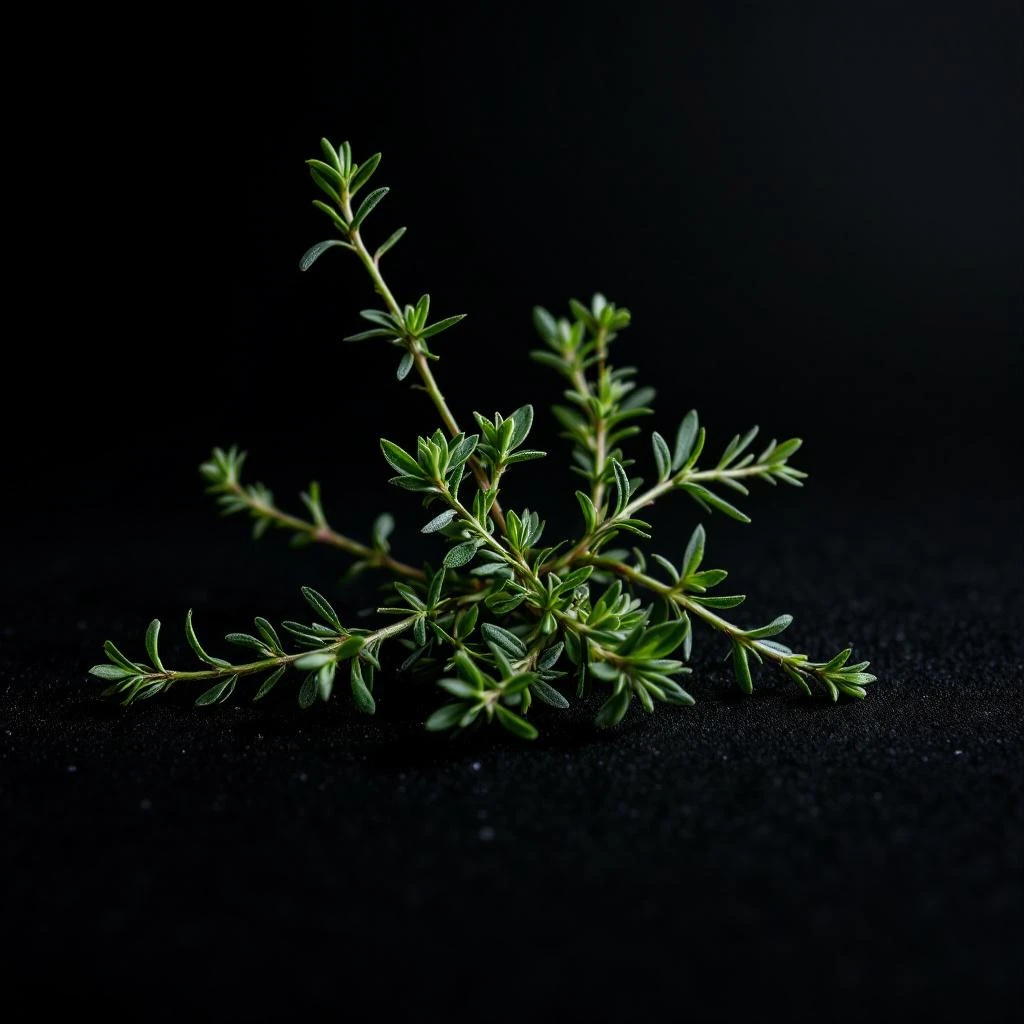
Mint Tea
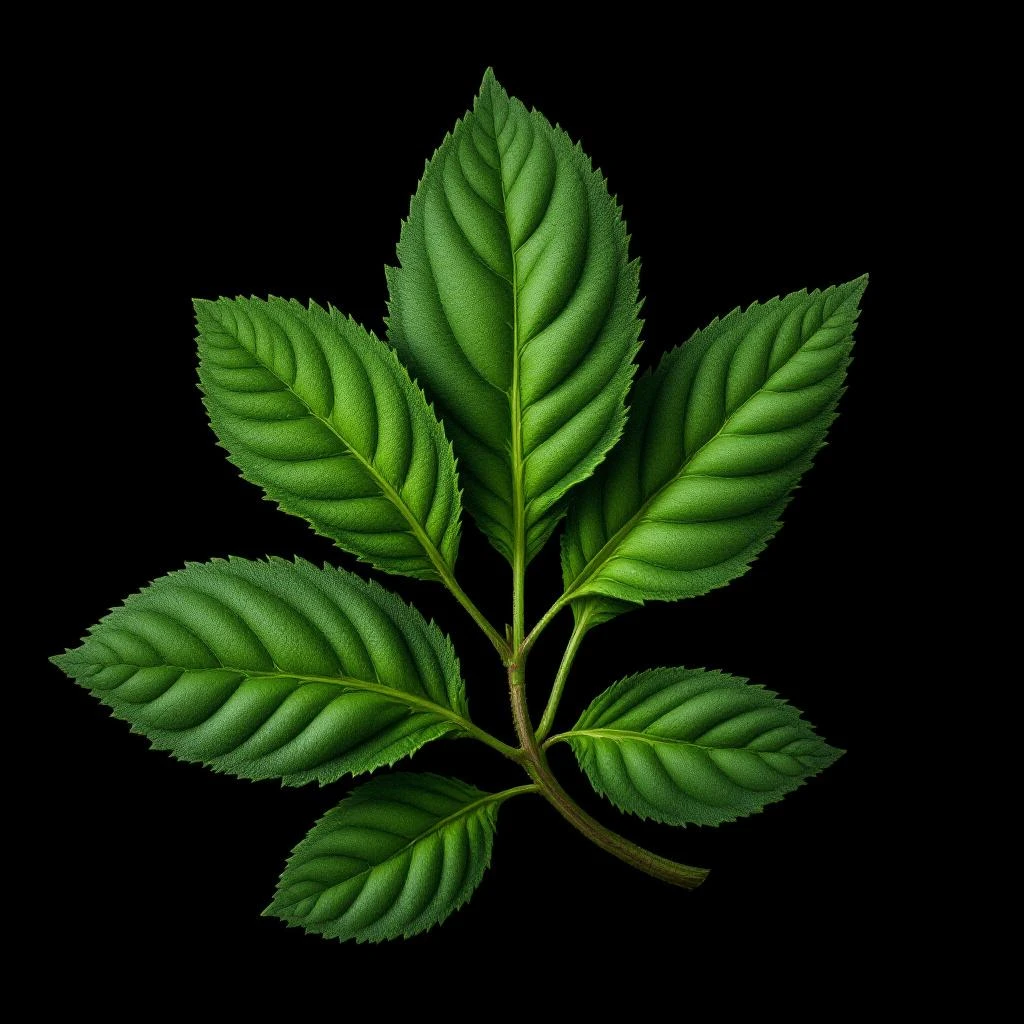
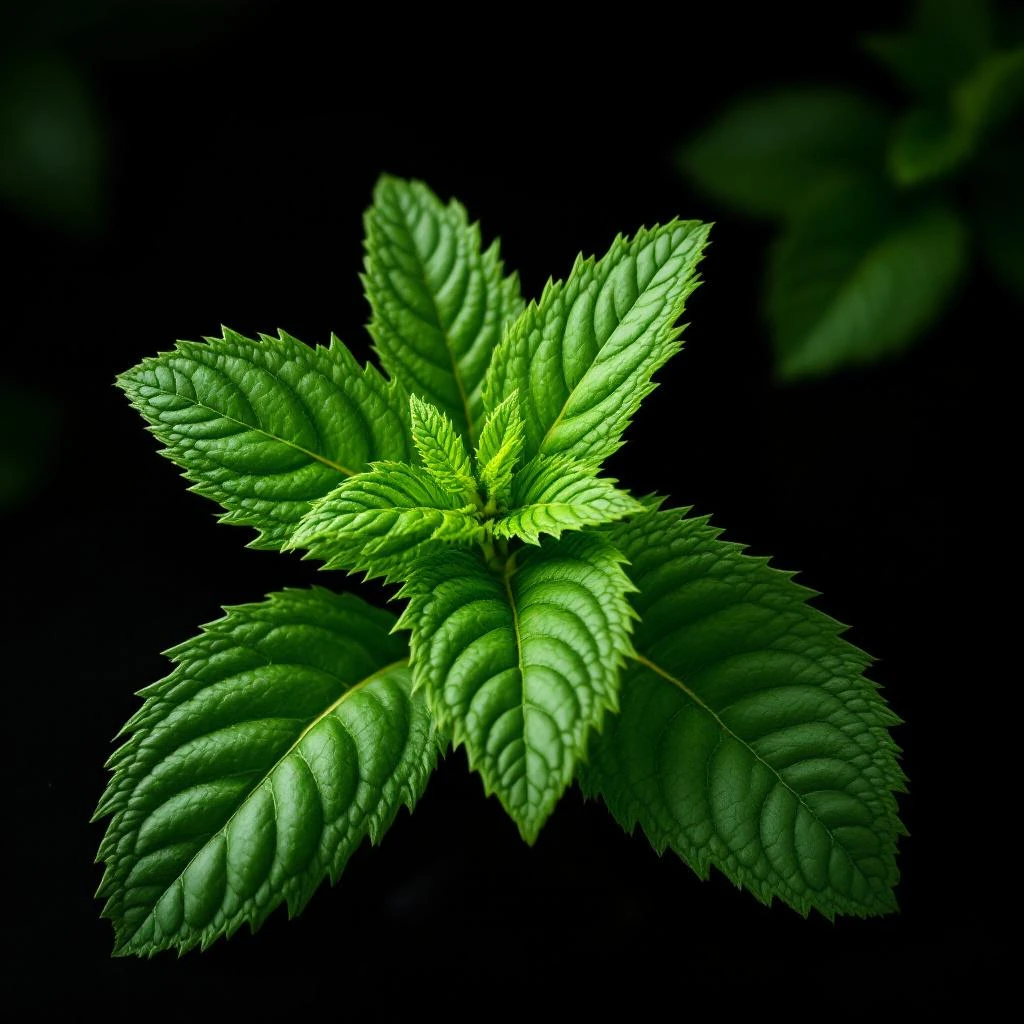
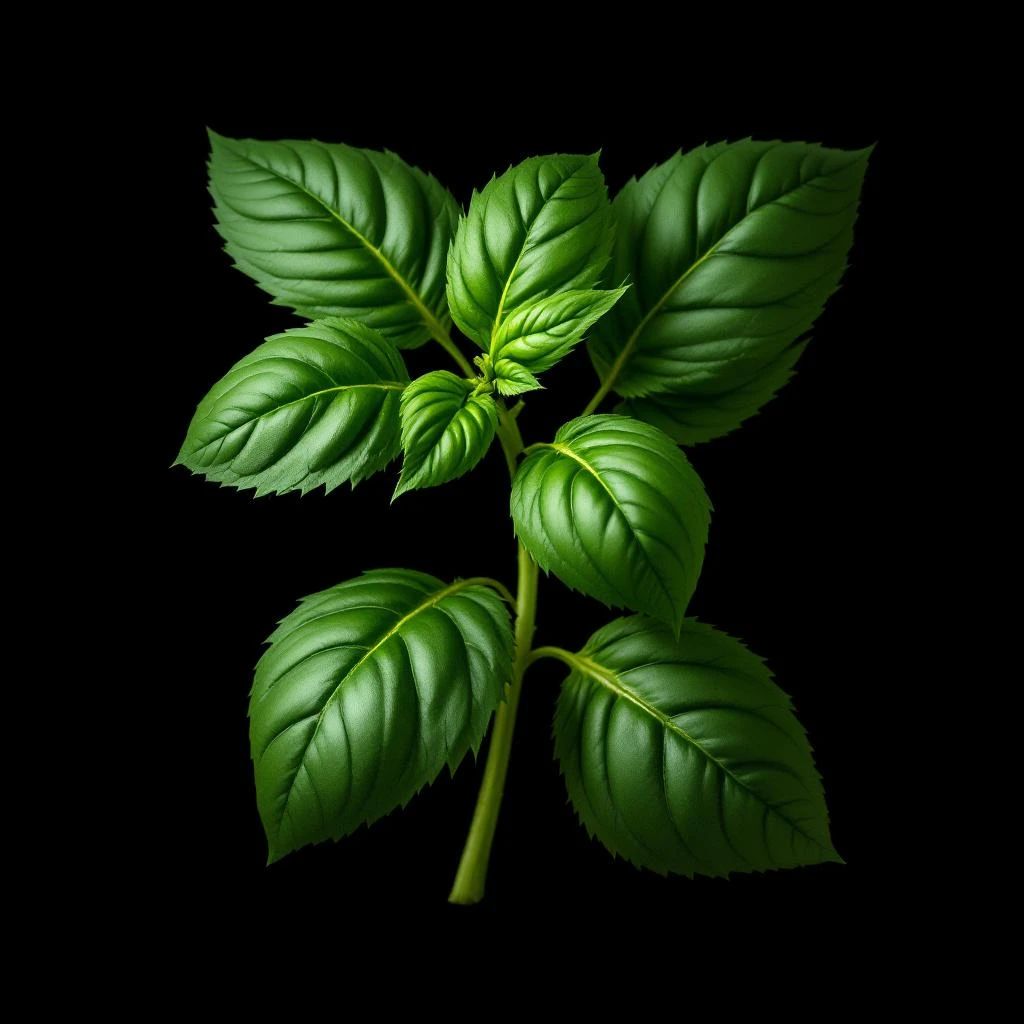
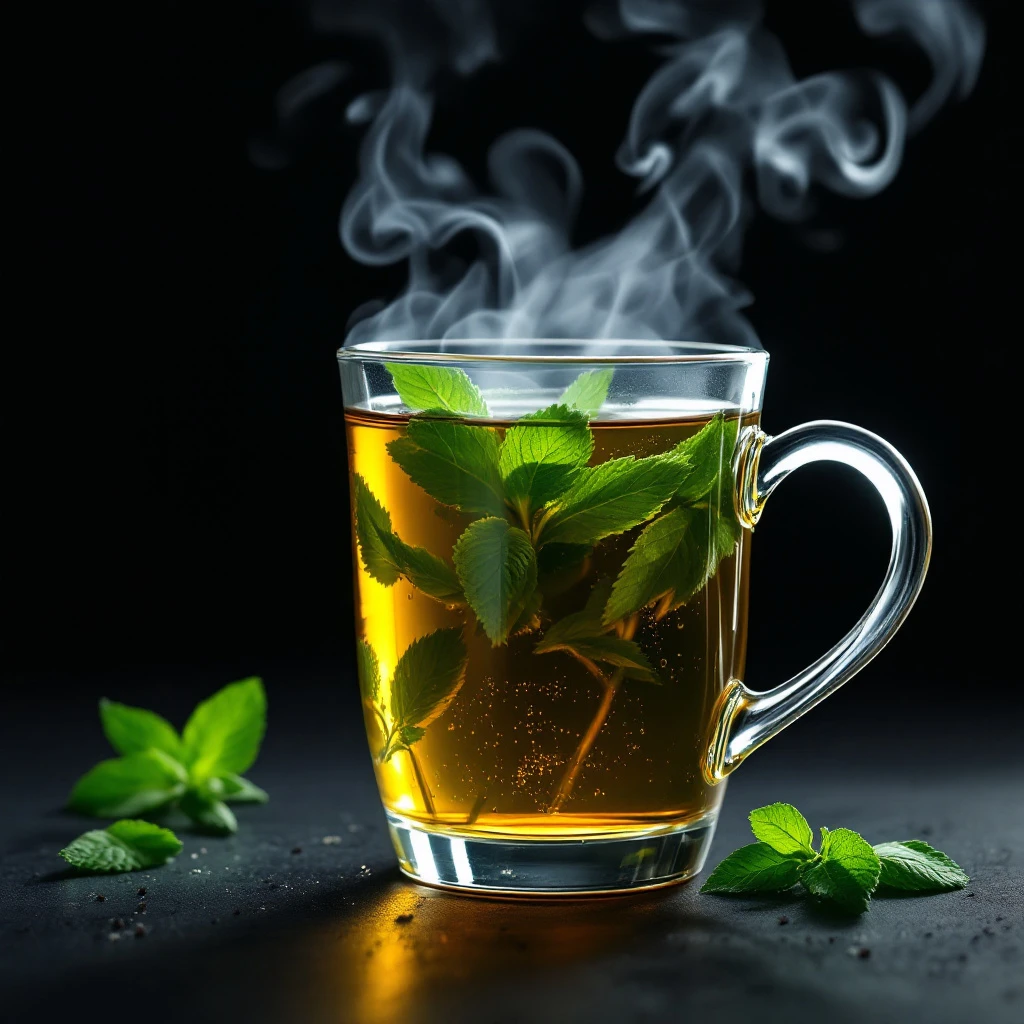
Mint Tea fuses the crisp herbal clarity of Mentha with the softly tannic warmth of Camellia sinensis. The result is a fragrance that refreshes immediately yet settles into something contemplative, offering an aromatic bridge between energy and calm.
Character
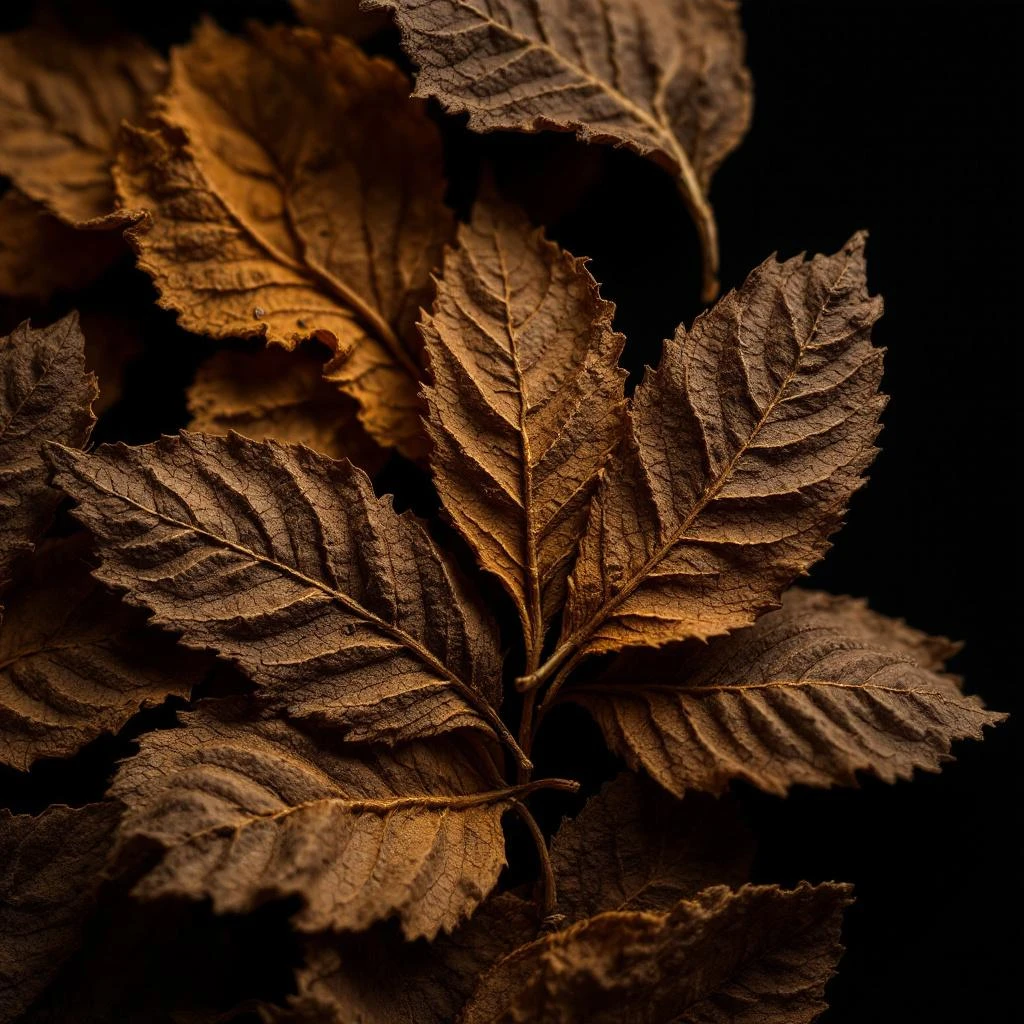
How it smells
Where menthol clarity meets tea's quiet warmth
Mint contains menthol, which activates the same cold-sensitive receptors in skin as actual cold weather does, creating a genuine physical sensation of coolness beyond what scent typically achieves.





Origin
India
Mint ranks among humanity's oldest aromatic plants. Ancient Egyptians placed mint leaves in tombs during 1000 BCE, and Greek physicians including Hippocrates documented its use for digestive and respiratory complaints. The term peppermint specifically emerged in England around 1696, describing a hybrid mint species prized for its concentrated essential oil.
Tea's aromatic history spans even further, with Camellia sinensis cultivation beginning in China around 600 BCE. Chinese texts from the Han dynasty describe perfuming garments with tea flowers. The deliberate combination of mint and tea as a unified fragrance note developed largely in the 20th century as perfumers sought to create scents evoking cleanliness, clarity, and a particular Asian-influenced sophistication.
By the late 1970s, mint tea accords appeared in several landmark masculine and unisex fragrances.
Wears it best
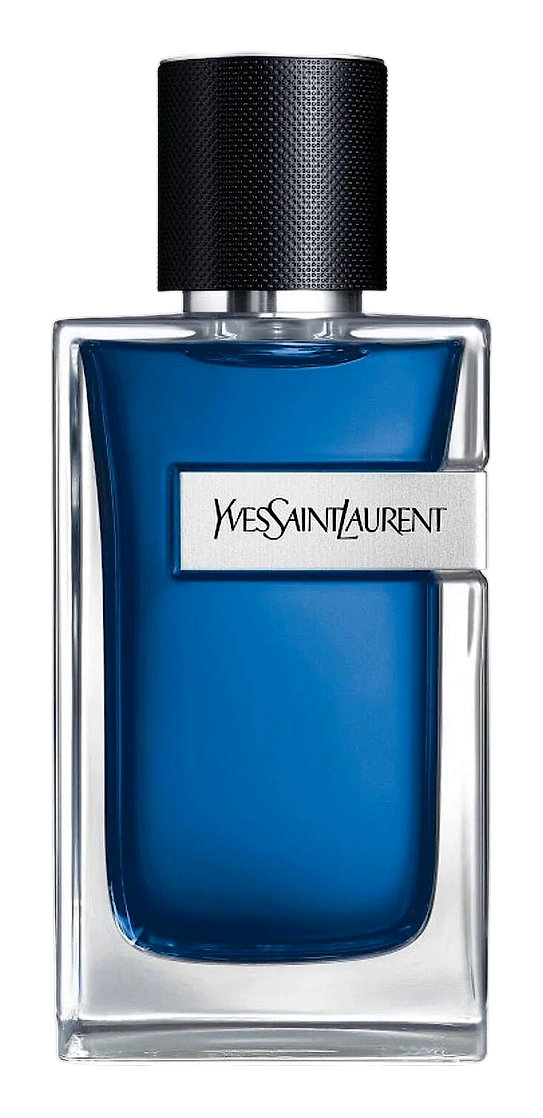
Fragrances featuring Mint Tea
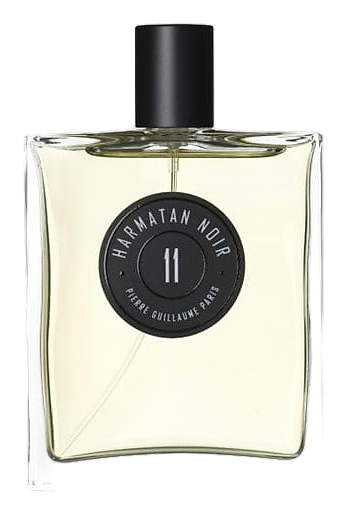
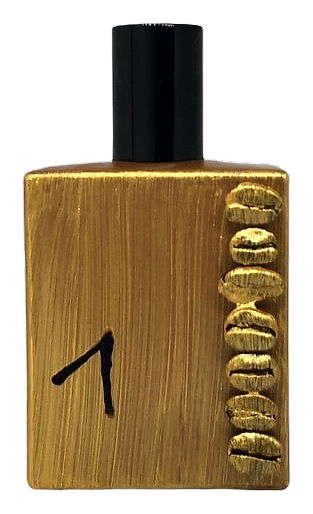
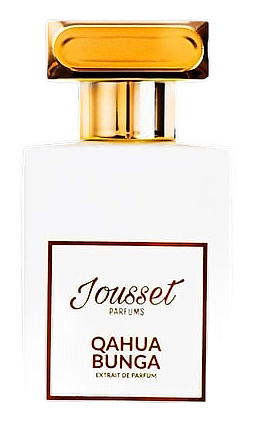
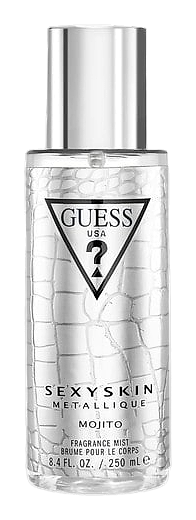
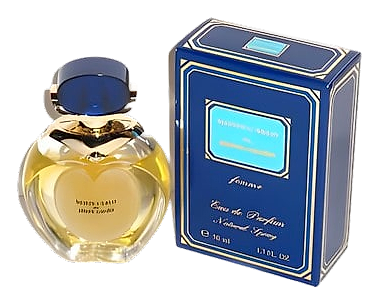
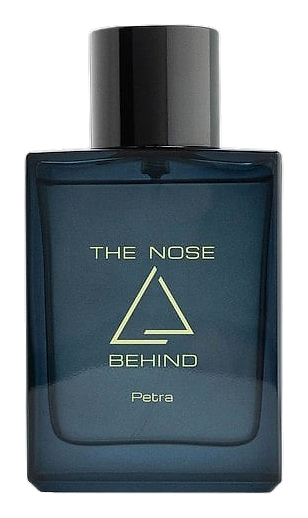
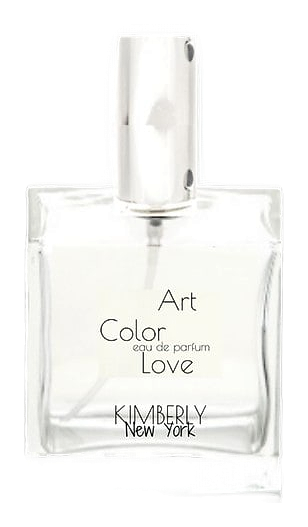
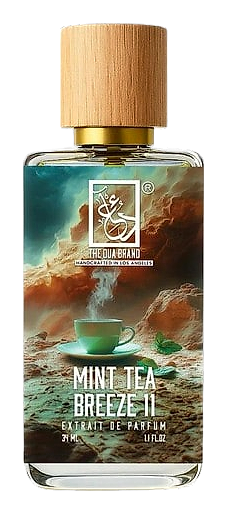
Brands
Brands known for Mint Tea
Good to know
Questions, answered
The essentials on Mint Tea in perfumery: how it smells, where it comes from, and how it behaves on skin.
What does Mint Tea smell like in fragrance?
Mint Tea delivers an immediate cool, herbaceous sharpness from mint's menthol content, followed by tea's dry, tannic base notes. The combination reads as refreshing yet grounded, like inhaling steam from a hot cup of mint tea on a clear morning.
Is the mint in Mint Tea fragrance natural or synthetic?
It varies by product. High-end fragrances often use natural peppermint or spearmint oil obtained through steam distillation, combined withtea absolute. Mid-market fragrances typically rely on nature-identical menthol and synthetic tea aromatics for cost and consistency.
What fragrance families work well with Mint Tea?
Mint Tea functions as a bridge note in Citrus, Aromatic Fougère, and Chypre families. It pairs particularly well with vetiver, bergamot, cedar, and white musks, adding freshness without overwhelming delicate florals.
How long does Mint Tea typically last on skin?
Mint compounds are volatile and evaporate quickly, contributing to fragrance top notes that last 15-30 minutes. Tea notes persist longer at 1-2 hours. The overall mint tea accord typically remains detectable for 2-4 hours depending on concentration and formulation.
What historical cultures used mint in perfumery?
Ancient Egyptians used mint in cosmetics and funerary preparations by 1000 BCE. Greek physicians documented mint's aromatic properties. Roman luxury products frequently incorporated mint oils. By the Middle Ages, mint water served as a common aromatic in European toiletry.
How is mint essential oil extracted from the plant?
Steam distillation separates mint oil from plant matter. Fresh or lightly dried mint leaves and flowering tops are placed in a still, exposed to live steam that ruptures oil glands. The steam-oil vapor mixture condenses, and the oil separates from the water phase. Yield averages 0.3-0.7% by plant weight.
What part of the mint plant is used?
Distillers harvest the aerial parts of Mentha species: leaves, stems, and flowering tops. Peak oil content occurs just before full bloom. Leaves contain the highest concentration of essential oil glands among these parts.
Can mint cause skin reactions in sensitive individuals?
Yes. Menthol and peppermint oil are classified as potential contact allergens under IFRA standards. Sensitive individuals may experience redness, itching, or respiratory irritation. The European Commission's scientific committee identifies menthol as requiring declaration when present above 0.01% in leave-on products.