Milk Cake
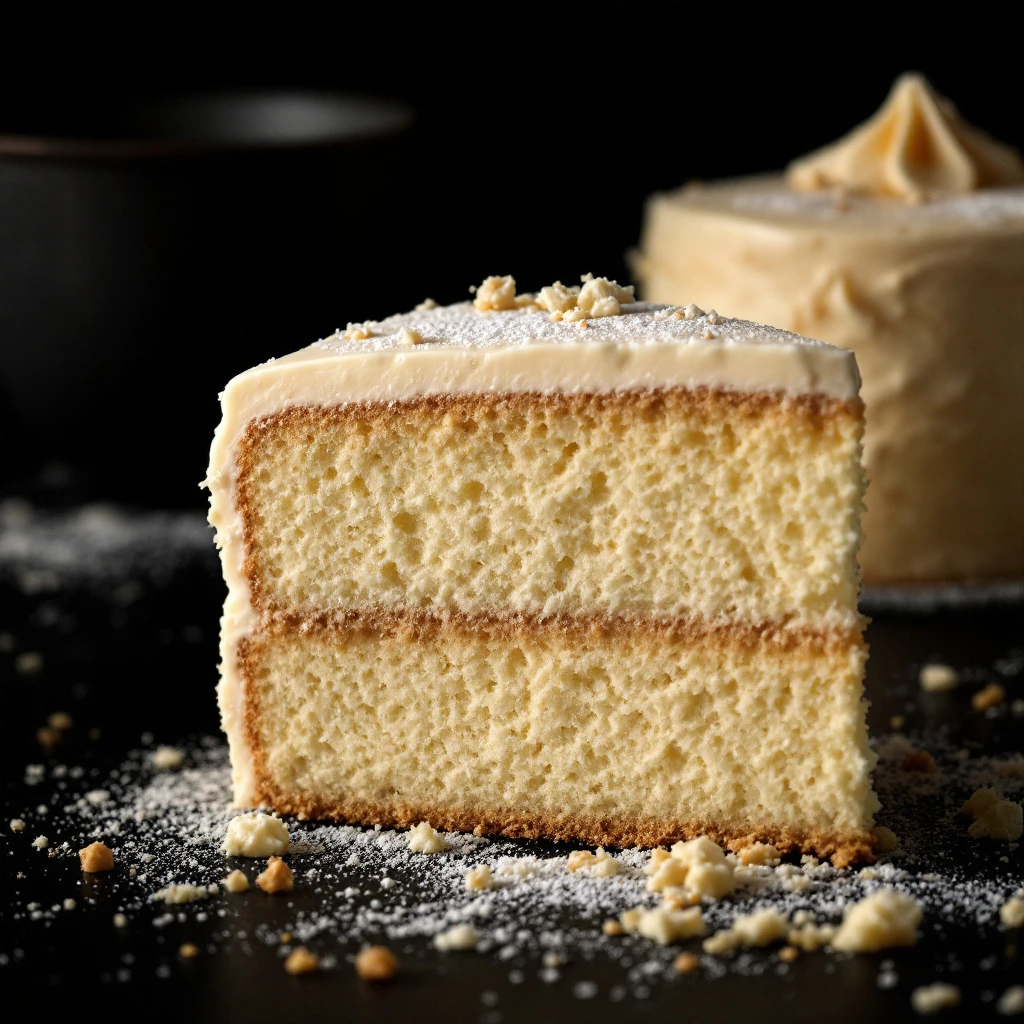
Milk Cake captures the warm, caramelized sweetness of slow-baked Indian milk desserts. This gourmand note wraps compositions in creamy lactonic softness tinged with toasted sugar edges.
Character
How it smells
Slow-cooked sweetness, bottled
The lactonic text that defines Milk Cake traces back to a synthetic molecule called maltol, first isolated from larch bark in the 19th century.



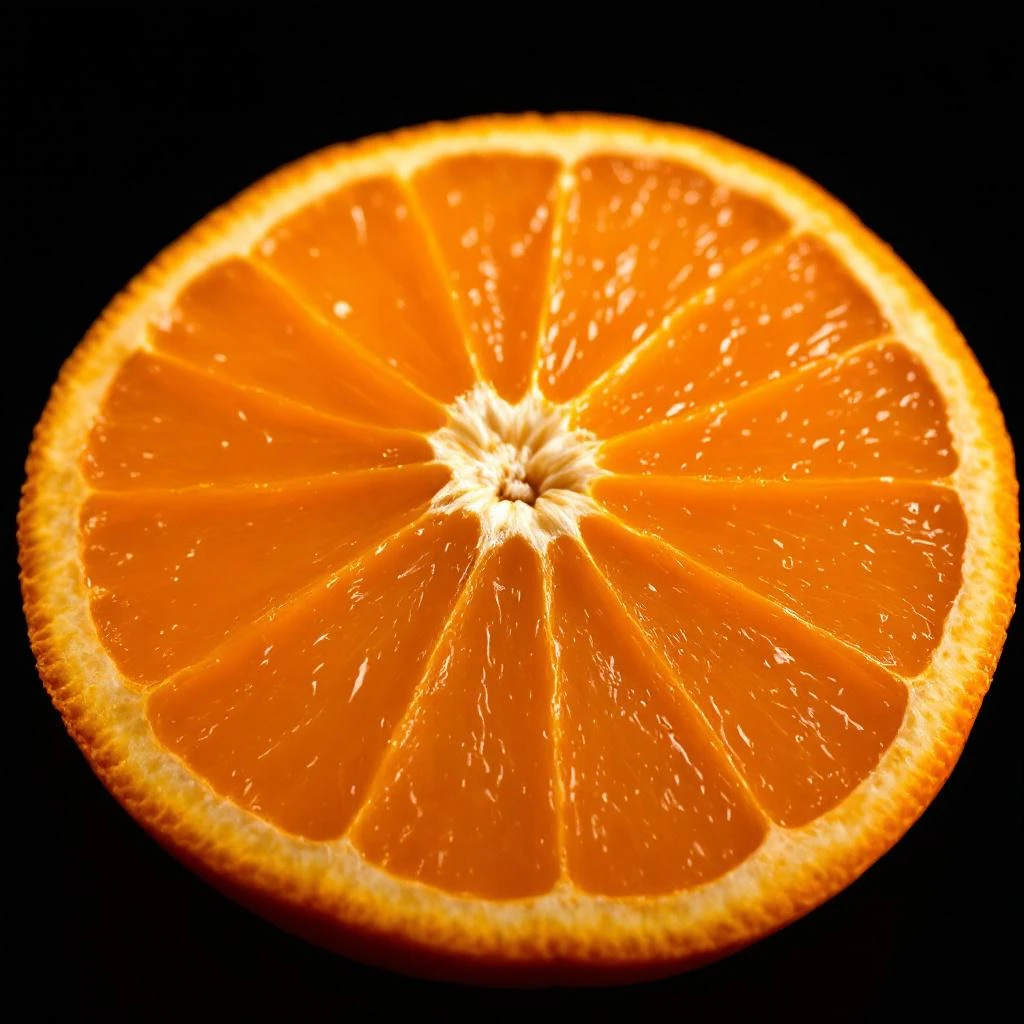

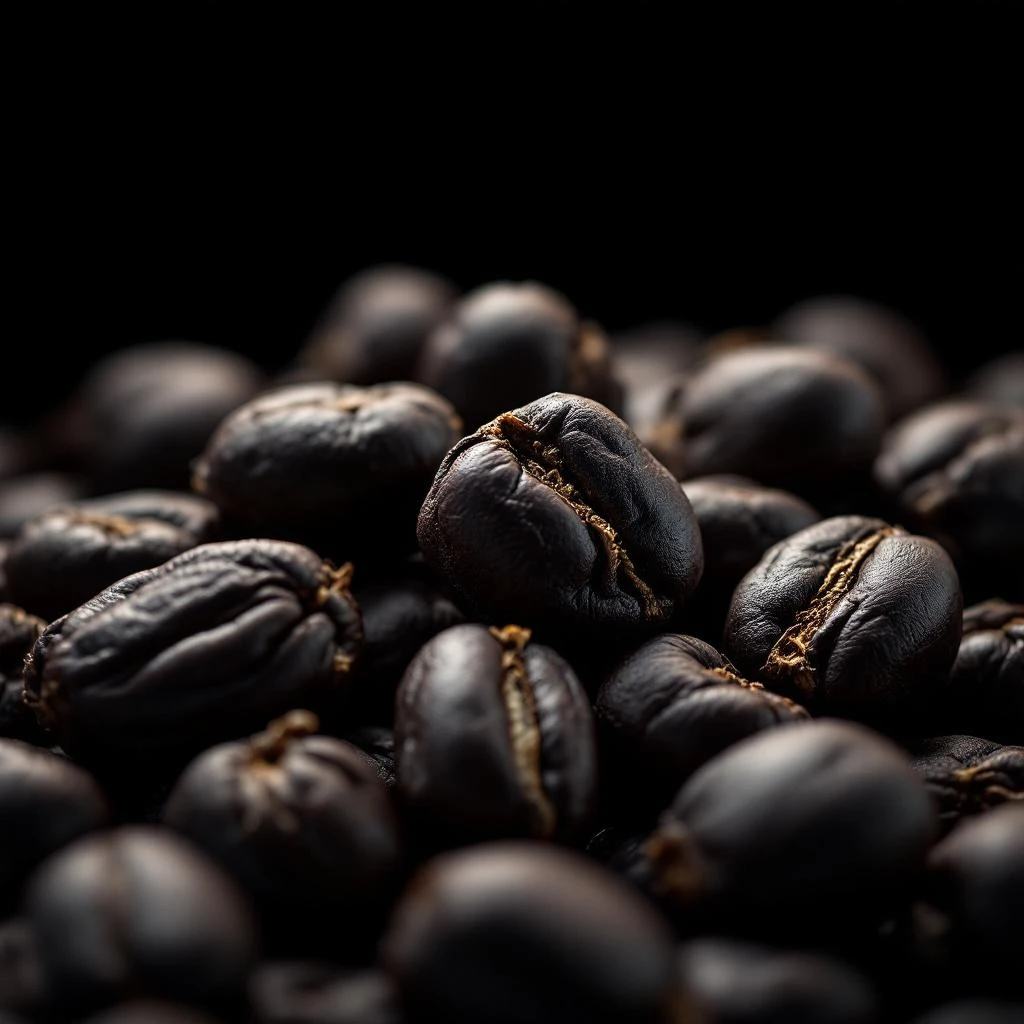
Origin
India
The scent of cooked milk has fascinated perfumers since the late 19th century, when chemists first isolated coumarin and vanillin from plant sources and unlocked the potential of synthetic aroma chemistry. Maltol, discovered in 1869 by Scottish chemist Alexander William Williamson's contemporaries, became one of the earliest building blocks for edible-smelling accords.
For decades, lactonic notes appeared sparingly in fine fragrance, often hidden within white-flower compositions. The true gourmand revolution arrived in 1992 when Thierry Mugler launched Angel, a perfume that placed sweet, milk-infused accords at center stage and reshaped industry expectations.
Milk Cake as a named concept draws from South Asian culinary traditions, particularly the festival sweets of northern India and Pakistan. Contemporary niche perfumers have since elevated these dessert-inspired accords into a category of their own, celebrating cultural heritage through scent.
Wears it best
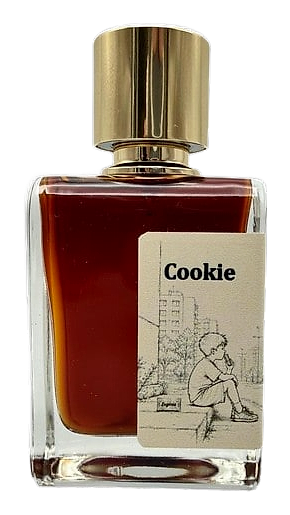
Fragrances featuring Milk Cake
Brands
Brands known for Milk Cake
Good to know
Questions, answered
The essentials on Milk Cake in perfumery: how it smells, where it comes from, and how it behaves on skin.
Is Milk Cake a natural ingredient?
No. Milk Cake is a synthetic accord, a blend of lab-created aroma molecules rather than a substance extracted from plants or animals. Its components include lactones and maltol, both manufactured in controlled conditions to ensure consistency across batches.
What does Milk Cake smell like in perfume?
It smells like warm, caramelized milk with toasted sugar edges, evoking slow-cooked South Asian desserts. Expect creamy lactonic sweetness layered with hints of burnt caramel and soft musk in the base.
Which perfumes feature Milk Cake notes?
Milk Cake appears in several modern gourmand fragrances, particularly in collections inspired by South Asian culinary heritage. Niche houses such as Silloria partner perfumers have used it to capture festive dessert traditions in wearable form.
When did gourmand fragrances become popular?
The gourmand category emerged prominently after Thierry Mugler launched Angel in 1992. That composition introduced edible, sweet accords to fine fragrance and inspired a wave of dessert-themed launches throughout the 1990s and 2000s.
Is Milk Cake suitable for sensitive skin?
Milk Cake accords are generally well-tolerated, though individual sensitivity varies. Always patch-test a new fragrance on the inner wrist and wait 24 hours before full application if you have known sensitivities.
What gives Milk Cake its creamy scent?
Lactones are responsible for the creamy, dairy-like quality. These molecules occur naturally in coconut and stone fruits but are synthesized for perfumery use, providing reliable richness without perishable ingredients.
How long does Milk Cake last on skin?
As a base-to-heart accord, Milk Cake typically lingers 6 to 10 hours depending on concentration and skin chemistry. Layering with complementary gourmand notes can extend its perceptible trail.
Can Milk Cake be layered with other fragrance families?
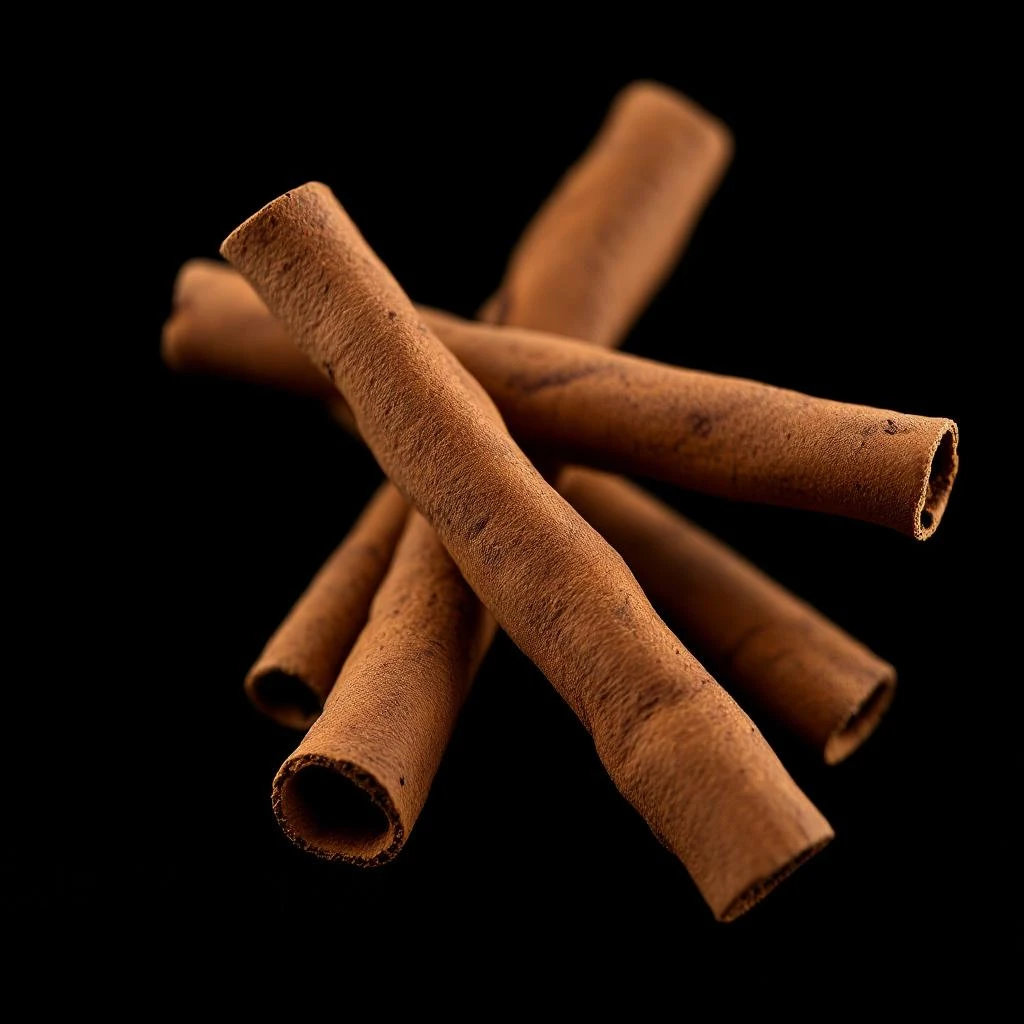
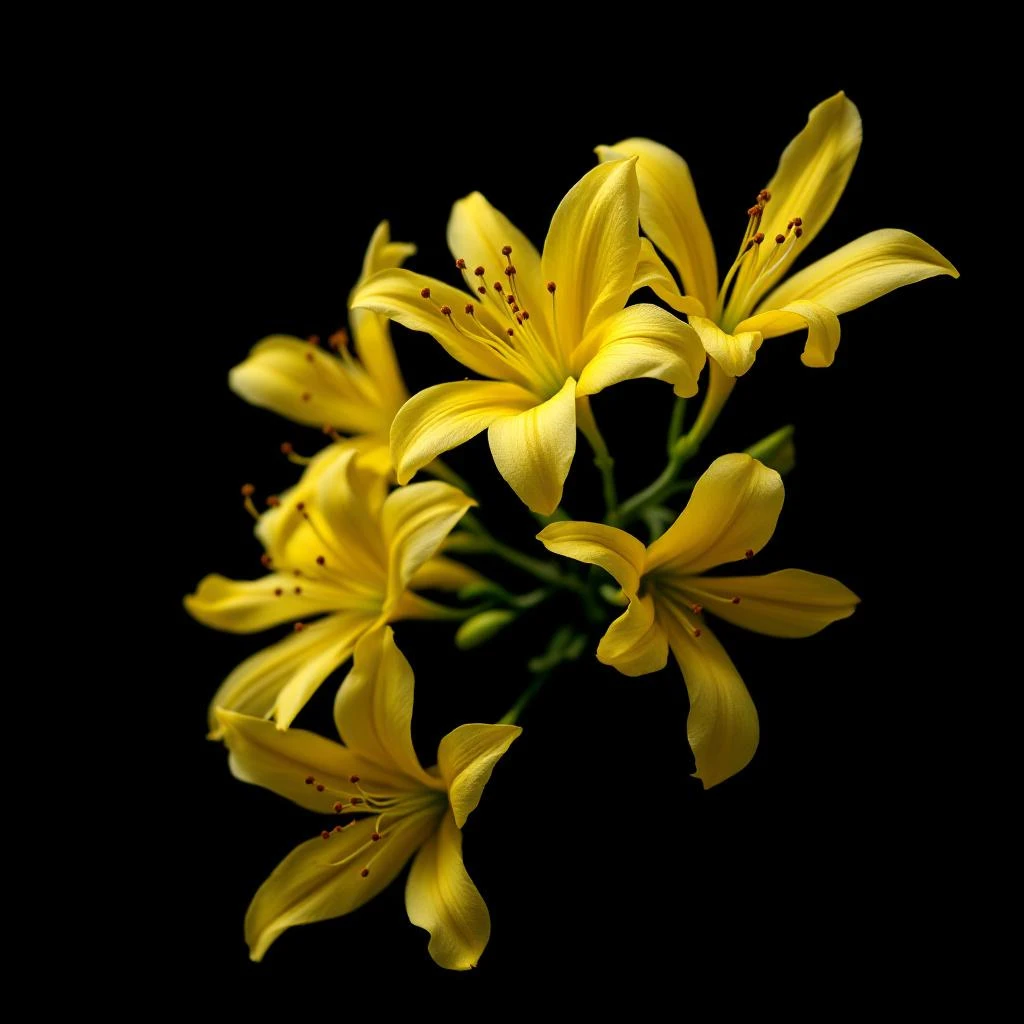
Yes. It pairs especially well with warm spices like cardamom and saffron, woody bases such as sandalwood, and floral hearts including rose and jasmine for a rich, culturally resonant composition.





