Mediterranean Sage
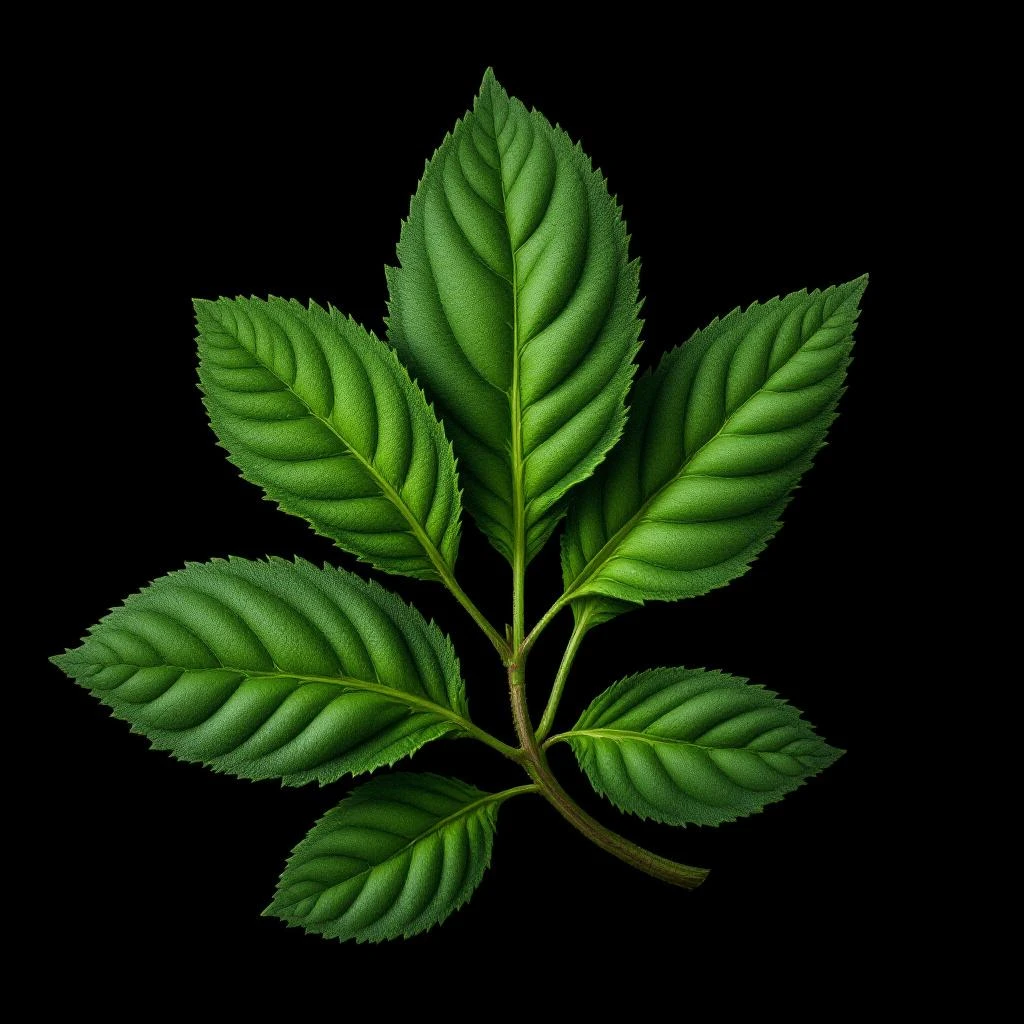
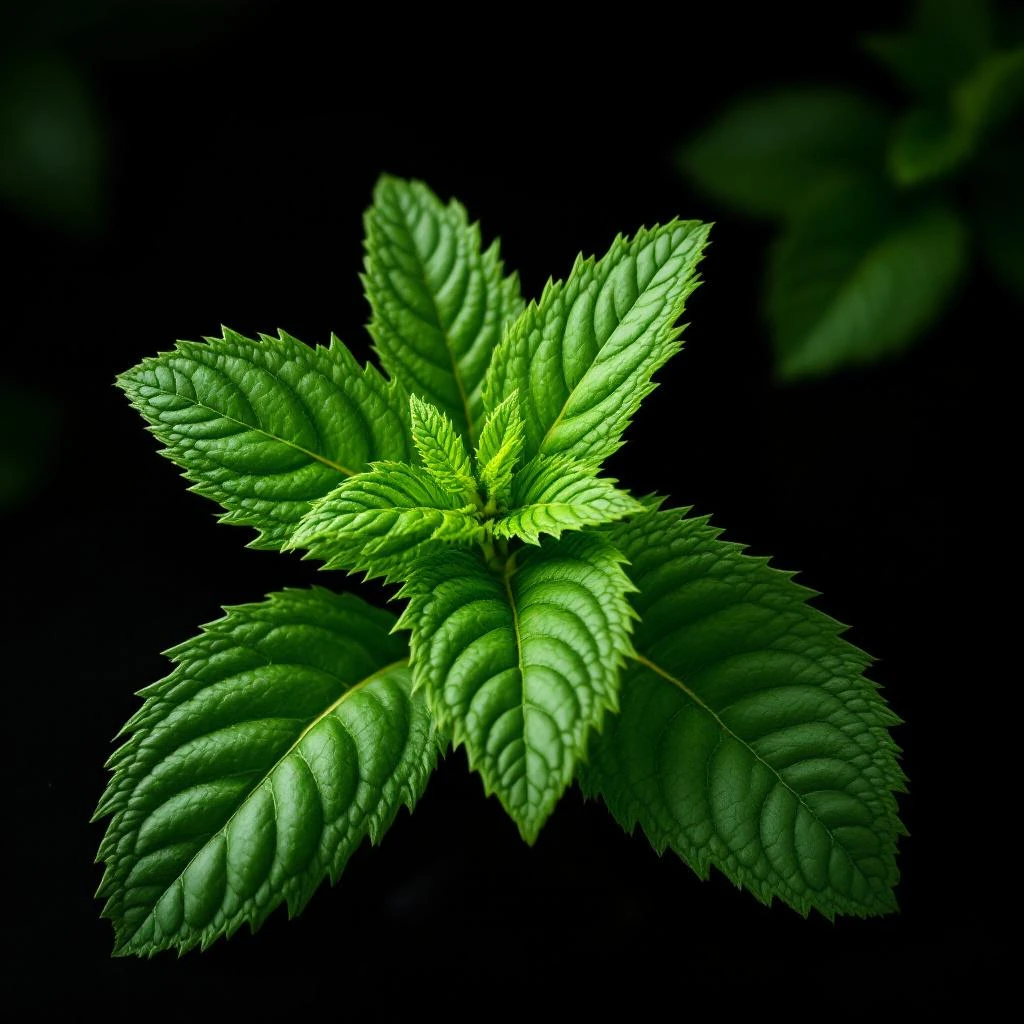
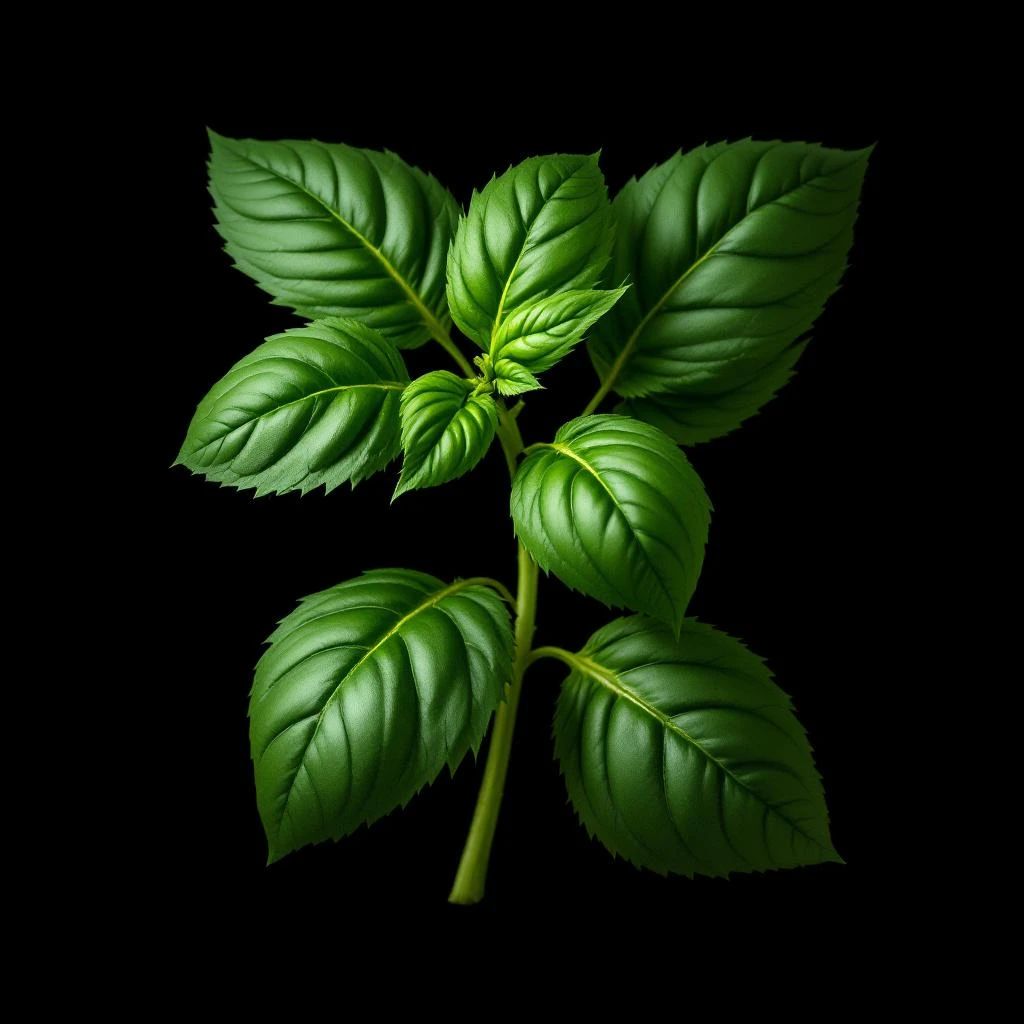
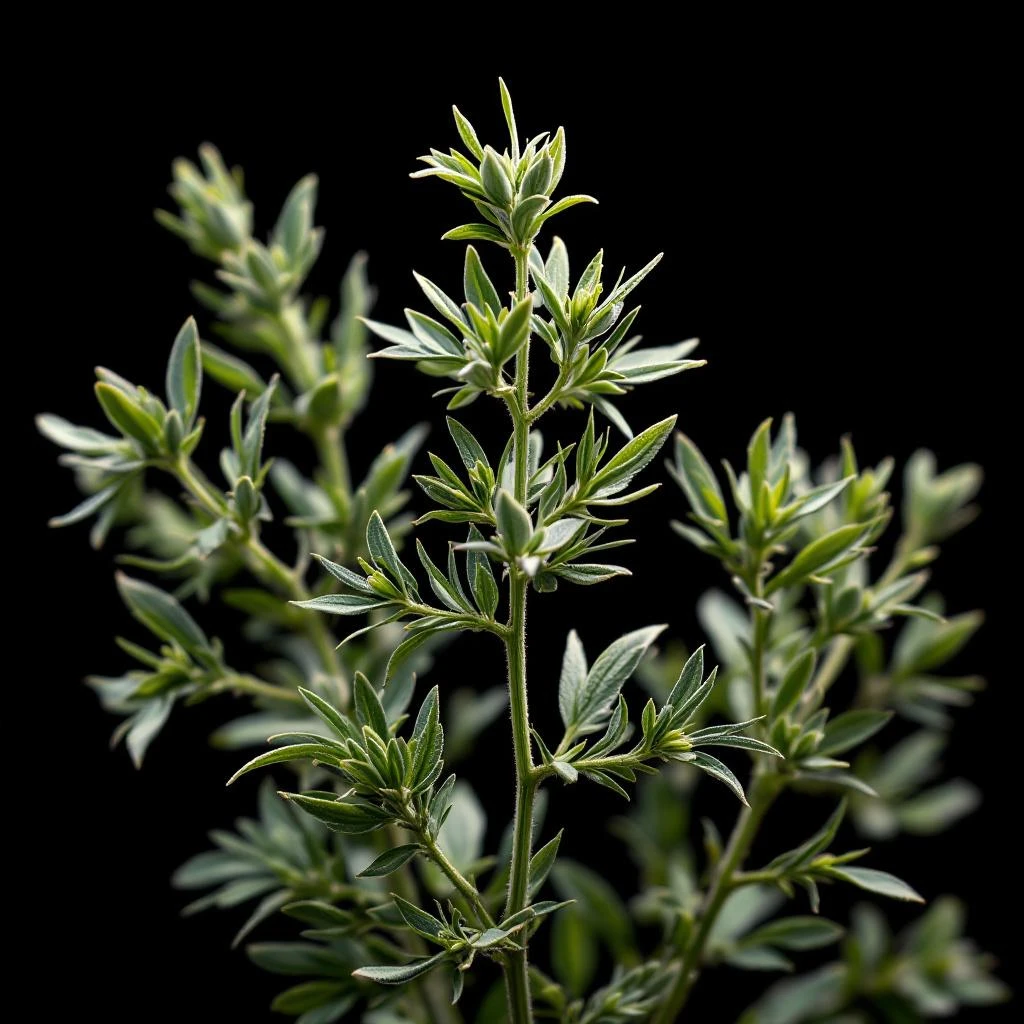
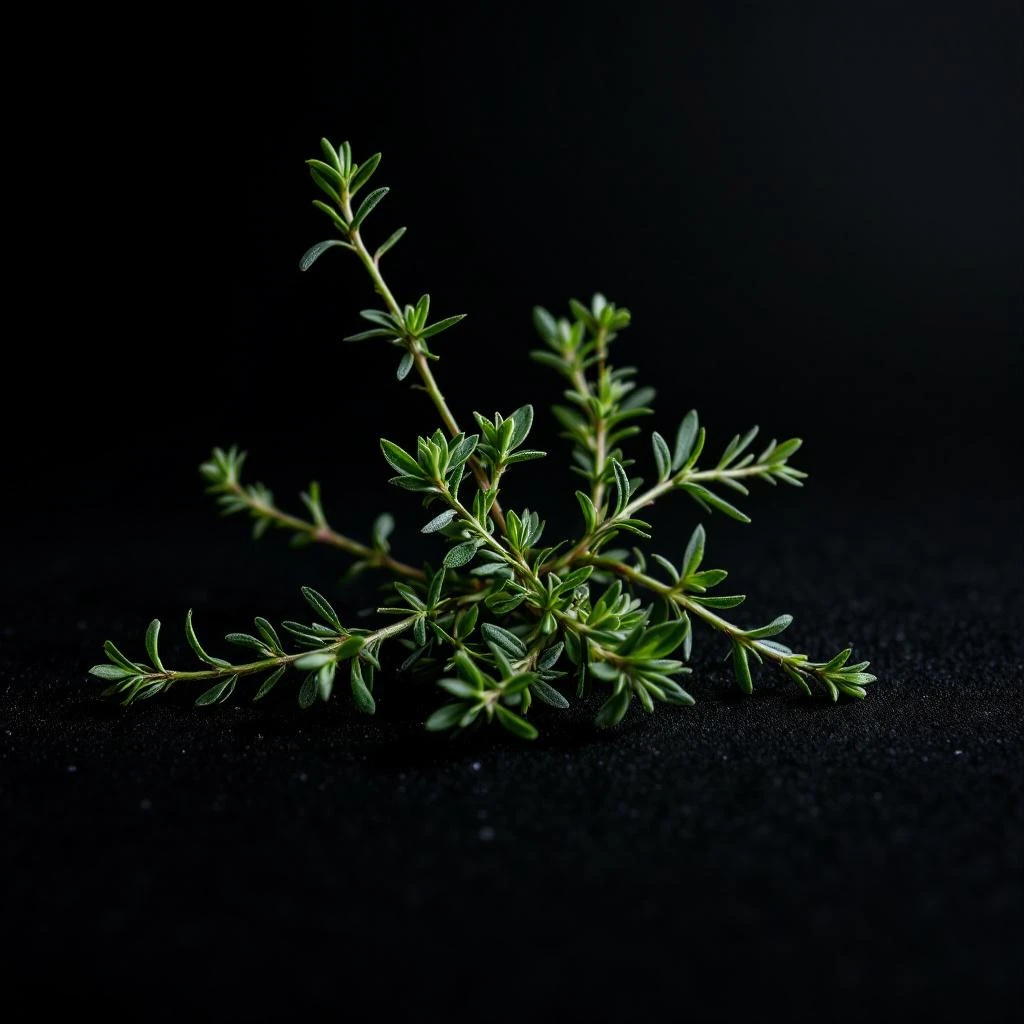
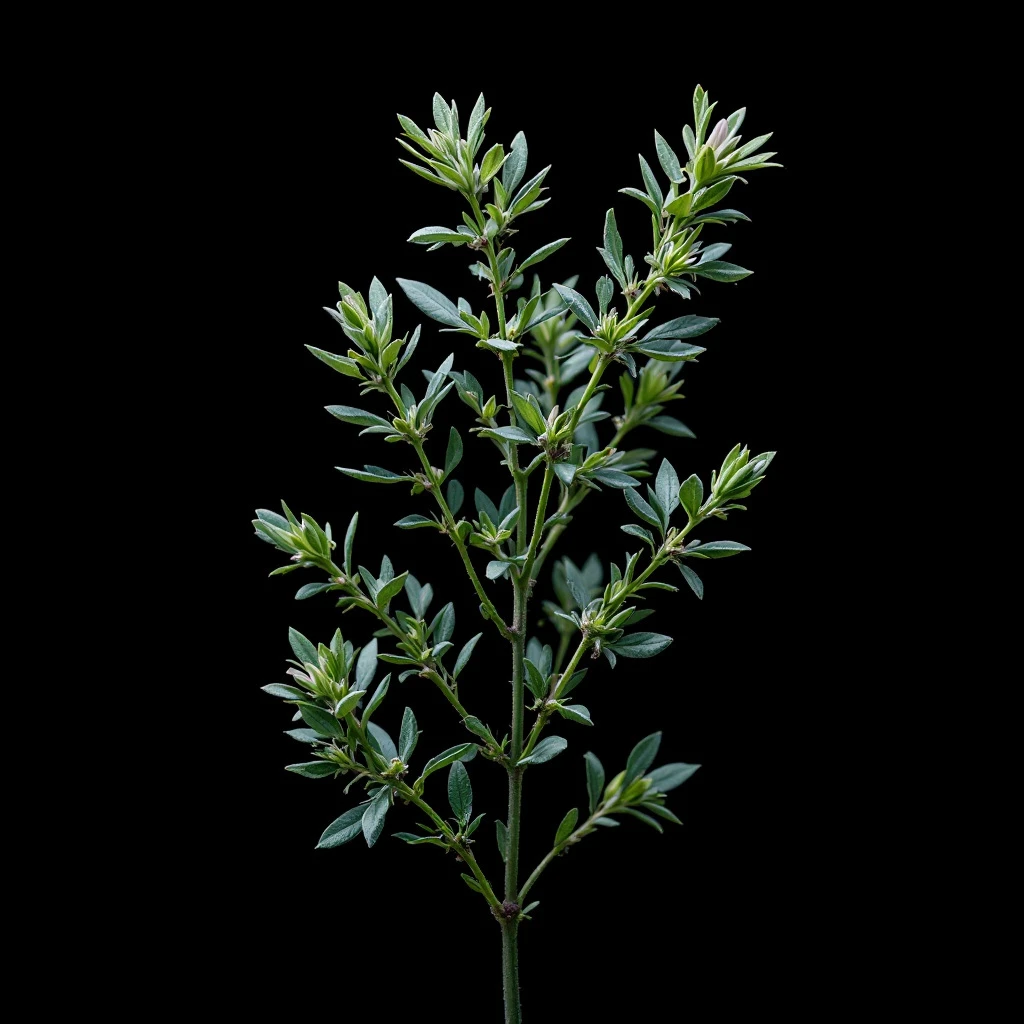
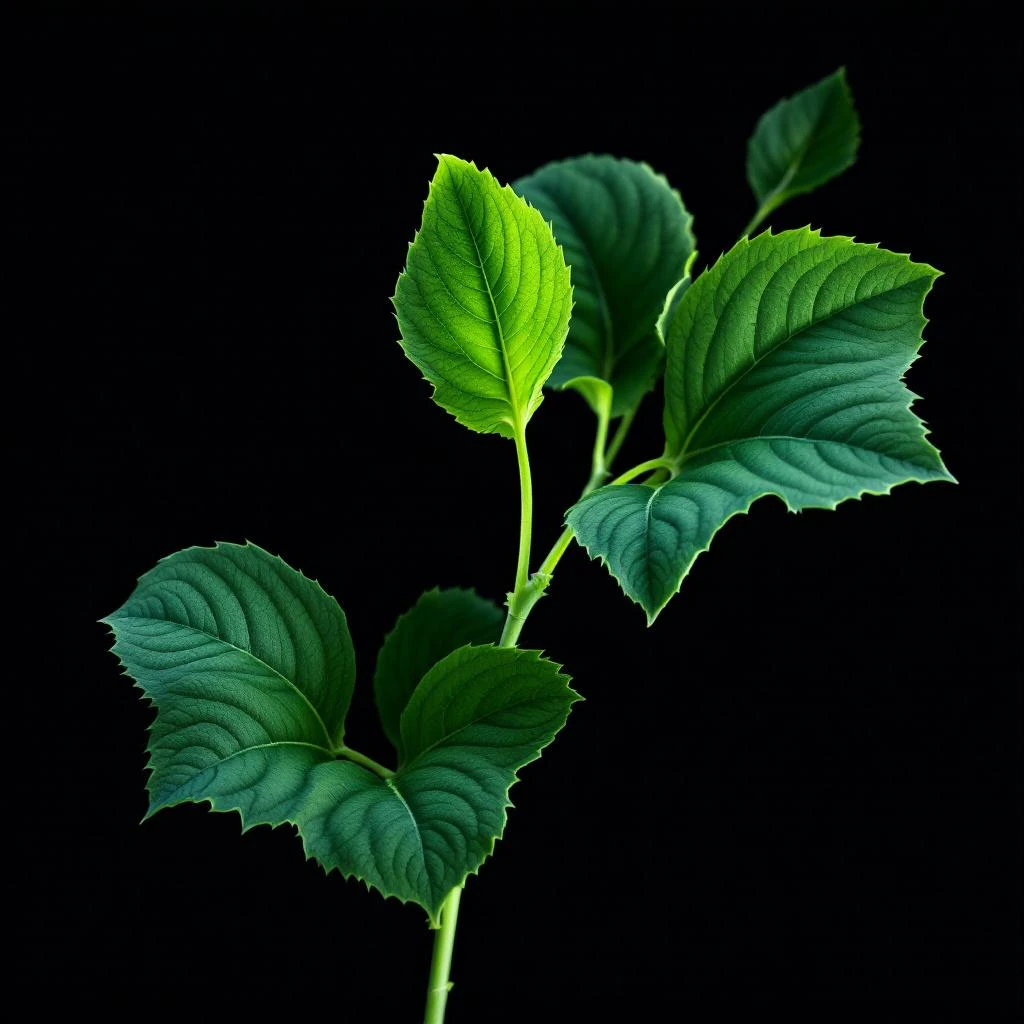
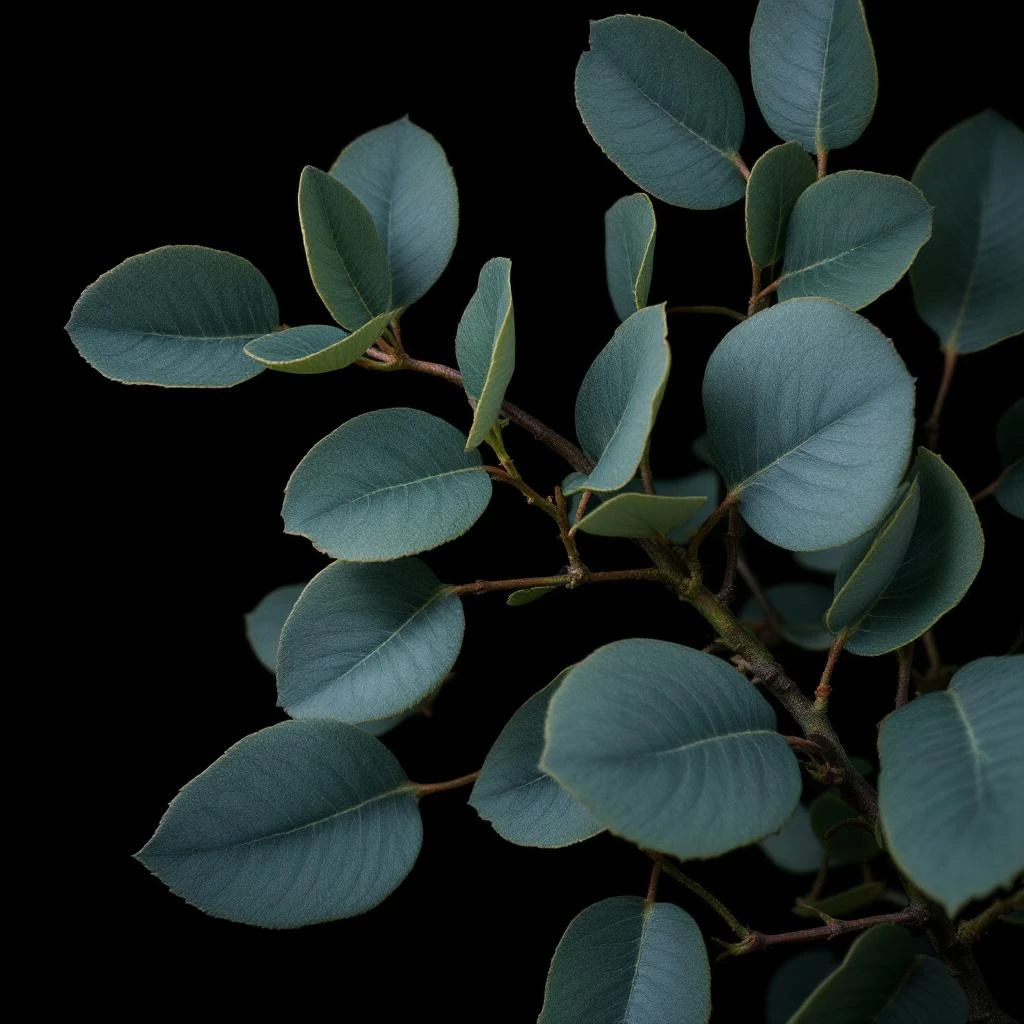
Mediterranean Sage carries the dry warmth of sun-baked hillsides: herbaceous, camphorated, and faintly floral. Its aromatic profile captures the essence of calcareous soils and coastal breezes in a single, grounding note.
Character
How it smells
Sun-dried hillsides in every drop.
Ancient Romans burned sage during ceremonies to purify spaces and ward off negative spirits.



Origin
Italy
Sage has served Mediterranean cultures for thousands of years, valued as much for its fragrance as for its healing properties. Ancient Egyptians incorporated sage into their aromatic preparations, while Greek physicians documented its use in medical texts. The Romans held the plant in such reverence that they developed elaborate harvesting ceremonies, sometimes even sacrificing iron tools to honor the spirit of the plant.
The name salvia derives from the Latin word meaning to save or heal, a testament to its long-standing reputation. Medieval monks maintained sage in their monastery gardens across Europe, considering it essential for both medicine and perfumery. When Renaissance perfumers began crafting more sophisticated fragrances, sage found its place in their palettes.
Its complex character appealed to those seeking herbal freshness tempered by warmth and a hint of medicinal quality. Blended with other botanicals, sage helped create compositions that evoked the Mediterranean landscape itself. Italian producers have carried this tradition forward, cultivating sage in the southern regions where calcareous soils and dry Mediterranean climates produce the most aromatic specimens.
Wears it best
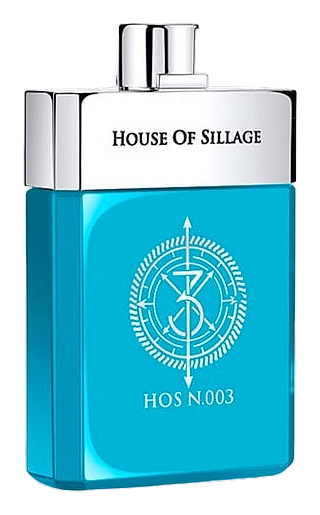
Fragrances featuring Mediterranean Sage
Brands
Brands known for Mediterranean Sage
Good to know
Questions, answered
The essentials on Mediterranean Sage in perfumery: how it smells, where it comes from, and how it behaves on skin.
What does Mediterranean Sage smell like?
Mediterranean Sage smells herbaceous and camphorated with dry, warm undertones and subtle floral hints. The calcareous soils of its Mediterranean origin lend earthy, mineral qualities that distinguish this variety from other sages.
How is sage oil extracted for perfumery?
Steam distillation extracts sage oil from dried leaves and flowering tops. This process typically runs 1-2 hours and yields a pale yellow essential oil prized for its clean, herbaceous character.
Where does Mediterranean Sage originate?
Italy and surrounding Mediterranean countries produce the finest aromatic sage. Southern Italy's calcareous soils and dry climate produce sage with exceptional aromatic complexity that perfumers seek out.
Is sage more common in men's or women's fragrances?
Sage works equally well across fragrance categories. It appears frequently in fresh masculine compositions and in elegant feminine fragrances that seek an herbal, natural character.
What ingredients pair well with sage in perfumery?
Sage harmonizes naturally with lavender, rosemary, citrus, and resinous woods. These combinations create balanced compositions that evoke Mediterranean landscapes and herbal gardens.
Does perfumery use natural or synthetic sage?
Natural sage dominates high-end perfumery, though synthetic versions exist for consistency and cost reasons. Natural extracts retain a complexity that synthetic alternatives struggle to replicate fully.
What fragrance families feature sage most prominently?
Sage appears prominently in aromatic, fougere, and herbal fragrance families. It also shows up in some chypre and contemporary fresh compositions seeking a natural, outdoorsy quality.
Why does terroir matter for sage?
Terroir significantly affects sage's aromatic profile. Italian sage from calcareous soils develops a distinctive mineral quality that perfumers actively seek out for premium formulations.