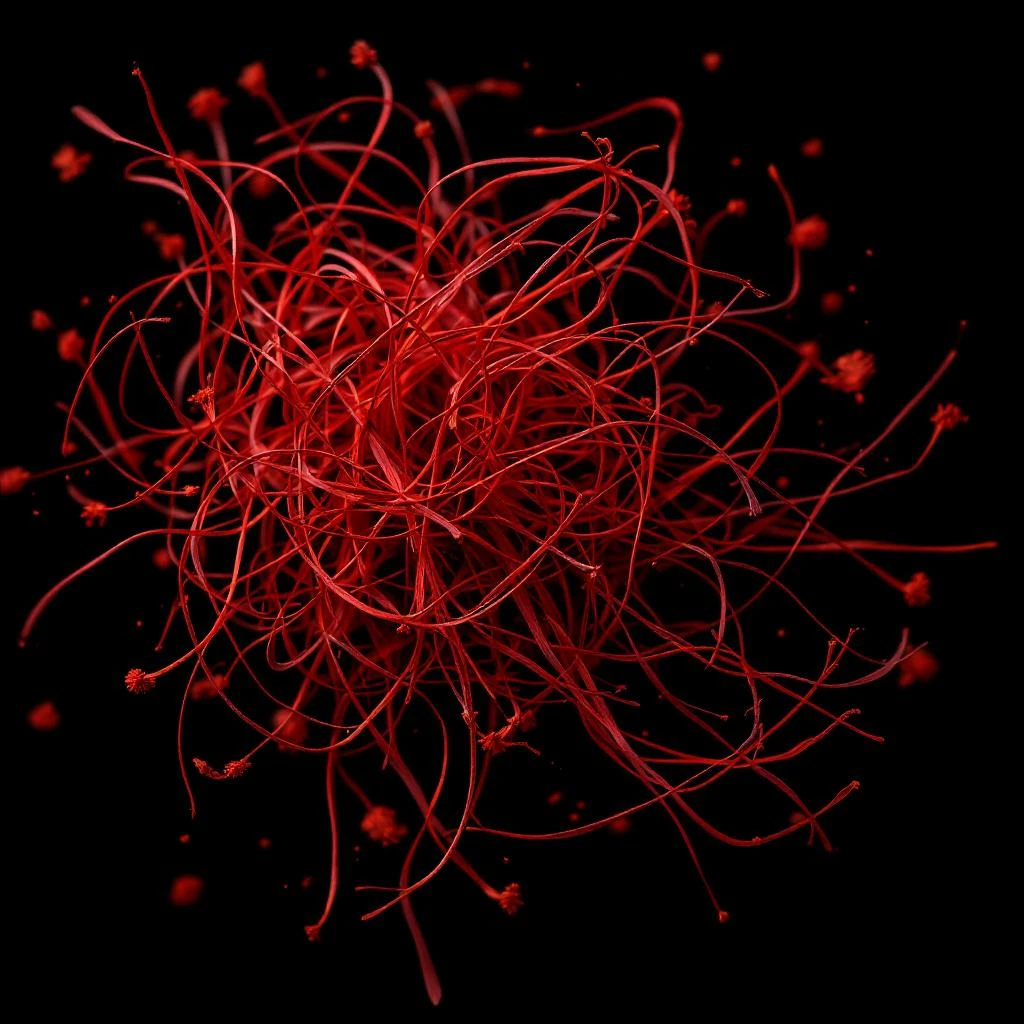
Mediterranean Saffron
Saffron delivers an intensely aromatic note that transforms fragrance into liquid gold. Its leathery, honeyed warmth has captivated perfumers since ancient civilizations discovered its power.
Character
How it smells
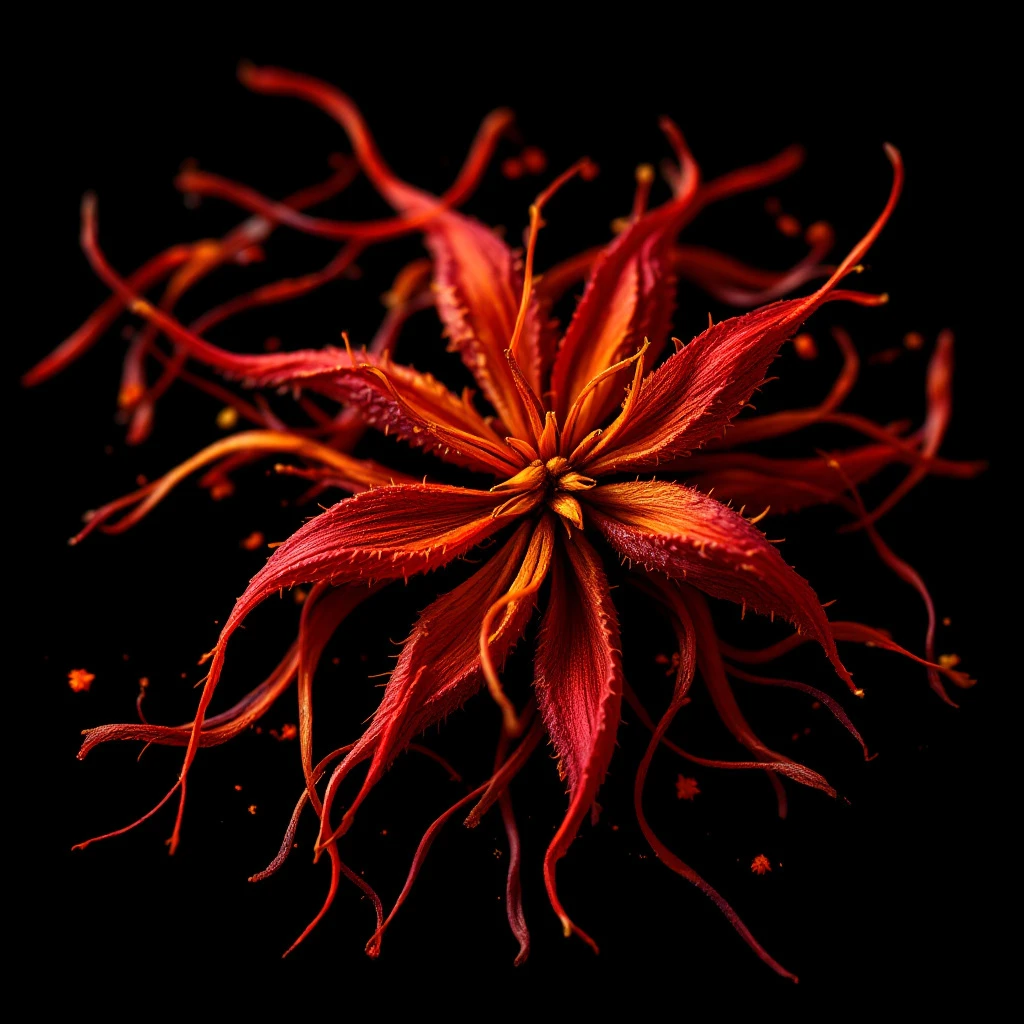
Ancient red gold. Leathery, honeyed warmth.
Saffron costs more than gold by weight. It takes roughly 150,000 hand-picked flowers to produce a single kilogram of saffron threads.





Origin
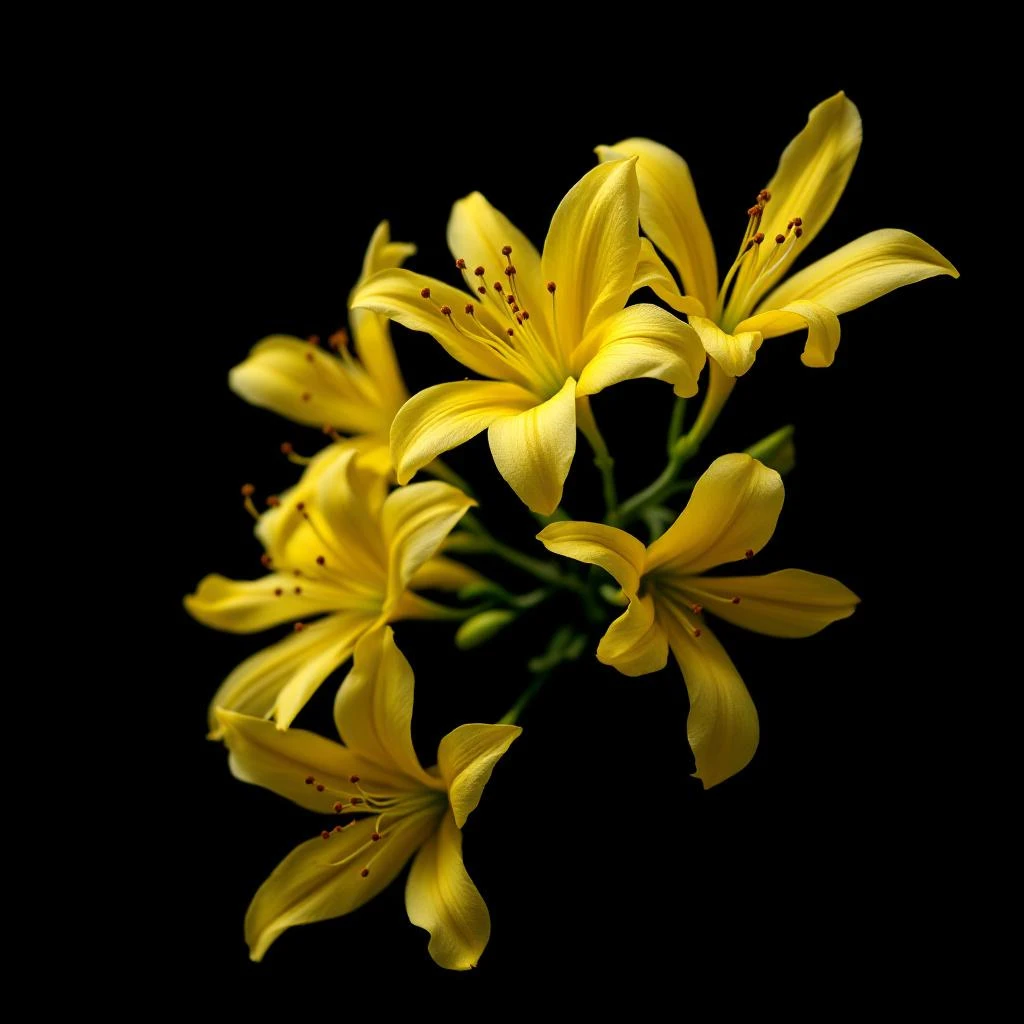
Iran
Saffron's perfumery heritage stretches back over three millennia. Archaeological evidence from the Akrotiri excavations on Santorini reveals frescoes depicting saffron threads dating to approximately 1500 BC, making this Mediterranean island one of the earliest documented uses of the spice for aromatic purposes. Greek and Roman civilizations embraced saffron enthusiastically.
On the island of Rhodes, Greeks wore pouches filled with saffron, while wealthy Romans scattered saffron petals at banquets and incorporated the spice into their finest perfumes. Originally native to Iran, particularly the Khorasan region, saffron spread westward through ancient trade routes connecting Arabia, Africa, India, and Europe. The 12th century marked a turning point when Arabian physicians developed distillation techniques, allowing perfumers to capture and concentrate saffron's precious aroma with unprecedented precision.
This convergence of cultivation, trade, and technical innovation cemented saffron's status as a cornerstone of Mediterranean perfumery that continues today.
Wears it best
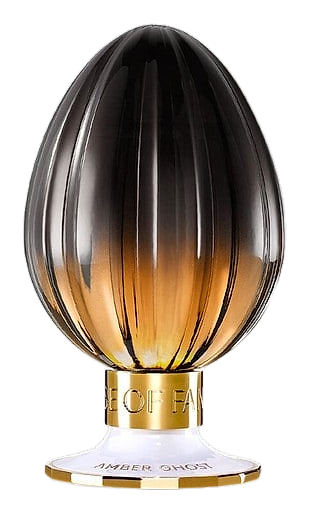
Fragrances featuring Mediterranean Saffron
Brands
Brands known for Mediterranean Saffron
Good to know
Questions, answered
The essentials on Mediterranean Saffron in perfumery: how it smells, where it comes from, and how it behaves on skin.
What does saffron smell like in perfumery?
Saffron delivers a distinctive honeyed, leathery, and slightly bitter character with animalic undertones. The note combines sweet medicinal warmth with dusty, aromatic complexity that evolves throughout wear.
Why is saffron so expensive?
Each crocus flower produces only three tiny stigmas, and all harvesting happens by hand. Producers need roughly 150,000 flowers to yield one kilogram, making saffron the world's costliest aromatic ingredient.
Where does Mediterranean saffron originate?
Saffron spread from Iran (Khorasan region) into Mediterranean cultivation zones including Greece, Morocco, and Spain. Ancient Greek frescoes on Santorini show saffron use dating to 1500 BC.
Is saffron used in natural or synthetic perfumery?
Both. Natural saffron absolute comes from solvent-extracted dried stigmas. Synthetic alternatives like safranal mimic specific facets but lack the full complexity of natural saffron.
How long has saffron been used in perfumery?
Archaeological evidence places saffron in Mediterranean perfumery at least 3,500 years ago. Greek and Roman civilizations used it extensively in luxury fragrances and cosmetics.
Can synthetic saffron replace natural saffron in fragrance?
No. While synthetics like safranal provide saffron-like notes, they cannot replicate the full aromatic spectrum of natural saffron absolute, including its honeyed-leathery complexity.
What gives saffron its characteristic aroma?
Saffron contains safranal, which provides the characteristic honeyed-spicy note, and picrocrocin, which contributes the slightly bitter, medicinal quality perfumers prize.
What fragrance families commonly feature saffron?
Saffron appears prominently in oriental, ambery, and spicy compositions. Its versatility also suits leather, woody, and even certain floral fragrances seeking warmth and exotic depth.