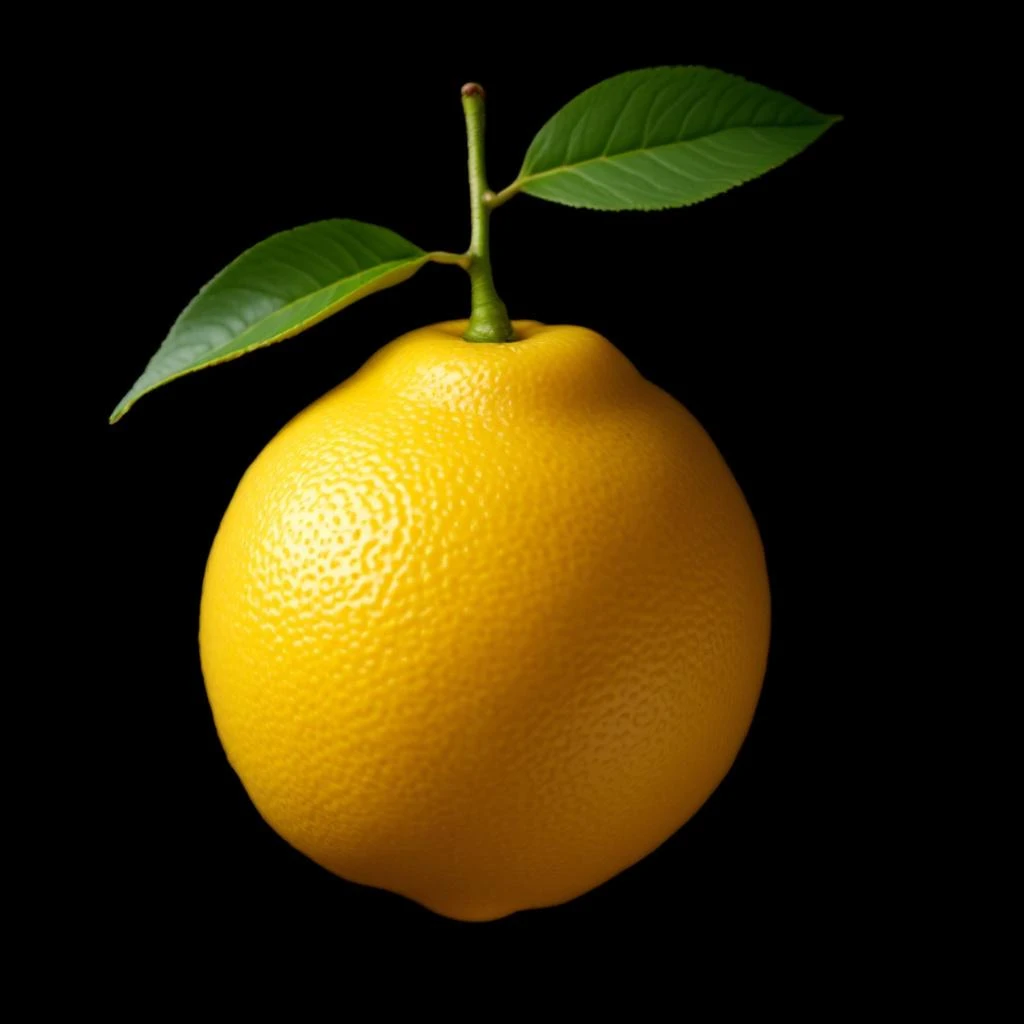
Mediterranean Lemon
Mediterranean Lemon brings concentrated citrus brightness to Silloria, with sparkling peel, juicy pulp and a clean aromatic lift shaped by sun-grown fruit.

Character
How it smells
Sunlit peel, sharply bright and effortlessly clean.
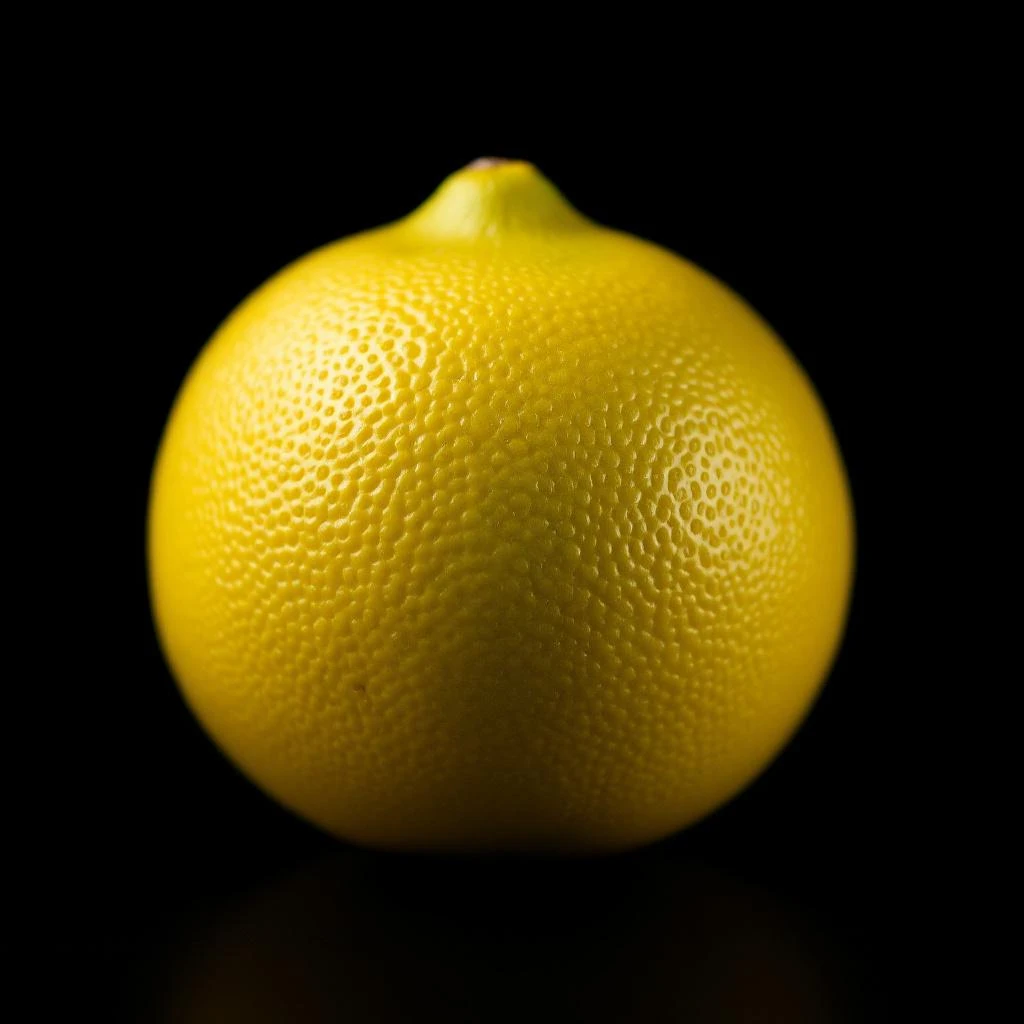
Lemon perfume oil comes from the peel, not the juice; pressing the rind releases its fragrant oils.





Origin
Italy
Lemon reached Europe through longstanding routes connecting South and Southeast Asia, Persia and the Middle East, then became established in Mediterranean cultivation and trade. Its place in perfumery developed alongside the region’s citrus traditions. In Italy, citrus peel has long been processed for fragrant products, while lemon became especially visible in European fragrance culture during the rise of fresh citrus colognes.
The 18th-century term “cologne” described a family of fresh, citrus-based fragrances associated with ingredients such as lemon, bergamot and orange. That history explains why lemon remains closely linked with cologne: it contributes a clear, luminous top note that feels both classic and immediately readable. Its perfume oil is not distilled from the pulp.
It is obtained from the outer peel by cold pressing, a practical expression of how fruit by-products and crop traditions shaped natural ingredient production. Modern perfumery continues to use lemon oil for its bright lift, often balancing its sharp rind profile with softer floral, herbal or woody materials.
Wears it best
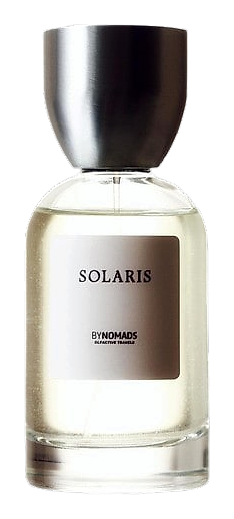
Fragrances featuring Mediterranean Lemon
Brands
Brands known for Mediterranean Lemon
Good to know
Questions, answered
The essentials on Mediterranean Lemon in perfumery: how it smells, where it comes from, and how it behaves on skin.
What does Mediterranean Lemon smell like in perfume?
It smells bright, clean and slightly rind-like, with a juicy citrus impression. The peel supplies the fragrant oil, while compounds such as limonene and citral shape its lively profile.
Where is Mediterranean Lemon sourced?
Italy is the primary reference origin, especially regions such as Sicily with strong Mediterranean citrus traditions. Sourcing can vary by supplier and crop, so the exact fruit origin depends on the oil used.
How is lemon essential oil made?
Perfume-grade lemon oil is usually made by cold-pressing the outer peel. This method avoids heat and preserves a fresh, expressive citrus character suited to top-note fragrance.
Why is lemon used at the top of a perfume?
Lemon oil is volatile and spreads readily, giving a fragrance an immediate opening impression. Its bright profile then makes way to slower-evolving middle and base notes.
Is lemon oil made from lemon juice?
No. The aromatic oil is held mainly in glands in the outer peel, not in the juice. The fruit’s pulp contributes the idea of juiciness, while the peel supplies the perfume material.
What is the history of lemon in European perfume?
Lemon became part of the European citrus tradition and later featured in fresh citrus fragrances described as cologne. Its bright, peel-derived character has remained useful for centuries in perfumery.
Does Mediterranean Lemon mean a specific lemon variety?
The name usually points to a citrus note profile rather than one strictly defined cultivar. Its exact aroma depends on the fruit source, harvest and pressing quality.
How long does lemon fragrance last?
Lemon is usually a fleeting top note because its citrus molecules evaporate readily. In a well-composed perfume, supporting materials help the fragrance remain perceptible longer.