Mediterranean Blossoms
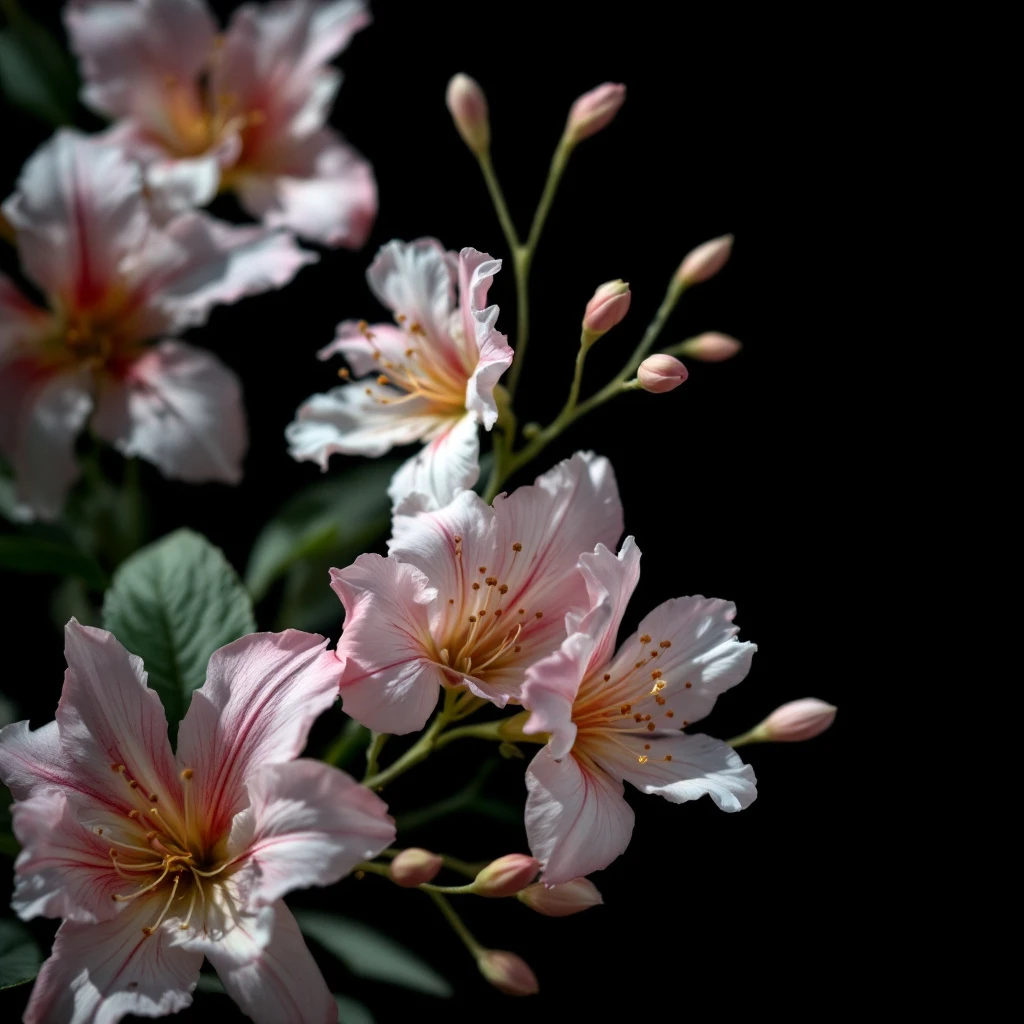
Mediterranean Blossoms captures the sun-drenched floral accord of citrus orchards and coastal gardens. Orange flower, jasmine, and tuberose combine into a luminous, white floral heart prized across centuries of perfumery.
Character
How it smells
Sun-warmed petals from the citrus coast
Orange blossom trees produce two distinct perfumery materials from the same flower: neroli from steam distillation and absolute from solvent extraction, each smelling entirely different.






Origin
Tunisia
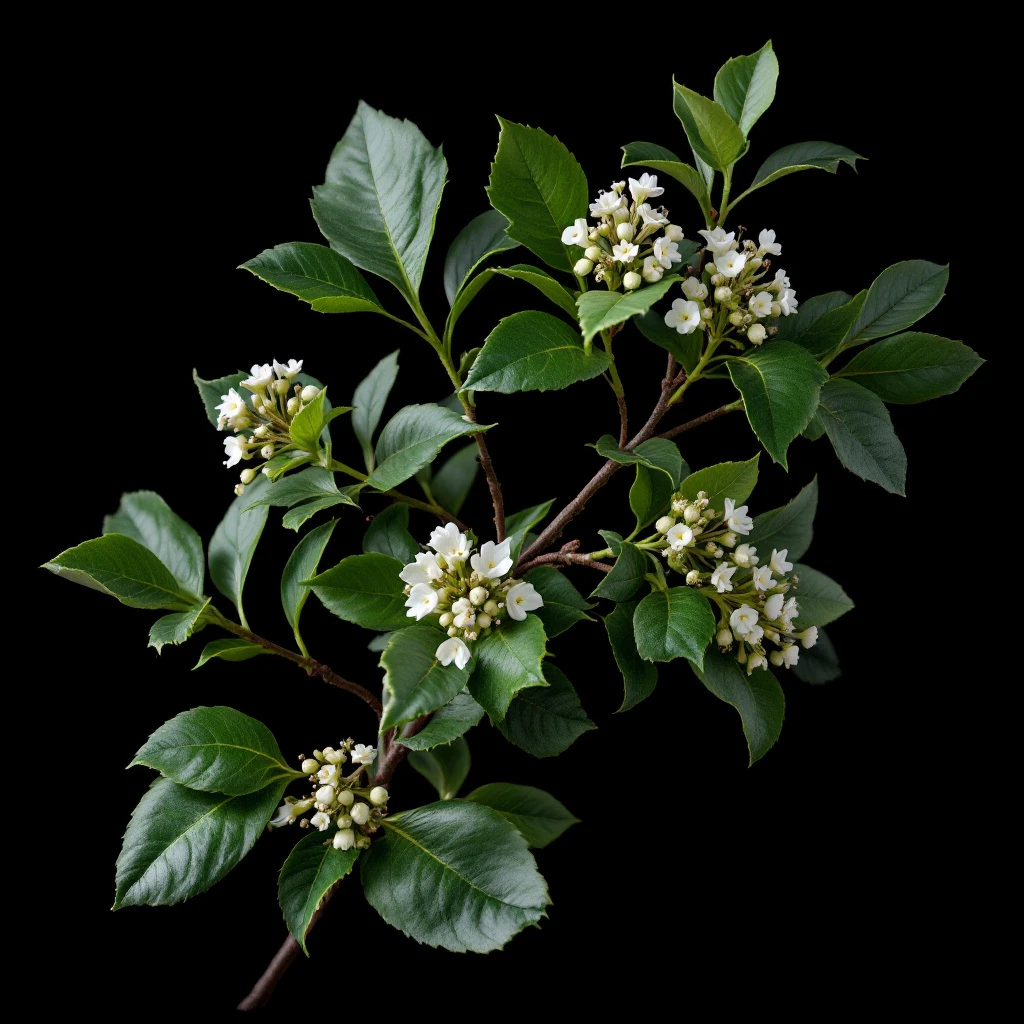
The flowers grouped under Mediterranean Blossoms carry a heritage spanning ancient Egypt, where aromatic oils and unguents were central to ritual and daily life, through the Greek and Roman adoption of floral scents for bathing and anointing. Islamic civilization refined flower harvesting and distillation, particularly in Tunisia and Andalusia, where rose water and orange flower water became staples of perfumery and cuisine. In France, orange blossom cultivation for fragrance began in the early 19th century, centered in the Nice and Grasse regions, though production declined by roughly fifty years ago as land yields gave way to development.
Jasmine production similarly migrated from France to Egypt and India, where lower labor costs allowed the painstaking hand-picking required at dawn. Today these blossoms anchor some of the most iconic compositions in modern perfumery, a direct lineage from ancient apothecary jars to contemporary bottles.
Wears it best
Fragrances featuring Mediterranean Blossoms
Brands
Brands known for Mediterranean Blossoms
Good to know
Questions, answered
The essentials on Mediterranean Blossoms in perfumery: how it smells, where it comes from, and how it behaves on skin.
What does Mediterranean Blossoms smell like?
It smells like a sun-warmed blend of orange flower, jasmine, and tuberose, bright, honeyed, and indolic. The accord evokes citrus orchards along the North African coast in spring. It is one of the most iconic floral combinations in classical perfumery.
Is Mediterranean Blossoms a single flower?
No. Mediterranean Blossoms is an accord combining several flowers, typically orange blossom, jasmine grandiflorum, and tuberose. Each flower is harvested and extracted separately, then blended. This technique allows perfumers to capture a regional scent profile rather than a single botanical.
Where is Mediterranean Blossoms grown?
The component flowers are primarily cultivated in Tunisia, Egypt, and southern France. Tunisia leads in orange blossom production, while Egypt is the largest source of jasmine grandiflorum. Grasse, France, remains a historical center though volumes have declined significantly since the 1970s.
How is orange blossom extracted for perfume?
Orange blossom yields two distinct materials: neroli essential oil via steam distillation, and orange flower absolute via solvent extraction. Both come from the same freshly picked Citrus aurantium petals, yet they smell quite different, neroli being fresh and neroli-like, the absolute richer and more honeyed.
Why is jasmine so expensive in perfumery?
Jasmine grandiflorum must be hand-picked at dawn before the sun volatilizes its scent molecules. Roughly 8,000 flowers yield one kilogram of absolute. The labor-intensive harvest, concentrated in Egypt and India, keeps jasmine among the most costly natural perfume ingredients worldwide.
What is the history of orange blossom in perfumery?
Orange blossom was cultivated for perfumery in France from the early 1800s, centered in the Nice and Grasse regions. Its use traces back further to Islamic perfumery in Andalusia and Tunisia, where orange flower water became a staple. Production in France declined substantially starting around the 1970s.
Are Mediterranean floral ingredients natural or synthetic?
Genuine Mediterranean blossom extracts are natural, produced through steam distillation or solvent extraction. Synthetic alternatives exist for budget compositions, but high-end perfumery relies on the natural absolutes and essential oils. Synthetic versions cannot fully replicate the complexity of hand-harvested blossoms.
What perfumes feature Mediterranean Blossoms?
Many iconic compositions highlight this accord, including classic French extraits featuring neroli and jasmine grandiflorum, alongside modern oriental and floral fragrances. Orange blossom absolute appears prominently in Guerlinade-style compositions and contemporary niche releases rooted in the Grasse tradition.





