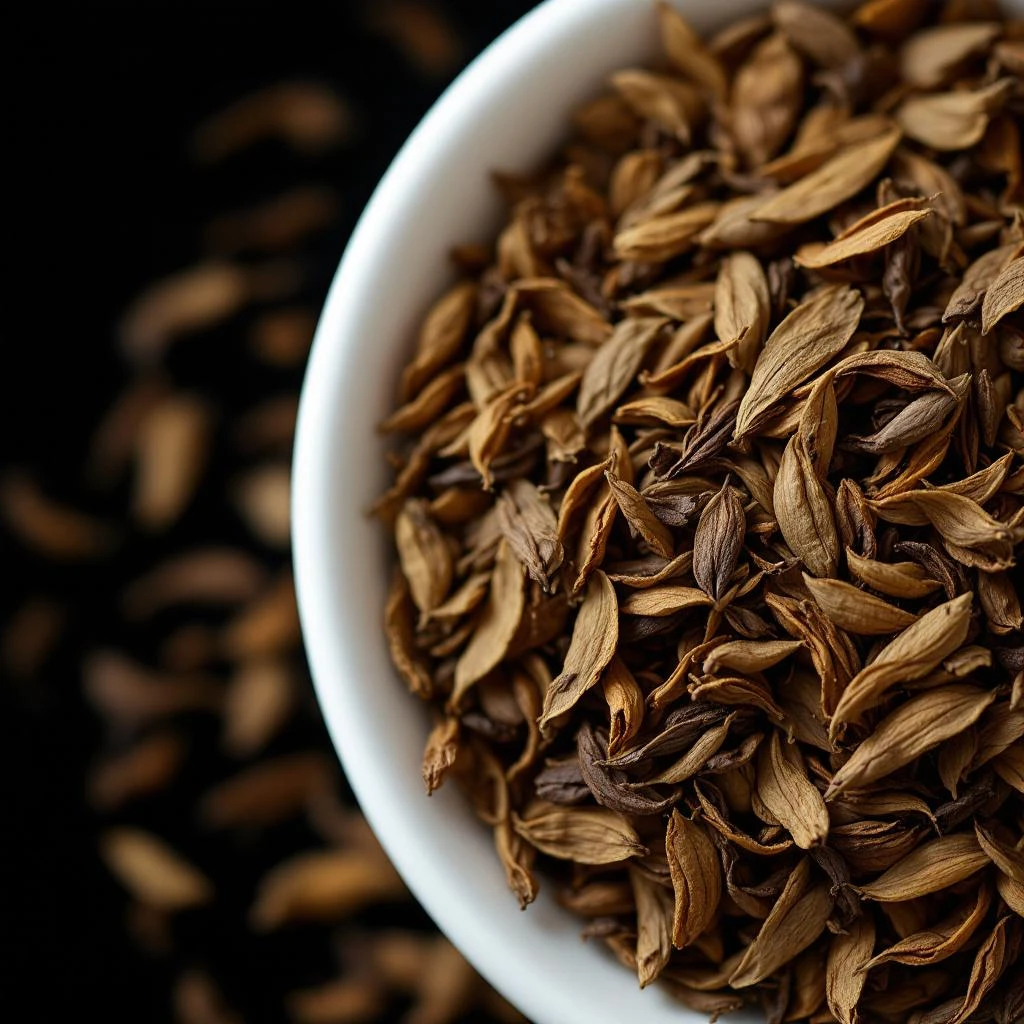
Mastic Leaf
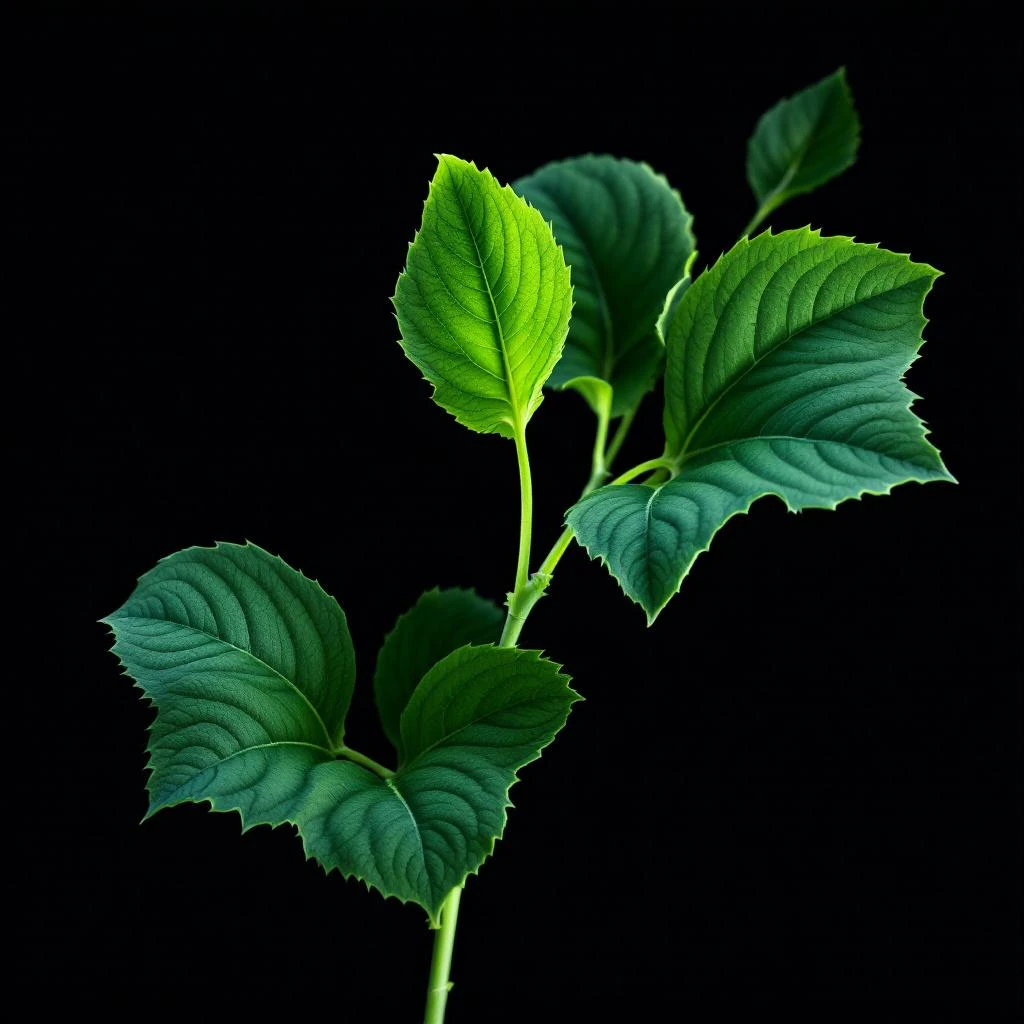
From the sun-drenched hillsides of Chios, mastic leaf carries the Mediterranean spirit into modern perfumery. This botanical captures the resinous, green elegance that has enchanted makers since antiquity.
Character
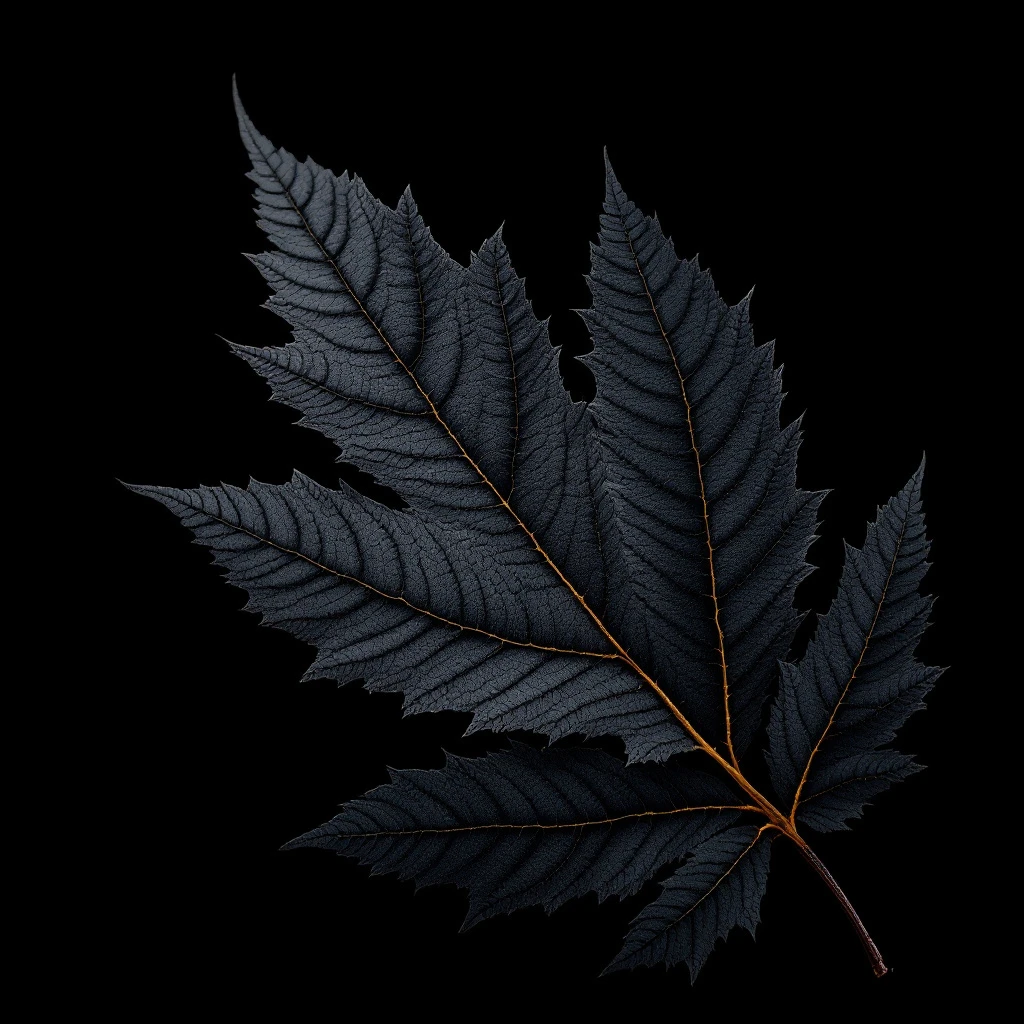
How it smells
Mediterranean resin meets verdant freshness
Chios mastic was once accepted as currency for paying taxes to Ottoman rulers, a testament to its extraordinary value.



Origin
Greece
The Pistacia lentiscus var. Chia has grown exclusively on Chios island for millennia, developing a unique biochemical profile found nowhere else. Ancient Greek physicians documented mastic's therapeutic uses extensively, while Egyptian embalmers prized it for funerary preparations.
Historical texts from the Byzantine era describe Chios mastic as a luxury commodity traded across the Mediterranean. The island's guild system regulated harvesting, with punishments severe enough to protect these irreplaceable trees from over-exploitation. Medieval Arabian physicians adopted mastic into their pharmacopoeia, prescribing it for digestive complaints.
The resin's sacred associations persisted through antiquity, earning the epithet 'the fragrance that pleases the gods.' Modern perfumery rediscovered mastic leaf as a distinctive aromatic material that bridges ancient tradition and contemporary creativity.
Wears it best
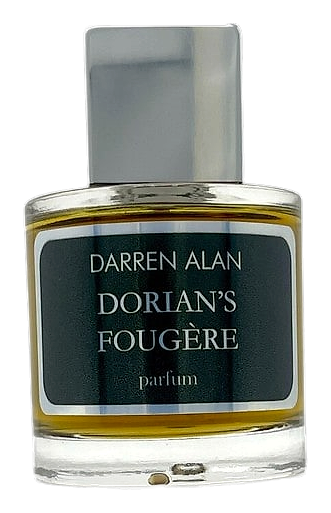
Fragrances featuring Mastic Leaf
Brands
Brands known for Mastic Leaf
Good to know
Questions, answered
The essentials on Mastic Leaf in perfumery: how it smells, where it comes from, and how it behaves on skin.
What does mastic leaf smell like?
It offers a fresh, resinous aroma with green and terebinthine facets. The scent balances herbal sharpness with a warm, balsamic undertone reminiscent of pine and cypress.
Where does mastic leaf oil come from?
The finest mastic leaf material originates from Chios, Greece, where Pistacia lentiscus var. Chia grows exclusively. The island's unique climate and soil create the plant's distinctive aromatic profile.
How is mastic leaf essential oil produced?
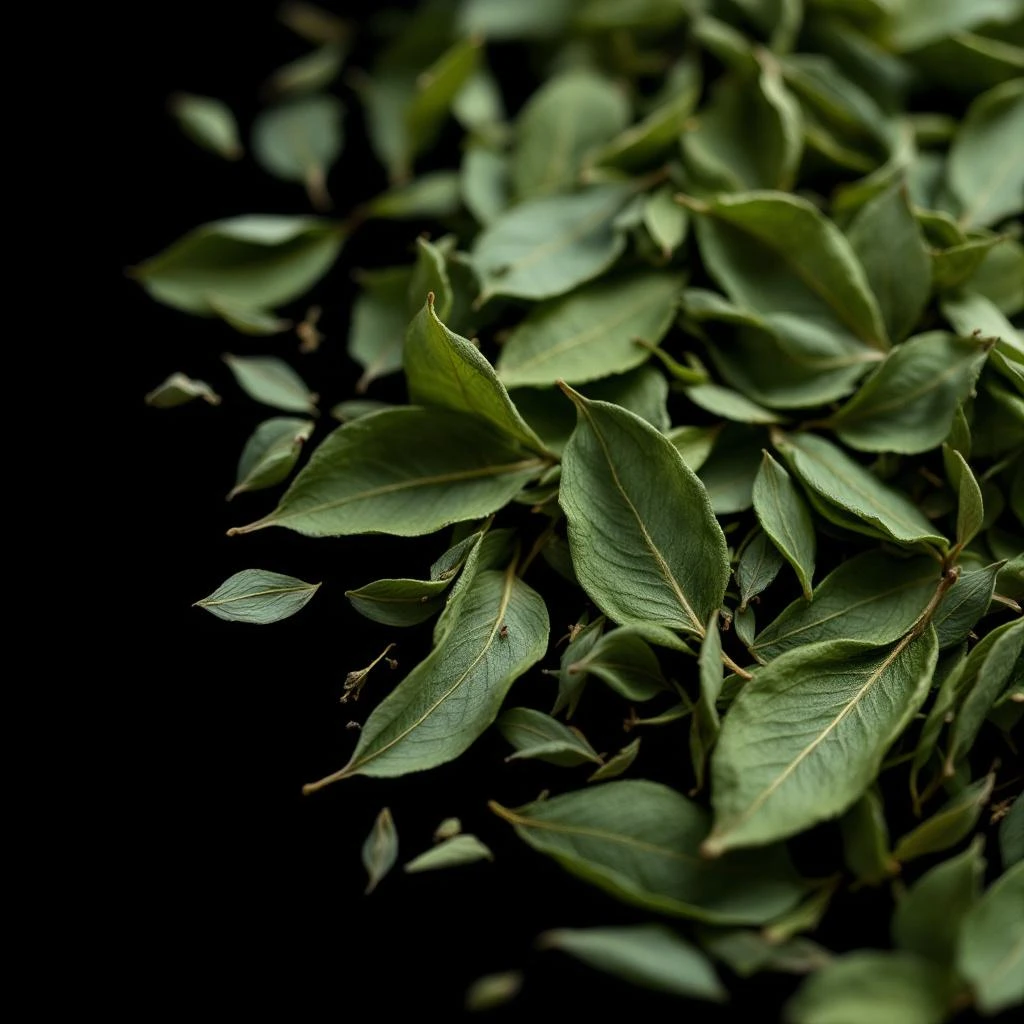
Producers harvest leaves during summer peak season, then immediately steam distill them. The process requires 4-6 hours per batch, with yields around 0.1-0.5 percent by weight.
What fragrance families pair well with mastic leaf?
It performs exceptionally in chypre, aromatic, and fougere compositions. Citrus, lavender, and woody notes create complementary contrasts that enhance mastic's unique character.
Is mastic leaf a natural ingredient?
Yes, when properly labeled, it comes entirely from plant material. Steam distillation preserves the natural aromatic compounds without synthetic intervention.
What is the shelf life of mastic leaf absolute?
Properly stored in dark glass bottles away from heat, mastic leaf oil maintains its character for 2-3 years. Oxygen exposure accelerates degradation.
How much raw material is needed for production?
Distillers typically require approximately 200-500 kilograms of fresh leaves to produce one kilogram of essential oil, reflecting the ingredient's concentrated nature.
Can mastic leaf cause skin sensitivity?
As with many natural absolutes, patch testing is advisable. The oil contains limonene and other compounds that may trigger reactions in sensitive individuals.