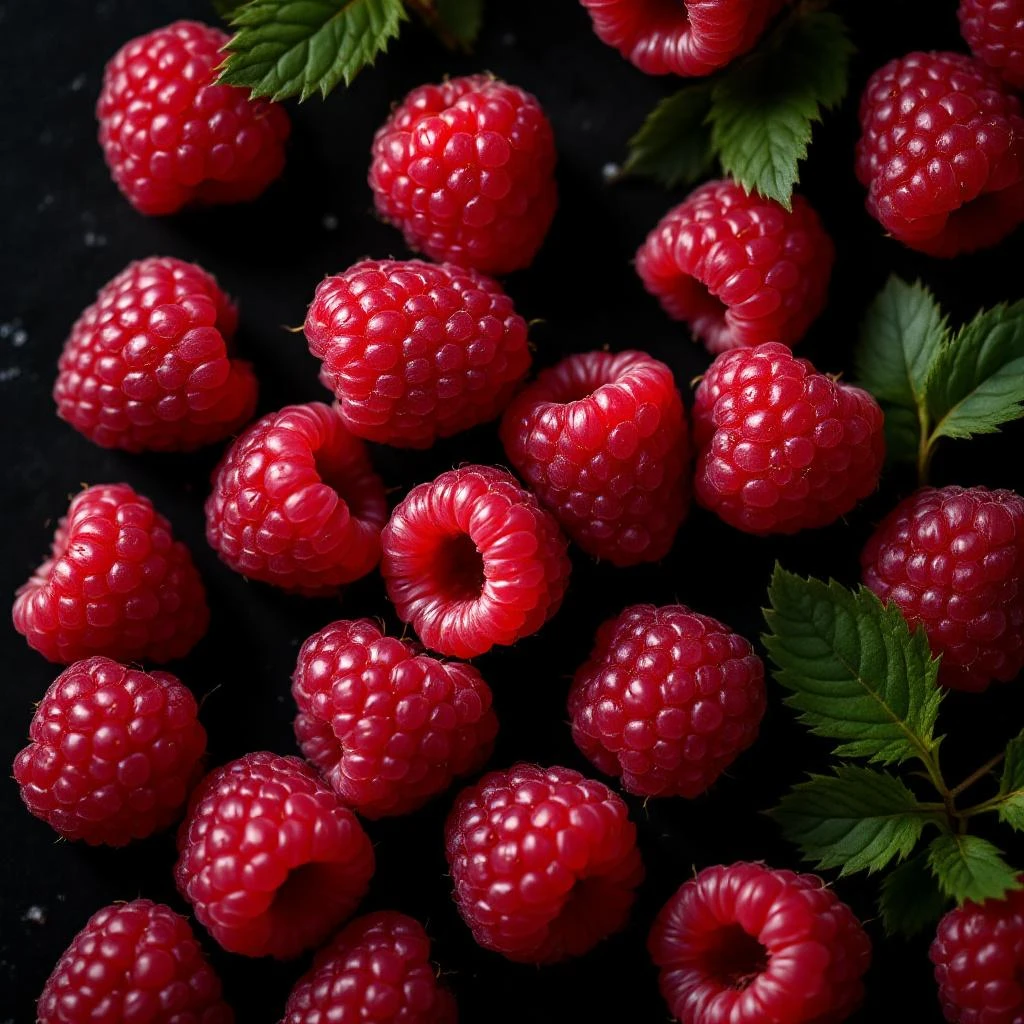
Marian Plum
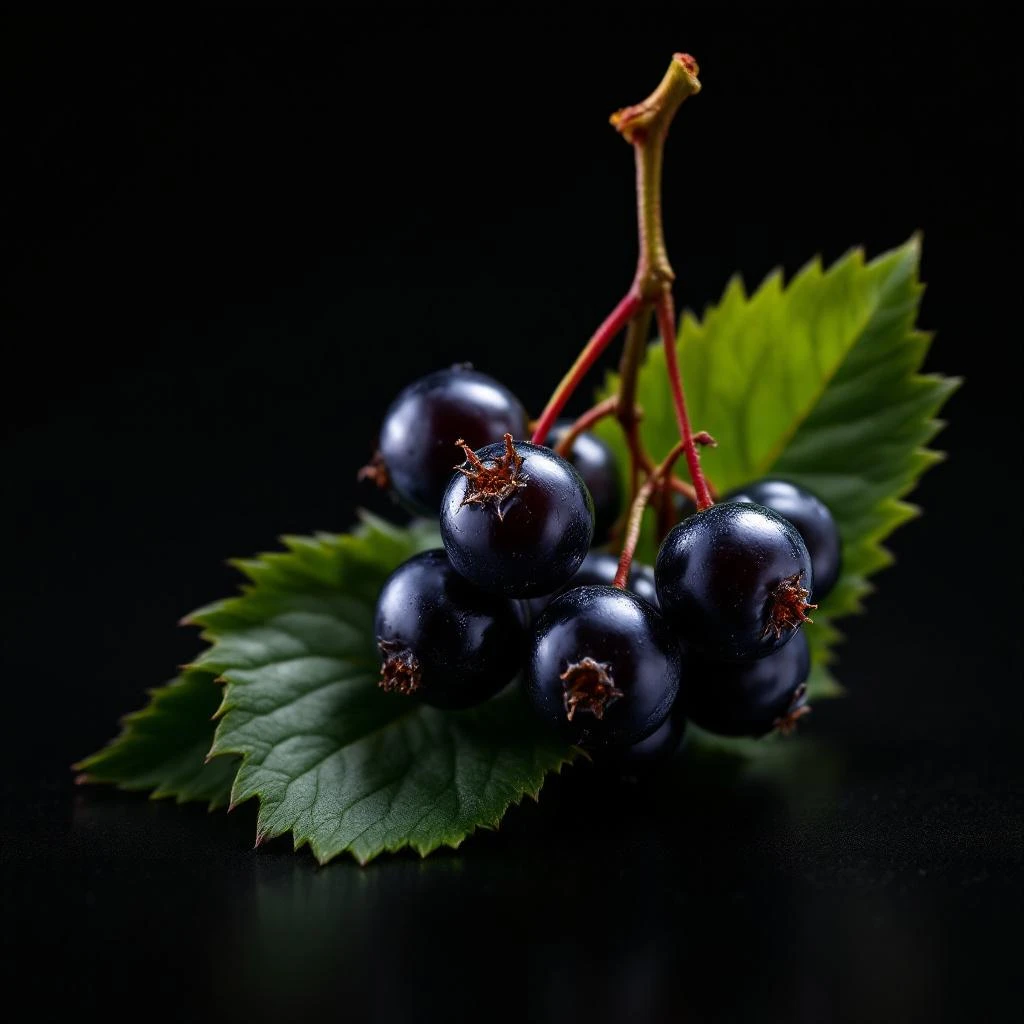
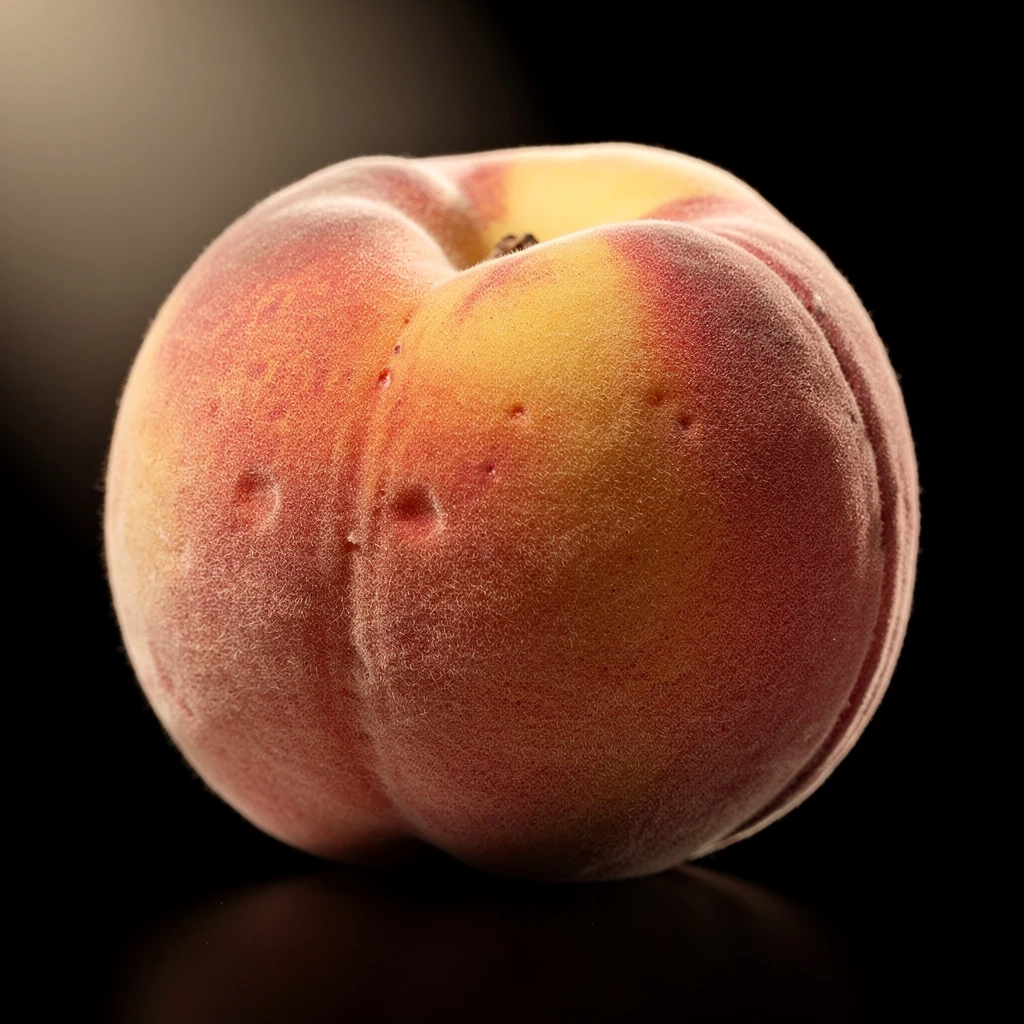
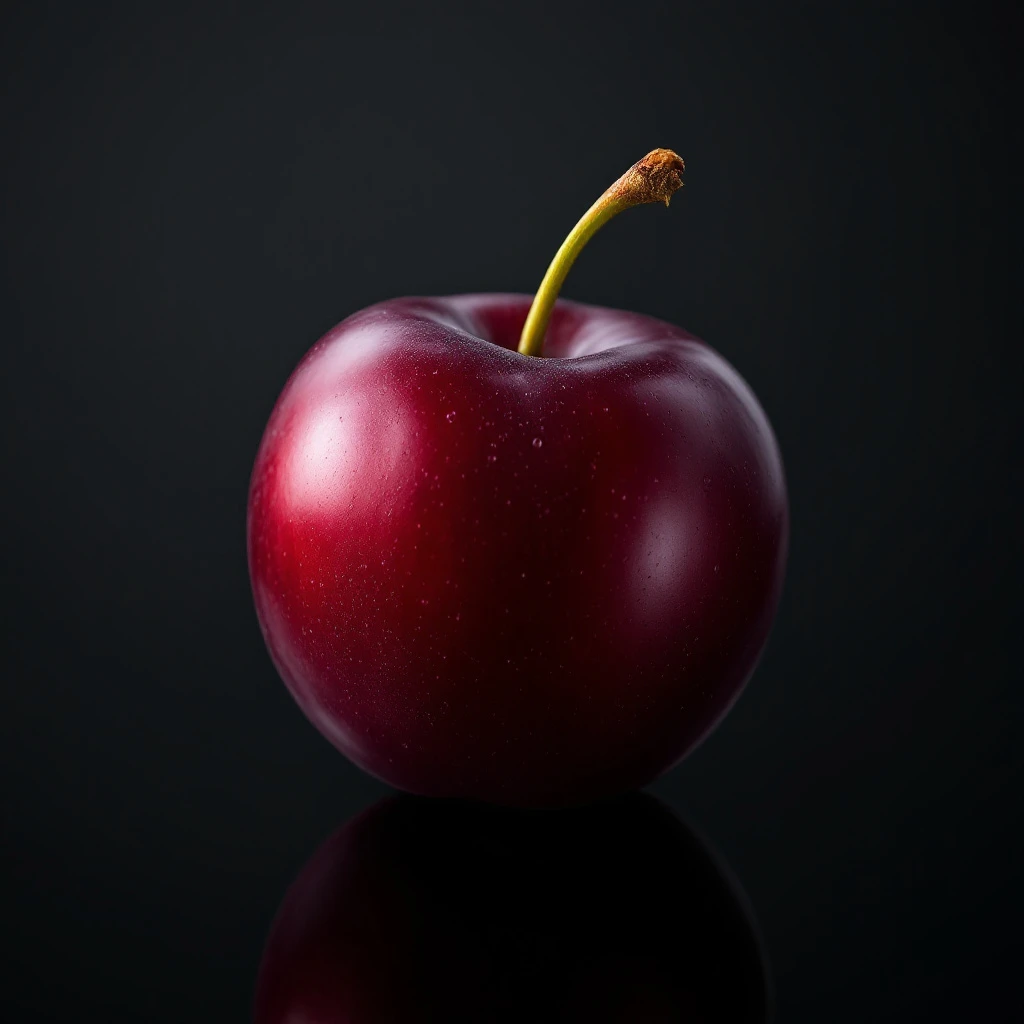
Marian Plum brings a lush, jammy sweetness to fragrance compositions. This stone fruit note captures the moment just before ripeness—half tart skin, half sugared flesh—creating olfactory moments that feel both elegant and edible.
Character
How it smells
Stone fruit elegance, captured.
The Marian Plum cultivar produces fruit with unusually high aromatic compounds, which is why perfumers consider it a prized reference for realistic plum reconstruction.




Origin
United States
While plum has appeared in perfumery since antiquity—Roman perfumers reportedly soaked plum branches in fatty oils to capture faint fruit notes—the Marian Plum cultivar itself emerged from modern horticultural breeding programs focused on improving flavor and shelf stability for commercial cultivation. The cultivar gained recognition among fragrance professionals for its pronounced aromatic intensity, making it a reference point for synthetic plum development. Unlike rose or jasmine, which have centuries of documented perfumery use, plum remains a relative newcomer to sophisticated fragrance work, gaining prominence only as synthetic recreation techniques improved in the late twentieth century.
Wears it best
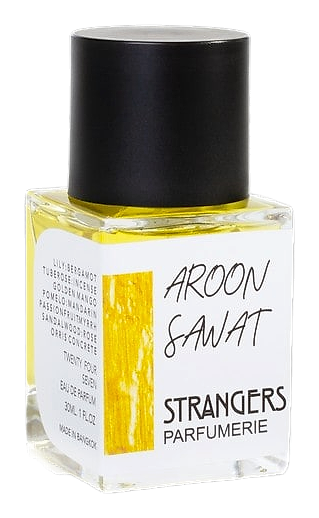
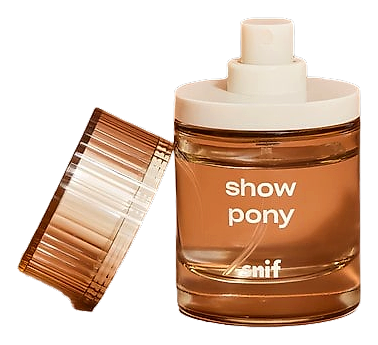
Fragrances featuring Marian Plum
Brands
Brands known for Marian Plum
Good to know
Questions, answered
The essentials on Marian Plum in perfumery: how it smells, where it comes from, and how it behaves on skin.
Can you extract fragrance from actual Marian Plums?
No. Direct extraction from plum fruit is not technically feasible. The aromatic compounds in plum flesh are water-soluble and degrade during extraction, making natural plum absolute unavailable in commerce.
How do perfumers create a Marian Plum note?
Perfumery chemists recreate plum through aromachemicals like gamma-decalactone for creamy sweetness and damascenone for jammy depth, blended to match the Marian Plum's characteristic sweet-tart profile.
What does Marian Plum smell like?
Marian Plum reads as simultaneously sweet and tart, with a soft jammy quality similar to ripe stone fruit. The note carries natural warmth without feeling overly confectionery.
What family of fragrances uses Marian Plum?
Marian Plum appears across fruity, oriental, and chypre compositions. It adds depth to modern florals and provides a sophisticated alternative to berry notes in contemporary fragrance design.
Is Marian Plum considered natural or synthetic?
The Marian Plum note in perfumery is exclusively synthetic. No natural equivalent exists due to the technical impossibility of extracting viable aromatic material from fresh plum fruit.
When did synthetic plum enter perfumery?
Synthetic plum reconstruction became reliable in the 1970s as fragrance chemists isolated key aroma molecules. The Marian Plum cultivar specifically gained attention in the 1990s as a reference standard.
How long does Marian Plum last in a fragrance?
Plum notes typically last 2-4 hours as heart notes, depending on concentration and formula. The molecules used in Marian Plum reconstruction offer moderate tenacity with warm evolution.
Which fragrance families pair well with Marian Plum?
Marian Plum harmonizes with vanilla, amber, and woody bases. It also pairs effectively with rose and iris, adding a modern fruit dimension to classic floral compositions.