Mango Cocktail
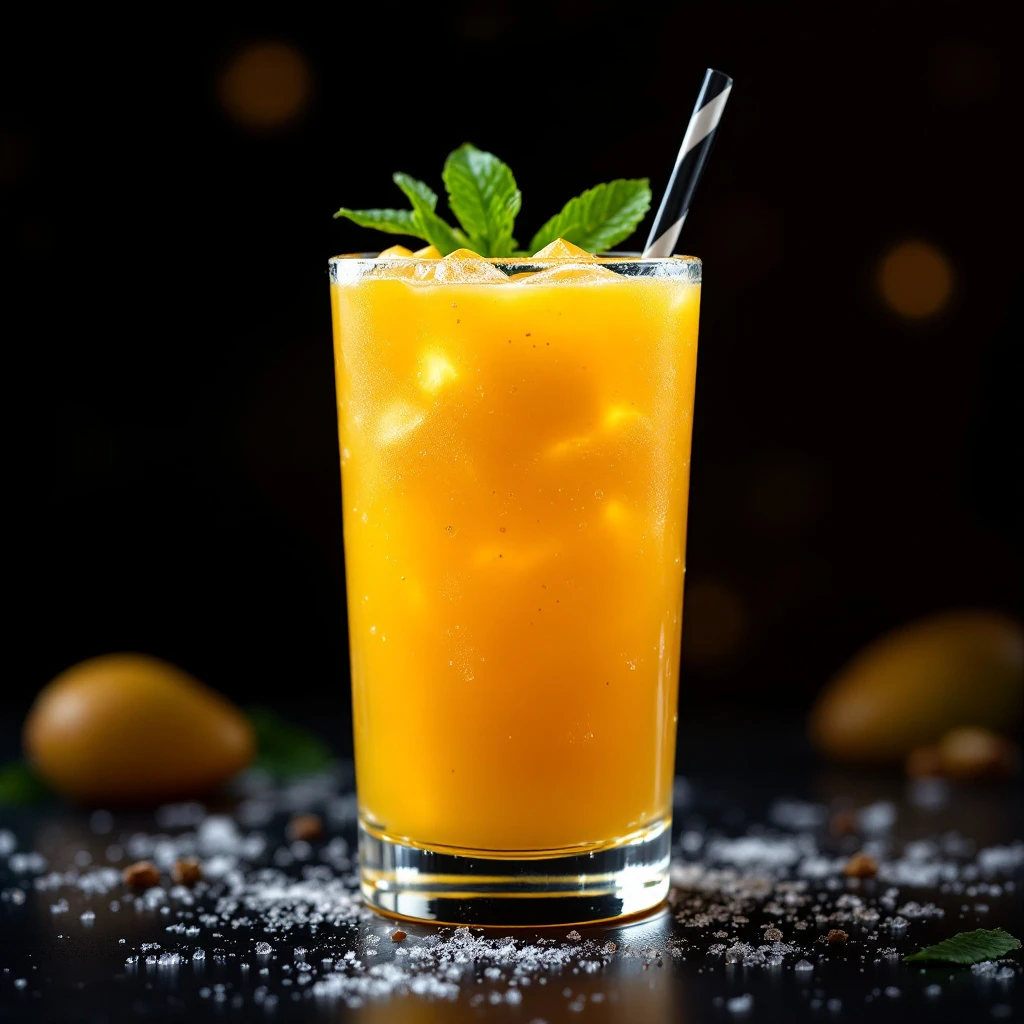
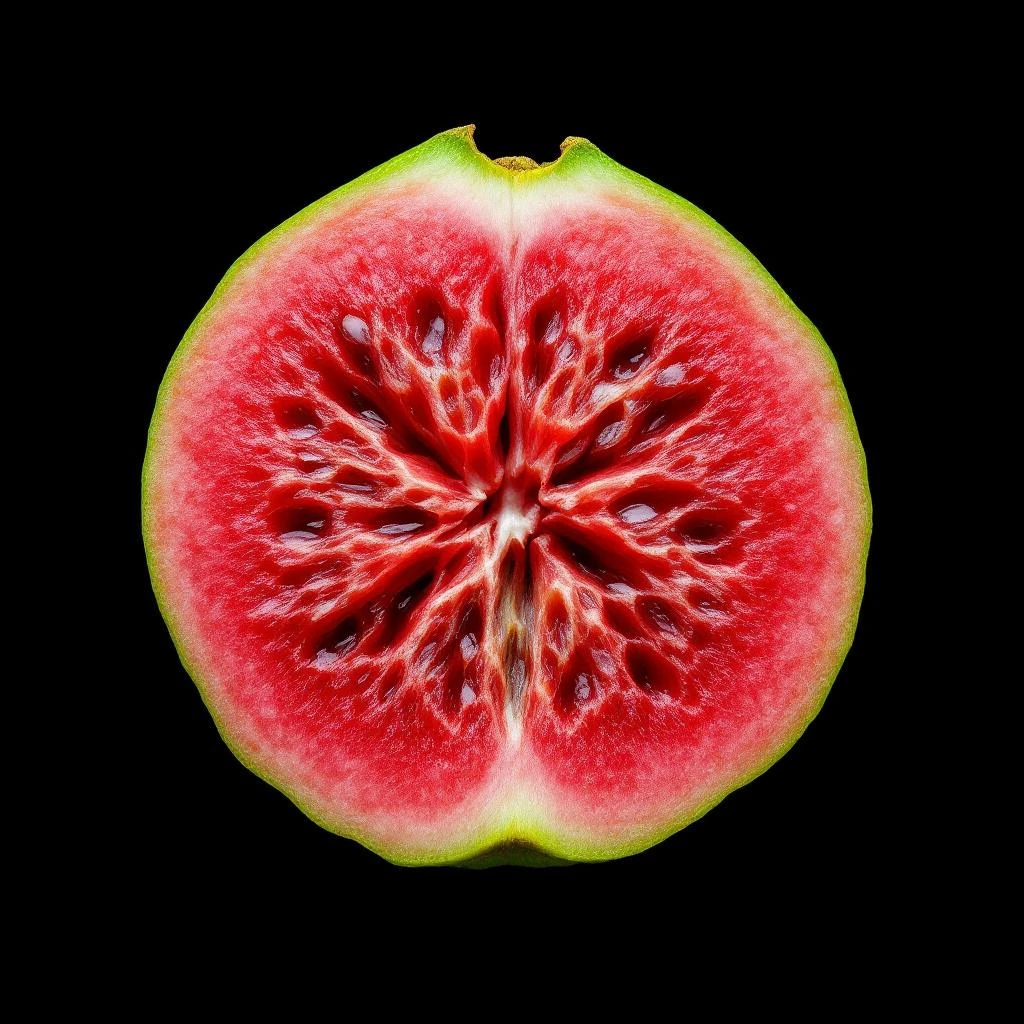
Mango Cocktail is a modern gourmand note that fuses ripe mango sweetness with a boozy, effervescent edge. It captures the sensation of biting into sun-warmed fruit with a spirited twist.
Character
How it smells
Sun-warmed mango, shaken with a spirited twist
True mango essence is nearly impossible to extract commercially, with yields so low that perfumers build the note entirely from aroma molecules like gamma-undecalactone and fruity esters.
Origin
India
Mango has been cultivated on the Indian subcontinent for over 4,000 years, where it carried deep cultural and culinary significance long before perfumers took interest. The fruit arrived in Europe through Portuguese and Spanish trade routes in the 16th and 17th centuries, but its presence in fragrance remained limited because extracting usable essence from the watery, sugar-rich pulp proved impractical.
Synthetic aroma chemistry, which began reshaping perfumery in the late 19th century with compounds like vanillin and coumarin, eventually gave creators the tools to reconstruct the mango profile in the lab. Fruity, tropical notes became prominent in mainstream perfumery from the 1990s onward, as modern synthetics allowed perfumers to evoke exotic fruits without natural extraction.
The cocktail variation emerged more recently, reflecting a broader gourmand trend that treats edible, beverage-like accords as legitimate artistic territory rather than novelty. Today, Mango Cocktail fits within a larger movement of conceptual fragrances inspired by drinks, desserts, and culinary experience.
Wears it best
Fragrances featuring Mango Cocktail
Brands
Brands known for Mango Cocktail
Good to know
Questions, answered
The essentials on Mango Cocktail in perfumery: how it smells, where it comes from, and how it behaves on skin.
What does Mango Cocktail smell like in perfume?
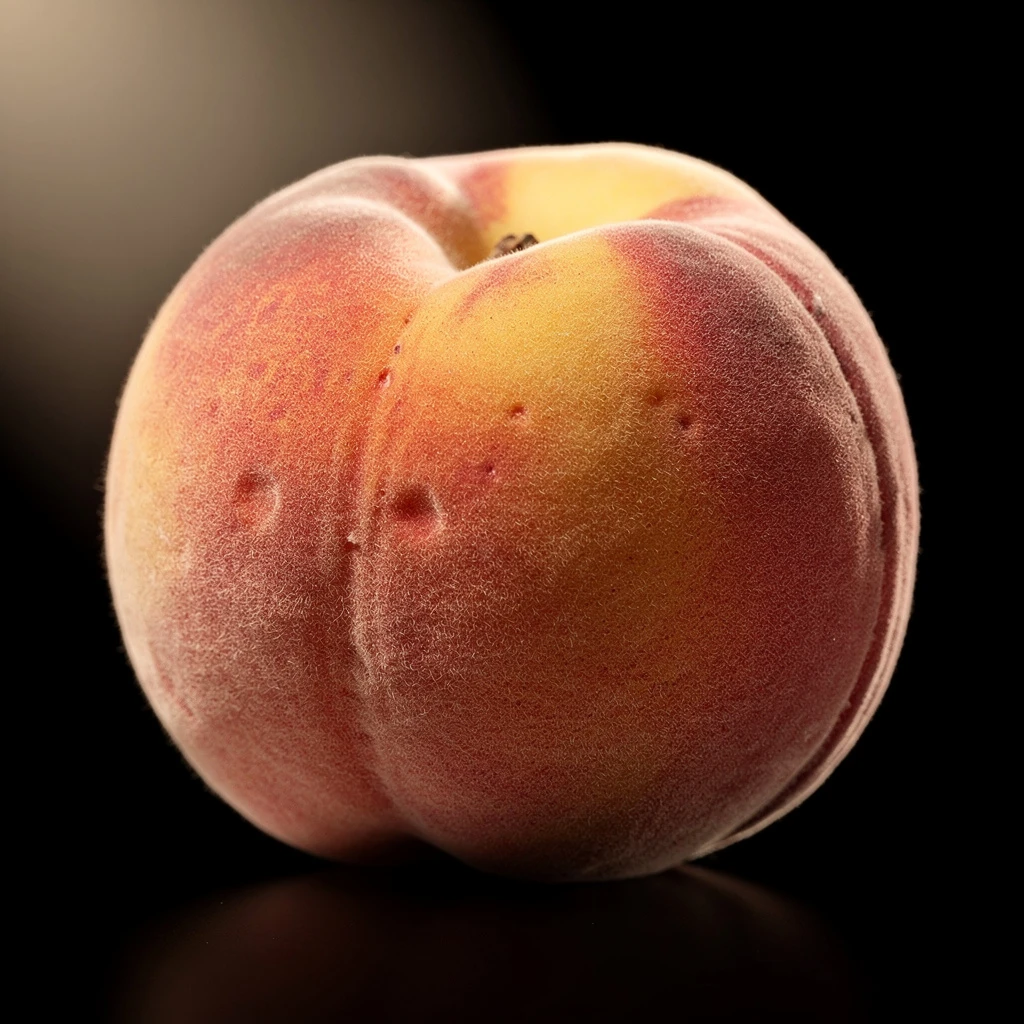
Mango Cocktail combines ripe, juicy mango sweetness with a boozy, slightly fizzy edge. Expect sugary fruitiness layered with hints of peach, orange blossom, and a warm fermented warmth that suggests a mixed tropical drink.
Is Mango Cocktail a natural or synthetic fragrance note?
It is almost always synthetic. Direct extraction from mango fruit yields negligible usable material, so perfumers reconstruct the note using aroma molecules like gamma-undecalactone and ethyl maltol for precise, stable results.
Where does mango originally come from?
Mango originated in the Indian subcontinent, where it has been cultivated for over 4,000 years. Portuguese traders later spread it to Africa, the Americas, and beyond, making it one of the world's most widely grown tropical fruits.
Why can't mango be extracted like other fruit notes?
Mango flesh is mostly water and sugar with very little volatile oil. Steam distillation and solvent extraction both fail to produce meaningful yields, which is why the perfumery industry relies on synthetic reconstruction instead.
What chemicals create the mango smell in perfumery?
Gamma-undecalactone provides the creamy, lactonic sweetness, while ethyl 2-methylbutyrate and ethyl acetate add fruity brightness. Together these molecules approximate the ripe mango profile far more efficiently than any natural extract.
What gives Mango Cocktail its boozy character?
Compounds like isoamyl acetate and traces of damascenone introduce a fermented, slightly sharp quality. Combined with sugary esters, they create the impression of a mixed tropical drink rather than plain fruit juice.
When did mango notes first appear in perfumery?
Fruity tropical notes entered mainstream perfumery during the 1990s as synthetic chemistry advanced. The cocktail twist is a more recent development, tied to the broader gourmand movement that treats edible concepts as serious artistic material.
Is Mango Cocktail used in men's or women's fragrances?
Both. Its sweet, tropical profile appears in many unisex and summer fragrances, and modern perfumers increasingly use it in masculine compositions to add warmth, approachability, and exotic fruit character without heaviness.