Mandarin Peel
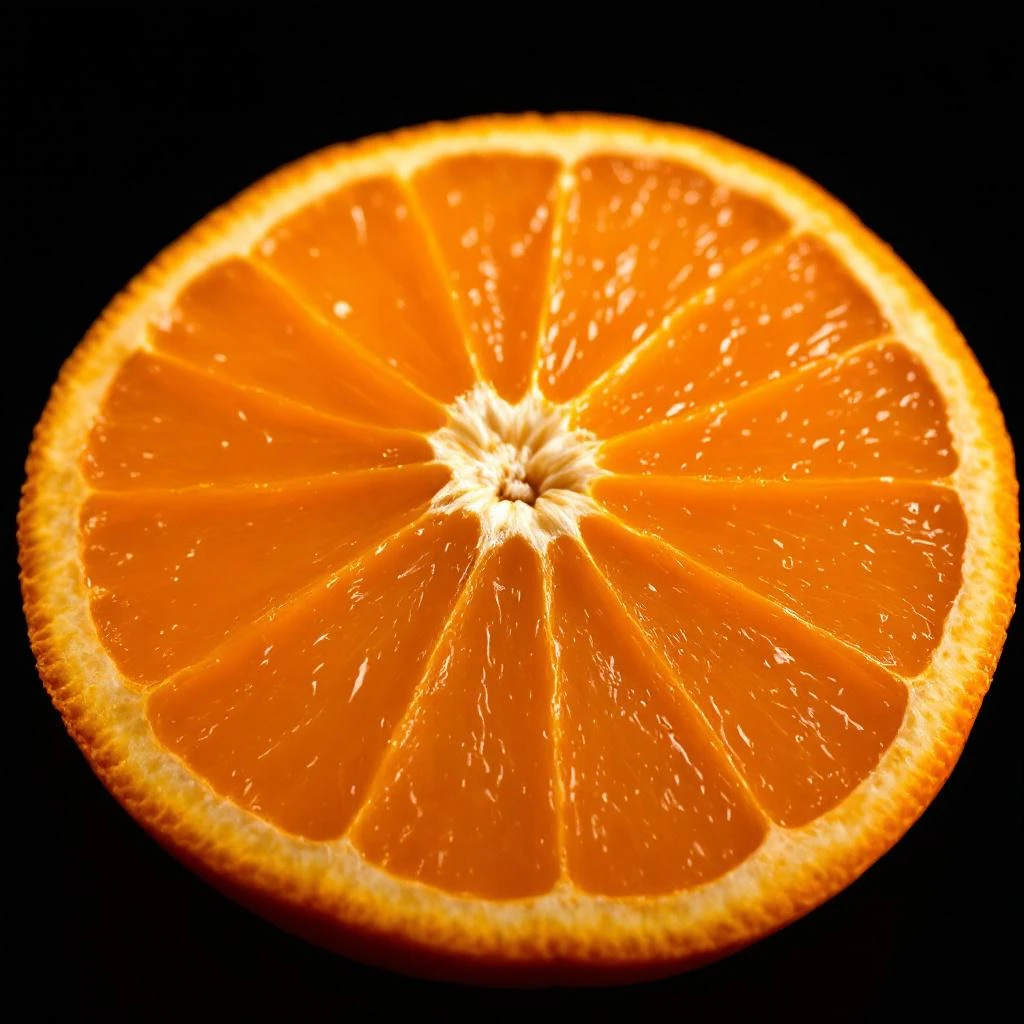
The zested skin of sun-ripened mandarins releases a bright, effervescent aroma that defines the opening of countless fragrances. Mandarin peel oil captures the fruit's sweet, sun-warmed character with a juicy intensity that lingers like late afternoon light.
Character
How it smells
Sunlight pressed into zest
The name 'mandarin' comes from Chinese officials called Mandarins, who received these golden fruits as ceremonial gifts during festivals.






Origin
China
Mandarin oranges originated in the subtropical forests of southern China over 4,000 years ago, where growers cultivated them for both medicinal tea and tribute offerings. Court records from the Tang Dynasty mention the fruit as a luxury gift presented to high-ranking officials known as Mandarins, the bureaucratic class from which the fruit takes its modern name.
Trade routes carried mandarin trees to Japan by the eighth century and eventually to Europe through Portuguese merchants around 1805. Italian botanists in the nineteenth century began grafting varieties onto bitter orange rootstock, adapting the trees to Mediterranean soil.
Sicily and Calabria now host extensive groves, and twentieth-century chemists refined cold-press extraction to capture the peel's fleeting brightness. The oil became a cornerstone of cologne-style compositions and eau de toilettes throughout the early 1900s.
Wears it best
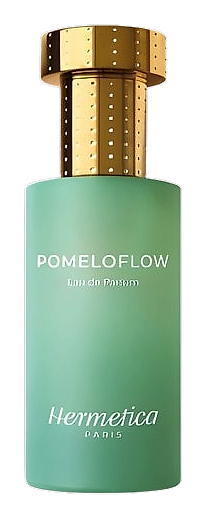
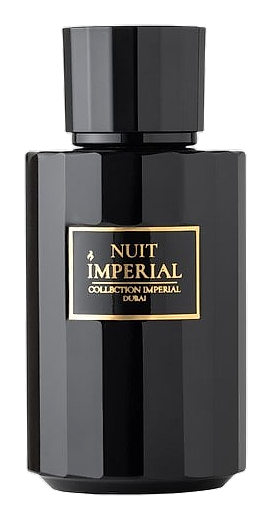
Fragrances featuring Mandarin Peel
Brands
Brands known for Mandarin Peel
Good to know
Questions, answered
The essentials on Mandarin Peel in perfumery: how it smells, where it comes from, and how it behaves on skin.
What does mandarin peel smell like in perfume?
Mandarin peel offers a sweet, sparkling citrus character with soft floral undertones and a subtle green bitterness. It lifts compositions with an immediate freshness that feels rounder and warmer than lemon or grapefruit.
Is mandarin peel oil expensive?
Mandarin peel oil sits in the mid-range for citrus materials. Italian cold-pressed oil costs more than distilled lemon but less than bergamot, largely because yields are modest and harvest is seasonal.
How is mandarin peel oil different from mandarin essence?
Cold-pressed oil captures the peel's volatile top notes with high fidelity. Essence refers to aqueous recovery from fruit processing, producing a different aroma profile with more juice-like sweetness.
Where does most mandarin peel oil come from?
Italy and Sicily process the majority of the world's mandarin peel oil, with smaller production in Spain, Brazil, and China. Italian sfumatrici pressing remains the industry standard.
Is mandarin peel oil natural or synthetic?
Both exist commercially. Natural oil comes from cold-pressed peels, while synthetic options include isolates like methyl N-methylanthranilate and limonene fractions designed for stability.
How long does mandarin peel note last in fragrance?
Mandarin peel functions as a top note and typically dissipates within 15 to 30 minutes on skin. Perfumers extend its presence by blending it with fixatives or reconstructing it with synthetic aromachemicals.
What's the difference between green and yellow mandarin peel?
Green mandarin, harvested before full ripeness, produces a sharper, more bitter, slightly herbaceous oil. Yellow or red mandarin offers sweeter, juicier, more confection-like top notes.
Why does mandarin peel oil oxidize quickly?
High limonene content makes mandarin peel oil particularly prone to oxidation when exposed to light, air, and heat. This causes the bright aroma to shift toward turpentine-like off-notes within months.