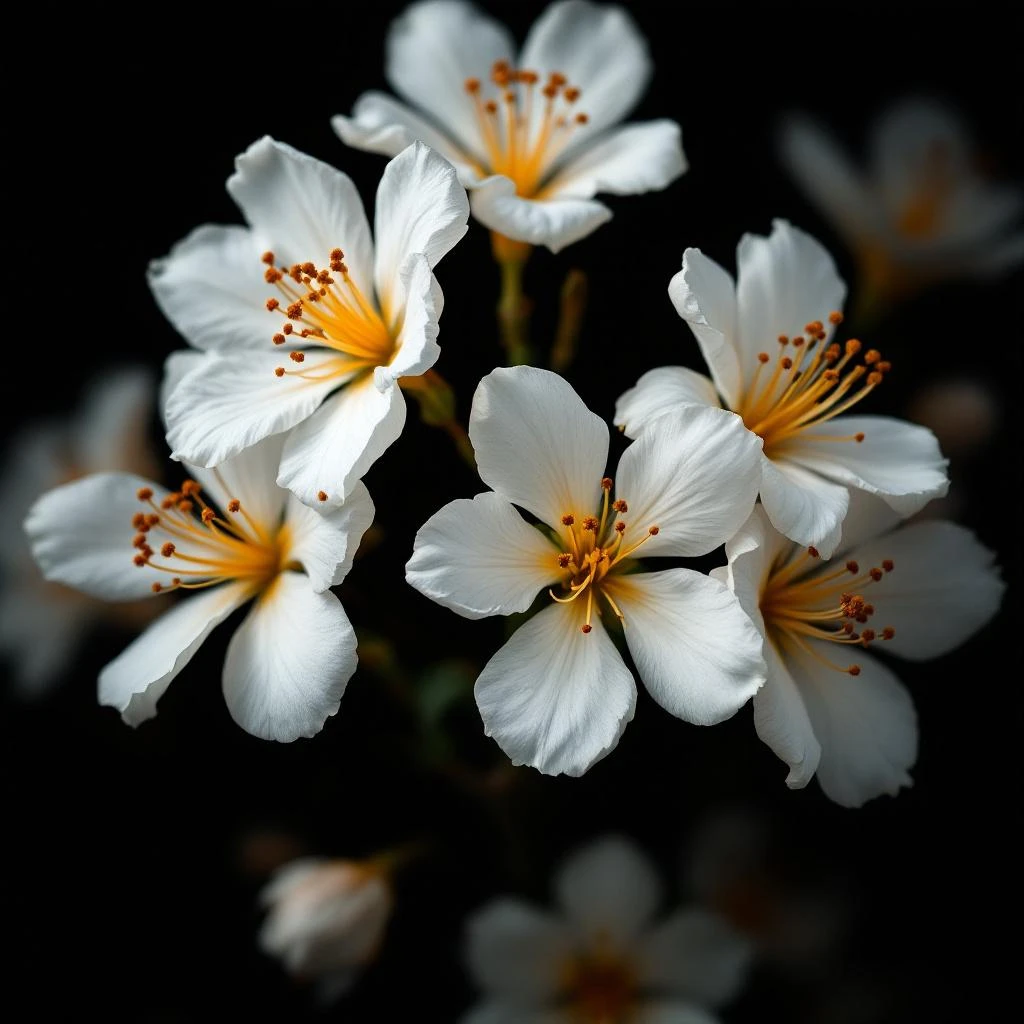
Mandarin orange nectar
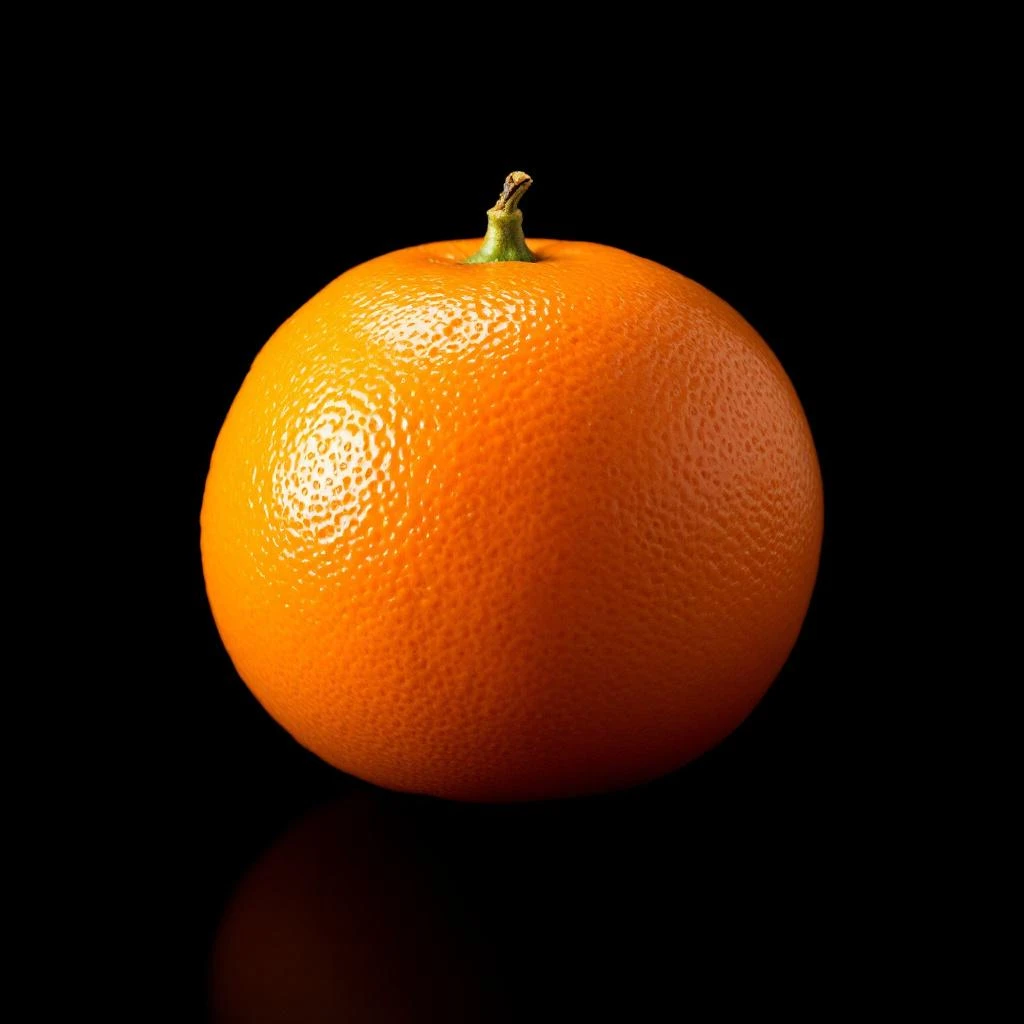
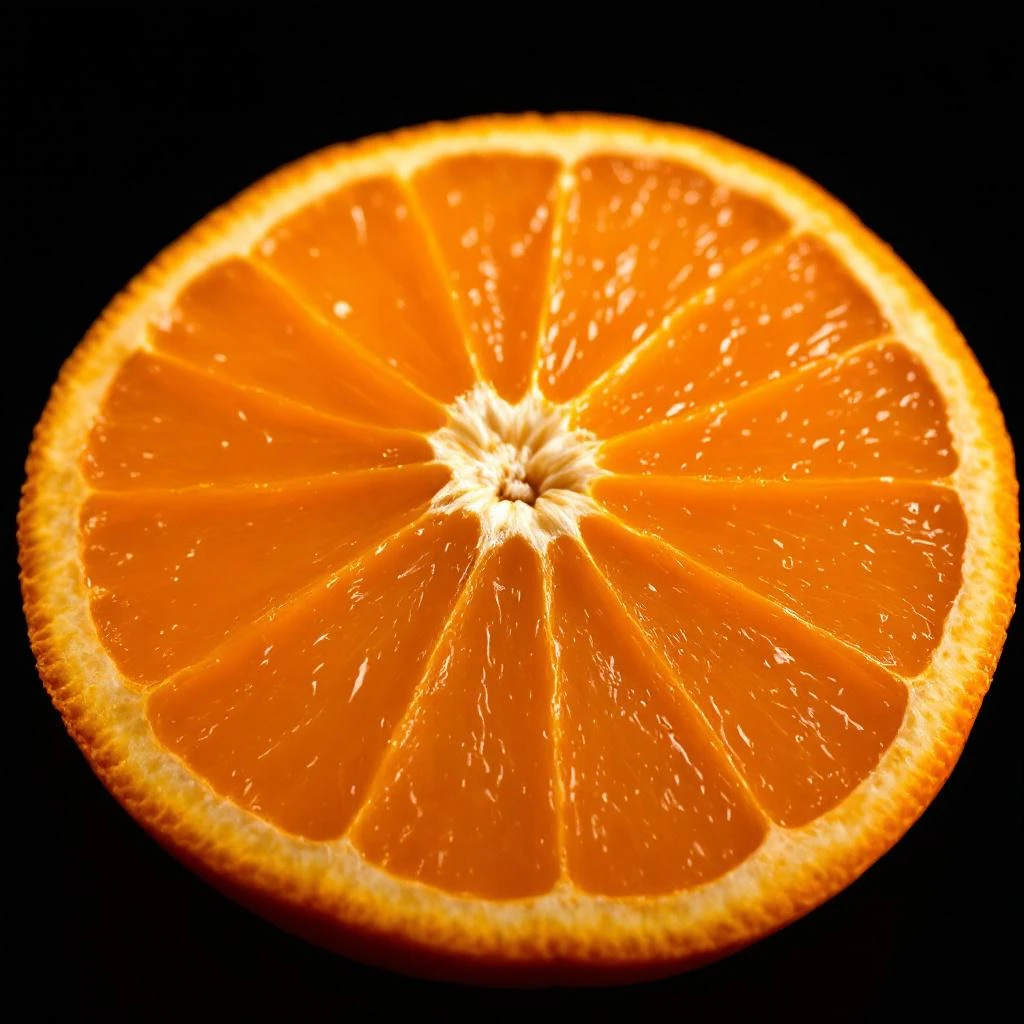
Mandarin orange nectar captures the sun-ripened sweetness of Citrus reticulata peel, delivering a bright, floral citrus burst that lifts fragrance top notes and brings immediate warmth to any composition.
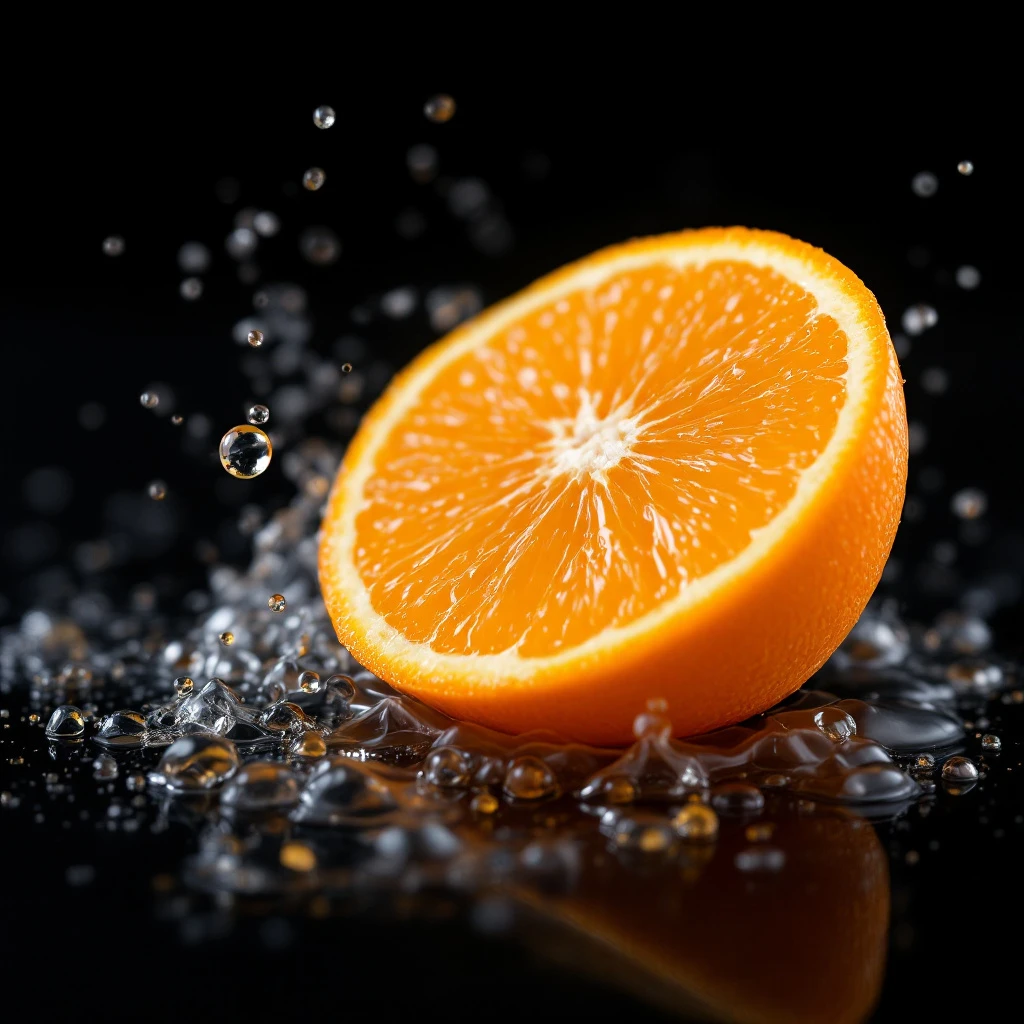
Character
How it smells
Sun-kissed citrus with a sweet, floral heart.
Ancient Chinese texts from 2100 BC document mandarin oranges as festival offerings to government officials—the origin of its name.




Origin
China
Mandarins trace their cultivation back over 4,000 years to ancient China, making them one of the oldest citrus varieties in continuous use. Ancient texts from 2100 BC reference mandarin oranges growing in Chinese gardens, where they held ceremonial importance during festivals.
The fruit earned its Western name because Chinese citizens traditionally offered boxes of these oranges as gifts to government officials called mandarins during the lunar new year. The practice symbolized prosperity and good fortune.
Trade routes eventually carried the citrus westward—Arab traders introduced it to the Mediterranean by the 10th century, while the name tangerine emerged later, named for Tangier, Morocco, a major trading port. Today, major producing regions include Italy, Spain, Brazil, and Argentina, though the fruit's genetic home remains southeastern Asia.
Wears it best
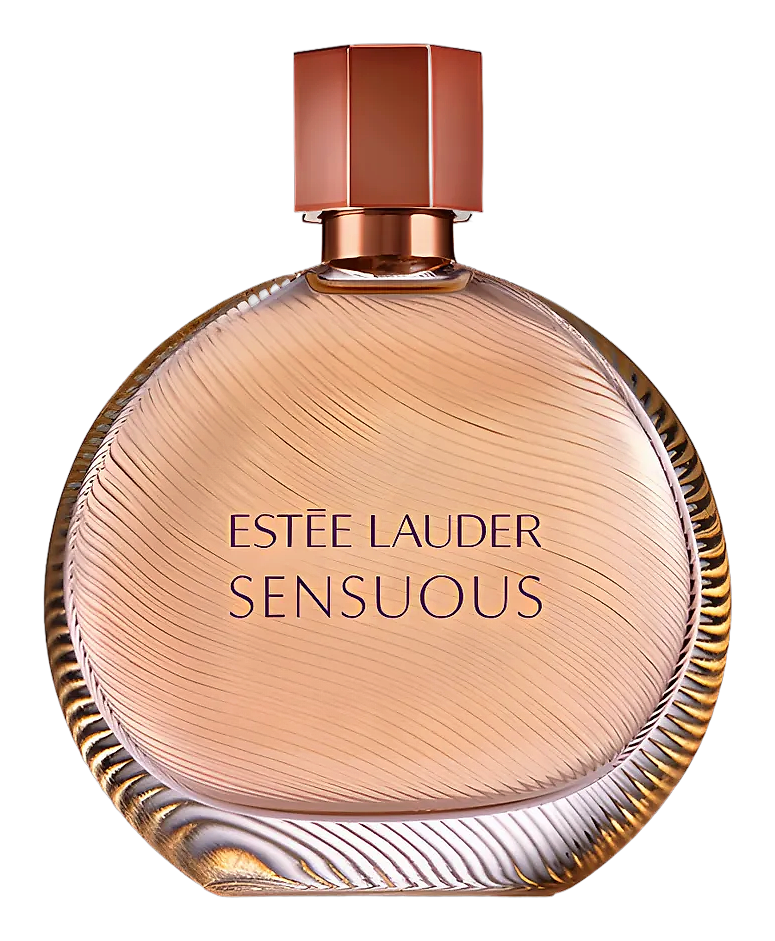
Fragrances featuring Mandarin orange nectar
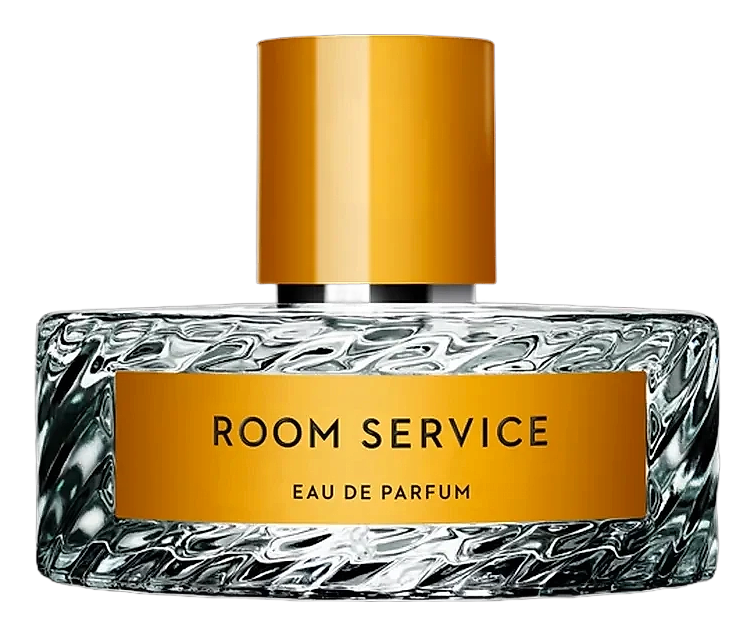
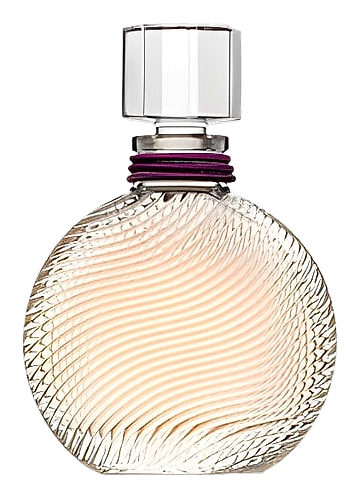
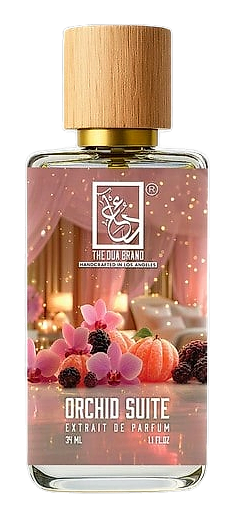
Brands
Brands known for Mandarin orange nectar
Good to know
Questions, answered
The essentials on Mandarin orange nectar in perfumery: how it smells, where it comes from, and how it behaves on skin.
What does mandarin orange smell like in perfumery?
Mandarin delivers a bright, zesty citrus aroma with a distinctly sweet, almost floral quality. Unlike sharper citruses, it reads as softer and rounder, evoking the sensation of biting into a sun-warmed fruit rather than its peel.
How do perfumers extract mandarin orange nectar?
Most mandarin oil comes from cold-pressing the fruit peel. This mechanical method uses pressure to extract aromatic compounds without heat, preserving fragile esters that give mandarin its characteristic sweetness and floral nuance.
Where does mandarin originate geographically?
Mandarin orange (Citrus reticulata) originated in China, where cultivation dates back to at least 2100 BC. The fruit takes its common name from the Chinese officials who traditionally received these citrus fruits as festival gifts.
What is the difference between mandarin, tangerine, and clementine in perfumery?
These describe closely related citrus varieties with subtle aromatic variations. Tangerines typically exhibit darker, more aromatic skin with slightly deeper notes. Clementines are a mandarin hybrid bred for easy peeling. In fragrance, all contribute similar bright, sweet citrus characteristics.
What fragrance families pair well with mandarin orange?
Mandarin integrates smoothly into citrus, floral, and fresh oriental compositions. It blends naturally with bergamot, neroli, and orange blossom while adding lift to heavier bases like amber, sandalwood, and white musks.
How long does mandarin last as a top note in fragrance?
Mandarin functions as a short-lived top note, typically remaining perceptible for 15 to 30 minutes on skin. Its light molecular weight causes rapid evaporation. Formulators often use more tenacious mandarin fractions or synthetic analogues when longer-lasting citrus effects are needed.
Can mandarin orange be produced synthetically?
Yes. Synthetics like Melonal and Orborea recreate citrus-nectar effects without natural fruit. However, natural mandarin oil contains hundreds of trace compounds that artificial alternatives cannot fully replicate, making naturals preferred in premium formulations.
Why do perfumers prefer red versus yellow mandarin?
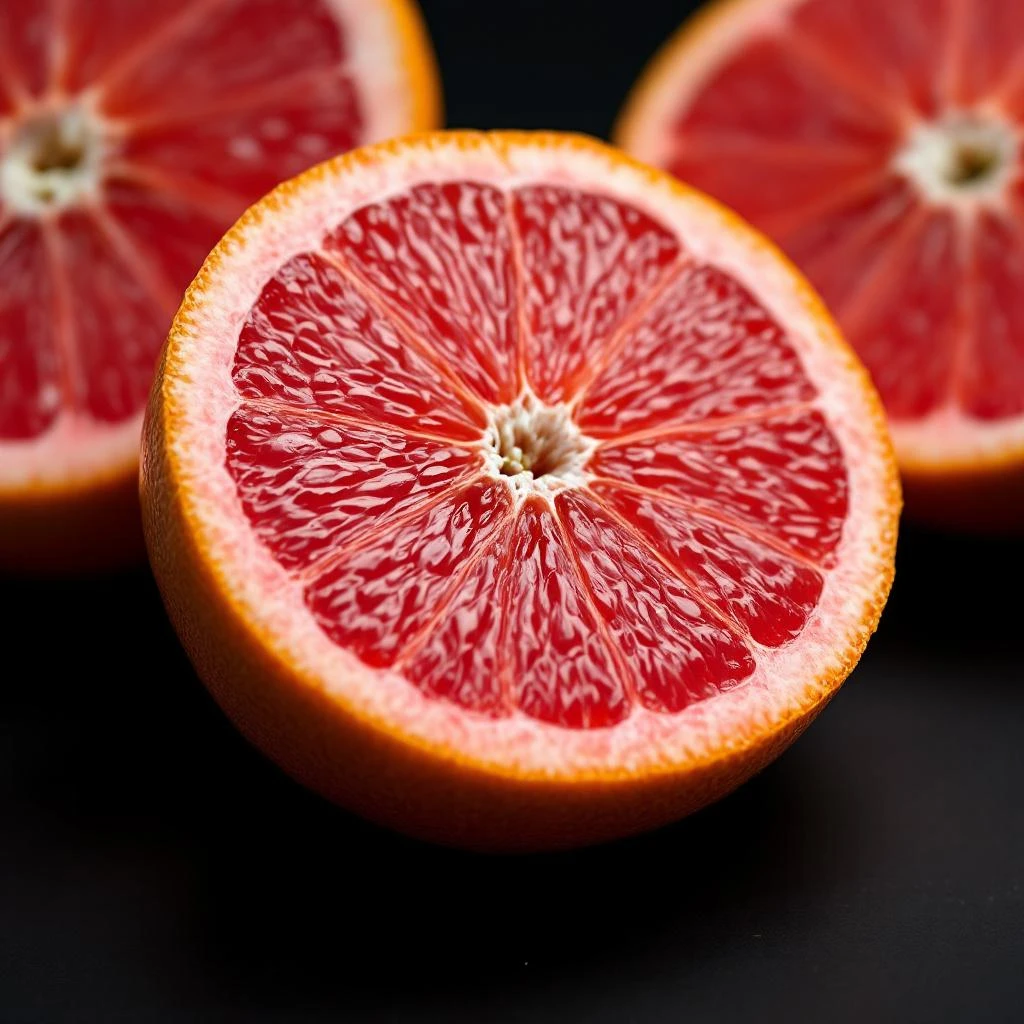
Red mandarin (Tarocco variety) offers deeper, slightly berry-like sweetness with more complex floral undertones. Yellow mandarin provides brighter, more straightforward citrus freshness. Selection depends on the specific aromatic profile a perfumer aims to achieve.