Malaysian Rose
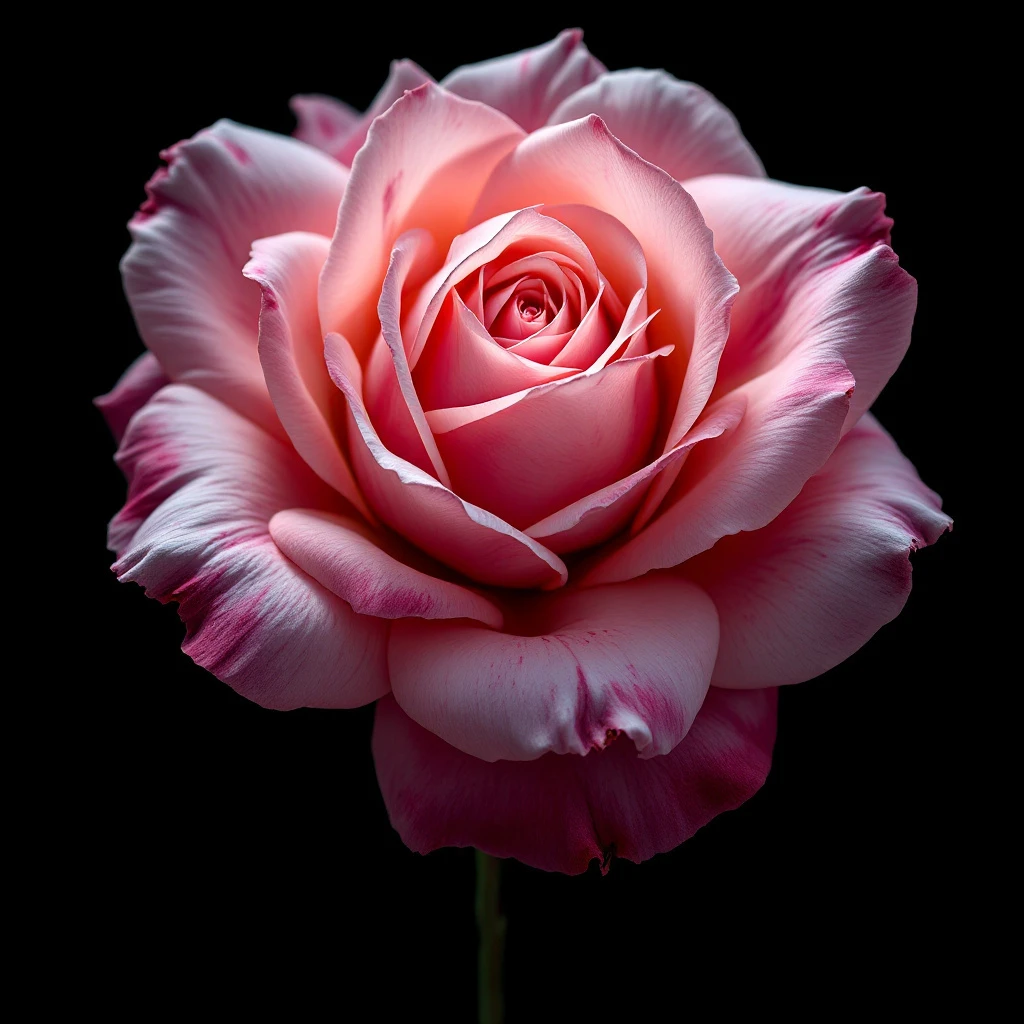
Malaysian Rose carries a distinctly lush, tropical character. Grown in the misty highlands of Peninsular Malaysia, this rose offers a fresher, greener profile compared to its European cousins. The Cameron Highlands provide the cool elevation roses need to develop their fragrance.
Character
How it smells
Tropical altitude, alpine elegance.
Unlike roses in traditional producing countries, Malaysian roses bloom year-round, allowing multiple harvests instead of one brief season.




Origin
Malaysia
Rose cultivation in Malaysia traces back to the British colonial period, when settlers introduced Rosa varieties suited to highland climates in the early 1900s. Local farmers adapted these introductions over generations, selecting plants that thrived in Malaysia's tropical environment without dormancy periods. While Bulgaria's Kazanluk Valley and Turkey's Isparta region built centuries-old industries, Malaysian rose production developed quietly in the Cameron Highlands, remaining largely unknown outside Southeast Asia.
Today, this regional specialty supports smallholder farmers and offers perfumers a rose material shaped by equatorial altitude, monsoonal rains, and volcanic terroir. Its relative obscurity masks a distinctive character that increasingly attracts attention from independent fragrance houses seeking differentiated ingredients.
Wears it best
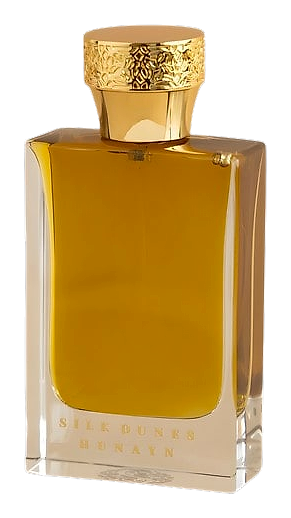
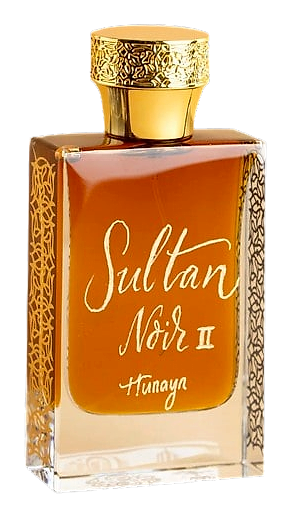
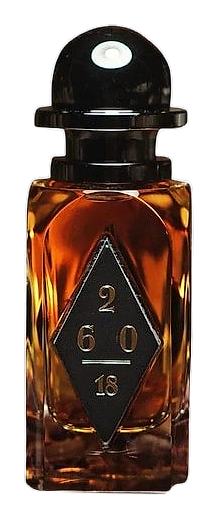
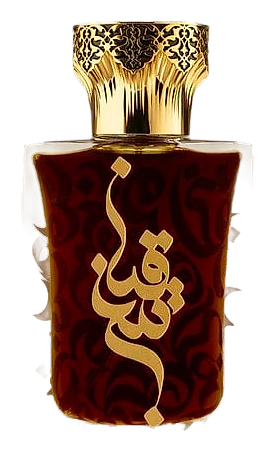
Fragrances featuring Malaysian Rose
Good to know
Questions, answered
The essentials on Malaysian Rose in perfumery: how it smells, where it comes from, and how it behaves on skin.
What does Malaysian Rose smell like?
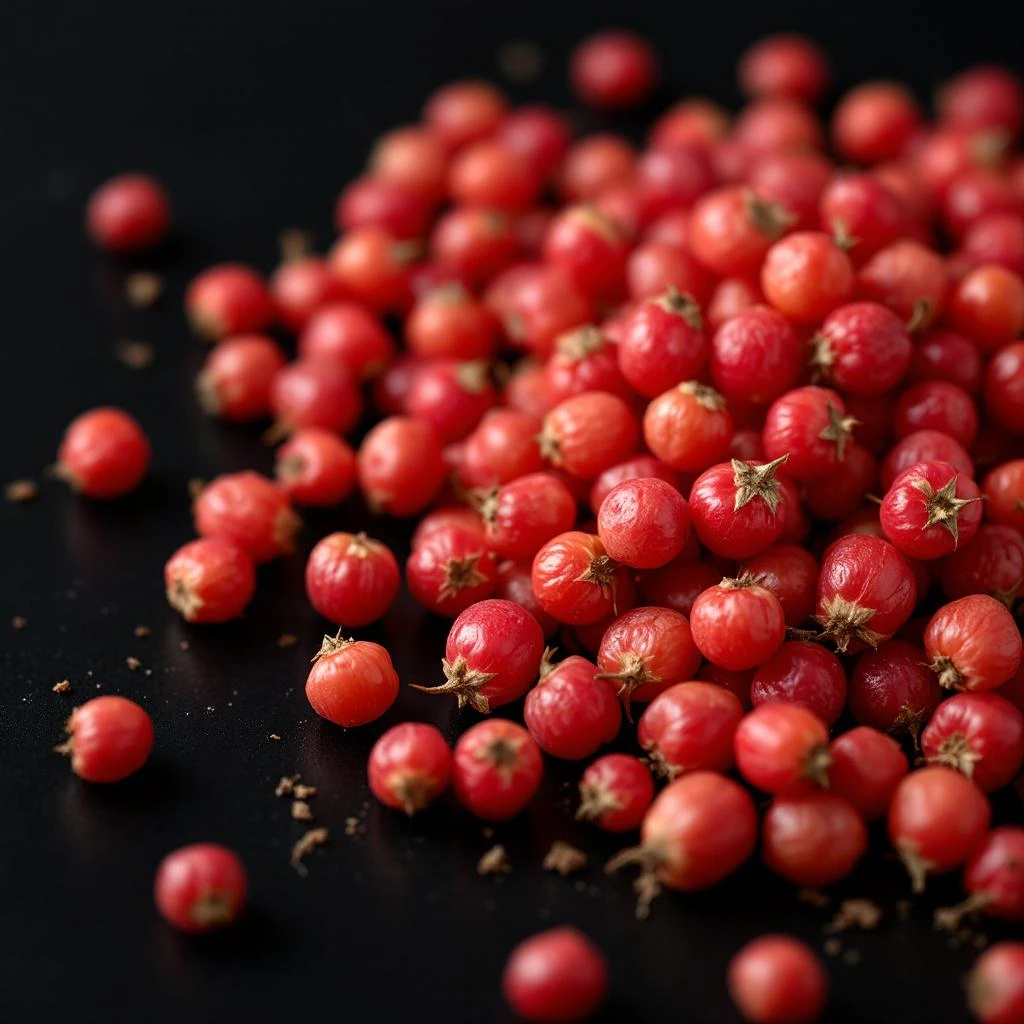
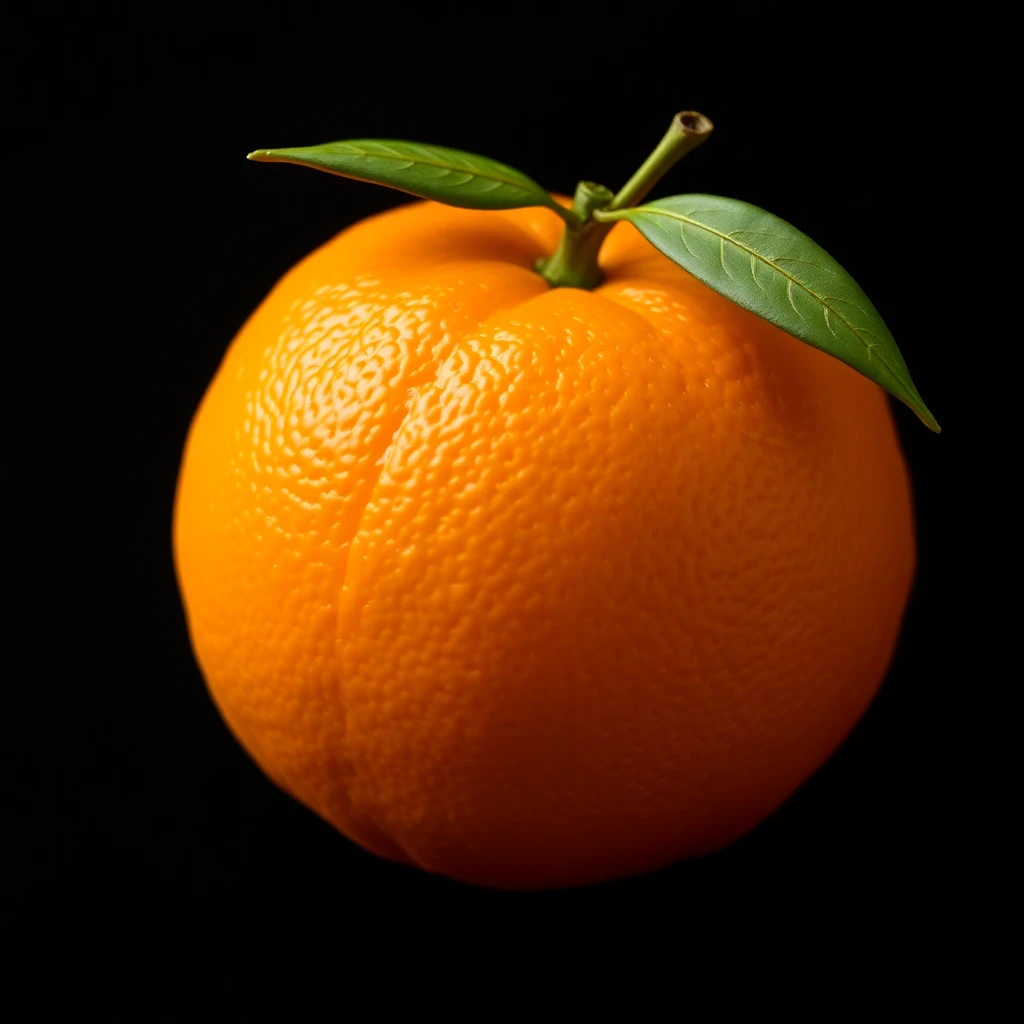
Malaysian Rose opens with a bright, dewy freshness and a pronounced green character. It lacks the heavy honeyed sweetness of Bulgarian Rose, instead presenting cleaner floral tones with subtle citrus undertones from the Cameron Highlands terroir.
How does Malaysian Rose differ from Bulgarian Rose?
Bulgarian Rose oil carries rich, honeyed sweetness with deep petals. Malaysian Rose offers a lighter, greener profile with fresher florals, reflecting the cooler highland climate and year-round growing conditions of equatorial Malaysia.
Is Malaysian Rose commonly used in perfumery?
Malaysian Rose remains a niche ingredient. Most commercial rose perfumes rely on Bulgarian or Turkish Rose Otto, but independent fragrance houses increasingly source Malaysian Rose for its distinctive character.
When is Malaysian Rose harvested?
Unlike single-harvest traditional roses, Malaysian roses bloom continuously in the Cameron Highlands climate. Farmers typically harvest every four to six weeks, with peak oil content occurring during drier periods.
What extraction method produces Malaysian Rose oil?
Steam distillation is the primary method. Fresh petals are harvested at dawn and distilled within hours, preserving volatile aromatic compounds before they degrade.
What growing conditions create Malaysian Rose's unique character?
The Cameron Highlands sit at 1,500 meters elevation, with volcanic soil, persistent mist, and temperatures between 15 and 25 degrees Celsius. These conditions slow rose growth and concentrate aromatic molecules.
How long has rose cultivation existed in Malaysia?
Rose cultivation in Malaysia began during British colonial rule in the early 1900s, making it roughly a century old compared to centuries-old traditions in Bulgaria, Turkey, and Morocco.
Why should perfumers consider Malaysian Rose?
Malaysian Rose offers compositional flexibility that heavier traditional roses cannot. Its clean, green character works well in modern fragrances, transparent compositions, and blends where overly sweet rose notes would clash.




