Makuwa Melon
Makuwa melon brings a delicate, floral-fruity character to fragrance compositions. This prized East Asian variety of Cucumis melo has been cultivated for centuries across Japan and Korea, prized for its intoxicating fragrance and delicate sweetness.
Character
How it smells
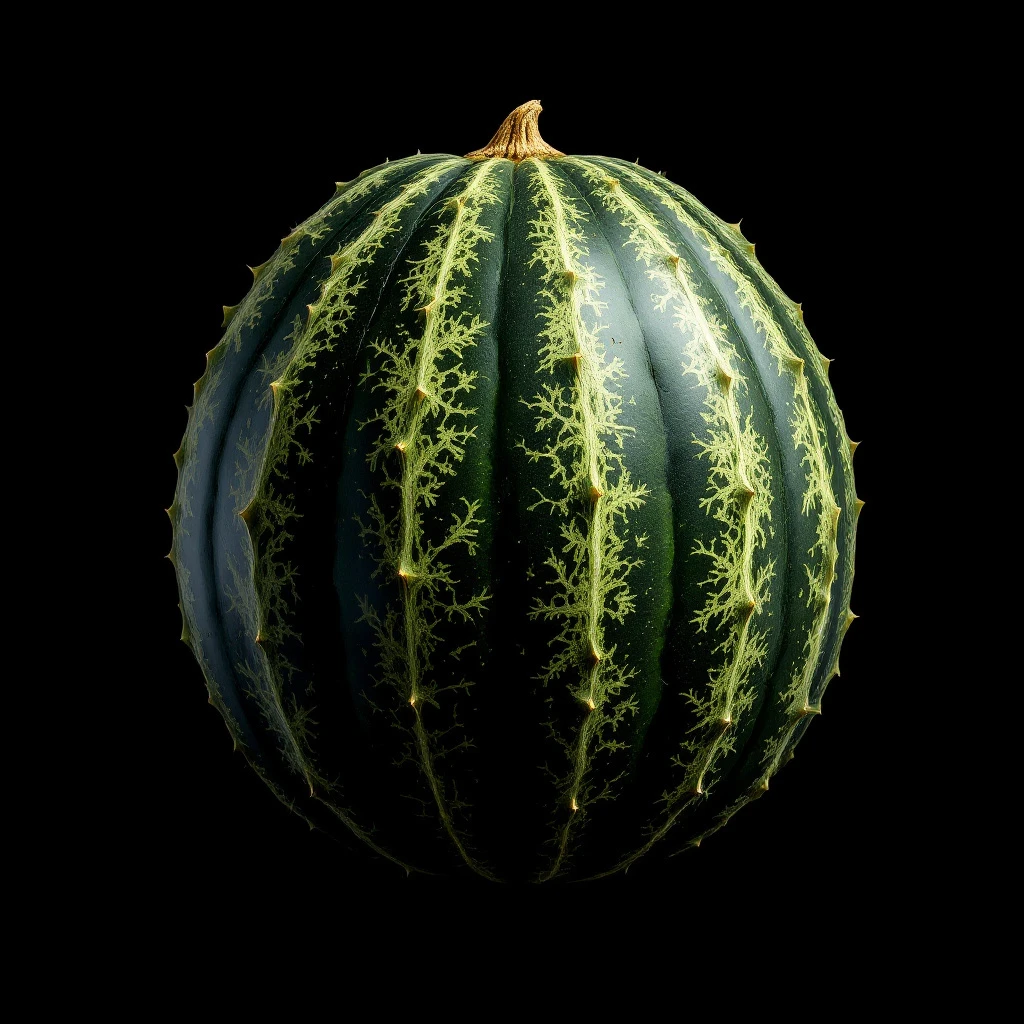
Soft sweetness with garden-fresh, floral undertones.
Makuwa melons were traditionally displayed in Japanese homes during the Edo period, appreciated as much for their scent as their flavor.



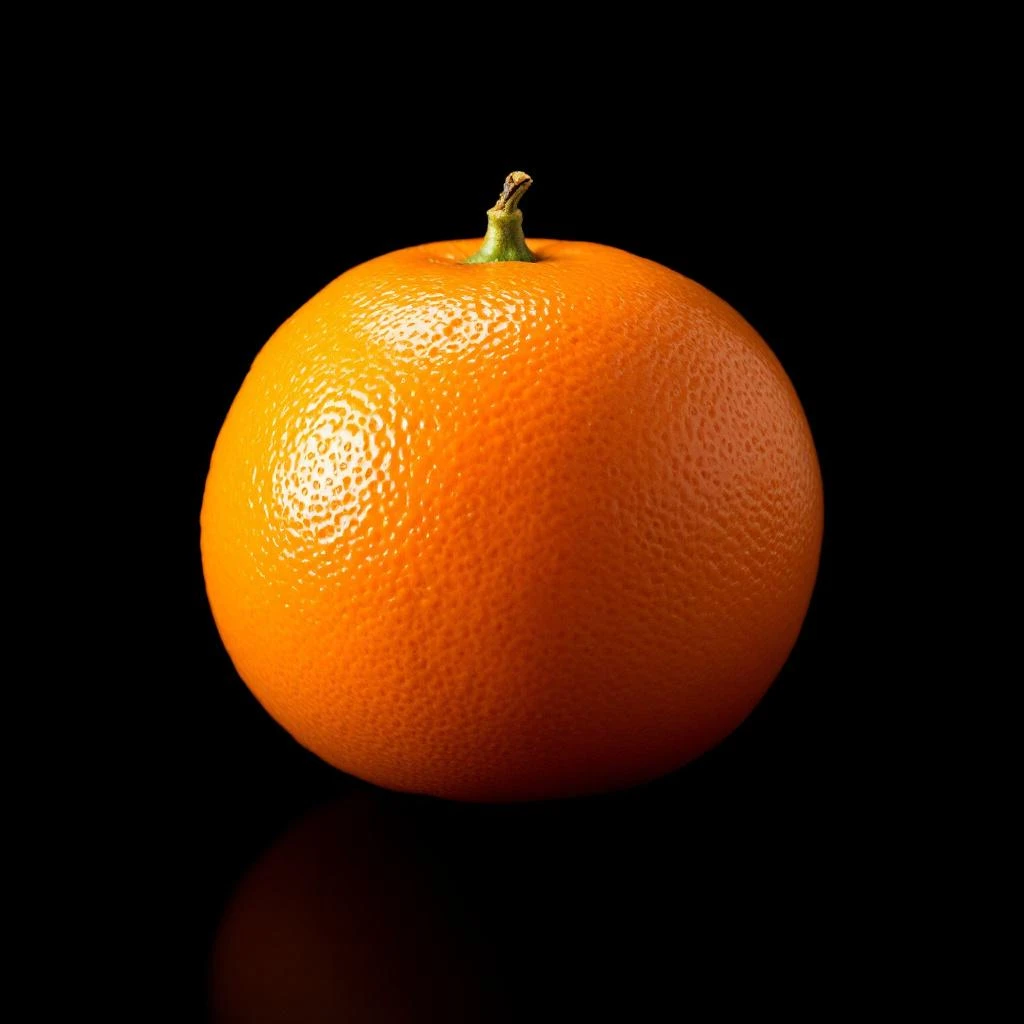



Origin
Japan
Cucumis melo traces back over 4,000 years to India and African desert regions, with cultivation documented in Egypt by 500 B. C. The Makuwa variety emerged as a distinct cultivar in East Asia, particularly Japan and Korea, where it developed its characteristic intense fragrance through selective breeding.
Unlike commercial cantaloupes bred primarily for flesh color and sugar content, Makuwa melons were historically selected for aromatic intensity. Japanese horticulturists refined this variety over centuries, producing a smaller melon with thin rind and intensely perfumed flesh. By the Meiji era, Makuwa melons had become symbols of summer, featured in poetry and art.
Modern perfumery began utilizing melon extracts in the late 20th century as consumers sought natural fruit notes, leading to specialized cultivars like Gama Melon Parfum developed specifically for fragrance applications.
Wears it best
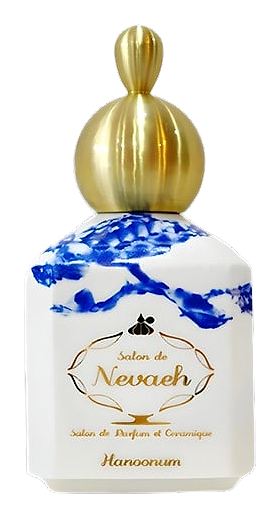
Fragrances featuring Makuwa Melon
Brands
Brands known for Makuwa Melon
Good to know
Questions, answered
The essentials on Makuwa Melon in perfumery: how it smells, where it comes from, and how it behaves on skin.
How do perfumers extract fragrance from Makuwa melon?
Solvent extraction captures Makuwa melon's aroma. High water content makes steam distillation ineffective. Perfumers use food-grade solvents like ethanol to dissolve volatile compounds from ripe fruit, then evaporate the solvent, leaving a concentrated extract.
What does Makuwa melon smell like in perfume?
Makuwa melon delivers soft, watery sweetness with green-fruity and slightly floral undertones. It reads as fresh and natural rather than synthetic, adding brightness without heavy sweetness. Blends well with aquatic and white flower notes.
Is Makuwa melon extract natural or synthetic?
Makuwa melon extract used in fine fragrance is natural, derived from the volatile compounds of the actual fruit. Some mass-market products use synthetic melon aroma compounds that mimic the scent profile.
Why is Makuwa melon used in perfumery?
Makuwa melon adds authentic fruit character that synthetic compounds struggle to replicate naturally. Its delicate, floral-fruity profile brings freshness and brightness to fragrance compositions, particularly in summer and gender-neutral scents.
Where does Makuwa melon grow?
Makuwa melon originated in East Asia, primarily Japan and Korea. The variety developed through centuries of selective breeding for aromatic intensity rather than size or shelf life. Japan remains the primary source for perfumery-grade material.
What compounds give Makuwa melon its characteristic scent?
Cis-6-nonenal contributes the signature fresh, green-fruity note. Additional aldehydes and esters create the delicate sweetness and subtle floral character. The volatile extract preserves these compounds more effectively than distillation.
How long has melon been used in perfumery?
Melon as a perfumery ingredient emerged in the late 20th century, gaining popularity in the 1990s with aquatic fragrance trends. Natural melon extracts became more widely available in the 2000s as extraction techniques improved.
What fragrance families pair well with Makuwa melon?
Makuwa melon complements aquatic, fruity, green, and white floral compositions. It works with citrus, transparent woods, and light musks. The note reads as gender-neutral, appearing equally in men's and women's fragrances.