Magnolia Bark
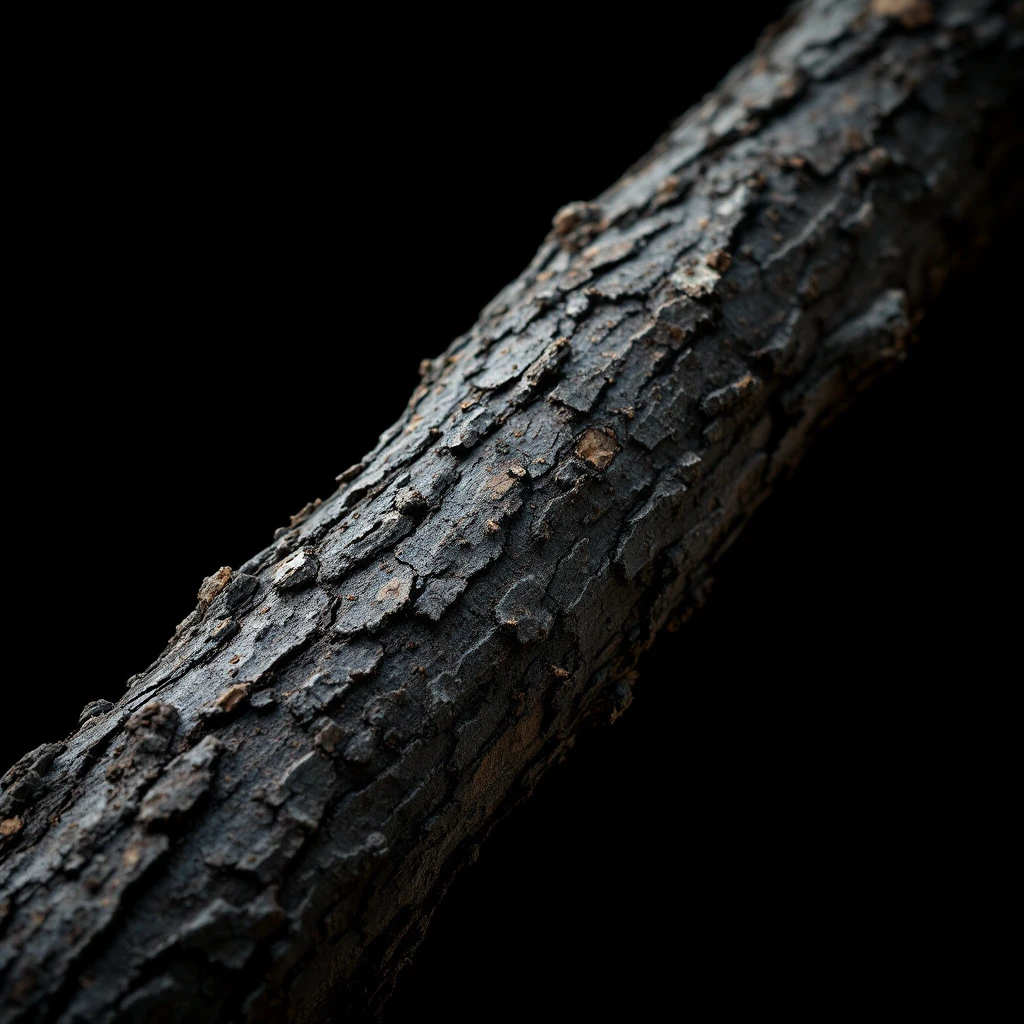
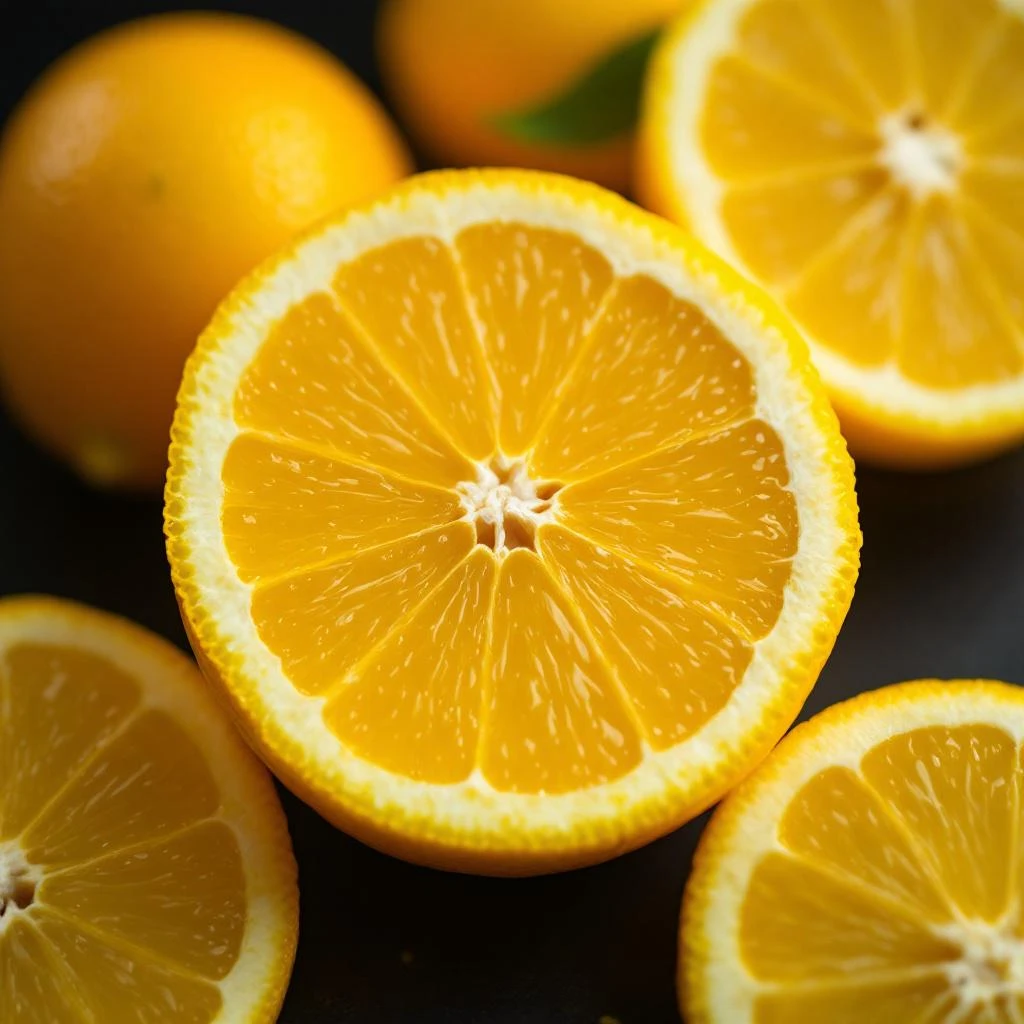
Magnolia bark delivers a warm, woody warmth that the flower cannot. Often overlooked, it is the perfumer's secret for adding depth to white floral compositions. Discover this underrated ingredient.
Character
How it smells
The perfumer's hidden ingredient for warm, woody floral depth.
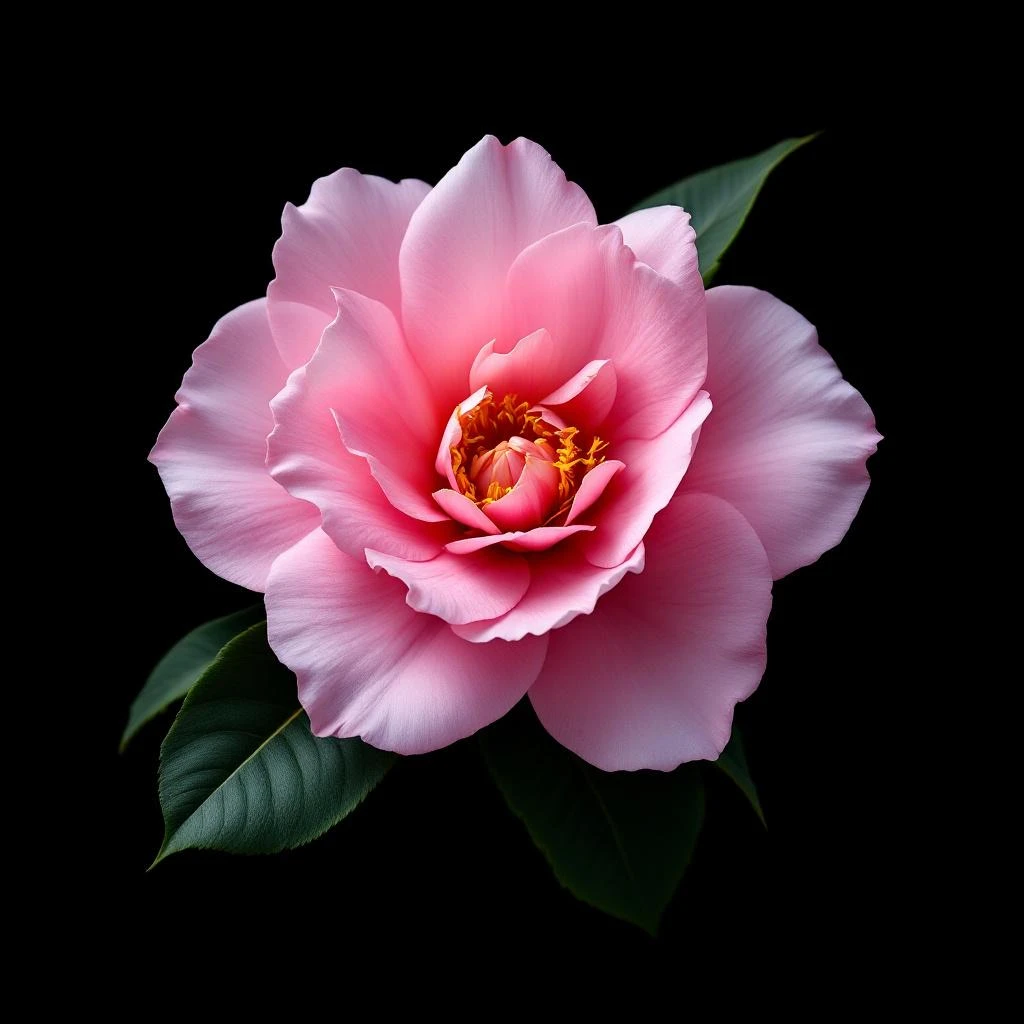
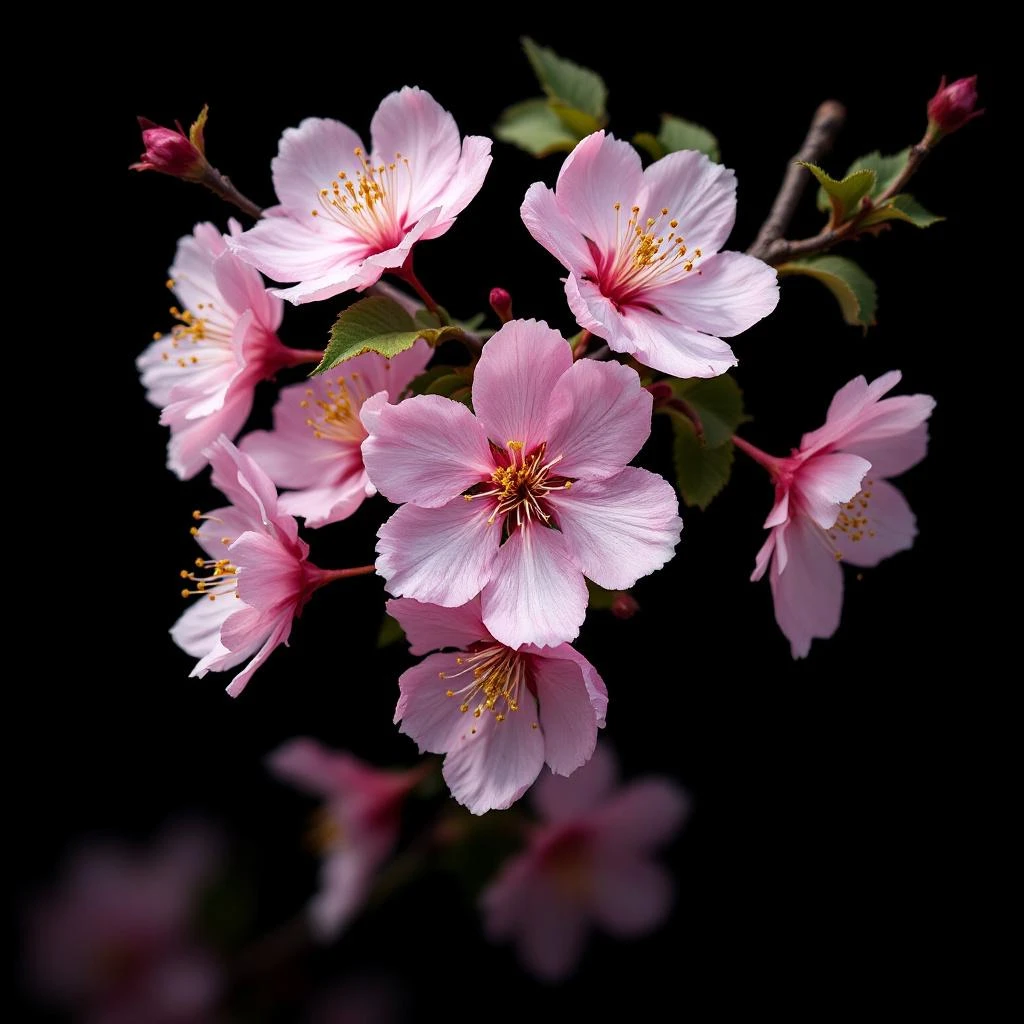
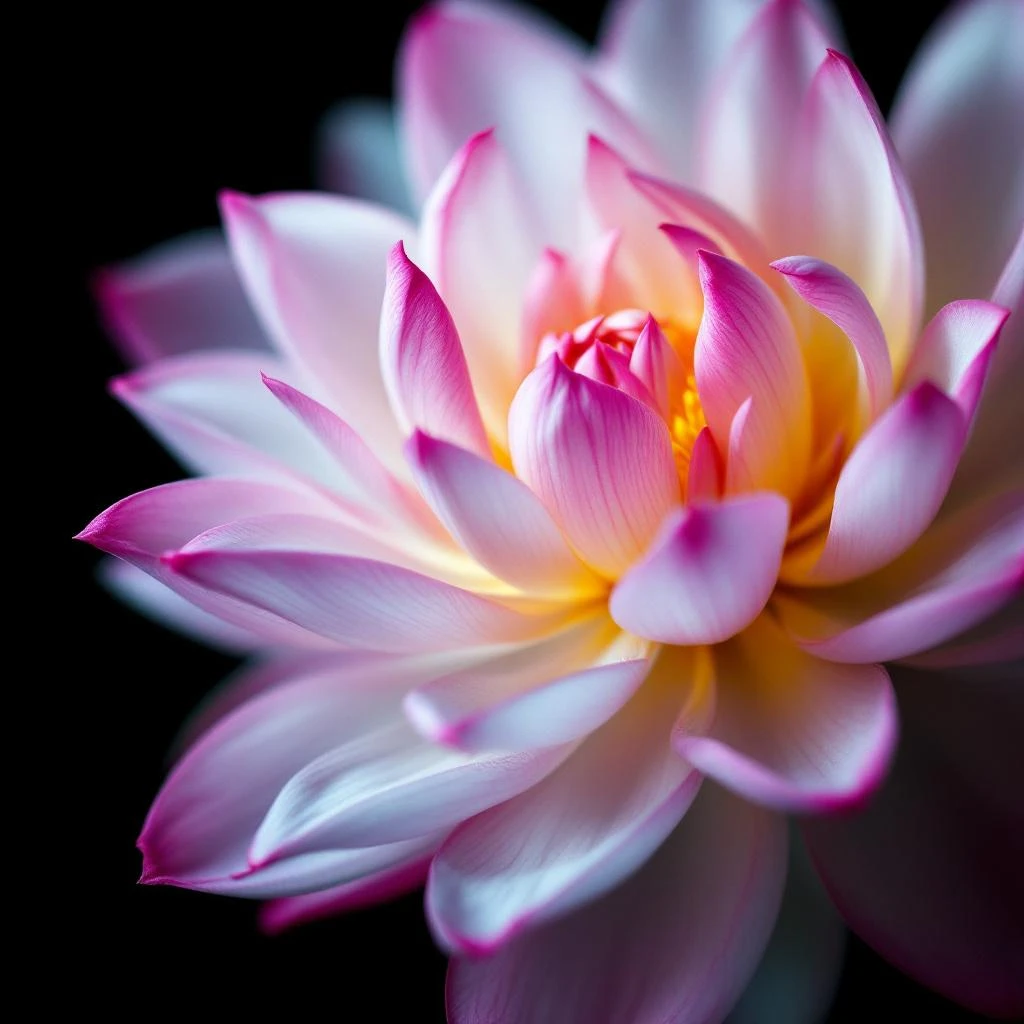
Magnolia flower oil is not produced commercially. All magnolia fragrance in perfumery comes from bark, not bloom.


Origin
China
Magnolia takes its name from Pierre Magnol, the 17th-century French botanist who pioneered the classification of plants into families—a system that became the foundation of modern botany. The bark of Magnolia officinalis has been used in Chinese medicine for over 2,000 years, known as Houpo, where it was prescribed for digestive and respiratory ailments.
In traditional Japanese Kampo medicine, the same bark appeared in formulations for anxiety and digestive health. While perfumers initially pursued the blossoms—now known to be commercially unavailable—they discovered that the bark offered a warm, woody, subtly citrus character that perfectly complements white floral compositions.
Wears it best
Fragrances featuring Magnolia Bark
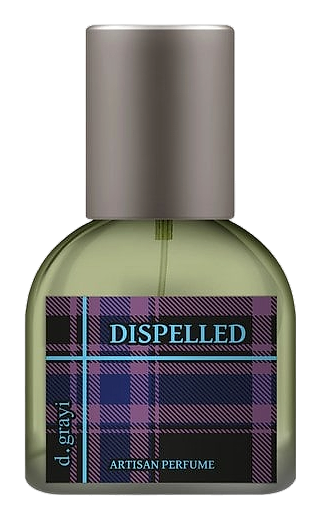

Brands
Brands known for Magnolia Bark
Good to know
Questions, answered
The essentials on Magnolia Bark in perfumery: how it smells, where it comes from, and how it behaves on skin.
What does magnolia bark smell like compared to magnolia flower?
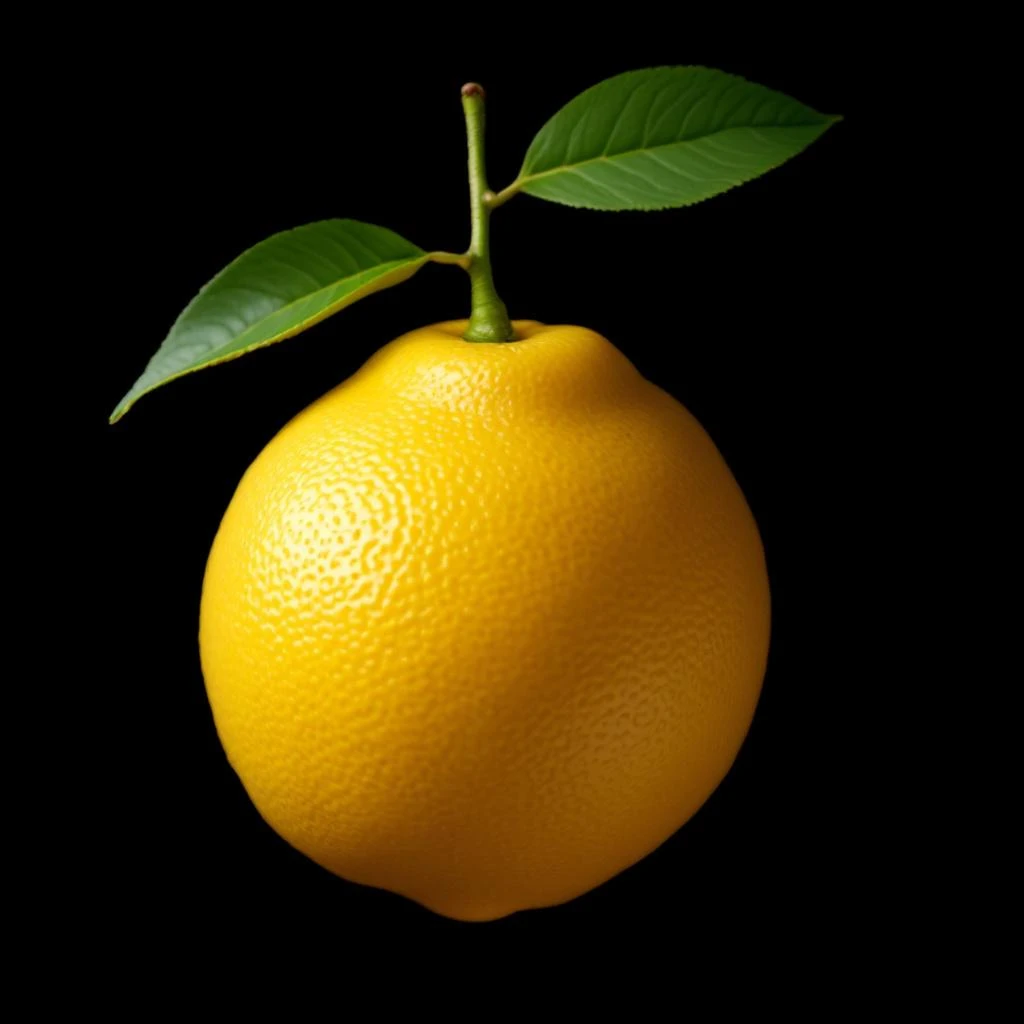
Magnolia bark is warm and woody with subtle citrus and creamy floral undertones, whereas magnolia flower oil is not commercially available. Perfumers rely on bark extracts to capture magnolia's solar, lemony character in a format that actually exists.
Is magnolia bark the same as magnolia flower oil?
No. Magnolia flower oil is not produced commercially, so all magnolia materials in perfumery come from bark. Bark extracts offer a woody, warm interpretation of the flower rather than a direct floral oil.
What fragrance families pair well with magnolia bark?
Magnolia bark works well in white floral, woody, and chypre compositions. It adds warmth and depth to jasmine, ylang-ylang, and aldehydic florals while harmonizing with sandalwood and musks.
Where does commercial magnolia bark come from?
Magnolia bark for perfumery is primarily sourced from Guangxi and Fujian provinces in southern China, where Magnolia officinalis is cultivated. These regions have established extraction infrastructure serving both fragrance and traditional medicine markets.
Is magnolia bark used in traditional medicine?
Yes. The bark of Magnolia officinalis, known as Houpo in Chinese medicine, has been used for over 2,000 years to address digestive and respiratory conditions. Its compounds, including magnolol and honokiol, remain pharmacologically studied.
How is magnolia bark extracted for perfumery?
CO2 supercritical extraction and solvent extraction are the primary methods. Steam distillation is unsuitable because heat degrades the bark's aromatic compounds. CO2 extraction yields a broader aromatic profile with better preservation of delicate molecules.
Is magnolia bark safe for skin use in fragrances?
When properly extracted and diluted, magnolia bark is considered safe for topical fragrance use under International Fragrance Association guidelines. Concentrated extracts should be handled by professionals, and specific usage limits apply.
What magnolia species are used in perfumery?
Magnolia officinalis is the primary commercial source for perfumery. Magnolia grandiflora and Michelia alba blossoms have been explored, but their oil production remains impractical, making bark the reliable and sustainable source.





