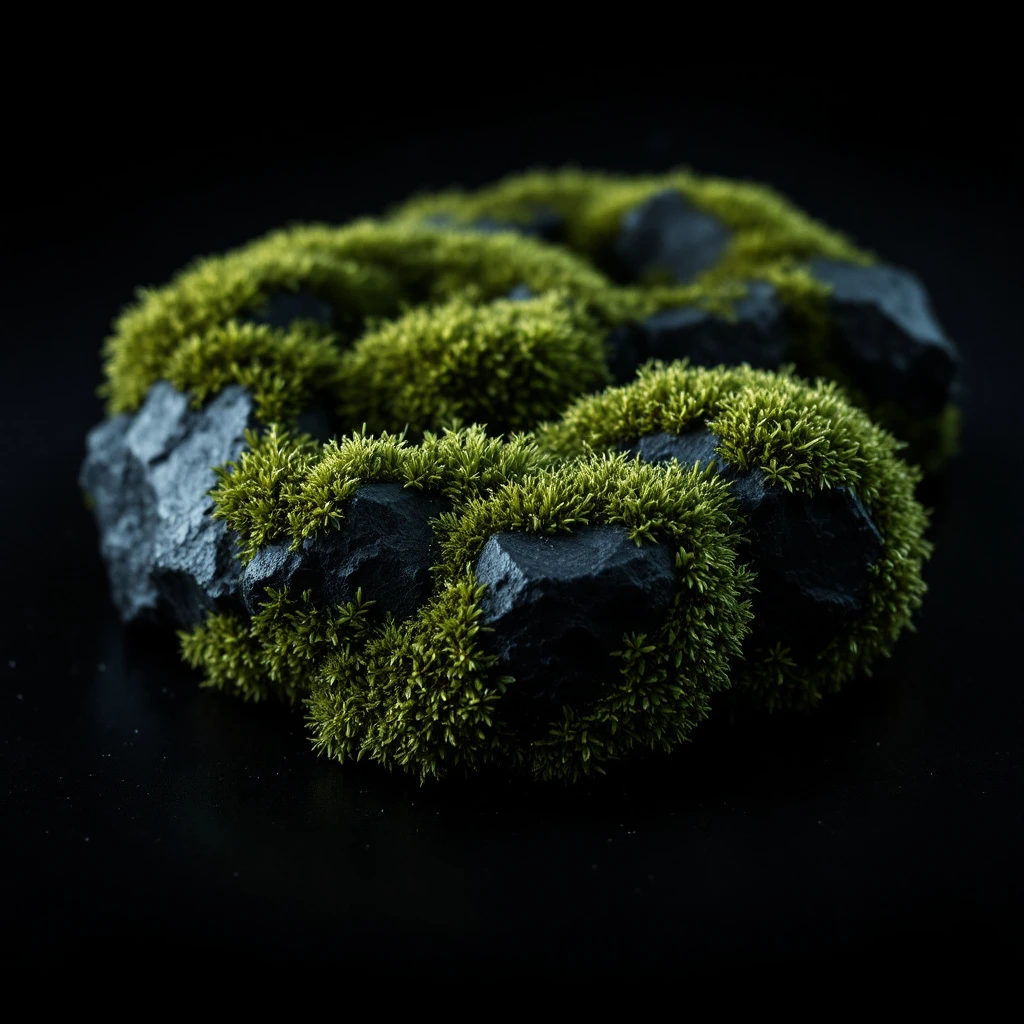
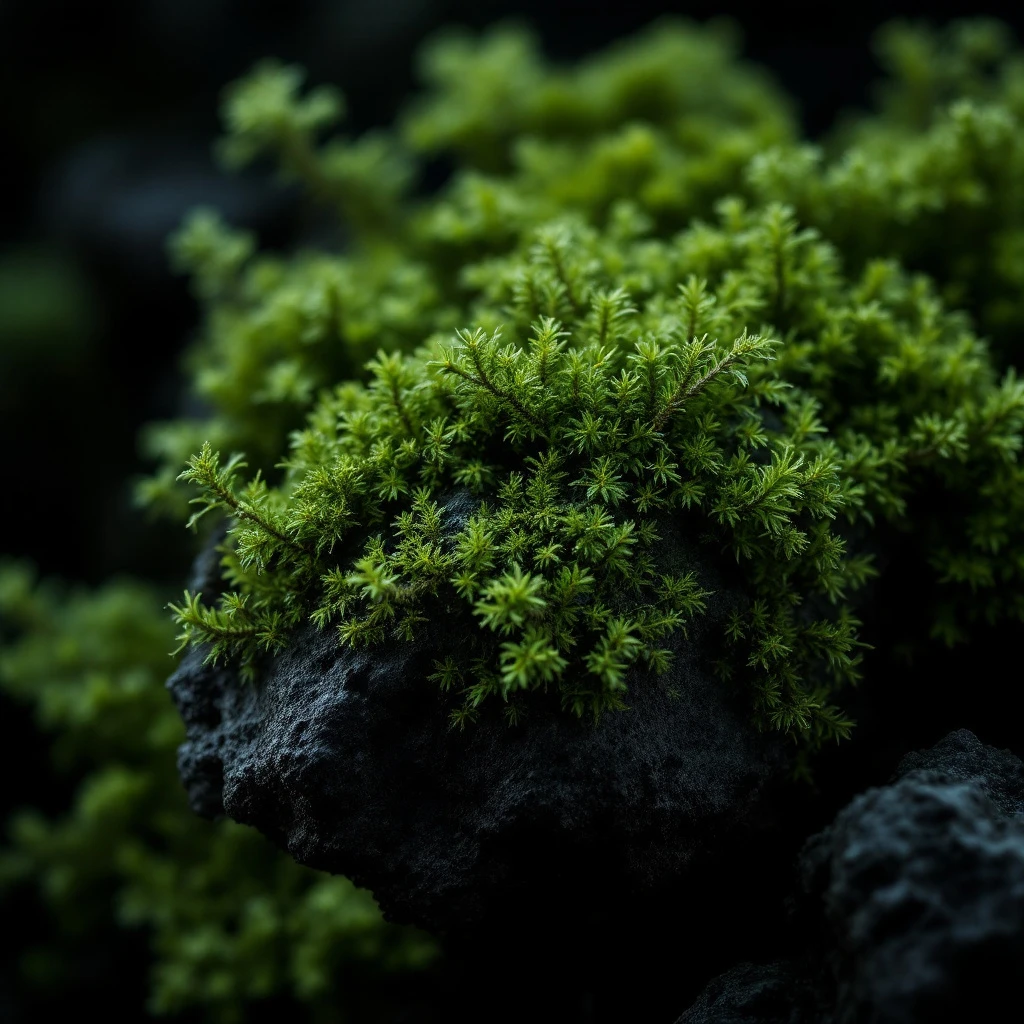
Macedonian Oakmoss
Woodland lichen harvested from Macedonian highlands, delivering earthy depth and subtle bitterness that anchors some of perfumery's most iconic fragrances.
Character
How it smells
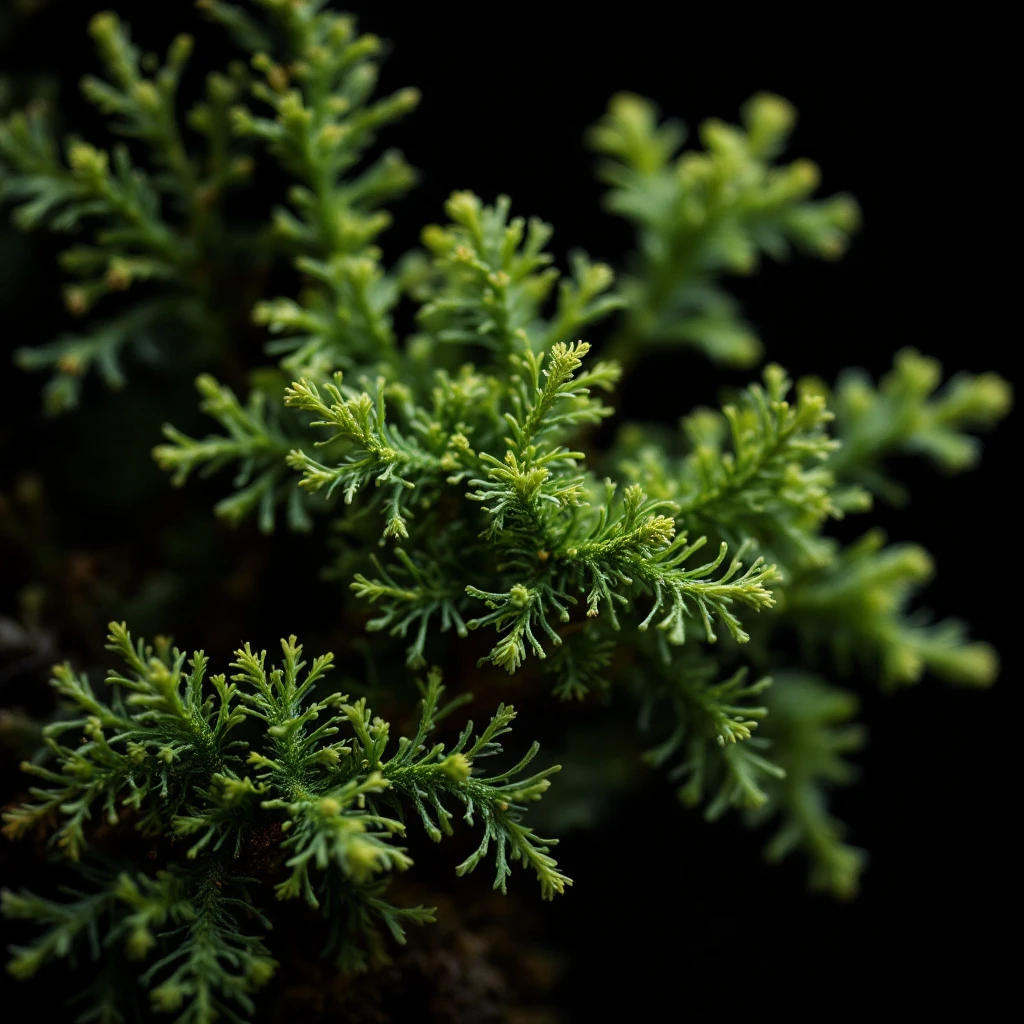
Ancient lichen. Modern icon.
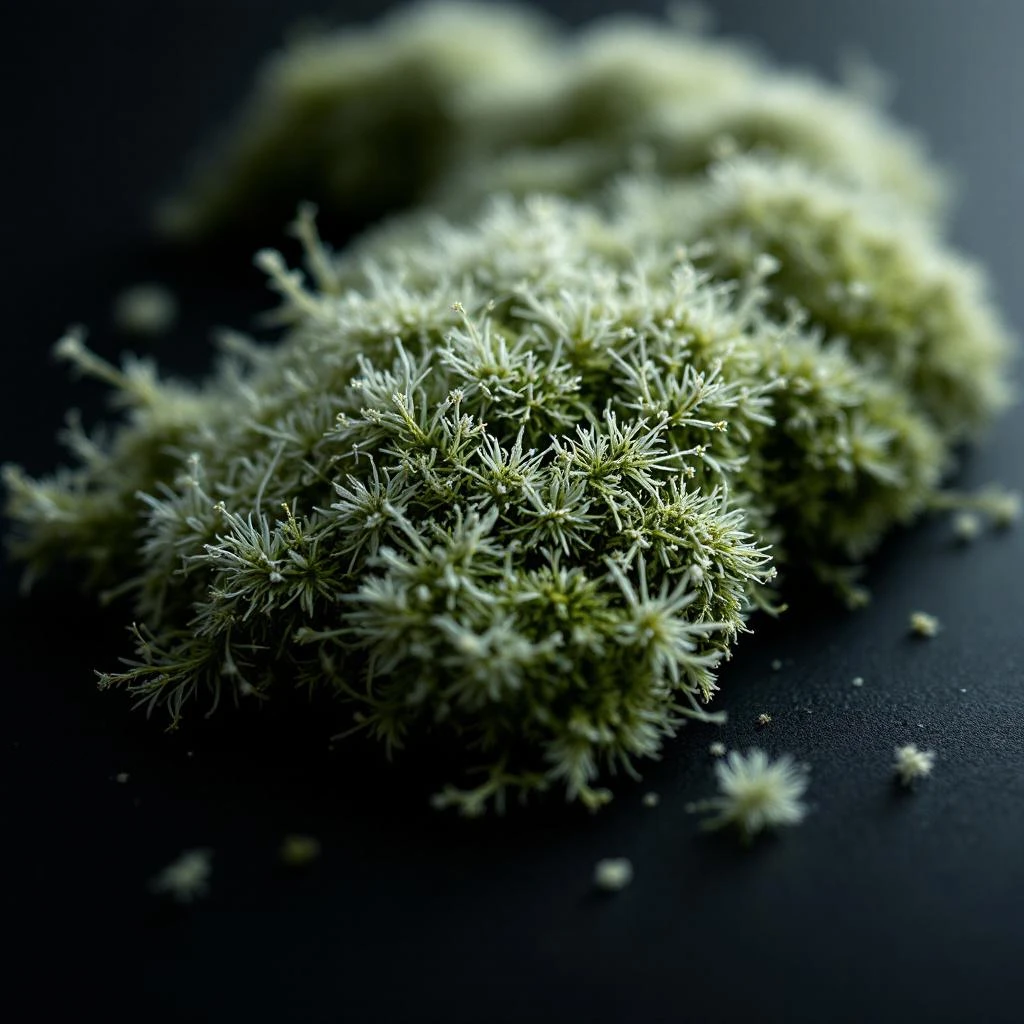
Before modern chemistry, perfumers infused oakmoss in alcohol for months to extract its complex aroma.





Origin
North Macedonia
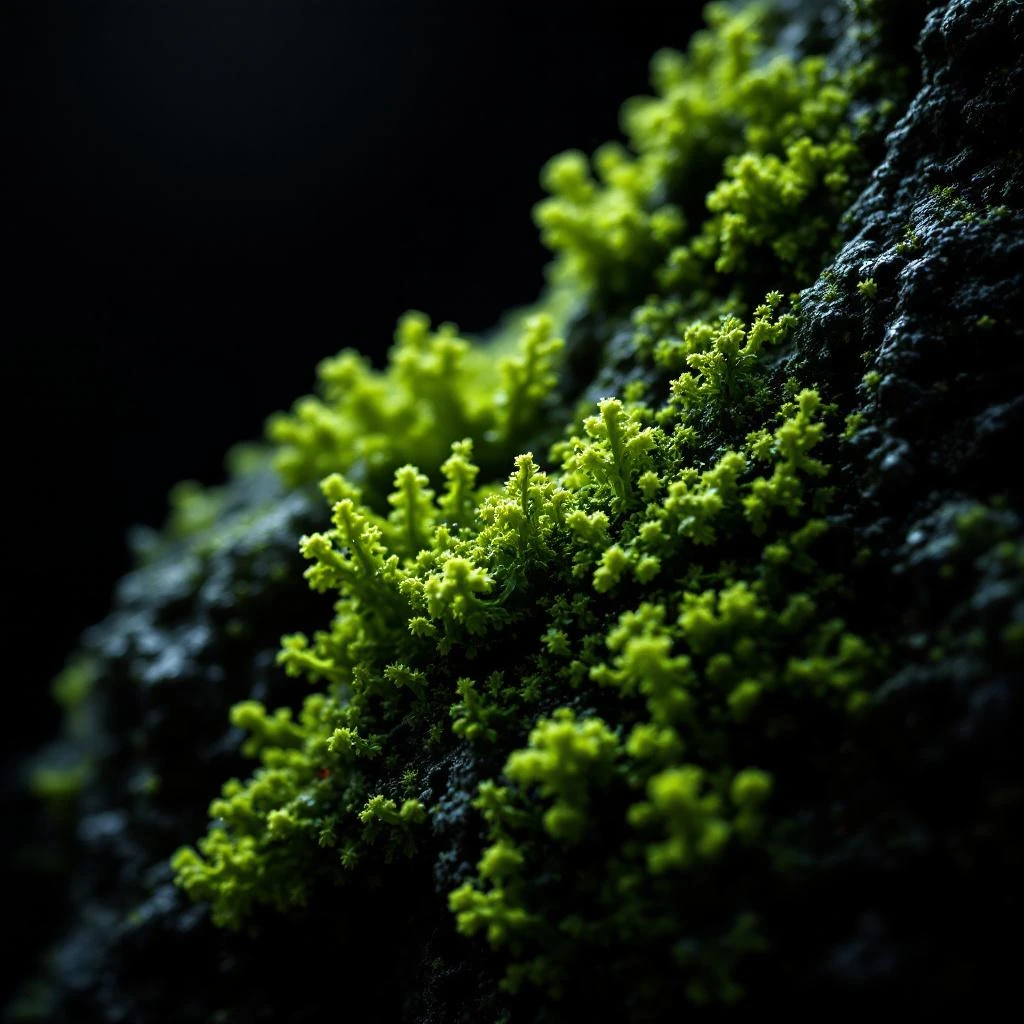
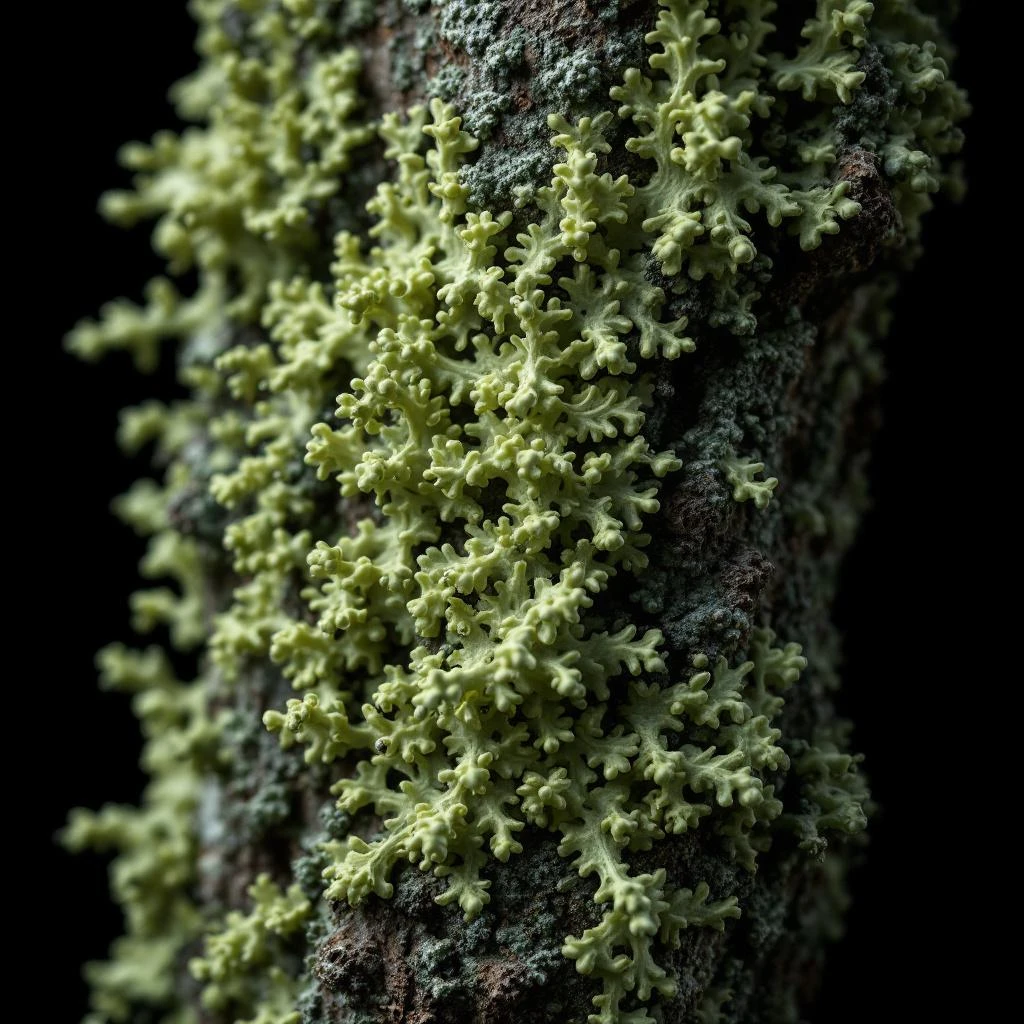
Oakmoss has anchored perfumery for centuries, though its golden era arrived in 1917 when François Coty released Chypre and sparked the creation of an entire fragrance family. Macedonian oakmoss, particularly from the Šar Mountains, has long been prized among Balkan lichens for its rich, complex character. The ingredient originates from Evernia prunastri, a lichen that grows on oak bark across Southern Europe and North Africa.
Its use in chypre structures defined an entire generation of fragrances, from classic declarations to modern interpretations. Despite regulatory changes limiting its concentration in recent decades, Macedonian oakmoss remains a benchmark for earthy, resinous depth in contemporary perfumery.
Wears it best
Fragrances featuring Macedonian Oakmoss

Brands
Brands known for Macedonian Oakmoss
Good to know
Questions, answered
The essentials on Macedonian Oakmoss in perfumery: how it smells, where it comes from, and how it behaves on skin.
What makes Macedonian oakmoss distinctive?
Macedonian oakmoss from the Šar Mountains develops richer aromatic complexity due to limestone-rich soils and cool mountain conditions. The resulting lichen produces an earthy, slightly bitter profile that perfumers consider among the finest available.
How is oakmoss absolute produced?
After harvesting from oak bark, the lichen undergoes volatile solvent extraction to produce a concrete. This concrete is then further processed to yield the concentrated absolute—a potent, dark material used sparingly in perfumery.
What does oakmoss contribute to fragrances?
Oakmoss provides deep, earthy, forest-floor character with mossy and slightly bitter qualities. It functions as a base note that adds woodland depth and structural complexity to fragrance compositions.
What botanical is oakmoss?
Oakmoss is the absolute extracted from Evernia prunastri, a lichen that grows on oak bark across Southern Europe and North Africa. It is not a moss but a lichen—technically a symbiotic organism between a fungus and algae.
Why is oakmoss restricted in perfumery?
Oakmoss contains compounds that can cause skin sensitization at high concentrations. IFRA regulations limit its usage levels in consumer products to ensure safety while preserving its characteristic scent profile.
What fragrance family relies on oakmoss?
Oakmoss defines the chypre family, named after François Coty's 1917 fragrance that established this structural archetype. Classic chypres feature oakmoss alongside bergamot, rose, and labdanum for their distinctive aromatic signature.
Where is Macedonian oakmoss processed?
While harvested in the Šar Mountains region, Macedonian oakmoss is traditionally processed in Grasse, France—the historic heart of perfumery where expertise in botanical extraction has been refined across generations.
Can synthetic alternatives replace oakmoss?
Synthetic aromatics attempt to replicate oakmoss characteristics, but none fully capture its natural complexity. Synthetics like evernyl provide specific facets but lack the layered depth of genuine oakmoss absolute.