Lychee Puree
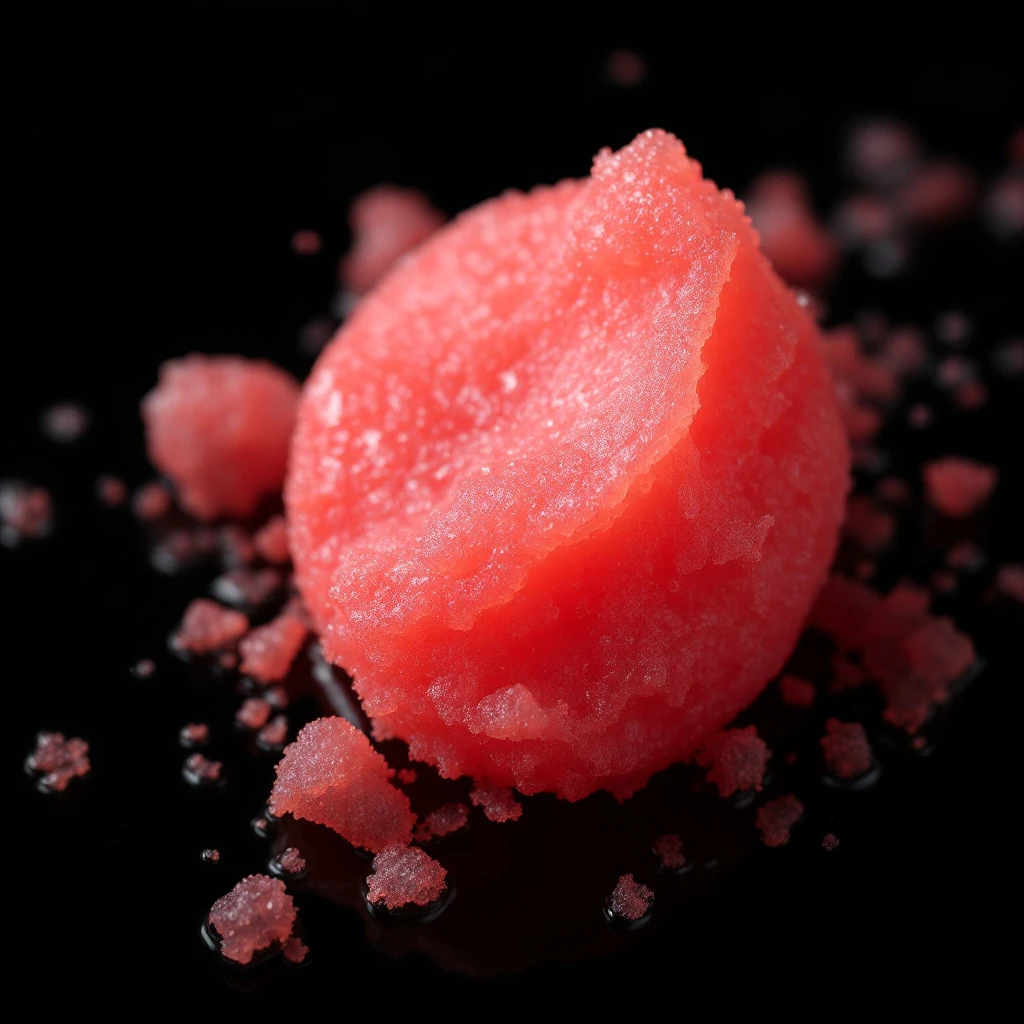
Lychee puree brings a juicy, candy-bright sweetness to fragrance, capturing the tropical fruit's rose-like floral facet and silken texture. This note adds modern gourmand lift without heaviness.
Character
How it smells
Tropical nectar, crystallized in a bottle.
Lychee entered Western perfumery only in the 1990s, making it one of the newest mainstream fruity notes alongside modern synthetics like calone.





Origin
China
Lychee has been cultivated in southern China for over two thousand years, with records of its presence in imperial gardens during the Han dynasty around 200 BCE. The fruit remained geographically isolated for centuries, rarely traveling beyond Asia until the late 18th century, when it reached Mauritius and Réunion through Chinese merchant networks.
Its botanical name, Litchi chinensis, reflects this Asian lineage, while the fruit earned a reputation in China as a symbol of romance and good fortune, often exchanged as a token of devotion. Lychee did not appear in Western perfumery until the late 20th century, once organic synthesis techniques advanced enough to reconstruct its notoriously fragile aroma.
The note gained momentum in the 1990s as fruity-floral compositions surged in popularity, and French perfumers began incorporating lychee accords into fresh, youthful fragrances. Today, the note signals modernity and tropical luxury, though it remains far less common than rose, jasmine, or citrus in classical perfumery traditions.
Wears it best
Fragrances featuring Lychee Puree
Brands
Brands known for Lychee Puree
Good to know
Questions, answered
The essentials on Lychee Puree in perfumery: how it smells, where it comes from, and how it behaves on skin.
Is lychee puree in perfume natural or synthetic?
Most lychee notes in modern perfumery are synthetic reconstructions. The fruit's delicate aroma breaks down quickly during distillation, so perfumers typically build the scent from aroma chemicals like geraniol and linalool to capture its rose-peony sweetness reliably.
What does lychee puree smell like in fragrance?
Lychee puree smells juicy, floral, and candy-sweet with a subtle rose-like facet. It sits between fresh fruit and soft floral, making it a popular choice for bridging citrus openings into richer heart notes without adding gourmand heaviness.
Where does lychee originate?
Lychee originates in southern China, where it has been cultivated for over two thousand years. Historical records place it in imperial gardens during the Han dynasty, around 200 BCE.
When did lychee enter Western perfumery?
Lychee entered Western perfumery in the late 20th century, gaining popularity during the 1990s. The note required advances in organic synthesis before perfumers could reconstruct its delicate aroma reliably in a bottle.
How is natural lychee extract produced?
Natural lychee extract is produced through gentle solvent extraction of the fruit flesh. The resulting absolute smells intensely sweet and slightly waxy, closer to overripe lychee than fresh fruit, and remains rare due to cost.
What fragrance families use lychee puree?
Lychee puree appears most often in fruity-floral and fresh gourmand compositions. It pairs naturally with rose, peony, and citrus, and anchors many modern fruity openings designed for younger, contemporary audiences.
Is lychee puree a top or base note?
Lychee puree behaves like a top-to-heart note. It evaporates quickly due to its light molecular structure, but a faint fruit-skin trace persists, bridging brighter openings into the floral or gourmand core of a fragrance.
Why is lychee hard to capture as a natural extract?
Lychee is difficult to capture naturally because its high water content and fragile aroma compounds oxidize rapidly. Steam distillation destroys the delicate top notes, leaving solvent extraction or synthetic reconstruction as the practical options for perfumers.