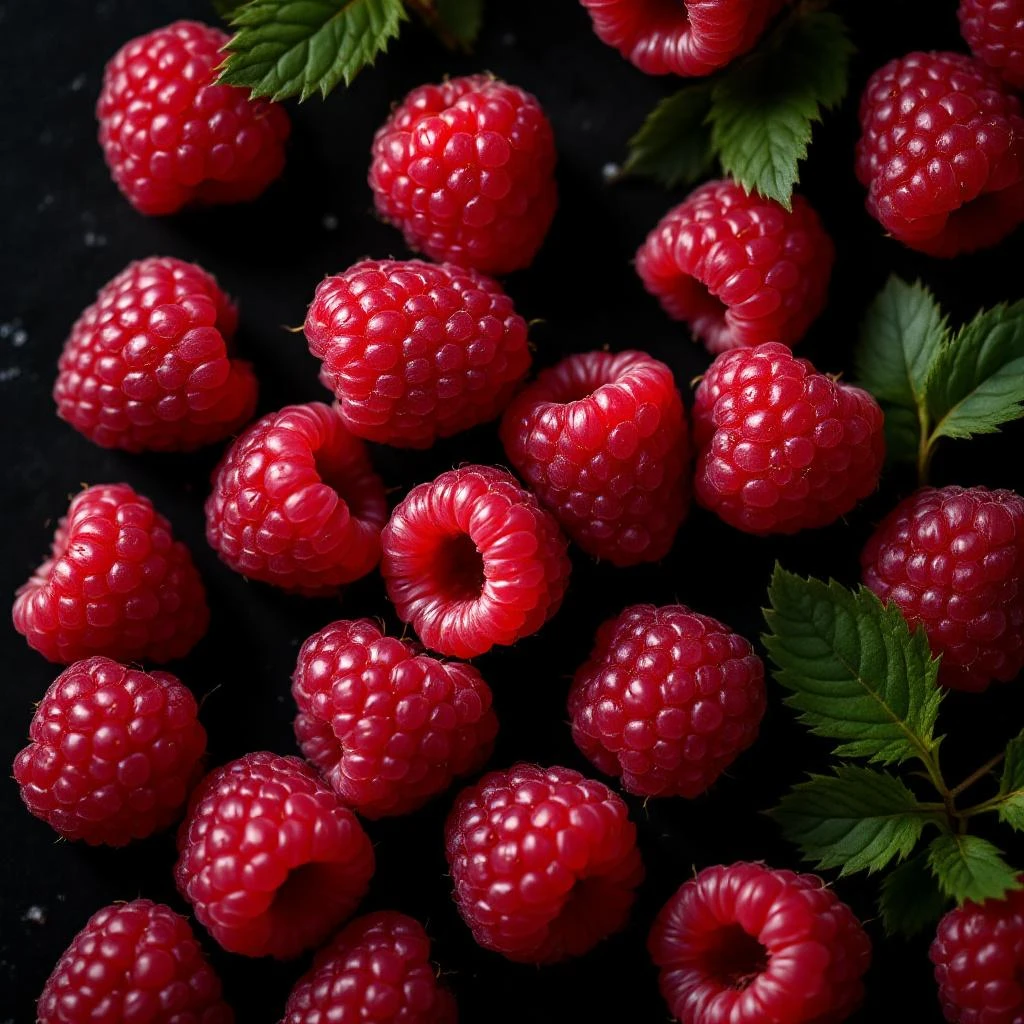
Lychee Peel
Lychee peel delivers a crystalline sweetness that bridges tropical warmth and temperate delicacy. In perfumery, this note brings juicy brightness that elevates both floral and gourmand compositions.
Character
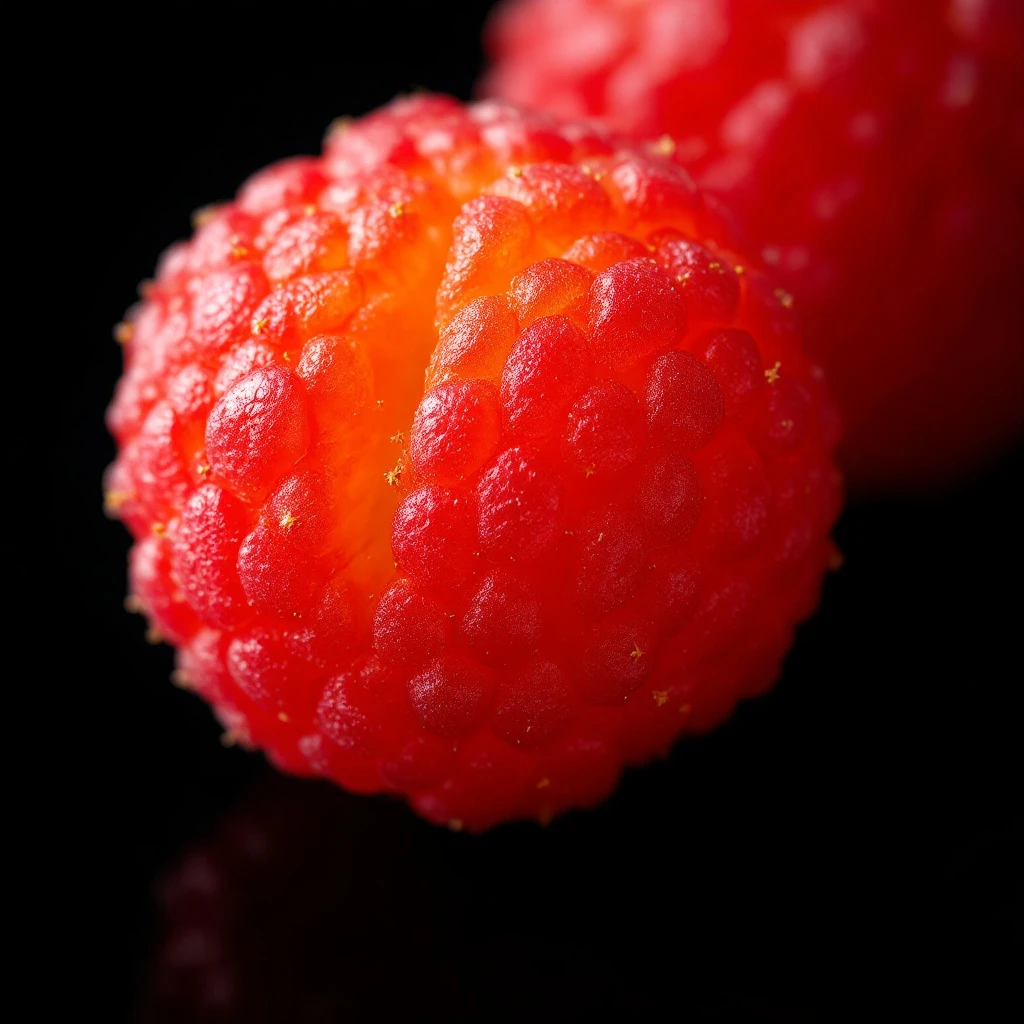
How it smells
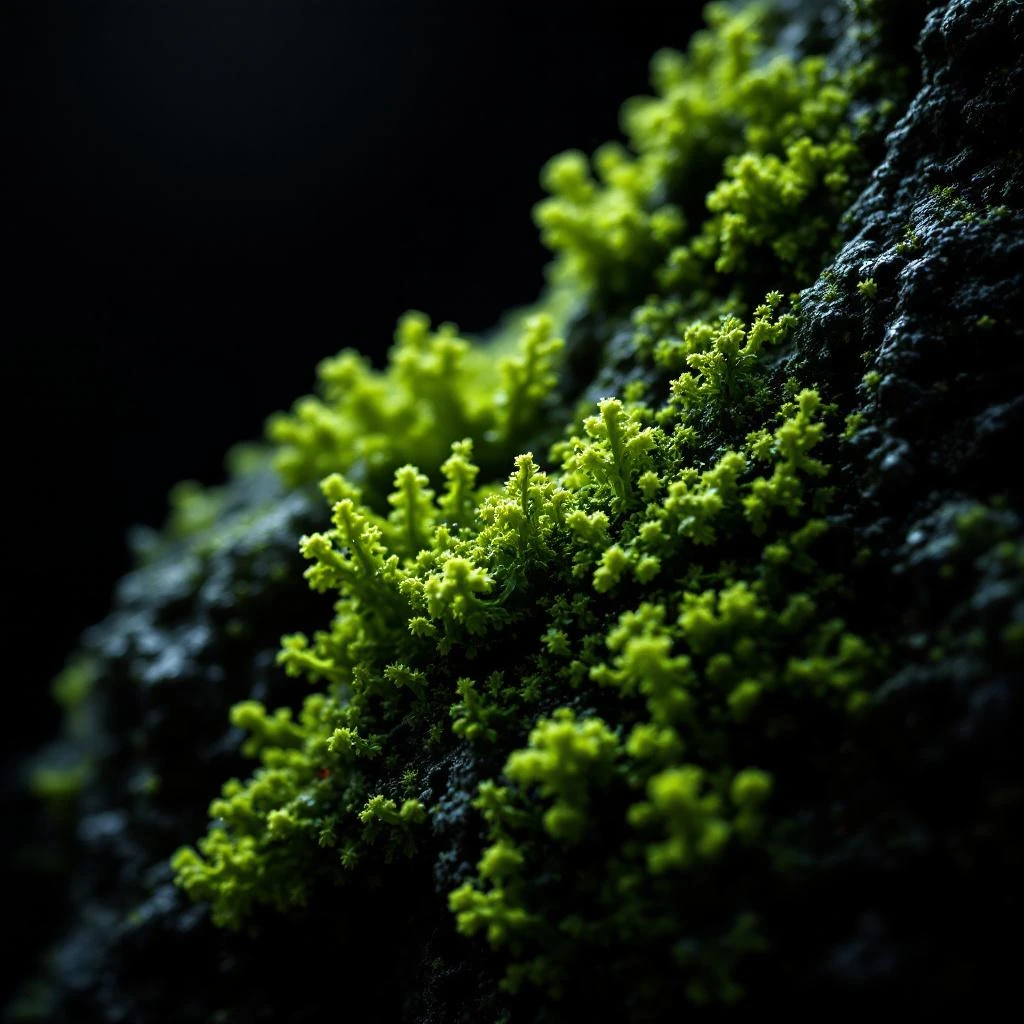
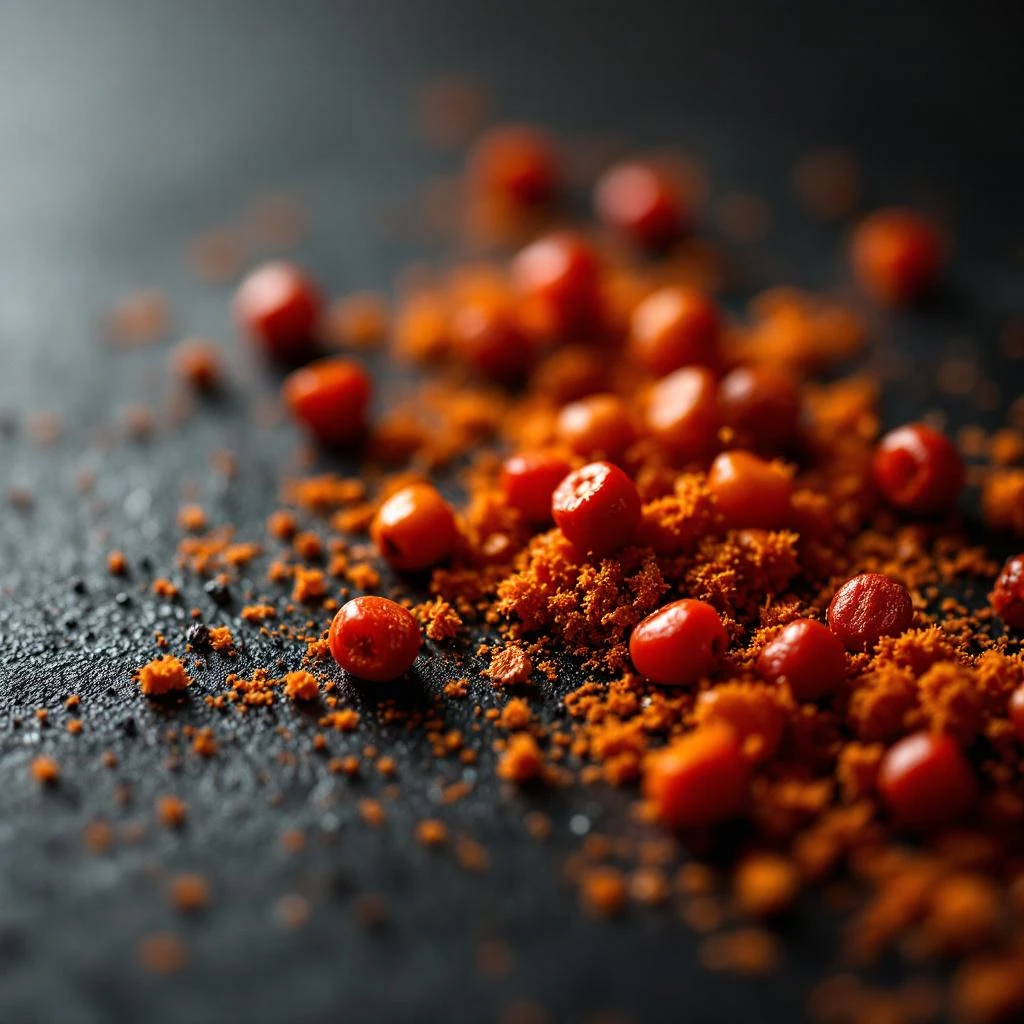
Crystalline sweetness from subtropical groves
Lychee resists all conventional extraction methods—no essential oil exists from this fruit. Every lychee note in perfumery comes from synthesized molecules.


Origin
China
Lychee originated in the Guangdong and Fujian provinces of southern China, where it grew wild in subtropical forests for millennia. Chinese records document lychee cultivation as early as 1059 BC, and the fruit became woven into imperial culture. During the Tang Dynasty, Emperor Xuanzong dispatched horsemen to deliver lychee from Sichuan to Chang'an—some 1,000 miles—for the pleasure of his beloved Consort Yang Guifei.
The poet Bai Juyi immortalized this obsession in verse. By the Ming Dynasty, scholars classified lychee among fragrant fruits worthy of cultivation. The fruit reached Burma by the 17th century, then spread to India, Southeast Asia, and eventually Madagascar and South Africa.
Today China produces roughly 2 million tonnes annually, followed by India. The lychee's journey from imperial luxury to global cultivation mirrors its scent profile—something simultaneously exotic and familiar, tropical yet approachable.
Wears it best
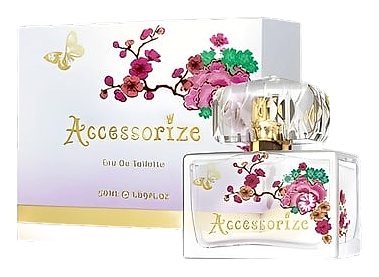
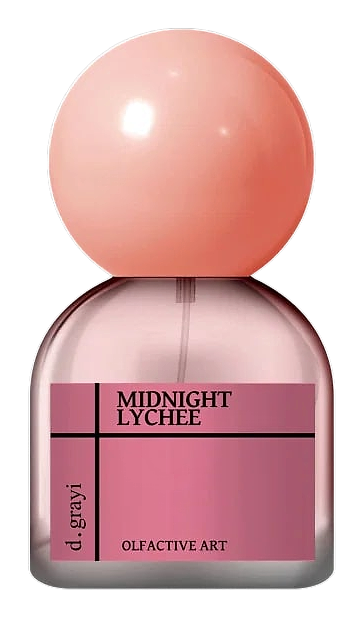
Fragrances featuring Lychee Peel
Brands
Brands known for Lychee Peel
Good to know
Questions, answered
The essentials on Lychee Peel in perfumery: how it smells, where it comes from, and how it behaves on skin.
Can lychee essential oil be extracted for perfume?
No. Lychee resists all extraction methods—no essential oil, absolute, or concrete exists from this fruit. Perfumers synthesize lychee entirely from lab-created aroma chemicals.
What molecule gives lychee its characteristic scent in perfume?
Cis-rose oxide is the primary molecule used to reproduce lychee's distinctive rosy-aquatic character. It is blended with other synthetics to complete the note.
Does lychee smell more tropical or floral?
Both. Lychee occupies a unique middle ground—tropical and juicy yet soft and rosy. It reads as fruity without being heavy, and floral without being sweet.
What fragrance families use lychee most often?
Lychee appears frequently in florals, especially rose compositions, and in fruity-gourmand scents. It also shows up in fresh, aquatic fragrances for its clean, sparkling quality.
Is the lychee note natural or synthetic?
Always synthetic. Every lychee note in commercial perfumery comes from laboratory-created aroma chemicals, as no natural extraction process yields this scent.
Where does lychee grow best?
Subtropical climates with humid summers and cool, dry winters. China and India dominate global production, with Guangdong Province as the historical center of cultivation.
Does lychee peel smell different from the flesh?
The flesh carries the aromatic compounds perfumers target. Lychee peel is primarily textured and fragrant in appearance; the scent profile comes from the fruit's interior.
How long has lychee been used in perfumery?
Lychee entered modern perfumery in the late 20th century as synthetic chemistry advanced. Historical Chinese perfumery used other botanicals, not lychee.